
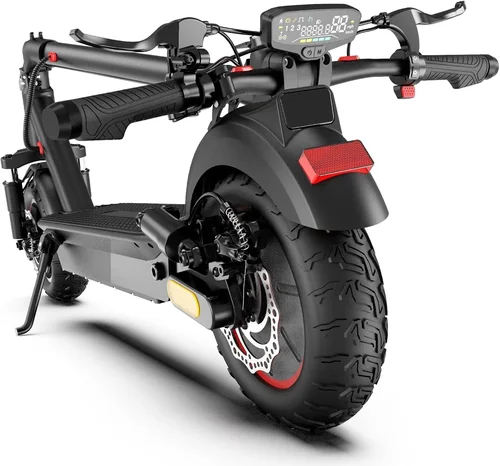
Electric scooters have evolved from niche urban curiosities into serious transportation contenders—and nowhere is that more evident than in the rise of dual motor models. While single-motor scooters still dominate the entry-level market, dual motor electric scooters offer a compelling blend of power, stability, and performance that makes them ideal for everything from daily commutes to weekend adventures. But here’s the catch: high-end dual motor scooters often come with premium price tags that put them out of reach for budget-conscious riders.
That’s why this guide exists. In 2026, the market for affordable dual motor electric scooters has matured significantly. Manufacturers like Gotrax, Segway-Ninebot, and emerging brands such as Varla and Apollo have introduced models that deliver impressive torque, hill-climbing ability, and smooth acceleration—all without breaking the bank. Whether you’re navigating city streets, tackling steep inclines, or simply want a more responsive ride, a budget dual motor scooter can be a smart, practical investment.
In this comprehensive guide, you’ll learn exactly what to look for when shopping for a dual motor electric scooter under $1,000. We’ll break down the key factors that matter most—from motor power and battery life to build quality and warranty coverage—so you can make an informed decision. You’ll also discover common pitfalls to avoid, expert tips for scoring the best deals, and our top recommendations across different use cases. By the end, you’ll have everything you need to choose a scooter that fits your lifestyle, your budget, and your expectations.
The dual motor scooter market in 2026 is more competitive than ever. With advancements in brushless motor technology, lithium-ion battery efficiency, and smart control systems, even budget models now offer features once reserved for premium rides. However, not all “budget” scooters are created equal. Some cut corners on safety, durability, or after-sales support, while others deliver exceptional value with minimal compromises. Our goal is to help you distinguish between marketing hype and real-world performance, so you don’t end up with a scooter that disappoints after just a few weeks of use.
What to Look for When Buying Gotrax
1. Budget & Price Range
When shopping for a budget dual motor electric scooter, it’s essential to define your price range upfront. Most reliable dual motor models fall between $600 and $1,000, with some entry-level options dipping just below $500. While it’s tempting to go for the cheapest option, remember that electric scooters are complex machines involving motors, batteries, controllers, and structural components—each of which impacts performance and longevity.
A good rule of thumb: aim to spend at least $600 for a dual motor scooter that offers meaningful performance gains over single-motor alternatives. Below that threshold, you’re likely compromising on motor quality, battery capacity, or frame durability. That said, several brands—including Gotrax—have managed to deliver solid dual motor performance in the $650–$800 range by optimizing their supply chains and focusing on core functionality over flashy extras.
Always factor in long-term costs too. A slightly higher upfront investment in a well-built scooter can save you money on repairs, replacements, or upgrades down the line. Look for models with replaceable parts, accessible service centers, and transparent warranty terms.
2. Performance Specifications
Performance is where dual motor scooters truly shine—and where budget models can vary wildly. Key specs to evaluate include:
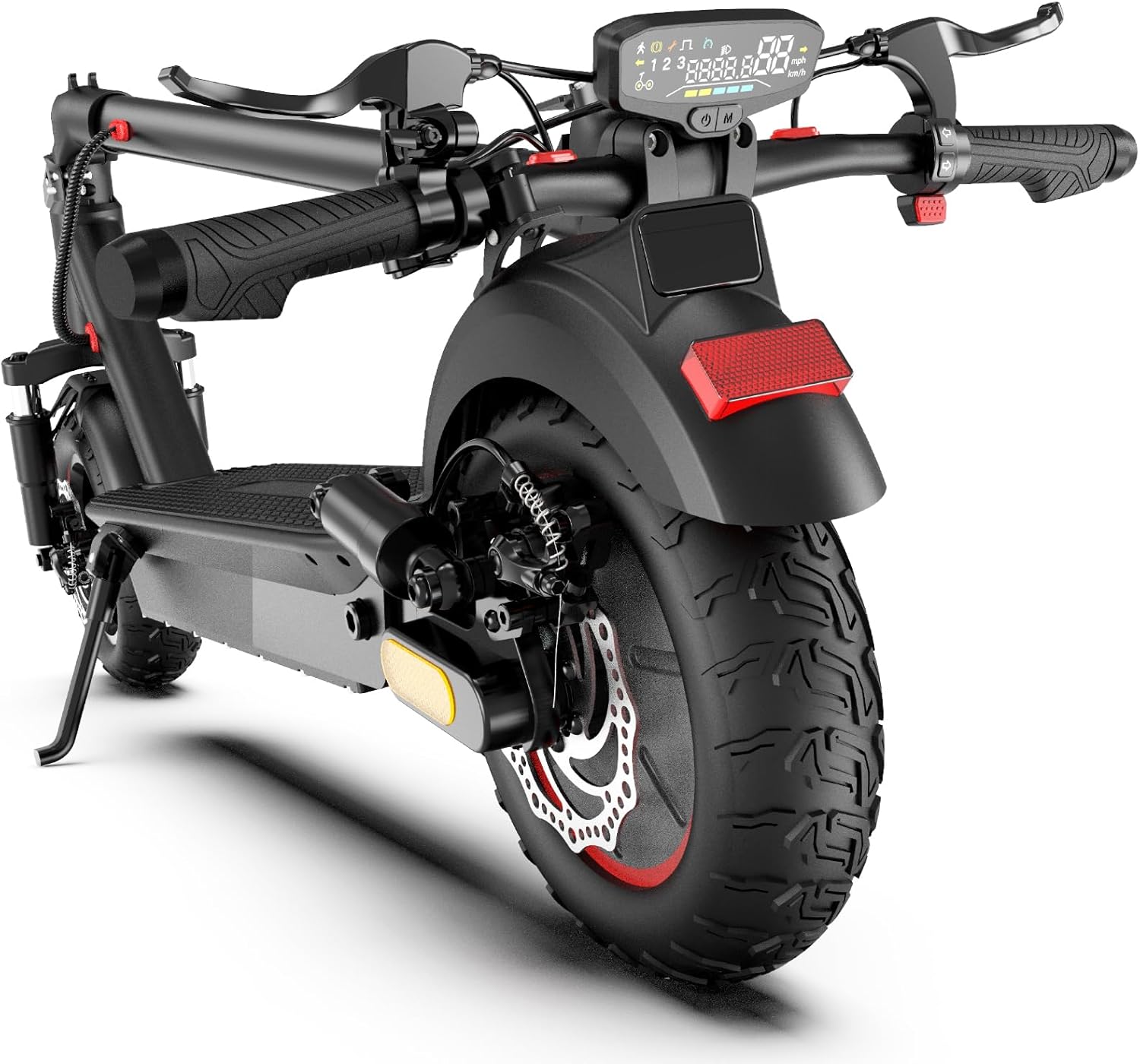
– Motor Power: Dual motor scooters typically feature two brushless hub motors, each rated between 250W and 500W. Combined output ranges from 500W to 1,000W. For city commuting and moderate hills, 500W–750W total is sufficient. If you plan to tackle steep inclines or carry heavier loads (over 220 lbs), aim for 800W+.
– Top Speed: Most budget dual motor scooters reach 18–25 mph. While speed is exciting, prioritize consistency and acceleration over peak velocity. A scooter that smoothly ramps up to 20 mph is often more useful than one that briefly hits 25 mph but struggles on hills.
– Range: Battery capacity (measured in watt-hours, or Wh) directly affects range. Expect 15–25 miles on a single charge from a quality budget dual motor scooter. Real-world range depends on rider weight, terrain, speed, and weather. Always check if the manufacturer provides “realistic” range estimates—not just idealized lab results.
– Hill Climbing: Dual motors provide superior torque, enabling climbs of 15–20% grades. Check the advertised incline capability; anything below 15% may leave you stranded on modest hills.
3. Build Quality & Durability
A scooter’s frame, deck, and folding mechanism determine how well it holds up over time. Budget scooters often use aluminum alloys (like 6061-T6), which offer a good balance of strength and weight. Avoid models with thin, flimsy decks or poorly welded joints—these are red flags for premature failure.
Pay close attention to:
– Weight Capacity: Most budget dual motor scooters support 220–265 lbs. If you’re near or above this limit, verify the scooter’s structural integrity and motor performance under load.
– Suspension: While full suspension is rare in this price range, some models include front or rear spring suspension. This greatly improves comfort on rough pavement and reduces fatigue on longer rides.
– Tires: Pneumatic (air-filled) tires offer better shock absorption and grip than solid rubber, but require occasional maintenance. Many budget dual motor scooters now feature hybrid or tubeless pneumatic tires for a compromise between comfort and convenience.
Water resistance is another critical factor. Look for at least an IPX4 rating, which protects against splashes from any direction. Avoid riding in heavy rain regardless—but IPX4 ensures minor exposure won’t fry your electronics.
4. Features & Functionality
Modern budget dual motor scooters pack surprising features. Here’s what to prioritize:
– Display & Controls: A clear LCD or LED display showing speed, battery level, mode, and error codes is essential. Some models include Bluetooth connectivity for app-based diagnostics and ride tracking.
– Ride Modes: Eco, Normal, and Sport modes let you balance range and performance. Eco mode can extend battery life by 20–30%, while Sport unleashes full motor power.
– Brake System: Regenerative braking (which recharges the battery slightly during deceleration) is common, but always ensure mechanical brakes (disc or drum) are present for safety. Dual braking systems (electronic + mechanical) are ideal.
– Lights: Front headlights and rear brake lights improve visibility and safety, especially for evening commutes. Some models include side reflectors or ambient lighting.
– Portability: If you need to carry your scooter upstairs or onto public transit, weight and foldability matter. Most budget dual motor scooters weigh 35–45 lbs—manageable for short carries but not ideal for long distances.
5. Brand Reputation
Not all budget scooter brands are equal. Established names like Gotrax, Segway-Ninebot, and Xiaomi have built reputations for reliability and customer service. Gotrax, in particular, has gained traction in the U.S. market for offering feature-rich scooters at aggressive price points.
Research brand history: How long have they been in business? Do they specialize in electric mobility? Check third-party reviews on platforms like Trustpilot, Reddit (r/ElectricScooters), and YouTube for unbiased user experiences. Be wary of brands with no online presence, vague product descriptions, or overly generic packaging—these are often dropshipped units with minimal support.
6. Warranty & Support
A strong warranty is a sign of confidence in product quality. For budget dual motor scooters, look for at least a 12-month limited warranty covering motors, battery, and controller. Some brands offer 18–24 months, which is excellent for this price tier.
Pay attention to what’s covered:
– Does the warranty include labor and shipping?
– Are batteries covered for capacity degradation (e.g., below 70% after 6 months)?
– Is there a clear process for returns or repairs?
Customer support responsiveness is equally important. Test it before buying: send an email or call their support line with a question. If they take days to reply or provide vague answers, consider it a warning sign.
7. Size & Portability
Even if you don’t plan to carry your scooter often, size and weight affect storage and maneuverability. Most budget dual motor scooters fold down to fit in car trunks or under desks, but dimensions vary.
Consider:
– Folded Dimensions: Ideally under 45” x 18” x 8” for easy storage.
– Weight: Under 40 lbs is manageable for most adults; over 45 lbs becomes cumbersome.
– Handlebar Height: Adjustable handlebars accommodate riders of different heights and improve ergonomics.
If portability is a priority, look for scooters with quick-fold mechanisms and built-in carrying handles. Some models even include shoulder straps for hands-free transport.
8. User Reviews & Ratings
Never rely solely on manufacturer specs. Real-world user feedback reveals hidden strengths and weaknesses. Focus on reviews from verified purchasers who’ve used the scooter for weeks or months—not just unboxings.
Look for patterns in complaints:
– Frequent battery issues?
– Motor overheating on hills?
– Poor customer service experiences?
Conversely, consistent praise for smooth acceleration, reliable brakes, or excellent hill performance is a strong endorsement. Platforms like Amazon, Best Buy, and specialized forums offer rich insights. Pay extra attention to reviews from riders with similar weight, commute distance, and terrain as yours.
Different Types of Gotrax
Common Buying Mistakes to Avoid
❌ Mistake: Prioritizing Top Speed Over Real-World Performance
Why it’s bad: Many budget scooters advertise “up to 25 mph,” but this is often achieved only under ideal conditions (light rider, flat ground, full battery). In reality, speed drops significantly on hills or with heavier riders. Chasing high top speed can lead to disappointment and unsafe handling.
What to do instead: Focus on consistent acceleration, hill-climbing ability, and braking performance. A scooter that maintains 18 mph up a 15% grade is far more useful than one that briefly hits 25 mph on flat asphalt.
❌ Mistake: Ignoring Weight Capacity
Why it’s bad: Exceeding the scooter’s weight limit strains motors, drains the battery faster, and can cause structural failure. Many riders assume “220 lbs is plenty,” but factor in backpack, groceries, or cargo—you may be closer to the limit than you think.
What to do instead: Choose a scooter rated for at least 20–30 lbs above your total loaded weight. If you weigh 180 lbs and carry a 20-lb backpack, opt for a 220+ lb capacity model.
❌ Mistake: Overlooking Battery Chemistry and Management
Why it’s bad: Not all lithium-ion batteries are equal. Cheap scooters may use lower-grade cells or lack proper battery management systems (BMS), leading to rapid degradation, overheating, or even fire risk.
What to do instead: Look for scooters with branded batteries (e.g., Samsung, LG) and a robust BMS that prevents overcharging, deep discharge, and thermal runaway. Check if the battery is removable—this makes replacement easier and extends scooter lifespan.
❌ Mistake: Skipping the Test Ride
Why it’s bad: Scooter feel is highly personal. What looks great on paper might feel jerky, unstable, or uncomfortable in practice. Online reviews help, but nothing replaces hands-on experience.
What to do instead: If possible, visit a local retailer or attend an electric scooter demo event. Test acceleration, braking, turning radius, and ride comfort. If buying online, choose retailers with generous return policies (30 days or more).
❌ Mistake: Neglecting After-Sales Support
Why it’s bad: Even the best scooters can develop issues. Without reliable customer service, a minor problem can turn into a weeks-long ordeal—or a paperweight.
What to do instead: Research the brand’s support reputation before buying. Check response times, availability of spare parts, and whether they offer phone, email, or live chat support. Gotrax, for example, has improved its U.S.-based support significantly in recent years.
❌ Mistake: Assuming All “Dual Motor” Means Equal Power
Why it’s bad: Some budget scooters market “dual motors” but only activate both under heavy load or in Sport mode. Others use mismatched motors (e.g., one 250W and one 350W), leading to uneven wear and reduced efficiency.
What to do instead: Verify that both motors are identical and engaged during normal riding. Read detailed reviews or contact the manufacturer to confirm motor behavior across ride modes.
Budget Guidelines: How Much Should You Spend?
– Entry-Level ($500–$650): At this tier, expect basic dual motor performance with modest range (12–18 miles) and minimal features. Build quality may be adequate but not exceptional. Ideal for light riders on flat terrain with short commutes. Examples include early Gotrax GXL V2 variants or lesser-known brands with limited warranties.
– Mid-Range ($650–$850): This is the sweet spot for most buyers. Scooters here offer balanced performance (500W–750W total), 18–25 mile range, decent build quality, and useful features like LCD displays, regenerative braking, and IPX4 water resistance. Gotrax’s newer dual motor models, such as the Gotrax G6 Dual, fall into this category and deliver excellent value.
– Premium ($850–$1,000): For enthusiasts and professionals, this range brings enhanced motors (800W+), longer range (25+ miles), better suspension, and advanced features like app connectivity, customizable ride modes, and higher weight capacities. These scooters are built to last and perform reliably under demanding conditions.
– Luxury ($1,000+): While outside strict “budget” territory, some sub-$1,200 models blur the line with premium components, aerospace-grade frames, and cutting-edge tech. These are best for riders who prioritize performance, durability, and future-proofing over absolute cost savings.
Expert Tips for Getting the Best Deal
1. Time Your Purchase: Major sales events like Black Friday, Prime Day, and back-to-school season often feature discounts of 15–25% on electric scooters. Sign up for brand newsletters (Gotrax, Segway, etc.) to get early access to promotions.
2. Buy Direct or From Authorized Retailers: Purchasing from the manufacturer’s website or authorized dealers (like Amazon, Best Buy, or Micro Center) ensures warranty validity and access to genuine parts. Avoid third-party sellers with unclear return policies.
3. Check for Refurbished or Open-Box Options: Many brands sell certified refurbished scooters at 20–30% off retail. These units are tested, cleaned, and often come with the same warranty as new models—a fantastic way to save without sacrificing quality.
4. Read the Fine Print on Warranties: Some warranties require registration within 7–14 days of purchase. Others exclude “wear and tear” items like tires and brake pads. Understand what’s covered before you need it.
5. Test Before You Commit: If you’re near a city with scooter rental services (Lime, Bird, etc.), rent a dual motor model for a day. This gives you real-world insight into performance, comfort, and handling—helping you make a more informed choice.
6. Negotiate Bundles: Some retailers offer free accessories (helmets, phone mounts, locks) with scooter purchases. Don’t hesitate to ask—especially during slower sales periods.
7. Monitor Price Drops: Use tools like Honey, CamelCamelCamel (for Amazon), or Google Shopping alerts to track price history and get notified when your desired model goes on sale.
8. Consider Long-Term Value: A $750 scooter that lasts 3 years costs $250/year. A $500 scooter that fails after 1 year costs $500/year. Factor in durability, repair costs, and resale value when evaluating true affordability.

Frequently Asked Questions
Q: Can a budget dual motor scooter handle hills?
A: Yes—but with caveats. Most budget dual motor scooters can climb 15–20% grades, which covers most urban inclines. However, performance depends on rider weight, battery level, and motor quality. Heavier riders or steeper hills may require a higher-wattage model (800W+ total).
Q: How long do budget dual motor scooters last?
A: With proper care, a quality budget dual motor scooter can last 2–4 years. Key factors include battery maintenance (avoid deep discharges), regular cleaning, and timely repairs. The battery typically degrades to 70–80% capacity after 300–500 charge cycles.
Q: Are dual motor scooters worth the extra cost over single motor?
A: For most riders, yes—especially if you encounter hills, carry cargo, or want smoother acceleration. Dual motors provide better traction, reduced strain on components, and improved safety during hard braking or quick starts. The performance boost justifies the $100–$200 premium for many users.
Q: Do I need a license or insurance to ride a dual motor scooter?
A: In most U.S. states, no license or insurance is required for scooters under 20 mph. However, local laws vary—some cities restrict where scooters can be ridden (e.g., sidewalks vs. bike lanes). Always check municipal regulations before riding.
Q: Can I ride a dual motor scooter in the rain?
A: Only if it has at least an IPX4 rating and you avoid deep puddles or heavy downpours. IPX4 protects against splashes, but submerging the scooter or riding through flooded streets can damage electronics. Dry your scooter thoroughly after wet rides.
Q: How fast do dual motor scooters charge?
A: Most budget models take 4–6 hours to charge from 0–100% using the included charger. Some support fast charging (2–3 hours), but this may reduce battery lifespan over time. Avoid leaving the scooter plugged in overnight.
Q: What’s the difference between hub motors and belt-driven motors?
A: Budget dual motor scooters almost exclusively use hub motors (integrated into the wheels), which are quiet, low-maintenance, and efficient. Belt-driven systems are more common in high-end models and offer better torque control but require periodic belt replacement.
Q: Can I upgrade the battery on a budget dual motor scooter?
A: In most cases, no—batteries are proprietary and not user-replaceable without technical expertise. Some brands offer official upgrade kits, but these are rare in the budget segment. Plan for battery replacement every 2–3 years if needed.
Q: Are dual motor scooters safe for beginners?
A: Yes, with proper training. Dual motors can accelerate quickly, so beginners should start in Eco mode and practice braking and turning in a safe, open area. Always wear a helmet and protective gear.
Our Final Recommendations
– Best for Budget-Conscious Buyers: Gotrax G6 Dual ($749) – Offers 750W total power, 22-mile range, IPX4 rating, and a robust aluminum frame. Excellent balance of price and performance for daily commuters.
– Best Overall Value: Segway Ninebot E22 Dual ($899) – Slightly pricier but includes app connectivity, regenerative braking, and superior build quality. Ideal for riders who want reliability and smart features.
– Best Premium Option: Varla Eagle One Mini ($999) – Packs 1,000W dual motors, 28-mile range, and front/rear suspension. Perfect for hilly terrain and longer commutes without stepping into luxury pricing.
– Best for Beginners: Gotrax GXL V2 Dual ($679) – User-friendly controls, smooth acceleration, and a lightweight design make it ideal for new riders. Includes a clear display and reliable braking.
– Best for Advanced Users: Apollo Air Pro ($949) – Features customizable ride modes, high-torque motors, and a durable deck. Great for tech-savvy riders who want performance tuning and long-term durability.
Conclusion: Making the Right Choice
Choosing the right budget dual motor electric scooter isn’t just about finding the cheapest option—it’s about matching your specific needs to a scooter that delivers reliable performance, safety, and value. Whether you’re commuting across town, exploring suburban trails, or simply reducing your carbon footprint, a well-chosen dual motor scooter can transform your daily routine.
Throughout this guide, we’ve emphasized the importance of balancing price with performance, prioritizing build quality and warranty, and avoiding common pitfalls like overvaluing top speed or ignoring weight limits. Remember: the best scooter for you is the one that fits your lifestyle, terrain, and budget—not the one with the flashiest specs or lowest sticker price.
Take your time, do your research, and don’t hesitate to reach out to brands or communities for advice. And when you find the right scooter, ride safely, maintain it regularly, and enjoy the freedom that comes with electric mobility. The future of urban transport is here—and it’s more affordable than ever.