
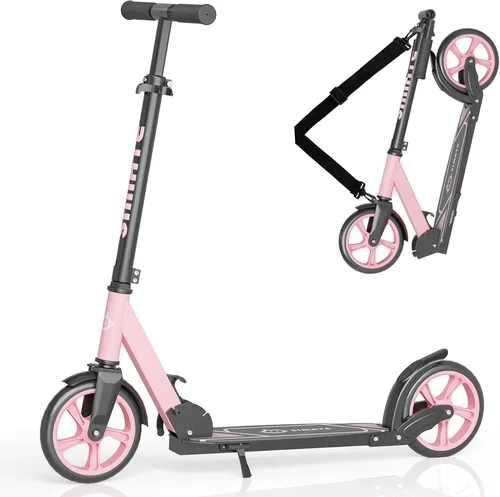
Electric scooters have evolved from quirky urban novelties into serious transportation solutions for adults. Whether you’re commuting to work, running errands around town, or simply exploring your city on two wheels, the right e-scooter can transform how you move through daily life. With advancements in battery technology, motor efficiency, and smart features, today’s models offer impressive range, speed, and reliability—making them a practical alternative to cars, buses, or even bicycles for many riders.
This comprehensive buying guide is designed to cut through the noise and help you make an informed decision. We’ll walk you through every critical factor—from budget considerations and performance specs to build quality, safety features, and after-sales support. By the end, you’ll know exactly what to look for based on your lifestyle, terrain, and riding goals. The e-scooter market in 2026 is more competitive than ever, with dozens of brands offering a wide spectrum of options. Our goal is to equip you with the knowledge to choose not just any scooter, but the right one for you.

What to Look for When Buying an E-Scooter
1. Budget & Price Range
Your budget is the foundation of your purchase decision. E-scooters for adults range from under $300 for basic commuter models to over $3,000 for high-performance or luxury machines. While it’s tempting to go for the cheapest option, remember that price often correlates with durability, safety, and long-term value. A $250 scooter might get you from point A to B—but it may struggle on hills, lack essential safety features like lights or suspension, and require frequent repairs.
Consider your total cost of ownership, not just the upfront price. Factor in potential maintenance, replacement parts (like tires or brakes), and even accessories such as locks, helmets, or phone mounts. If you plan to ride daily or over long distances, investing in a mid-range or premium model can save money and frustration down the line. Set a realistic budget that balances affordability with reliability—most experts recommend spending at least $500–$800 for a dependable daily rider.
2. Performance Specifications
Performance boils down to three core metrics: speed, range, and power. Top speed is important if you need to keep up with traffic or cover ground quickly, but most city commuters find 15–20 mph sufficient. Range—the distance you can travel on a single charge—is arguably more critical. Look for real-world range estimates, not just manufacturer claims, which are often tested under ideal conditions. A scooter advertised with “up to 30 miles” might only deliver 18–22 miles with a heavier rider or hilly terrain.
Motor power, measured in watts (W), determines how well your scooter handles inclines and accelerates. A 250W motor suits flat urban areas, but if you live in a hilly region, aim for at least 500W—or dual motors for serious climbs. Torque also matters: higher torque means quicker starts and better hill-climbing ability. Always check whether the motor is hub-mounted (integrated into the wheel) or belt-driven, as hub motors are generally quieter and require less maintenance.
3. Build Quality & Durability
An e-scooter is only as good as its construction. Look for frames made from aerospace-grade aluminum or reinforced steel—these materials offer strength without excessive weight. Check weld quality, hinge mechanisms (especially on folding models), and overall fit-and-finish. A well-built scooter should feel solid when you shake it; rattling or flexing indicates poor engineering.
Water resistance is another key durability factor. While no e-scooter is fully waterproof, many now carry IP ratings like IPX4 (splash-resistant) or IPX5 (water jet resistant). If you ride in rain or wet conditions, prioritize models with at least IPX4. Also examine tire type: solid rubber tires are puncture-proof but offer a rougher ride, while pneumatic (air-filled) tires provide better shock absorption but can go flat. Some premium models feature tubeless or self-sealing tires for added peace of mind.
4. Features & Functionality
Modern e-scooters come packed with features that enhance safety, convenience, and ride quality. Essential features include bright LED headlights and taillights (with brake-activated lighting), a clear digital display showing speed, battery level, and ride mode, and responsive braking systems—preferably disc brakes or regenerative braking for quick stops.
Advanced features worth considering include:
– Suspension: Front, rear, or dual suspension smooths out bumps and improves comfort on rough roads.
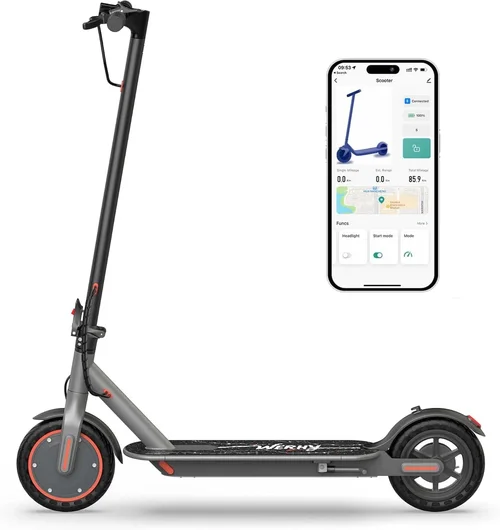
– App connectivity: Allows firmware updates, ride tracking, anti-theft alerts, and custom speed modes.
– Regenerative braking: Recovers energy during deceleration, slightly extending range.
– Multiple ride modes: Eco, normal, and sport modes let you balance speed and battery life.
– USB charging ports: Handy for topping up your phone on the go.
Don’t overlook ergonomics: adjustable handlebars, wide decks, and non-slip grip tape contribute significantly to comfort, especially on longer rides.
5. Brand Reputation
Not all e-scooter brands are created equal. Established names like Segway-Ninebot, Xiaomi, Apollo, and Unagi have built reputations for quality control, consistent performance, and reliable customer service. Lesser-known or generic brands may offer tempting prices, but they often cut corners on components, testing, and support.
Research brand history: How long have they been in the market? Do they specialize in micromobility, or is this a side product? Read professional reviews and user forums to spot recurring issues like battery degradation, motor failures, or poor warranty fulfillment. A reputable brand may cost more upfront but reduces the risk of ending up with a lemon.
6. Warranty & Support
A strong warranty is a sign of manufacturer confidence. Most reputable brands offer at least a 12-month limited warranty covering motors, batteries, and electronics. Some premium models include 18–24 months or even lifetime frame warranties. Pay attention to what’s covered: labor costs, shipping, and wear items (like tires or brake pads) are often excluded.
Customer support matters too. Can you easily reach a human via phone or chat? Are replacement parts readily available? Check if the company has local service centers or authorized repair shops. Avoid brands that only offer email support with slow response times—especially if you rely on your scooter for daily commuting.
7. Size & Portability
If you need to carry your scooter onto public transit, store it under a desk, or lift it upstairs, portability is crucial. Folding mechanisms should be quick, secure, and intuitive—look for one-hand operation and auto-lock features. Weight is a major factor: most adult e-scooters weigh between 25–45 lbs. Anything over 35 lbs becomes cumbersome for frequent lifting.
Deck size and handlebar height also affect usability. A wider deck (at least 6–7 inches) provides better foot placement and stability. Adjustable handlebars accommodate different rider heights. Consider wheel size too: 8–10 inch wheels offer a good balance of stability and portability, while larger wheels (10+ inches) handle cracks and potholes better but add bulk.
8. User Reviews & Ratings
Never rely solely on manufacturer specs or marketing claims. Real-world user reviews reveal how a scooter performs after weeks or months of use—highlighting issues like battery fade, brake wear, or app glitches that specs won’t show. Platforms like Amazon, Reddit (r/ElectricScooters), and specialized review sites (ElectricScooterInsider, ScooterGuide) offer honest feedback.
Look for patterns: if multiple users report the same problem (e.g., “motor failed after 3 months”), take note. Conversely, consistent praise for ride comfort or customer service is a strong positive signal. Be wary of reviews that seem overly promotional or lack detail—they may be fake. Aim for a mix of professional and consumer perspectives to get a balanced view.
Different Types of E-Scooters

Common Buying Mistakes to Avoid
❌ Mistake: Prioritizing Top Speed Over Real-World Usability
Why it’s bad: Scooters boasting 30+ mph speeds often sacrifice range, braking power, and stability. High speeds increase accident risk, especially for inexperienced riders, and may exceed legal limits in many cities (where 15–20 mph is typical).
What to do instead: Focus on balanced performance. A scooter with 18–22 mph top speed, strong brakes, and good acceleration will serve most riders better than a speed demon with poor handling.
❌ Mistake: Ignoring Local Laws and Regulations
Why it’s bad: Many municipalities restrict e-scooter speed, require helmets, ban riding on sidewalks, or limit where you can park. Buying a powerful scooter only to find it’s illegal in your area wastes money and creates legal risk.
What to do instead: Research your city or state’s micromobility laws before purchasing. Choose a scooter that complies with local speed and safety rules—many brands offer “street-legal” modes that cap speed automatically.
❌ Mistake: Overlooking Battery Type and Lifespan
Why it’s bad: Cheap lithium-ion batteries degrade quickly, losing 20–30% capacity within a year. Some budget models use lower-quality cells that overheat or fail prematurely.
What to do instead: Look for scooters with branded batteries (e.g., Samsung, LG) and check cycle life ratings (aim for 500+ full charges). Avoid models with non-removable batteries unless the brand offers easy replacement programs.
❌ Mistake: Skipping Safety Features
Why it’s bad: Riding without proper lighting, reflectors, or reliable brakes dramatically increases accident risk—especially at night or in low-visibility conditions.
What to do instead: Ensure your scooter has front and rear lights, side reflectors, and a loud horn or bell. Disc brakes or regenerative + foot brakes are preferable to drum-only systems.
❌ Mistake: Buying Based Solely on Price
Why it’s bad: The cheapest scooters often use flimsy materials, weak motors, and poor-quality electronics that lead to frequent breakdowns and safety hazards.
What to do instead: Treat your e-scooter like an investment. Spend enough to get proven reliability—most experts agree $600–$1,000 is the sweet spot for durable, feature-rich models.
❌ Mistake: Not Testing Before Buying
Why it’s bad: Comfort and handling vary widely between models. A scooter that looks great online might feel unstable, too heavy, or poorly balanced in person.
What to do instead: Visit local retailers or attend demo events if possible. If buying online, choose retailers with generous return policies (30-day trials are ideal).
❌ Mistake: Neglecting Maintenance Needs
Why it’s bad: E-scooters require regular upkeep—tire pressure checks, brake adjustments, and firmware updates. Ignoring maintenance shortens lifespan and compromises safety.
What to do instead: Learn basic maintenance or choose a brand with accessible service centers. Keep a simple toolkit handy for on-the-go adjustments.
Budget Guidelines: How Much Should You Spend?
Entry-Level ($200–$400): These scooters are best for light, occasional use—think weekend joyrides or short campus trips. Expect modest range (8–15 miles), basic motors (250–350W), and minimal features. Build quality varies widely; many use plastic components and lack suspension. Ideal for teens or secondary riders, but not recommended for daily commuting.
Mid-Range ($500–$1,000): This is the sweet spot for most adult buyers. Scooters in this tier offer reliable performance (15–25 mph, 15–30 mile range), solid aluminum frames, decent suspension, and essential safety features. Brands like Gotrax, Segway (ES series), and Xiaomi dominate here with good warranties and user-friendly designs. Perfect for urban commuters and regular riders.
Premium ($1,000–$2,000): Designed for enthusiasts and serious commuters, these models boast high-capacity batteries, powerful motors (500–1,000W), advanced suspension, and smart connectivity. Expect superior build quality, longer lifespans, and features like app control, regenerative braking, and premium tires. Great for hilly cities or long-distance travel.
Luxury ($2,000+): At this level, you’re paying for cutting-edge tech, bespoke design, and top-tier components. Think carbon fiber frames, dual motors, 40+ mile ranges, and integrated GPS tracking. Models like the Unagi Model One Elite or Apollo Phantom cater to professionals and tech lovers who value performance and aesthetics. Only necessary if you demand the absolute best.
Expert Tips for Getting the Best Deal
1. Time Your Purchase Around Sales Cycles: Major discounts typically occur during Black Friday, Cyber Monday, Amazon Prime Day, and end-of-season clearances (late summer/fall). Sign up for brand newsletters to get early access to promotions.
2. Buy Direct or From Authorized Retailers: Purchasing from the manufacturer’s website or certified dealers ensures warranty validity and access to genuine parts. Avoid third-party sellers on marketplaces unless they’re verified authorized resellers.
3. Look for Bundled Deals: Some brands offer starter kits including helmets, locks, phone mounts, or extended warranties at a discount. These can save $50–$100 compared to buying separately.
4. Check Return and Trial Policies: Opt for retailers offering at least a 14-day return window—30 days is ideal. This gives you time to test the scooter in real conditions and return it if it doesn’t meet expectations.
5. Consider Refurbished or Open-Box Models: Reputable sellers often offer certified refurbished e-scooters at 20–40% off retail. These units are inspected, repaired, and come with warranties—great for budget-conscious buyers who want premium features.
6. Read the Fine Print on Warranties: Understand what’s covered (and what’s not). Some brands void warranties if you modify the scooter or use non-approved chargers. Keep all receipts and register your product promptly.
7. Test Ride Whenever Possible: Visit local micromobility shops or attend community e-scooter events. Feeling the scooter’s weight, balance, and acceleration firsthand is invaluable.
8. Factor in Accessories from Day One: Budget for a U-lock ($30–$60), helmet ($40–$100), and possibly a phone mount or rear rack. These aren’t luxuries—they’re essentials for safe, practical riding.
Frequently Asked Questions
Q: How long do e-scooter batteries last?
A: Most lithium-ion batteries retain 80% capacity after 500–800 charge cycles, which typically translates to 2–4 years of daily use. Proper care—avoiding extreme temperatures, not draining to 0% regularly, and storing at 50% charge—can extend lifespan significantly.
Q: Can I ride my e-scooter in the rain?
A: It depends on the IP rating. Scooters with IPX4 can handle light splashes but shouldn’t be ridden in heavy rain. IPX5 models resist water jets and are safer for wet conditions—but never submerge the scooter or charge it while wet.
Q: Are e-scooters safe for adults?
A: Yes, when used responsibly. Always wear a helmet, follow traffic laws, avoid distracted riding, and maintain your scooter. Choose models with strong brakes, good lighting, and stable handling. Safety also depends on infrastructure—ride in bike lanes when available.
Q: How fast can adult e-scooters go?
A: Most commuter models max out at 15–20 mph. High-performance scooters reach 25–35 mph, while racing or off-road models can exceed 40 mph. Always check local speed limits—many cities cap e-scooter speeds at 15–20 mph.
Q: Do I need a license or insurance?
A: In most U.S. states and many countries, no license is required for low-speed e-scooters (under 20 mph). Insurance is rarely mandatory but recommended for high-value models. Check your local regulations.
Q: Can I take my e-scooter on public transit?
A: Many buses and trains allow folded e-scooters, but policies vary. Subway systems like NYC MTA and Chicago CTA permit them during off-peak hours. Always check ahead and be mindful of other passengers.
Q: What’s the difference between hub motors and belt drives?
A: Hub motors are integrated into the wheel, offering quiet, maintenance-free operation but less torque. Belt-driven systems use a motor connected via belt, providing more power and better hill-climbing—but require occasional belt replacement and are slightly noisier.
Q: How do I maintain my e-scooter?
A: Regularly check tire pressure (if pneumatic), tighten bolts, clean the deck and chain (if applicable), update firmware, and inspect brakes. Store in a dry place and charge before long storage.
Q: Can I upgrade my scooter’s battery or motor?
A: Generally not recommended. Most e-scooters are engineered as complete systems—modifying components can void warranties, cause instability, or create safety hazards. If you need more range or power, buy a better model.
Q: What should I do if my scooter breaks down?
A: First, consult the manual and troubleshooting guide. Contact customer support with your model number and photos of the issue. If under warranty, request repair or replacement. For out-of-warranty issues, seek authorized repair centers.
Our Final Recommendations
Best for Budget-Conscious Buyers: Gotrax G4 – At around $500, it delivers 20 mph top speed, 25-mile range, IPX4 rating, and a sturdy frame. Ideal for students and casual commuters who want reliability without overspending.
Best Overall Value: Segway Ninebot MAX G30LP – Priced near $800, it offers exceptional build quality, 40-mile range, self-healing tires, and top-tier safety features. A proven workhorse for daily urban travel.
Best Premium Option: Apollo Explore – With dual motors, 52V battery, 31-mile range, and full suspension, this $1,600 scooter handles hills and long distances with ease. Perfect for serious riders.
Best for Beginners: Xiaomi Mi Electric Scooter 4 Lite – Lightweight (26 lbs), intuitive controls, and a smooth ride make it ideal for first-time riders. Priced under $600, it’s a safe, user-friendly entry point.
Best for Advanced Users: Unagi Model One E500 – Dual 250W motors, sleek design, app integration, and premium materials justify its $1,200 price tag. Built for riders who demand performance and style.
Conclusion: Making the Right Choice
Choosing the best e-scooter for adults isn’t just about picking the fastest or flashiest model—it’s about finding the right balance of performance, safety, durability, and value that matches your lifestyle. Whether you’re navigating crowded downtown streets, cruising along bike paths, or tackling steep hills, the right scooter can make your journey safer, faster, and more enjoyable.
Remember to prioritize your needs: if you commute daily, invest in range and reliability; if you’re a weekend explorer, comfort and portability may matter more. Don’t rush the decision—take time to research, compare, and ideally test ride before committing. And always ride responsibly: wear a helmet, follow local laws, and maintain your scooter regularly.
The e-scooter revolution is here to stay, and with the right knowledge, you can join it confidently. Use this guide as your roadmap, and you’ll be rolling smoothly toward a smarter, greener way to move.