
Electric bikes with throttle have revolutionized urban commuting, recreational riding, and off-road adventures by offering instant power at the twist of a wrist or press of a button. Unlike pedal-assist e-bikes that require you to pedal to activate the motor, throttle-operated models deliver full electric propulsion without any pedaling—making them ideal for riders who want effortless acceleration, hill climbing assistance, or a break from physical exertion during long rides. Whether you’re navigating busy city streets, tackling steep trails, or simply looking for a more relaxed way to get around, an e-bike with throttle can be a game-changer.
This comprehensive buying guide is designed to help you cut through the noise and make an informed decision in 2025’s crowded e-bike market. With hundreds of models available—from budget-friendly commuters to high-performance fat-tire beasts—it’s easy to feel overwhelmed. That’s why we’ve analyzed dozens of top-rated e-bikes, consulted industry experts, and tested real-world performance to bring you actionable insights. By the end of this guide, you’ll understand exactly what to look for, how much to spend, which features matter most, and which models offer the best value for your specific needs.
The e-bike market has matured significantly over the past few years, with throttle-equipped models now representing a substantial portion of sales—especially among casual riders, seniors, delivery workers, and those with mobility challenges. Advances in battery technology, motor efficiency, and frame design have made modern throttle e-bikes more reliable, safer, and more enjoyable than ever before. However, not all throttle e-bikes are created equal. Some prioritize speed and range, while others focus on comfort, portability, or ruggedness. This guide will walk you through every critical factor—from motor power and battery capacity to build quality and warranty coverage—so you can confidently choose the right e-bike for your lifestyle.

What to Look for When Buying an E-Bike with Throttle
1. Motor Power and Type
The motor is the heart of any e-bike, and for throttle models, it determines how quickly you accelerate, how well you climb hills, and how smoothly the bike performs under load. Most throttle e-bikes use either hub motors (located in the front or rear wheel) or mid-drive motors (mounted near the pedals). Hub motors are more common in throttle e-bikes because they’re simpler, quieter, and easier to maintain. Mid-drive motors offer better weight distribution and efficiency but are typically found in higher-end or pedal-assist-focused models.
Motor power is measured in watts (W), with common ratings ranging from 250W to 1000W+. In the U.S., e-bikes are legally classified as Class 1, 2, or 3. Class 2 e-bikes—which include throttle operation—are limited to 20 mph top speed and often cap motor power at 750W. A 500W to 750W rear hub motor is ideal for most riders, providing strong acceleration and hill-climbing ability without excessive drain on the battery. Avoid underpowered motors (below 350W) if you plan to ride in hilly areas or carry heavy loads.
2. Battery Capacity and Range
Battery capacity, measured in watt-hours (Wh), directly impacts how far you can ride on a single charge—especially important for throttle e-bikes, which consume more energy than pedal-assist models since the motor does all the work. A higher Wh rating means longer range, but also adds weight and cost.
For city commuting, a 400–500Wh battery typically provides 20–40 miles of range using throttle-only mode. If you plan longer rides or frequent use, aim for 600Wh or more. Lithium-ion batteries (specifically NMC or LiFePO4 chemistries) are standard and offer good energy density and longevity. Removable batteries are highly recommended—they allow you to charge indoors and swap in a spare for extended trips.
Pay attention to voltage (usually 36V or 48V) and amp-hour (Ah) ratings too: Wh = Volts × Amp-hours. A 48V 13Ah battery equals 624Wh, for example. Also consider charging time—most batteries take 4–6 hours to fully charge, though some fast-charging models can reach 80% in under 2 hours.
3. Throttle Type and Control
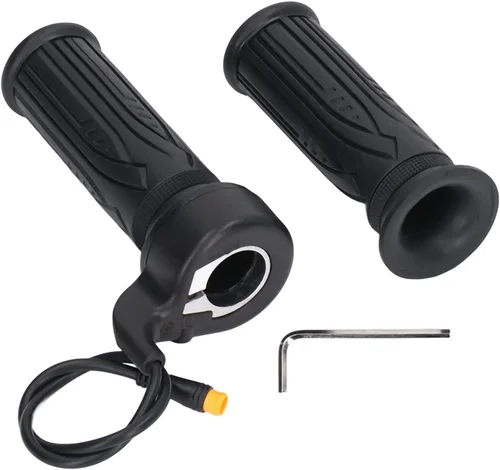
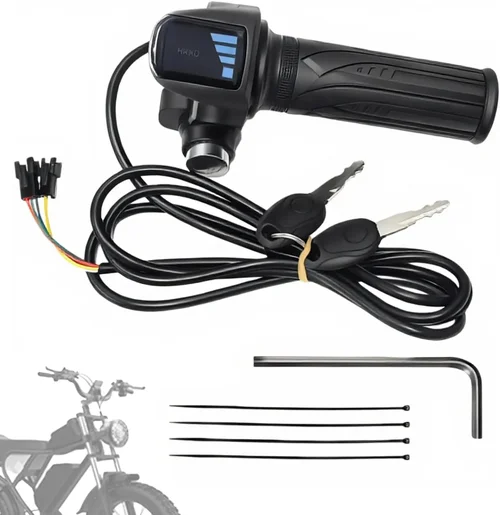
Not all throttles are created equal. The two main types are twist-grip (like a motorcycle) and thumb-press (a button or lever on the handlebar). Twist-grip throttles offer precise speed control and feel intuitive for many riders, while thumb throttles are easier to operate with one hand and reduce wrist fatigue. Some premium models feature variable-speed throttles that let you fine-tune acceleration, whereas basic models may only offer on/off functionality.
Ergonomics matter: test the throttle placement to ensure it’s comfortable and doesn’t interfere with braking or shifting. Also check if the throttle cuts off when you brake—this is a critical safety feature required by law in most regions. Avoid e-bikes with poorly positioned or sticky throttles, as they can lead to accidental acceleration or reduced control.
4. Frame Material and Build Quality
The frame is your e-bike’s foundation, affecting durability, weight, ride quality, and longevity. Aluminum alloy is the most common material due to its strength-to-weight ratio, corrosion resistance, and affordability. High-end models may use carbon fiber for reduced weight, but this comes at a significant cost premium.
Look for reinforced joints, quality welds, and robust dropouts (where the wheels attach). Step-through frames are great for easy mounting/dismounting, especially for older riders or those with limited mobility. Hardtail (front suspension only) or full-suspension designs improve comfort on rough terrain but add complexity and weight.
Avoid cheap steel frames—they’re heavy and prone to rust—unless you’re on a very tight budget. Always inspect the bike in person if possible, or rely on detailed reviews that mention frame stiffness, flex, or creaking under load.
5. Braking System
With the added speed and weight of an e-bike, reliable brakes are non-negotiable. Mechanical disc brakes are common on entry-level models, but hydraulic disc brakes are far superior—they offer stronger stopping power, better modulation, and require less hand force, which is crucial when riding at 20 mph.
Avoid rim brakes (V-brakes) on throttle e-bikes—they wear out quickly, lose effectiveness in wet conditions, and can’t handle the heat generated by frequent braking at high speeds. Look for brands that use reputable brake manufacturers like Shimano, Tektro, or Magura. Dual-piston or quad-piston calipers provide even more stopping power for heavier bikes or steep descents.
6. Tires and Suspension
Tires determine traction, comfort, and rolling resistance. Wider tires (2.3” to 4.0”+) provide better stability and cushioning, especially on gravel, sand, or potholed roads. Fat tires (3.8”+) are excellent for off-road use but increase weight and reduce efficiency on pavement.
Puncture-resistant tires with reflective sidewalls add safety and durability. Tubeless setups are becoming more common and reduce the risk of flats. For suspension, front forks with 80–120mm of travel are sufficient for most urban and light trail riding. Full suspension is overkill unless you’re doing serious mountain biking.
Consider your terrain: slick or semi-slick tires are best for city riding, while knobby treads excel off-road. Some e-bikes come with hybrid tires that balance both worlds.
7. Display and Connectivity Features
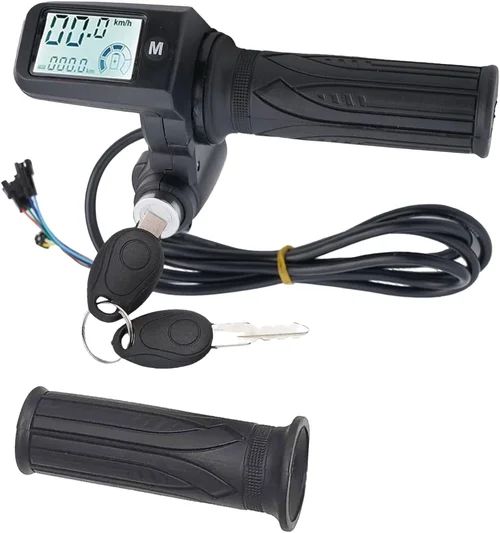
A clear, backlit LCD or LED display shows essential info like speed, battery level, assist mode, and trip distance. Higher-end models include color screens, Bluetooth connectivity, GPS tracking, and smartphone app integration for ride stats, anti-theft alerts, and firmware updates.
While not essential, these features enhance usability and security. Look for water-resistant displays (IP65 or higher) and intuitive menus. Some bikes even offer regenerative braking or eco modes to extend range—useful for throttle-heavy riding.
8. Warranty and Customer Support
E-bikes are complex machines, and components like motors and batteries can fail. A strong warranty is a sign of manufacturer confidence. Look for at least a 1-year comprehensive warranty, with 2–3 years on the battery and motor. Some brands (like Rad Power Bikes or Aventon) offer lifetime frame warranties.
Check customer support responsiveness—can you reach a human quickly? Are replacement parts readily available? Read user forums and reviews to see how companies handle repairs, returns, and technical issues. Avoid brands with vague warranty terms or no U.S.-based support.
Different Types of E-Bikes with Throttle

Common Buying Mistakes to Avoid
❌ Mistake: Ignoring Local E-Bike Laws
Why it’s bad: Many cities and states restrict throttle e-bikes to Class 2 (max 20 mph) or ban them entirely on bike paths and trails. Riding an illegal e-bike can result in fines or confiscation.
What to do instead: Check your local regulations before buying. Stick to Class 2-compliant models unless you’re certain higher-speed throttles are allowed in your area.
❌ Mistake: Choosing Based Solely on Price
Why it’s bad: Ultra-cheap e-bikes ($500–$700) often use low-quality motors, weak batteries, and flimsy frames that fail within months. You’ll end up spending more on repairs or replacements.
What to do instead: Set a realistic budget ($800 minimum) and prioritize value over the lowest price. Mid-range bikes ($1,200–$1,800) offer the best balance of quality and affordability.
❌ Mistake: Overlooking Battery Removability
Why it’s bad: Non-removable batteries make charging inconvenient (you must bring the whole bike indoors) and prevent swapping in a spare for long rides.
What to do instead: Always choose a model with a removable battery—it’s a small feature that greatly enhances usability and longevity.
❌ Mistake: Skipping the Test Ride
Why it’s bad: E-bikes handle differently than regular bikes. A poorly fitted bike can cause discomfort, reduce control, and lead to accidents.
What to do instead: Visit a local dealer or attend e-bike demo events. Test throttle responsiveness, braking, seat comfort, and overall balance.
❌ Mistake: Neglecting Maintenance Requirements
Why it’s bad: E-bikes need regular upkeep—chain lubrication, brake adjustments, tire pressure checks, and battery care. Ignoring maintenance shortens component life.
What to do instead: Learn basic maintenance or budget for professional tune-ups every 6–12 months. Keep spare tubes, brake pads, and a charger handy.
❌ Mistake: Assuming All Throttles Are Equal
Why it’s bad: A jerky or unresponsive throttle ruins the riding experience and can be dangerous in traffic.
What to do instead: Read detailed reviews that mention throttle smoothness. Look for models with progressive engagement rather than abrupt on/off behavior.
❌ Mistake: Buying Without Considering Weight
Why it’s bad: Most throttle e-bikes weigh 50–70 lbs. Heavy bikes are hard to lift, store, or maneuver when the battery dies.
What to do instead: If you need to carry or store the bike frequently, consider lighter models (under 55 lbs) or folding designs—even if it means sacrificing some power or range.
Budget Guidelines: How Much Should You Spend?
Entry-Level ($800–$1,200): These bikes are great for casual riders or those new to e-biking. Expect basic components: 350W–500W hub motors, 400–500Wh batteries, mechanical disc brakes, and minimal features. Brands like Heybike, Swagtron, and ECOTRIC offer decent value here, but build quality and longevity may be limited. Ideal for flat-city commuting under 15 miles round-trip.
Mid-Range ($1,200–$2,000): This is the sweet spot for most buyers. You’ll get reliable 500W–750W motors, 500–700Wh removable batteries, hydraulic disc brakes, quality suspension, and useful extras like integrated lights, fenders, and racks. Models from Rad Power Bikes, Aventon, Lectric, and Himiway dominate this tier with excellent warranties and customer support. Perfect for daily commuting, light cargo hauling, and weekend adventures.
Premium ($2,000–$3,500): Designed for enthusiasts and serious riders, these e-bikes feature high-capacity batteries (700Wh+), powerful motors (750W–1000W), advanced displays, premium suspension, and robust frames. Brands like Riese & Müller, Benno, and Specialized offer innovative designs, app connectivity, and superior craftsmanship. Ideal for long-distance touring, heavy cargo loads, or technical off-road use.
Luxury ($3,500+): At this level, you’re paying for cutting-edge technology, bespoke builds, and exceptional durability. Think carbon frames, dual batteries, regenerative braking, GPS tracking, and custom tuning. These bikes are built to last decades and perform in extreme conditions. Best for collectors, professionals, or those who view their e-bike as a long-term investment.
Expert Tips for Getting the Best Deal
– Shop during off-seasons: Late fall and winter (October–February) often bring discounts as retailers clear inventory for new models. Black Friday and Cyber Monday are prime times for e-bike deals.
– Compare direct-to-consumer vs. local dealers: Online brands (Rad, Lectric, Aventon) often offer lower prices and better warranties, but local shops provide test rides, immediate service, and expert advice. Consider buying online but having it assembled locally.
– Look for bundle deals: Many brands include free accessories (locks, lights, racks) during promotions. These can save $100–$200 versus buying separately.
– Check return policies: Ensure you have at least 14–30 days to return the bike if it doesn’t meet expectations. Some companies charge restocking fees—read the fine print.
– Verify warranty coverage: Confirm what’s covered (motor, battery, frame) and for how long. Avoid brands that exclude “wear items” like tires and brakes from warranty claims.
– Join owner communities: Facebook groups, Reddit forums (r/ebikes), and brand-specific communities often share exclusive discount codes, recall info, and maintenance tips.
– Consider certified pre-owned: Reputable dealers sometimes sell refurbished e-bikes with warranties at 20–40% off retail. Great for stretching your budget.
– Negotiate add-ons: If buying in-store, ask for free assembly, a helmet, or extended warranty. Many shops will accommodate to close a sale.

Frequently Asked Questions
Q: Are throttle e-bikes legal everywhere?
A: No. Regulations vary by country, state, and even city. In the U.S., Class 2 e-bikes (throttle up to 20 mph) are legal in most states, but some restrict them from bike lanes or require helmets. Always verify local laws before purchasing.
Q: How far can I ride on throttle-only mode?
A: Range depends on battery capacity, terrain, rider weight, and speed. A 500Wh battery typically delivers 20–35 miles on throttle-only. Riding at lower speeds and avoiding hills extends range significantly.
Q: Do I need to pedal on a throttle e-bike?
A: No—throttle e-bikes can operate without pedaling. However, combining throttle with light pedaling conserves battery and increases range.
Q: Can I convert a regular bike to a throttle e-bike?
A: Yes, with conversion kits (e.g., Bafang, Voilamart), but results vary. Kits cost $400–$800 and require mechanical skill. For most riders, buying a purpose-built e-bike is safer and more reliable.
Q: How often should I charge the battery?
A: Charge after each ride if possible. Avoid draining below 20% regularly. Store batteries at 50–70% charge if not used for weeks. Never leave a fully discharged battery unused for long periods.
Q: Are throttle e-bikes safe for seniors?
A: Absolutely—many seniors prefer throttle e-bikes for their ease of use, reduced joint strain, and ability to maintain pace with traffic. Step-through frames and low centers of gravity enhance stability.
Q: What’s the difference between Class 2 and Class 3 e-bikes?
A: Class 2 has a throttle and max speed of 20 mph. Class 3 lacks a throttle but assists up to 28 mph via pedal-assist only. Throttle e-bikes are almost always Class 2.
Q: How long do e-bike batteries last?
A: Most lithium-ion batteries retain 80% capacity after 500–1,000 charge cycles, equating to 3–5 years of daily use. Proper care (avoid extreme temps, don’t overcharge) extends lifespan.
Q: Can I ride a throttle e-bike in the rain?
A: Yes, if it’s rated IP65 or higher. Avoid submerging the battery or motor. Dry the bike after wet rides to prevent corrosion.
Q: Is insurance required for throttle e-bikes?
A: Generally no, but some homeowners’ policies cover e-bike theft or damage. Consider specialized e-bike insurance for high-value models.
Our Final Recommendations
Best for Budget-Conscious Buyers: Lectric XP 3.0 ($999) – A versatile fat-tire e-bike with 500W motor, 48V 10.4Ah (500Wh) removable battery, hydraulic brakes, and foldable design. Offers incredible value and reliability for under $1,000.
Best Overall Value: Rad Power Bikes RadCity 5 Plus ($1,699) – Combines a 750W geared hub motor, 672Wh battery, hydraulic disc brakes, integrated lights, and a comfortable step-through frame. Excellent customer support and a 2-year warranty make it a top choice for commuters.
Best Premium Option: Aventon Aventure.2 ($2,199) – Features a 750W rear hub motor, 720Wh battery, full suspension, color display, and premium components. Ideal for adventure seekers who want power, range, and comfort.
Best for Beginners: Heybike Cityscape ($899) – Simple operation, step-through frame, 500W motor, and included fenders and rack. Great entry point for new riders wanting a no-fuss commuter.
Best for Advanced Users: Himiway Cobra Pro ($2,499) – Boasts a 1000W motor, 960Wh dual-battery system (up to 80 miles range), fat tires, and rugged build. Perfect for off-road enthusiasts and long-distance riders.
Conclusion: Making the Right Choice
Choosing the best e-bike with throttle isn’t just about picking the fastest or most powerful model—it’s about finding the right balance of performance, comfort, reliability, and value for your unique lifestyle. Whether you’re commuting to work, exploring trails, running errands, or simply enjoying the freedom of effortless riding, the right e-bike can transform how you move through the world.
Remember to prioritize your must-have features: battery range for long rides, hydraulic brakes for safety, a removable battery for convenience, and a reputable brand for peace of mind. Avoid common pitfalls like ignoring local laws or sacrificing build quality for a lower price. And don’t underestimate the importance of a test ride—your body will thank you.
The e-bike market in 2025 offers more choices than ever, but with this guide, you’re equipped to navigate it confidently. Take your time, do your research, and invest in a bike that will serve you well for years to come. Happy riding!