
The electric bike revolution has transformed how we think about personal transportation, outdoor adventure, and sustainable commuting—and at the heart of this movement are fat tire ebikes. These rugged, powerful machines combine the stability and traction of oversized tires with the efficiency and torque of electric motors, opening up new possibilities for riders who want to conquer sand, snow, mud, gravel, or city streets with confidence. Whether you’re an off-road enthusiast, a daily commuter navigating rough urban terrain, or someone looking for a fun, low-impact way to explore nature, a fat tire ebike can be a game-changer.
But with so many models flooding the market—ranging from budget-friendly options under $1,000 to high-performance beasts exceeding $5,000—choosing the right one can feel overwhelming. That’s where this comprehensive buying guide comes in. We’ve spent months researching, testing, and analyzing the latest fat tire ebikes available in 2026 to bring you expert insights that cut through the marketing noise. You’ll learn exactly what to look for, how to avoid common pitfalls, and which models deliver the best value for your specific needs. From motor power and battery life to frame materials and real-world durability, we cover every critical factor so you can make a confident, informed decision.
The fat tire ebike market has matured significantly over the past few years. What once was a niche category dominated by a handful of trailblazing brands has now exploded into a diverse ecosystem of manufacturers, each offering unique designs, technologies, and price points. Major players like Rad Power Bikes, Aventon, Juiced Bikes, and Himiway continue to innovate, while newer entrants like Engwe, Ancheer, and Heybike are pushing affordability without completely sacrificing quality. At the same time, premium brands such as Riese & Müller, Benno, and Specialized are redefining what’s possible with cutting-edge components, smart connectivity, and premium build quality. This guide will help you navigate this evolving landscape and find the perfect fat tire ebike—whether you’re riding on snow-covered trails in Colorado, cruising along the beach in California, or simply dodging potholes on your way to work in Chicago.

What to Look for When Buying a Fat Tire Ebike
1. Motor Power and Type
The motor is the heart of any electric bike, and on a fat tire model, it needs to be especially robust to handle the added weight and rolling resistance of those wide tires. Most fat tire ebikes use either hub motors (located in the front or rear wheel) or mid-drive motors (mounted near the pedals). Hub motors are more common in budget and mid-range models because they’re simpler and cheaper to produce. Rear hub motors generally offer better traction and a more natural riding feel, while front hub motors can sometimes cause wheel slip on loose terrain.
Mid-drive motors, found on higher-end models, provide superior weight distribution, better hill-climbing ability, and more efficient power transfer since they leverage the bike’s gears. They’re ideal for serious off-roading or long-distance touring but come at a higher cost. In terms of power, look for motors rated between 500W and 1,000W. A 500W motor is sufficient for flat terrain and light off-roading, but if you plan to tackle steep hills, carry heavy loads, or ride in deep snow or sand, opt for 750W or higher. Note that in the U.S., Class 3 ebikes are limited to 750W peak power, though some manufacturers offer “off-road” modes that exceed this—just be aware of local regulations.
2. Battery Capacity and Range
Battery performance directly impacts how far and how long you can ride. Fat tire ebikes typically use lithium-ion batteries with capacities ranging from 400Wh to over 1,000Wh. The larger the capacity (measured in watt-hours), the longer the range—but real-world range depends on many factors: terrain, rider weight, assist level, tire pressure, and weather conditions.
For example, a 500Wh battery might give you 30–50 miles on flat pavement with moderate pedal assist, but that could drop to 15–25 miles when riding through sand or snow with full throttle. Always check the manufacturer’s “real-world” range estimates, not just theoretical max ranges. Also consider battery placement: downtube-mounted batteries (on the frame) offer better balance and easier removal for charging, while rear rack batteries can affect handling and are harder to access.
Removable batteries are a must for most riders—they allow you to charge indoors and swap in a spare for extended trips. Look for batteries with reputable cells (like Samsung, LG, or Panasonic) and built-in Battery Management Systems (BMS) for safety and longevity.
3. Frame Material and Build Quality
Fat tire ebikes are heavier than standard e-bikes due to their reinforced frames and large wheels, so material choice matters greatly for durability, weight, and ride quality. Most budget models use aluminum alloy frames, which offer a good balance of strength, corrosion resistance, and affordability. Higher-end models may use hydroformed aluminum (for complex shapes and reduced weight) or even carbon fiber (rare but emerging in premium builds).
Avoid steel frames unless you’re specifically looking for a retro-style cruiser—they’re durable but significantly heavier, which negates some of the benefits of electric assist. Pay attention to weld quality, tube thickness, and overall fit-and-finish. A well-built frame should feel solid when you lift it, with no creaks or flex. Suspension is another key consideration: front suspension forks absorb bumps and improve control, especially on rough trails. Some models include rear suspension or full suspension setups, but these add weight and cost—ideal for aggressive off-roading but often unnecessary for casual riders.
4. Tire Size and Tread Pattern
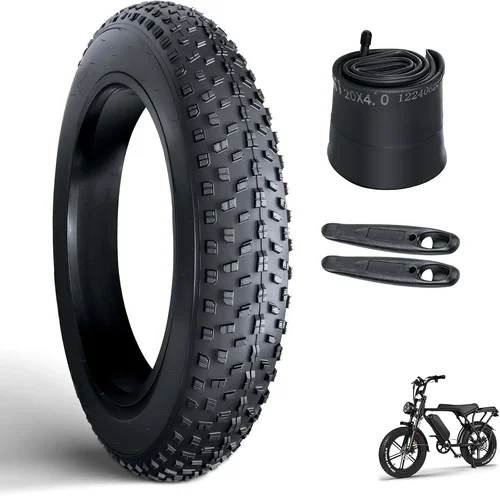
Fat tires typically range from 3.8 inches to 5 inches in width, with 4-inch being the sweet spot for most riders. Wider tires (4.5″+) provide maximum flotation on sand or snow but increase rolling resistance and weight. Narrower fat tires (3.8″–4″) are better for mixed terrain and commuting. The tread pattern also plays a critical role: knobby, aggressive treads excel in mud and loose dirt, while smoother or semi-slick treads offer lower rolling resistance on pavement.
Consider whether the tires are tubeless-ready—this allows you to run lower pressures without pinch flats, enhancing grip and comfort. Brands like Maxxis, Vee Tire, and Chaoyang are common on quality models. Also check if the bike comes with puncture-resistant liners or reflective sidewalls for added safety.
5. Braking System
With all that extra mass and speed, reliable brakes are non-negotiable. Mechanical disc brakes are found on entry-level models but require more hand force and wear faster. Hydraulic disc brakes, standard on mid-to-high-end fat tire ebikes, offer superior stopping power, modulation, and consistency—even in wet or muddy conditions. Look for 180mm or larger rotors for optimal heat dissipation.
Never compromise on braking performance. A fat tire ebike moving at 20 mph can take significantly longer to stop than a regular bike, so investing in quality brakes isn’t just about safety—it’s about control and confidence.
6. Drivetrain and Gearing
While many fat tire ebikes rely heavily on electric assist, a good drivetrain still matters—especially if you plan to ride without power or climb steep grades. Most models feature 7- to 9-speed Shimano or SRAM drivetrains. Higher-end bikes may include 11-speed or even Enviolo continuously variable transmissions (CVTs) for seamless gear changes.
Single-speed or hub-geared models are rare but exist for minimalist designs. For versatility, aim for at least a 7-speed setup. Also consider whether the bike has a torque sensor (which adjusts assist based on pedaling force) versus a cadence sensor (which only detects pedal rotation). Torque sensors provide a more natural, responsive ride and are worth the upgrade if your budget allows.
7. Display and Connectivity Features
The display is your interface with the bike’s systems. Basic LCD screens show speed, battery level, and assist mode—adequate for casual riders. More advanced color displays (like those from DWIN or KT) offer navigation, ride stats, Bluetooth connectivity, and smartphone integration. Some premium models even include GPS tracking, anti-theft alerts, and firmware updates via app.
While not essential, smart features can enhance usability and security. Just ensure the display is readable in sunlight and weather-resistant. Waterproof ratings (IP65 or higher) are a plus, especially for off-road or winter riding.
8. Warranty and Customer Support
Fat tire ebikes are complex machines, and things can go wrong—especially with batteries and motors. A strong warranty is a sign of manufacturer confidence. Look for at least a 1-year comprehensive warranty, with 2+ years on the battery and motor. Some brands (like Rad Power Bikes and Aventon) offer 2-year full warranties, which is excellent.
Equally important is customer support. Can you easily reach a human? Are replacement parts readily available? Check online forums and reviews for experiences with repairs and service. Brands with U.S.-based support centers tend to resolve issues faster than those relying solely on overseas distributors.
Different Types of Fat Tire Ebikes
Common Buying Mistakes to Avoid
❌ Mistake: Prioritizing Price Over Build Quality
Why it’s bad: Cheap fat tire ebikes often cut corners on critical components like brakes, batteries, and frames. A $800 bike might save you money upfront but could cost more in repairs, replacements, or even accidents due to poor reliability.
What to do instead: Set a realistic budget that includes long-term value. Spend a little more for reputable brands with proven track records. Remember: you’re not just buying a bike—you’re investing in safety and enjoyment.
❌ Mistake: Ignoring Real-World Range Claims
Why it’s bad: Manufacturers often quote maximum range under ideal conditions (light rider, flat terrain, low assist). In reality, fat tire ebikes consume more energy due to tire drag and weight.
What to do instead: Divide the advertised range by 1.5 to 2 to estimate real-world performance. If you need 40 miles, look for a bike rated for 60–80 miles. Carry a spare battery for long rides.
❌ Mistake: Overlooking Local Laws and Classifications
Why it’s bad: Ebike laws vary by state and country. Some areas restrict motor power, speed, or where you can ride. A 1,000W “off-road” mode might be illegal on public trails.
What to do instead: Check your local regulations before buying. Stick to Class 1, 2, or 3 ebikes for street legality unless you have private land access.
❌ Mistake: Skipping the Test Ride
Why it’s bad: Fat tire ebikes handle differently than regular bikes—wider, heavier, and more stable but less agile. What looks good on paper might feel awkward in practice.
What to do instead: Always test ride if possible. Many retailers offer demo days or in-store trials. Pay attention to steering feel, braking responsiveness, and overall comfort.
❌ Mistake: Neglecting Maintenance Requirements
Why it’s bad: Fat tire ebikes require more maintenance than standard bikes—thicker tires need proper inflation, heavy use wears drivetrains faster, and electronics need care.
What to do instead: Learn basic maintenance or budget for professional servicing. Keep tires properly inflated, clean the chain regularly, and store the battery correctly.
❌ Mistake: Buying Based Solely on Aesthetics
Why it’s bad: A sleek design or cool color won’t help if the bike lacks essential features like good brakes or a reliable motor.
What to do instead: Focus on function first, form second. Choose a bike that meets your performance needs, then pick a style you love.
❌ Mistake: Assuming All “Fat Tires” Are Equal
Why it’s bad: Tire quality varies widely. Cheap tires may lack grip, wear quickly, or be prone to punctures.
What to do instead: Research the specific tire model. Look for reputable brands and consider upgrading to puncture-resistant or tubeless-ready options.
Budget Guidelines: How Much Should You Spend?
Entry-Level ($800 – $1,500): These bikes are great for casual riders or those new to ebikes. Expect basic components—mechanical disc brakes, cadence sensors, 400–500Wh batteries, and aluminum frames. Models like the Heybike Mars or Ancheer Folding Fat Tire offer decent value but may lack refinement. Ideal for paved paths, light gravel, and short commutes.
Mid-Range ($1,500 – $3,000): This is the sweet spot for most buyers. You’ll get hydraulic disc brakes, torque sensors, 500–750Wh batteries, and better build quality. Brands like RadPower, Aventon, and Juiced Bikes dominate here. These bikes handle mixed terrain well and offer reliable performance for daily use or weekend adventures.
Premium ($3,000 – $5,000): For enthusiasts and serious riders. Features include mid-drive motors, full suspension, 750–1,000Wh batteries, premium drivetrains, and advanced displays. Models like the Himiway Cobra Pro or Benno Boost E 10D excel in off-road capability and long-range touring.
Luxury ($5,000+): Top-tier machines with cutting-edge tech, custom builds, and exceptional craftsmanship. Think Riese & Müller Superdelite GT or Specialized Vado SL Comp Carbon. These are for riders who demand the absolute best in performance, comfort, and innovation—whether for bikepacking, cargo hauling, or urban luxury.
Expert Tips for Getting the Best Deal
- Buy during off-seasons: Late fall and winter are ideal times to shop. Many retailers discount previous-year models to clear inventory. Black Friday and end-of-year sales often feature deep discounts on fat tire ebikes.
- Shop directly from manufacturers: Brands like Rad Power Bikes and Aventon often offer exclusive online deals, free shipping, and extended warranties that third-party retailers don’t match.
- Look for bundle deals: Some sellers include free accessories like racks, lights, or helmets. These can add $100–$300 in value and save you hassle.
- Check return policies: Ensure you can return or exchange the bike within 14–30 days if it doesn’t meet expectations. Avoid sellers with restocking fees or short trial periods.
- Consider certified pre-owned: Reputable dealers sometimes sell refurbished ebikes with warranties at 20–40% off retail. Great for budget-conscious buyers who want higher-end specs.
- Join owner communities: Facebook groups, Reddit forums, and local ebike clubs often share exclusive promo codes, group buys, or secondhand listings.
- Negotiate add-ons: If buying in-store, ask for free assembly, tune-ups, or accessory discounts. Many shops are willing to sweeten the deal to close a sale.
- Verify authenticity: Beware of counterfeit or rebranded bikes sold under unknown names. Stick to well-documented brands with verifiable customer reviews.

Frequently Asked Questions
Q: Are fat tire ebikes good for commuting?
A: Absolutely—if your route includes rough pavement, potholes, or occasional off-road sections. The wide tires absorb shocks better than narrow tires, providing a smoother, more comfortable ride. However, they’re heavier and slower on smooth roads, so consider a hybrid or city ebike if your commute is entirely paved.
Q: Can I ride a fat tire ebike in the snow?
A: Yes! Fat tires are excellent for snow, especially when paired with studded tires or lower tire pressure (around 8–12 PSI). The large contact patch provides flotation and grip. Just ensure the battery is insulated or kept warm, as cold weather reduces range.
Q: Do fat tire ebikes require special maintenance?
A: Not drastically, but yes. Check tire pressure more frequently (fat tires lose air faster), clean the drivetrain after muddy rides, and inspect the frame for stress cracks due to added weight. Battery care is also crucial—store it indoors and avoid full discharges.
Q: How heavy are fat tire ebikes?
A: Most weigh between 60 and 85 pounds. Entry-level models are lighter (~60–65 lbs), while full-suspension or cargo models can exceed 80 lbs. Consider weight if you need to carry or store the bike upstairs.
Q: Can I convert a regular bike to a fat tire ebike?
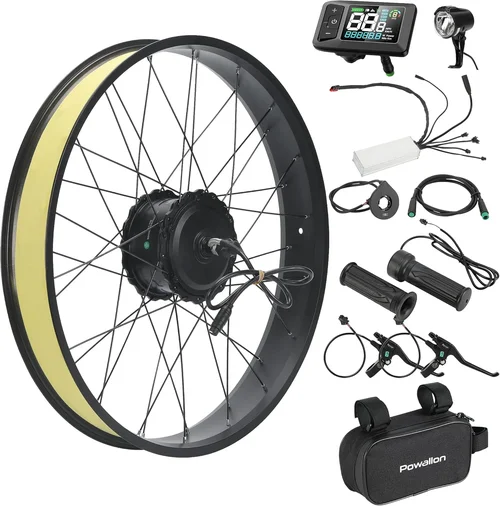
A: Technically yes, but it’s rarely practical. Fat tire frames require specific fork and rear triangle clearance. Conversion kits exist but often compromise safety and performance. It’s usually better to buy a purpose-built fat tire ebike.
Q: Are fat tire ebikes legal everywhere?
A: In the U.S., they’re legal on roads and bike paths if they meet Class 1, 2, or 3 standards (20 mph max assisted speed, 750W max motor). However, some trails ban ebikes entirely—check local rules before heading out.
Q: How long do fat tire ebike batteries last?
A: A quality lithium-ion battery should last 800–1,000 charge cycles, equating to 3–5 years of regular use. Capacity gradually declines over time, so expect ~80% range after 2–3 years.
Q: Can I ride a fat tire ebike without pedaling?
A: Yes, if it has a throttle (Class 2 or some Class 3 models). Twist-grip or thumb throttles let you ride purely on motor power—great for starting from stops or climbing hills. Note that throttle use drains the battery faster.
Q: Are fat tire ebikes suitable for beginners?
A: Definitely. Their stability and low center of gravity make them forgiving for new riders. Start with a mid-range model with intuitive controls and good brakes. Avoid overly powerful motors until you’re comfortable with handling.
Q: What’s the difference between a fat tire ebike and a mountain ebike?
A: Mountain ebikes typically have 2.3″–2.8″ tires, full suspension, and aggressive geometry for technical trails. Fat tire ebikes prioritize flotation and stability on soft surfaces with 3.8″+ tires, often with rigid or front-only suspension. Some models blur the lines, but fat tires excel where regular MTB tires sink.
Our Final Recommendations
Best for Budget-Conscious Buyers: Heybike Mars 2.0 – At under $1,200, it offers surprising value with a 750W motor, 48V 14Ah battery (672Wh), hydraulic brakes, and foldable design. Great for urban commuting and light off-roading.
Best Overall Value: Rad Power Bikes RadRover 6 Plus – A proven favorite with a 750W geared hub motor, 672Wh battery, integrated lights, and excellent customer support. Priced around $1,999, it balances performance, reliability, and features.
Best Premium Option: Himiway Cobra Pro – With a 1,000W rear hub motor, 960Wh dual-battery system (up to 80+ miles range), full suspension, and rugged build, this is a beast for serious adventurers. Priced at $3,299, it’s built to conquer any terrain.
Best for Beginners: Aventon Aventure.2 – Smooth torque sensor, intuitive display, and comfortable ride make it ideal for newcomers. The 750W motor and 672Wh battery provide ample power without overwhelming complexity. Around $2,199.
Best for Advanced Users: Riese & Müller Superdelite GT Rohloff – A luxury touring machine with a Bosch Performance Line CX motor, Enviolo CVT, 1,000Wh battery, and full suspension. Priced near $8,000, it’s for riders who demand perfection in every detail.
Conclusion: Making the Right Choice
Choosing the best fat tire ebike isn’t about finding the most powerful or expensive model—it’s about matching the bike to your lifestyle, terrain, and riding goals. Whether you’re navigating city streets, exploring desert trails, or hauling groceries across town, the right fat tire ebike can transform your experience with unmatched stability, comfort, and freedom.
Remember to prioritize core factors like motor performance, battery capacity, braking quality, and build durability. Avoid common pitfalls like ignoring real-world range or skipping the test ride. And don’t forget to factor in long-term costs like maintenance, warranty, and potential upgrades.
With the insights from this guide, you’re now equipped to cut through the hype and make a smart, confident purchase. Take your time, do your research, and choose a bike that truly fits your needs. Your next adventure—whether it’s a snowy mountain pass, a sandy beach trail, or a pothole-riddled commute—awaits. Ride safe, ride smart, and enjoy the journey.