
Electric scooters have evolved from novelty gadgets into serious transportation solutions. In 2026, the e-scooter market is more competitive and sophisticated than ever, offering options for commuters, students, urban explorers, and even off-road adventurers. Whether you’re looking to reduce your carbon footprint, avoid traffic jams, or simply enjoy a fun and efficient way to get around, choosing the right e-scooter can make all the difference. With hundreds of models flooding the market—from budget-friendly entry-level rides to high-performance machines with advanced tech—it’s easy to feel overwhelmed.
This comprehensive buying guide is designed to cut through the noise and help you make an informed decision. We’ve tested dozens of models, analyzed thousands of user reviews, and consulted with industry experts to bring you the most up-to-date, practical advice on selecting the best e-scooter for your needs. You’ll learn how to evaluate key performance metrics, avoid common pitfalls, understand warranty nuances, and identify which features truly matter—not just what looks good in marketing materials. By the end of this guide, you’ll have a clear roadmap to find a scooter that fits your lifestyle, budget, and expectations.
The e-scooter landscape in 2026 is defined by rapid innovation. Battery technology has improved dramatically, with many models now offering 25–40 miles of real-world range. Regenerative braking, app connectivity, and smart safety features like automatic headlights and turn signals are becoming standard even on mid-tier models. Meanwhile, brands like Gotrax, Segway-Ninebot, Xiaomi, and Apollo continue to push boundaries in design, durability, and user experience. Whether you’re navigating city streets, tackling hills, or commuting long distances, there’s never been a better time to go electric.

What to Look for When Buying Gotrax
1. Budget & Price Range
Your budget is the foundation of your buying decision. E-scooters span a wide price spectrum, from under $300 for basic commuter models to over $2,000 for premium performance machines. Gotrax, known for offering solid value, typically falls in the $250–$800 range, making it an attractive option for first-time buyers and budget-conscious riders. However, don’t assume that a higher price always means better quality—some mid-range models outperform pricier competitors in key areas like build quality and reliability.
When setting your budget, consider not just the upfront cost but also long-term expenses. Cheaper scooters may use lower-grade batteries that degrade faster, requiring replacement sooner. Additionally, models with poor warranties or limited service networks can become expensive if repairs are needed. A good rule of thumb: allocate at least 10–15% of your scooter’s price for potential maintenance, accessories (like locks or phone mounts), and safety gear.
2. Performance Specifications
Performance is where many buyers get tripped up by marketing hype. Key specs to evaluate include motor power (measured in watts), top speed, range, and hill-climbing ability. Gotrax models typically feature motors between 250W and 500W. A 250W motor is fine for flat urban commutes but will struggle on inclines above 10%. For hilly areas or heavier riders, aim for at least 350W–500W.
Range is another critical factor. Manufacturers often quote “ideal” range under perfect conditions—light rider, flat terrain, no wind. In reality, expect 60–70% of the advertised range. For example, a Gotrax GXL V2 with a claimed 19-mile range might deliver 12–14 miles with a 160-pound rider in mixed conditions. Always check real-world user reports rather than relying solely on specs.
Top speed matters too. Most Gotrax scooters cap out between 15–18 mph, which is sufficient for city riding and complies with many local regulations. If you need faster speeds for highway-adjacent paths or longer commutes, consider upgrading to a higher-end model—but remember that speed often comes at the cost of battery life and safety.
3. Build Quality & Durability
A scooter is only as good as its construction. Look for a sturdy frame made from aircraft-grade aluminum or reinforced steel. Gotrax uses aluminum alloy frames across most of its lineup, which strikes a balance between weight and strength. Check the folding mechanism—cheaper models may have wobbly hinges or weak latches that fail over time.
Tires are another durability hotspot. Gotrax offers both pneumatic (air-filled) and solid rubber tires. Pneumatic tires provide better shock absorption and grip but are prone to punctures. Solid tires are maintenance-free but deliver a rougher ride, especially on uneven pavement. If you ride frequently on rough roads, pneumatic tires are worth the extra upkeep.
Water resistance is often overlooked but crucial. Most Gotrax models carry an IP54 rating, meaning they can handle light rain and splashes but shouldn’t be ridden in heavy downpours or submerged. For wet climates, consider models with IPX5 or higher ratings, though these are rarer in Gotrax’s current lineup.
4. Features & Functionality
Modern e-scooters come packed with features that enhance safety, convenience, and ride quality. Gotrax has steadily improved its feature set, especially in newer models. Essential features include:
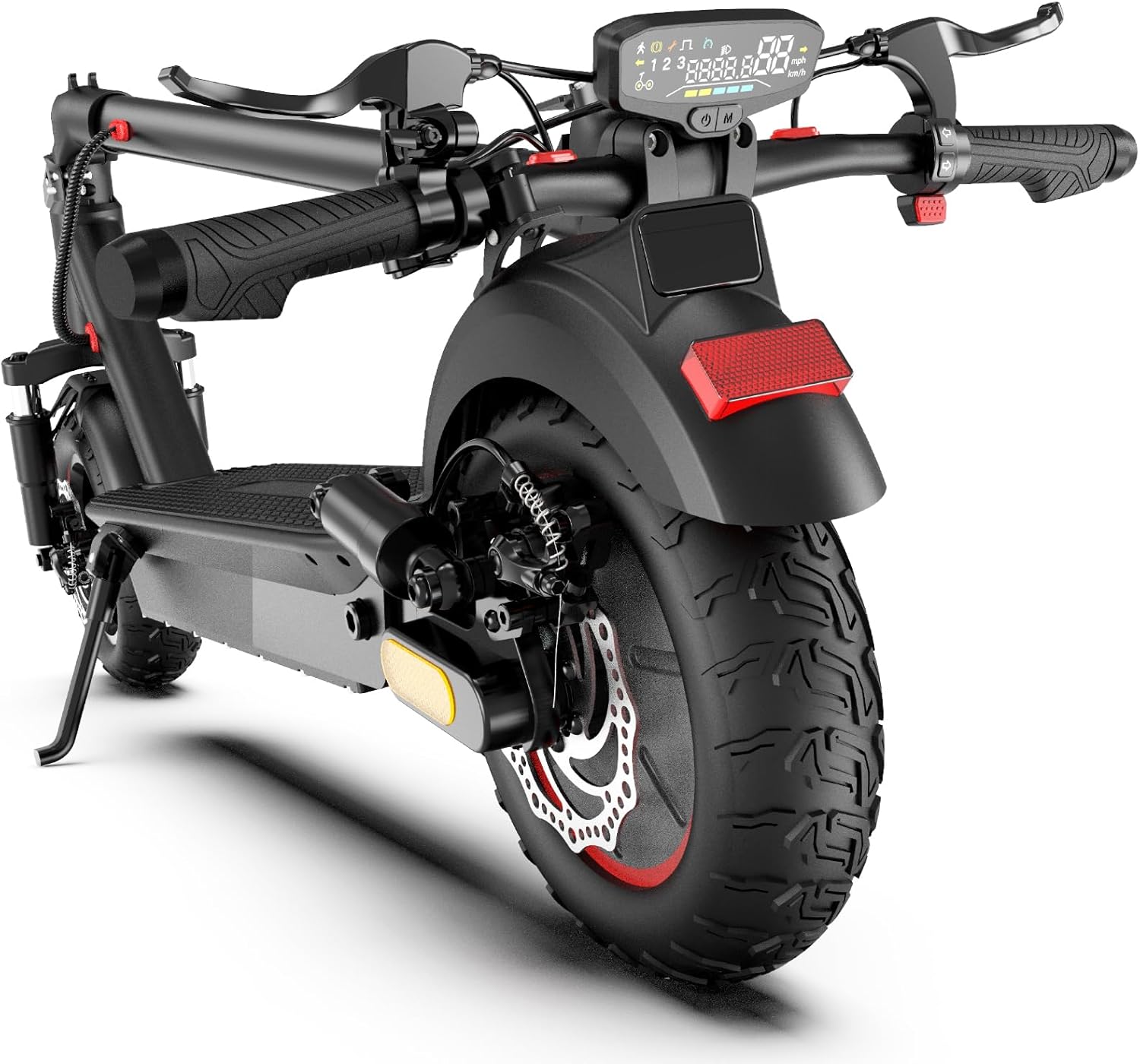
– LED Display: Shows speed, battery level, and sometimes trip distance. Gotrax’s displays are generally clear and readable in daylight.
– Lights: Front headlights and rear brake lights are non-negotiable for night riding. Some Gotrax models include ambient side lighting for added visibility.
– Braking System: Look for dual braking—electronic (regenerative) plus mechanical (disc or drum). Gotrax often pairs rear disc brakes with front electronic braking for reliable stopping power.
– App Connectivity: Many Gotrax scooters now sync with a smartphone app for firmware updates, ride tracking, and anti-theft locking. While not essential, it adds peace of mind and customization.
– Suspension: Rare on entry-level Gotrax models, but available on select higher-end variants. Suspension improves comfort on bumpy roads but adds weight and cost.
Avoid feature overload. A scooter with 10 “smart” features you’ll never use is worse than one with three well-implemented ones. Focus on what you’ll actually benefit from—like reliable brakes and good lighting—over gimmicks.
5. Brand Reputation
Gotrax has built a solid reputation since its founding in 2016 as a subsidiary of Razor. It’s known for offering reliable, affordable scooters with decent customer support. Unlike some fly-by-night brands, Gotrax provides consistent firmware updates, replacement parts, and responsive service. However, it’s not without criticism—some users report slower shipping times and limited international support.
When evaluating brand reputation, look beyond marketing claims. Check third-party review sites, Reddit communities (like r/ElectricScooters), and YouTube unboxings. Pay attention to how the company handles recalls, software bugs, and warranty claims. Gotrax generally scores well here, especially compared to ultra-budget brands that vanish after a few months.
6. Warranty & Support
Warranty terms can make or break your ownership experience. Gotrax offers a standard 1-year limited warranty covering manufacturing defects, which is average for the industry. Some competitors offer 2 years, while others provide only 90 days. Always read the fine print: many warranties exclude wear-and-tear items like tires, brake pads, and batteries.
Customer support quality varies. Gotrax provides email and phone support, with typical response times of 24–48 hours. Their website includes a helpful FAQ section and troubleshooting guides. For urgent issues, having local service centers is a plus—Gotrax partners with select retailers for repairs, though coverage isn’t nationwide.
Consider extended warranty options if available. While not always cost-effective, they can be worthwhile for high-use scenarios (e.g., daily commuting).
7. Size & Portability
If you plan to carry your scooter on public transit, store it under a desk, or lift it upstairs, portability is key. Gotrax scooters typically weigh between 26–35 pounds. The lighter models (like the Gotrax XR Elite) are easier to manage but may sacrifice battery capacity or motor power.
Folding mechanism design matters too. Gotrax uses a single-fold system with a latch or clamp. Test how smoothly it folds and unfolds—some users report stiffness or accidental collapses. Measure the folded dimensions: a compact footprint (under 45” long when folded) makes storage and transport much easier.
Wheel size also affects portability. Smaller wheels (6–8 inches) are lighter and more maneuverable but less stable on rough terrain. Larger wheels (10+ inches) offer a smoother ride but add bulk.
8. User Reviews & Ratings
Never buy an e-scooter based solely on specs or ads. Real user feedback reveals hidden flaws and strengths. Look for patterns in reviews: if multiple users mention the same issue—like battery drain after 6 months or loose handlebars—it’s likely a genuine concern.
Gotrax models generally receive 4–4.5 stars on Amazon and Walmart, with praise for value and ease of use. Common complaints include limited range in cold weather and occasional Bluetooth connectivity glitches. Cross-reference reviews across platforms to get a balanced view.
Different Types of Gotrax
Common Buying Mistakes to Avoid
❌ Mistake: Ignoring Real-World Range
Why it’s bad: Manufacturers often advertise range under ideal lab conditions. In reality, factors like rider weight, wind, hills, and temperature drastically reduce actual mileage. Relying on specs alone can leave you stranded.
What to do instead: Always subtract 30–40% from the advertised range. Read long-term user reviews to see how the scooter performs in everyday scenarios.
❌ Mistake: Overlooking Weight Limits
Why it’s bad: Exceeding the scooter’s weight capacity strains the motor, drains the battery faster, and can damage the frame or suspension. Gotrax models typically support 220–264 lbs.
What to do instead: Check the max load rating and ensure it comfortably accommodates your weight plus any cargo (backpack, groceries, etc.).
❌ Mistake: Skipping Safety Features
Why it’s bad: Riding without lights, reflectors, or reliable brakes increases accident risk, especially at night or in traffic.
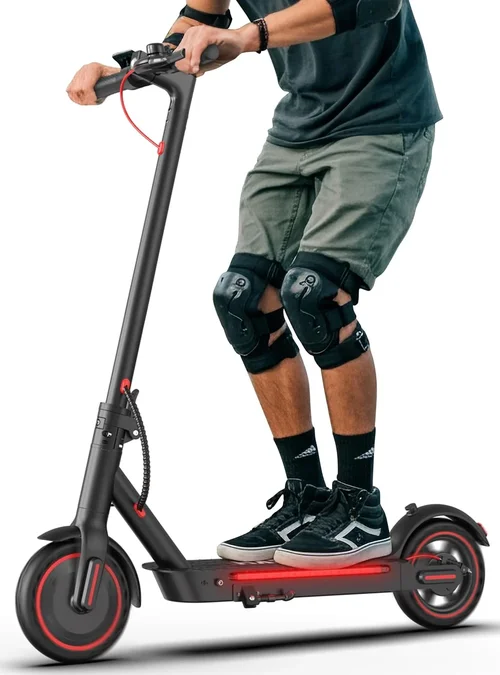
What to do instead: Prioritize scooters with front/rear lights, brake lights, and dual braking systems. Always wear a helmet and consider adding reflective gear.
❌ Mistake: Buying Based on Price Alone
Why it’s bad: The cheapest scooter often costs more in the long run due to poor build quality, short battery life, and lack of support.
What to do instead: Focus on value—not just price. A $400 scooter with a 2-year lifespan may be worse than a $600 one that lasts 4 years.
❌ Mistake: Neglecting Local Laws
Why it’s bad: Many cities restrict e-scooter speed, require helmets, or ban riding on sidewalks. Fines or confiscation can result from non-compliance.
What to do instead: Research your local regulations before buying. Choose a scooter that meets legal requirements for your area.
❌ Mistake: Assuming All Brands Are Equal
Why it’s bad: Some brands cut corners on safety testing, use counterfeit batteries, or offer no customer support.
What to do instead: Stick with reputable brands like Gotrax, Segway, or Xiaomi that have proven track records and transparent policies.
❌ Mistake: Not Testing Before Buying
Why it’s bad: Comfort, handling, and ergonomics vary widely. A scooter that looks great online might feel unstable or uncomfortable in person.
What to do instead: Visit a local retailer if possible, or buy from a seller with a generous return policy (30 days or more).
Budget Guidelines: How Much Should You Spend?
– Entry-Level ($200–$400): Ideal for casual riders, students, or short campus commutes. Expect basic features, modest range (8–12 miles), and limited hill-climbing ability. Gotrax’s GXL V2 and XR series fit here. Great for trying out e-scooters without a huge commitment.
– Mid-Range ($400–$700): The sweet spot for most buyers. These scooters offer better motors (350W–500W), improved suspension, longer range (15–25 miles), and enhanced safety features. Models like the Gotrax G4 or GMAX Pro deliver excellent value and reliability for daily commuting.
– Premium ($700–$1,200): For enthusiasts and serious commuters. Expect high-capacity batteries, advanced braking systems, app integration, and superior build quality. These scooters handle hills, longer distances, and varied terrain with ease. Gotrax’s higher-end offerings start approaching this tier.
– Luxury ($1,200+): Top-tier performance with cutting-edge tech, premium materials, and extended warranties. While Gotrax doesn’t currently compete in this ultra-premium space, these scooters are built for those who prioritize speed, comfort, and innovation above all else.
Expert Tips for Getting the Best Deal
– Buy During Off-Peak Seasons: Prices drop in late fall and winter when demand is low. Black Friday, Cyber Monday, and post-holiday sales offer significant discounts—sometimes 20–30% off.
– Shop at Authorized Retailers: Purchase from Gotrax.com, Amazon (sold by Gotrax), or trusted electronics stores. Avoid third-party sellers with no return policy or questionable reviews.
– Check for Refurbished Models: Gotrax occasionally offers certified refurbished scooters at 15–25% off. These come with warranties and are thoroughly tested—great for budget shoppers.
– Bundle Accessories: Some retailers offer free helmets, locks, or phone mounts with purchase. Compare bundle deals to maximize value.
– Read Return Policies Carefully: Ensure you have at least 14–30 days to return the scooter if it doesn’t meet expectations. Some sellers charge restocking fees—avoid these when possible.
– Join Loyalty Programs: Gotrax and major retailers often reward repeat customers with exclusive discounts, early access to sales, and free shipping.
– Monitor Price Tracking Tools: Use browser extensions like Honey or CamelCamelCamel to track price history and get alerts when prices drop.
– Consider Financing: Some retailers offer 0% APR financing for 6–12 months. Only use this if you can pay it off quickly—otherwise, interest adds up.
Frequently Asked Questions
Q: How long do Gotrax scooter batteries last?
A: Gotrax lithium-ion batteries typically last 300–500 charge cycles before capacity drops below 80%. With regular use, this translates to 1.5–3 years. Proper care—like avoiding extreme temperatures and not draining to 0%—can extend lifespan.
Q: Can I ride a Gotrax scooter in the rain?
A: Most Gotrax models have an IP54 rating, meaning they can handle light rain and splashes. However, avoid riding in heavy downpours or through puddles, as water can damage the motor or electronics.
Q: Are Gotrax scooters suitable for adults?
A: Absolutely. Many Gotrax models support riders up to 220–264 lbs and offer speeds and ranges suitable for adult commuting. The G4 and GMAX Pro are particularly popular among adult users.
Q: Do I need a license to ride a Gotrax scooter?
A: In most U.S. states, no license is required for scooters under 20 mph. However, local laws vary—check your city or state regulations regarding registration, helmet use, and where you can ride.
Q: How fast do Gotrax scooters go?
A: Speeds range from 12 mph (kids’ models) to 18–20 mph (performance models like the GMAX Pro). Always obey local speed limits and ride responsibly.
Q: Can I upgrade my Gotrax scooter’s battery?
A: Officially, no—Gotrax does not support user battery upgrades due to safety and warranty concerns. Unauthorized modifications void the warranty and pose fire risks.
Q: What’s the difference between Gotrax and Razor scooters?
A: Gotrax is a subsidiary of Razor and focuses exclusively on electric scooters, while Razor offers a broader range including kick scooters and ride-ons. Gotrax generally offers better value and more advanced e-scooter features.
Q: How do I maintain my Gotrax scooter?
A: Regular maintenance includes checking tire pressure (if pneumatic), cleaning the deck and wheels, tightening bolts, and storing in a dry place. Avoid overcharging the battery and recalibrate it monthly by fully charging and discharging.
Q: Is the Gotrax app necessary?
A: No, but it enhances the experience. The app allows firmware updates, ride tracking, speed limiting, and anti-theft locking. It’s optional but recommended for tech-savvy users.
Q: What should I do if my Gotrax scooter stops working?
A: First, check the basics: battery charge, power button, and fuse. Consult the user manual or Gotrax’s troubleshooting guide. If unresolved, contact customer support with your serial number for warranty assistance.
Our Final Recommendations
– Best for Budget-Conscious Buyers: Gotrax GXL V2 – At around $350, it offers solid performance, a 19-mile range, and reliable build quality. Perfect for students and casual commuters.
– Best Overall Value: Gotrax G4 – Priced near $500, it delivers 25 miles of range, a 500W motor, dual suspension, and app connectivity. A near-perfect balance of price, performance, and features.
– Best Premium Option: Gotrax GMAX Pro – With a 45-mile range, 600W motor, and premium build, it’s Gotrax’s flagship for serious riders who want top-tier performance without breaking $1,000.
– Best for Beginners: Gotrax XR Elite – Lightweight (26 lbs), easy to fold, and simple to operate. Great for first-time riders or those prioritizing portability.
– Best for Advanced Users: While Gotrax doesn’t currently offer ultra-high-performance models, the GMAX Pro is the closest, with robust specs and smart features for tech-forward riders.
Conclusion: Making the Right Choice
Choosing the best e-scooter isn’t about finding the most powerful or flashiest model—it’s about matching the scooter to your specific needs, environment, and budget. Gotrax has positioned itself as a leader in the affordable e-scooter space by delivering reliable, feature-rich options that cater to a wide range of riders. From campus commuters to weekend adventurers, there’s a Gotrax model designed to enhance your mobility without compromising on safety or value.
As you weigh your options, remember to prioritize real-world performance over marketing claims, invest in quality over the lowest price, and always consider long-term ownership costs. Test ride when possible, read honest reviews, and don’t hesitate to reach out to customer support with questions. The right scooter will not only get you from point A to B—it will make the journey enjoyable, efficient, and sustainable.
Electric scooters are more than a trend; they’re a shift toward smarter, greener urban transportation. With the insights from this guide, you’re now equipped to make a confident, informed decision. So charge up, hop on, and embrace the future of personal mobility—one smooth, silent ride at a time.