
The electric bike market has exploded in recent years, transforming from a niche curiosity into a mainstream transportation solution. With rising fuel costs, growing environmental awareness, and increasing traffic congestion in urban areas, more people than ever are turning to e-bikes as a practical, efficient, and fun way to get around. Whether you’re commuting to work, running errands, or simply exploring your city on two wheels, an e-bike can dramatically improve your daily mobility while reducing your carbon footprint. However, with hundreds of models flooding the market—especially under the $2,000 price point—it’s easy to feel overwhelmed by the sheer number of options, conflicting reviews, and technical jargon.
That’s exactly why this comprehensive buying guide exists. We’ve spent months researching, testing, and analyzing dozens of e-bikes priced under $2,000 to bring you the most up-to-date, expert-level advice for 2026. Our goal isn’t just to list products—it’s to empower you with the knowledge to make a smart, informed decision based on your unique needs, lifestyle, and budget. You’ll learn how to evaluate key specs like motor power, battery life, and frame materials, understand the differences between commuter, folding, and mountain e-bikes, avoid common pitfalls, and even discover insider tips for scoring the best deals. Whether you’re a first-time buyer or upgrading from an older model, this guide will help you navigate the crowded e-bike landscape with confidence.
The sub-$2,000 segment is arguably the most competitive and dynamic in the e-bike industry. It’s where innovation meets affordability, offering impressive performance and features that were once reserved for premium models. Brands like Rad Power Bikes, Aventon, Lectric, and Heybike have pushed the envelope with high-capacity batteries, powerful motors, and smart integrations—all while keeping prices accessible. At the same time, established bicycle manufacturers like Trek, Giant, and Specialized have introduced entry-level e-bikes that blend reliability with modern tech. This guide cuts through the noise to highlight what truly matters when shopping in this price range, ensuring you don’t overpay for flashy extras or settle for underpowered compromises.

What to Look for When Buying E-Bikes Under $2000
1. Motor Type and Power Output
The motor is the heart of any e-bike, determining how much assistance you get and how smoothly it performs across different terrains. Most e-bikes under $2,000 use either hub motors (located in the front or rear wheel) or mid-drive motors (mounted near the pedals). Hub motors are more common in this price range due to their lower cost and simplicity—they’re reliable, quiet, and easy to maintain. Rear hub motors generally offer better traction and a more natural riding feel, while front hub motors can sometimes cause wheel slip on loose surfaces.
Motor power is measured in watts (W), and in the U.S., e-bikes are legally limited to 750W for Class 1 and Class 3 models. However, don’t be fooled by brands advertising “peak” or “burst” power—what matters is sustained output. A 500W–750W motor is ideal for most riders under $2,000, providing enough torque for hills, headwinds, and carrying cargo without draining the battery too quickly. Look for motors with at least 40–50 Nm of torque for confident hill climbing. Also, consider whether the motor offers pedal assist only or includes a throttle—throttle-only modes are great for quick starts or recovering from fatigue but may reduce range.
2. Battery Capacity and Range
Battery performance directly impacts how far you can ride on a single charge—a critical factor whether you’re commuting 10 miles round-trip or exploring weekend trails. Battery capacity is measured in watt-hours (Wh), calculated by multiplying voltage (V) by amp-hours (Ah). For example, a 48V 10.4Ah battery delivers 499.2Wh. In general, aim for at least 400–500Wh for reliable daily use. Higher-capacity batteries (600Wh+) are available in some sub-$2,000 models and significantly extend range, especially if you plan to ride in hilly areas or use higher assist levels.
Real-world range varies widely based on rider weight, terrain, assist level, tire pressure, and weather. A 500Wh battery might give you 30–50 miles on eco mode on flat ground, but drop to 15–25 miles on high assist in hilly conditions. Always check if the battery is removable—this allows for convenient charging indoors and extends battery lifespan by avoiding exposure to extreme temperatures. Lithium-ion (Li-ion) batteries are standard and offer good energy density and longevity, but avoid older lithium-manganese or lead-acid types.
3. Frame Material and Build Quality
The frame is the foundation of your e-bike’s durability, comfort, and handling. Most budget-friendly e-bikes use aluminum alloy frames, which strike an excellent balance between strength, weight, and corrosion resistance. High-quality 6061 or 7005 aluminum is common in reputable brands and can withstand daily abuse while remaining lightweight enough for lifting or carrying. Avoid steel frames unless you prioritize ultra-durability over weight—they’re heavier and more prone to rust.
Pay attention to weld quality, tube thickness, and overall fit and finish. A well-built frame should feel solid when you shake it—no creaking or flexing. Look for internal cable routing (which protects wires and gives a cleaner look), reinforced dropouts for racks or fenders, and compatibility with standard accessories. If you plan to carry kids, groceries, or camping gear, ensure the frame has mounting points for racks and water bottles. Suspension forks are common on mountain or hybrid e-bikes under $2,000 and improve comfort on rough roads, but they add weight and cost—so only get one if you need it.
4. Drivetrain and Gearing
While the motor provides assistance, your pedaling still plays a key role—especially on longer rides or when the battery runs low. A good drivetrain ensures smooth shifting and efficient power transfer. Most e-bikes under $2,000 come with 7- to 8-speed Shimano Tourney or Altus derailleurs, which are reliable and sufficient for city riding and moderate hills. Higher-end models may feature 9- or 10-speed Shimano Deore or MicroShift components, offering finer gear increments and better performance on varied terrain.
Single-speed or internally geared hub (IGH) bikes are less common in this segment but appear in some urban or folding models. They’re low-maintenance and great for flat cities, but lack versatility for hills or long distances. Consider your local topography: if you live in a hilly area, prioritize at least 7 speeds. Also, check the chain quality—a rust-resistant, nickel-plated chain lasts longer and requires less maintenance. Some brands now include belt drives (like Gates Carbon Drive), which are cleaner, quieter, and last longer than chains, though they’re rarer under $2,000.
5. Braking System
Safety should never be compromised, and brakes are arguably the most critical safety component on any bike—especially an e-bike, which can reach speeds of 20–28 mph. Mechanical disc brakes are common in budget models and offer decent stopping power, but they require more hand effort and frequent adjustment. Hydraulic disc brakes, found on mid-to-high-end sub-$2,000 e-bikes, provide superior modulation, consistent performance in wet conditions, and less maintenance.
Avoid rim brakes (V-brakes or caliper brakes) on e-bikes unless absolutely necessary—they wear down rims faster, lose effectiveness when wet, and struggle to stop heavier e-bikes quickly. Look for 160mm or 180mm rotors; larger rotors offer more braking force. Some models include regenerative braking, which recaptures a small amount of energy during deceleration, but its impact on range is minimal—don’t prioritize it over brake type. Always test brakes before buying: squeeze the levers—they should engage smoothly without excessive travel.
6. Tires and Wheel Size
Tires significantly affect ride comfort, traction, and rolling resistance. Most e-bikes under $2,000 come with 26-inch, 27.5-inch, or 700c wheels. Larger wheels (700c) roll more efficiently over bumps and are common on road or hybrid e-bikes. Smaller wheels (26-inch) offer better acceleration and are typical on mountain or folding bikes. Fat tires (3.0–4.0 inches wide) provide excellent stability and grip on sand, snow, or rough trails but increase weight and reduce efficiency on pavement.
Look for puncture-resistant tires with reflective sidewalls for visibility. Tubeless-ready setups are rare in this price range but offer lower rolling resistance and fewer flats. Tire pressure matters too—underinflated tires drain battery faster and increase wear. Check if the bike includes fenders and a rear rack; these add practicality for commuting and errands. If not, ensure the frame has eyelets for aftermarket installation.
7. Display and Smart Features
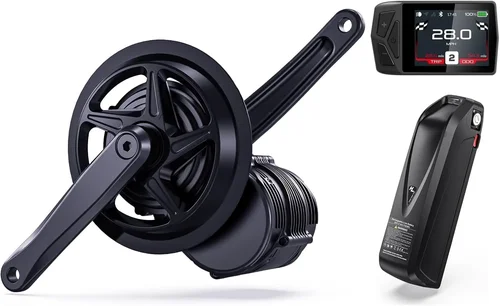
The display is your interface with the e-bike’s systems, showing speed, battery level, assist mode, and sometimes navigation or ride stats. Basic LED displays are common on entry-level models and show essential info clearly. Color LCD screens, found on mid-range bikes, offer better readability in sunlight and more data (like trip distance, average speed, or calorie burn). Some models include Bluetooth connectivity, allowing you to sync with smartphone apps for firmware updates, ride tracking, or anti-theft alerts.
While smart features are nice, don’t let them distract from core performance. A bright, responsive display with intuitive controls is more important than flashy animations. Ensure the display is waterproof and mounted securely—vibrations can loosen connections over time. Throttle placement matters too: thumb throttles are compact but can be awkward; twist grips mimic motorcycle controls and are easier for some riders.
8. Warranty and Customer Support
E-bikes are complex machines with electrical and mechanical components, so a solid warranty is essential. Most reputable brands offer at least a 1-year comprehensive warranty covering the motor, battery, and frame. Some, like Rad Power Bikes and Aventon, provide 2-year warranties, which is a strong indicator of confidence in their products. Battery warranties typically cover 1–2 years or a certain number of charge cycles (e.g., 500–800 cycles), after which capacity may drop below 70%.
Check what the warranty includes: does it cover labor? Are batteries replaceable, or must you ship the whole bike? Read the fine print—some exclude “wear items” like tires or brake pads. Customer support responsiveness is equally important. Look for brands with U.S.-based support teams, detailed FAQs, video tutorials, and active community forums. Avoid no-name brands with vague return policies or slow response times—you don’t want to be stranded with a dead battery and no help.
Different Types of E-Bikes Under $2000

Common Buying Mistakes to Avoid
❌ Mistake: Prioritizing Price Over Battery Quality
Why it’s bad: A cheap battery may save you $100 upfront but can degrade rapidly, lose capacity within a year, or even pose safety risks. Low-quality cells often lack proper thermal management and BMS (Battery Management System) protection.
What to do instead: Always check the battery brand and chemistry. reputable manufacturers use Samsung, LG, or Panasonic cells. Avoid generic “lithium” labels without specifics. Invest in a removable, high-Wh battery—it’s worth the extra cost for longevity and convenience.
❌ Mistake: Ignoring Local Laws and Classifications
Why it’s bad: E-bike laws vary by state and country. Riding a Class 3 e-bike (28 mph top speed) on trails restricted to Class 1 (20 mph, pedal-assist only) can result in fines or bans. Some cities prohibit throttles altogether.
What to do instead: Research your local regulations before buying. Choose a bike that matches your intended use—Class 1 for bike paths, Class 2 for casual riding with throttle, Class 3 for faster commutes. Many brands allow you to limit speed via the display.
❌ Mistake: Overlooking Test Rides
Why it’s bad: E-bikes feel different from regular bikes. Weight distribution, motor engagement, and handling vary significantly between models. Buying online without testing can lead to discomfort or unsafe riding.
What to do instead: Visit local dealers or attend e-bike demo events. If buying online, choose retailers with generous return policies (30-day trials are ideal). Pay attention to saddle comfort, reach to handlebars, and how the bike handles at low speeds.
❌ Mistake: Choosing Based Solely on Motor Wattage
Why it’s bad: A 750W motor doesn’t automatically mean better performance. Efficiency, torque curve, and controller tuning matter more. Some 500W motors outperform poorly designed 750W units.
What to do instead: Focus on real-world reviews and torque ratings (Nm). Look for smooth, responsive power delivery rather than raw numbers. A well-tuned 500W motor with 50Nm torque can climb hills better than a jerky 750W motor with 35Nm.
❌ Mistake: Neglecting Maintenance Requirements
Why it’s bad: E-bikes have more components than regular bikes—motors, batteries, controllers—and require specialized care. Ignoring maintenance leads to premature failure and costly repairs.
What to do instead: Learn basic upkeep: keep the battery charged between 20–80%, lubricate the chain regularly, check tire pressure weekly, and store indoors. Join online communities for troubleshooting tips. Consider a service plan if available.
❌ Mistake: Buying Without Considering Total Cost of Ownership
Why it’s bad: The sticker price isn’t the full story. Factor in accessories (helmet, lock, lights), potential upgrades (better tires, rack), and replacement parts (battery after 2–3 years).
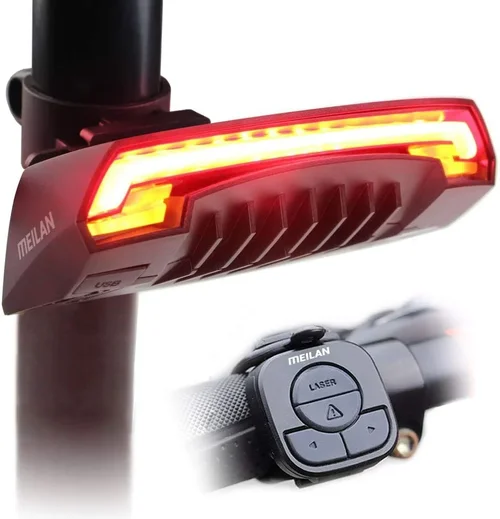
What to do instead: Budget an additional 15–20% for essentials. Buy a U-lock ($50–$100), LED lights ($30–$60), and a quality helmet. Some brands offer bundle deals that include these items at a discount.
Budget Guidelines: How Much Should You Spend?
Entry-Level ($600–$1,000): This tier includes basic commuter and folding e-bikes from brands like Swagtron, Ancheer, or Ecotric. Expect smaller batteries (36V 8–10Ah), weaker motors (350–500W), and minimal features. Build quality can be inconsistent, and warranties are often limited. Best for light, occasional use on flat terrain—ideal for students or casual riders who need occasional assistance.
Mid-Range ($1,000–$1,500): The sweet spot for most buyers. Models like the RadMission 1, Aventon Pace 350, or Lectric XP Lite offer 48V batteries (10–14Ah), 500–750W motors, hydraulic disc brakes, and decent components. You’ll get reliable performance, good range (30–50 miles), and solid warranties. Perfect for daily commuting, weekend rides, and moderate hills.
Premium ($1,500–$2,000): For enthusiasts and serious commuters. Bikes like the RadRover 6 Plus, Aventon Level.2, or Heybike Mars 2 feature high-capacity batteries (672Wh+), powerful mid-drive or rear hub motors, premium drivetrains (Shimano Deore), and advanced features like integrated lights, smartphone apps, and suspension. These models excel in durability, range, and versatility—great for long distances, cargo hauling, or off-road adventures.
Luxury ($2,000+): While outside our scope, it’s worth noting that stepping above $2,000 unlocks carbon frames, Bosch or Shimano STEPS mid-drives, full suspension, and cutting-edge tech. If your needs exceed what sub-$2,000 bikes offer, consider saving a bit more—but for most riders, the premium tier under $2,000 delivers exceptional value.
Expert Tips for Getting the Best Deal
- Shop during seasonal sales: Major discounts occur during Black Friday, Cyber Monday, and end-of-season clearances (August–September). Sign up for brand newsletters to get early access.
- Buy direct from manufacturers: Brands like Rad Power Bikes, Lectric, and Aventon often offer better prices, free shipping, and exclusive bundles when you buy directly—cutting out retailer markups.
- Check for refurbished or open-box deals: Many brands sell certified pre-owned e-bikes at 15–30% off with full warranties. These are thoroughly tested and often indistinguishable from new.
- Look for bundle packages: Some retailers include helmets, locks, racks, or lights for free—saving $100–$200 compared to buying separately.
- Use cashback and credit card rewards: Combine Rakuten, Honey, or credit card points to stretch your budget further.
- Test ride multiple models: Even within the same price range, bikes feel vastly different. Don’t settle for the first one that fits your budget—try 3–5 before deciding.
- Read long-term user reviews: Amazon and YouTube reviews from owners after 6–12 months reveal reliability issues that specs sheets hide.
- Negotiate with local dealers: Some bike shops will price-match online retailers or throw in free tune-ups to earn your business.

Frequently Asked Questions
Q: Can I ride an e-bike in the rain?
A: Yes, most e-bikes under $2,000 are designed to handle light to moderate rain. Look for IP65 or higher water resistance ratings on the motor and battery. Avoid submerging the bike or using high-pressure washers. Dry the battery contacts and charge port after wet rides to prevent corrosion.
Q: How often should I charge the battery?
A: Charge your battery when it drops to 20–30% and unplug once it reaches 80–90%. Avoid letting it sit at 0% for long periods, as this accelerates degradation. For daily use, nightly charging is fine—modern Li-ion batteries don’t suffer from “memory effect.”
Q: Are e-bikes legal on bike paths?
A: In most U.S. states, Class 1 and Class 2 e-bikes are allowed on bike paths and multi-use trails. Class 3 bikes may be restricted to roads or designated lanes. Always check local ordinances—some parks prohibit e-bikes entirely.
Q: How much does an e-bike weigh?
A: Most e-bikes under $2,000 weigh between 40–70 lbs. Commuter models are lighter (40–50 lbs), while fat tire and cargo bikes can exceed 60 lbs. Weight affects portability and handling, so consider this if you need to carry the bike upstairs.
Q: Can I pedal an e-bike if the battery dies?
A: Absolutely. E-bikes function like regular bikes when the battery is dead—though they’re heavier, so pedaling requires more effort. Some models have a “walk-assist” mode to help push the bike uphill.
Q: Do I need a license or insurance?
A: In most U.S. states, no license, registration, or insurance is required for Class 1–3 e-bikes. However, some cities or rental programs may have specific rules. Always wear a helmet—it’s the law in many places.
Q: How long do e-bike batteries last?
A: A quality battery typically lasts 500–1,000 full charge cycles, equating to 2–5 years of daily use. Capacity gradually declines over time—after 2 years, you might see 10–20% less range. Proper care extends lifespan significantly.
Q: Can I upgrade components later?
A: Yes, many parts are user-replaceable: tires, saddles, grips, and even batteries. However, motors and controllers are usually sealed units. Stick to compatible brands and consult your warranty before making modifications.
Q: Are e-bikes worth it for short commutes?
A: Definitely. Even for 3–5 mile trips, an e-bike reduces sweat, saves time vs. driving in traffic, and eliminates parking hassles. The health benefits of light exercise combined with motor assistance make it a win-win.
Q: What’s the difference between pedal assist and throttle?
A: Pedal assist (PAS) provides power only when you’re pedaling, offering a natural cycling experience. Throttle lets you ride without pedaling, like a scooter. Class 1 = PAS only; Class 2 = PAS + throttle; Class 3 = PAS up to 28 mph.
Our Final Recommendations
Best for Budget-Conscious Buyers: Lectric XP Lite ($999) – At under $1,000, this folding fat-tire e-bike punches far above its weight. With a 500W motor, 48V 10.4Ah battery (500Wh), and hydraulic disc brakes, it delivers surprising performance for the price. Ideal for apartment dwellers or those new to e-bikes.
Best Overall Value: Rad Power Bikes RadMission 1 ($1,299) – A no-frills commuter built for reliability. Features a 500W rear hub motor, 48V 14Ah battery (672Wh), and a lightweight aluminum frame. Minimalist design means fewer things to break, and Rad’s 2-year warranty is industry-leading.
Best Premium Option: Aventon Level.2 ($1,799) – Combines premium components with sleek styling. Includes a 750W motor, 48V 14Ah battery, Shimano Altus 8-speed drivetrain, and a bright color display. Perfect for riders who want performance and polish without crossing into luxury pricing.
Best for Beginners: Heybike Cityscape ($1,199) – A comfortable step-through commuter with a 500W motor, 48V 12Ah battery, and integrated lights. Easy to mount, stable at low speeds, and comes with a rear rack—great for new riders prioritizing comfort and practicality.
Best for Advanced Users: RadRover 6 Plus ($1,999) – The ultimate do-it-all e-bike under $2,000. Fat tires, 750W motor, 672Wh battery, and dual suspension make it capable on trails, snow, and city streets. High payload capacity (300+ lbs) suits adventurers and cargo haulers alike.
Conclusion: Making the Right Choice
Choosing the right e-bike under $2,000 isn’t about finding the “best” model—it’s about finding the best fit for your lifestyle, terrain, and priorities. We’ve covered everything from motor specs and battery science to real-world testing and long-term ownership costs. Remember: a great e-bike should feel like an extension of yourself—smooth, reliable, and empowering. Don’t rush the decision. Use this guide to narrow your options, test ride whenever possible, and invest in quality over gimmicks.
Whether you’re ditching your car for eco-friendly commuting, exploring new trails on weekends, or simply rediscovering the joy of cycling, the right e-bike can transform your daily routine. With the knowledge you’ve gained here, you’re equipped to navigate the market confidently, avoid costly mistakes, and find a bike that delivers years of reliable, enjoyable rides. Now go out there—your perfect e-bike is waiting.