
When it comes to commuting by bike, most riders focus on the frame, tires, or gears—but one of the most overlooked yet critical components is the pedal. The right set of pedals can dramatically improve your efficiency, comfort, and safety during daily rides. Whether you’re navigating city streets, dodging traffic, or climbing hills on your way to work, your pedals are the direct connection between you and your bike. They determine how much power you transfer, how stable your feet feel, and even how quickly you can react in unexpected situations. That’s why choosing the best commuter bike pedals isn’t just a minor upgrade—it’s a foundational decision that affects every aspect of your ride.
This comprehensive buying guide is designed to help you make an informed choice tailored to your specific needs. Whether you’re a seasoned cyclist or a beginner just starting your daily commute, we’ll walk you through everything you need to know. You’ll learn how to evaluate key factors like durability, grip, ease of use, and compatibility with your footwear. We’ll compare different types of pedals—from flat platforms to clipless systems—and explain which styles work best for urban environments, mixed-terrain routes, or long-distance commutes. By the end of this guide, you’ll have a clear understanding of what to look for, what to avoid, and how to get the best value for your investment.
The market for commuter bike pedals has evolved significantly in recent years. With advancements in materials, ergonomics, and smart integration, today’s pedals offer more functionality and reliability than ever before. From lightweight aluminum platforms with replaceable pins to hybrid designs that support both casual shoes and cycling cleats, there’s a pedal for every type of rider. However, this variety can also make decision-making overwhelming. That’s where this guide comes in—we’ve tested, researched, and analyzed dozens of models to bring you expert insights and actionable advice. Whether you’re upgrading from stock pedals or building your first commuter setup, this guide will help you find the perfect match.

What to Look for When Buying Commuter Bike Pedals
1. Pedal Type: Flat, Clipless, or Hybrid?
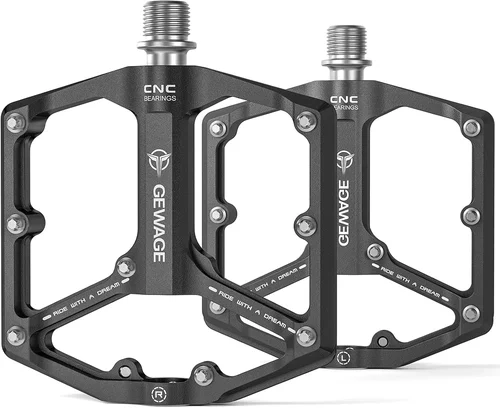
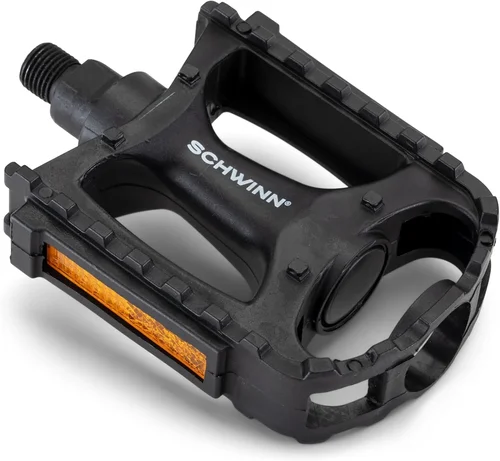
The first and most important decision is choosing the right pedal type for your riding style and needs. Flat pedals are the most common and beginner-friendly option. They feature a wide, stable platform that works with any type of shoe—sneakers, boots, or even sandals. This makes them ideal for stop-and-go city riding, where you frequently need to put a foot down at traffic lights or intersections. Flat pedals typically come with replaceable traction pins that provide grip, and many models include reflectors or reflective surfaces for added visibility.
Clipless pedals, despite their confusing name, actually require you to clip your shoes into the pedal using a cleat system. These are favored by performance-oriented riders because they allow for efficient power transfer on both the downstroke and upstroke. However, they require special cycling shoes and can be intimidating for beginners. They’re best suited for longer commutes or riders who prioritize speed and efficiency over convenience.
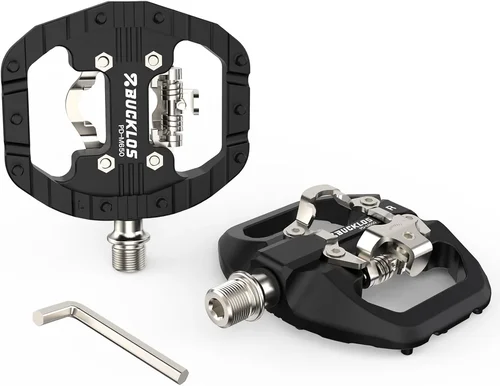
Hybrid pedals combine the best of both worlds. One side is a flat platform, and the other is a clipless mechanism. This versatility makes them excellent for commuters who want the option to ride with regular shoes on some days and clipped in on others. They’re particularly useful if you alternate between casual errands and longer fitness rides.
2. Build Quality & Durability
Commuter pedals face harsh conditions—rain, dirt, salt, and constant use. That’s why build quality is non-negotiable. Look for pedals made from high-grade materials like forged aluminum, stainless steel axles, and sealed cartridge bearings. These components resist corrosion and wear, ensuring long-term reliability. Avoid cheap plastic or low-grade aluminum pedals, which may crack or bend under pressure.
Durability also extends to the spindle and bearing system. A well-sealed bearing prevents water and grime from entering, which can cause stiffness or failure over time. Pedals with serviceable bearings allow you to maintain them, extending their lifespan. For city riders, consider models with replaceable traction pins—these can be swapped out when worn, restoring grip without replacing the entire pedal.
3. Grip & Traction
No matter the pedal type, grip is essential for safety and control. On flat pedals, look for models with multiple replaceable pins made from hardened steel or titanium. These pins dig into your shoe soles, preventing slippage even in wet or muddy conditions. The number and placement of pins matter—more pins generally mean better grip, but too many can make the pedal feel harsh or uncomfortable.
For clipless pedals, grip isn’t about surface texture but cleat engagement and float. Float refers to the degree your foot can pivot before unclipping. A moderate float (4–6 degrees) allows natural movement and reduces knee strain, while zero float offers maximum power transfer but less comfort. Choose a system that matches your flexibility and riding intensity.
Hybrid pedals should offer strong grip on the flat side and reliable engagement on the clipless side. Some models include textured surfaces or rubberized inserts to enhance traction without relying solely on pins.
4. Ease of Use & Convenience
Commuting often involves frequent stops, quick dismounts, and unpredictable weather. Pedals that are easy to use save time and reduce stress. Flat pedals win here—simply place your foot and go. No learning curve, no special shoes, no fumbling at stoplights.
Clipless pedals require practice to clip in and out smoothly. While modern systems like Shimano SPD or Crankbrothers Eggbeater are user-friendly, they still demand a learning period. If you’re new to clipless pedals, start with a model that has a wide entry window and forgiving release tension.
Hybrid pedals offer the most convenience for mixed-use riders. You can clip in for a fast morning ride and switch to flats for a grocery run later. However, they can be heavier and more complex, so ensure the mechanism is reliable and doesn’t jam.
5. Weight & Portability
While weight may seem less critical for commuting than racing, lighter pedals reduce overall bike weight and can improve handling, especially on hilly routes. Aluminum pedals are lighter than steel but may not be as durable. Titanium spindles offer the best strength-to-weight ratio but come at a premium.
Portability matters if you need to remove your pedals for storage or transport. Some commuters fold or detach pedals to fit their bike in tight spaces. Look for models with compact designs or quick-release mechanisms if this applies to you.
6. Weather Resistance & Maintenance
Commuter bikes are exposed to rain, snow, and road grime daily. Pedals must withstand these elements without seizing or corroding. Sealed bearings, stainless steel hardware, and corrosion-resistant coatings are essential. Avoid pedals with open bearings or painted surfaces that chip easily.
Maintenance should be minimal but possible. Pedals with serviceable bearings allow you to clean and re-grease them, extending their life. Some brands offer rebuild kits, which are cost-effective for long-term use. Regular cleaning—especially after wet rides—helps prevent buildup and keeps mechanisms smooth.
7. Compatibility with Shoes & Cleats
Your pedal choice must align with your footwear. Flat pedals work with any shoe, but performance varies. Stiff-soled shoes (like trail runners or cycling-specific flats) offer better power transfer and comfort. Avoid soft-soled sneakers, which can flex and cause foot fatigue.
Clipless pedals require compatible cleats. Shimano SPD (2-bolt) is the most common and works with a wide range of shoes, including mountain bike and commuter models. Look for shoes with recessed cleats for easy walking. Crankbrothers and Time systems use different cleat designs, so ensure your shoes match.
Hybrid pedals support both, but check cleat compatibility. Some only work with specific systems, limiting your shoe options.
8. Safety Features
Safety is paramount for urban commuters. Reflective elements on pedals increase visibility at night. Some models include reflective strips or LED-compatible mounts. While not a substitute for lights, they add an extra layer of protection.
Clipless pedals should have a reliable release mechanism. Test the tension adjustment to ensure you can unclip quickly in emergencies. A pedal that’s too tight can be dangerous; one that’s too loose may release unintentionally.
Flat pedals with wide platforms reduce the risk of foot slippage. Look for models with concave or contoured shapes that cradle your foot naturally.
Different Types of Commuter Bike Pedals

Common Buying Mistakes to Avoid
❌ Mistake: Choosing Pedals Based Solely on Price
Why it’s bad: Cheap pedals often use low-quality materials that wear out quickly, leading to poor grip, stiffness, or even failure. A $20 pedal might seem like a bargain, but if it needs replacement every six months, you’ll spend more in the long run.
What to do instead: Invest in mid-range pedals ($50–$100) from reputable brands. They offer better durability, smoother bearings, and replaceable parts, providing better value over time.
❌ Mistake: Ignoring Cleat Compatibility
Why it’s bad: Buying clipless pedals without checking cleat compatibility can leave you unable to use your existing shoes or force you to buy expensive new ones.
What to do instead: Confirm the cleat system (e.g., SPD, Crankbrothers) and ensure your shoes support it. If unsure, choose SPD—it’s the most widely supported standard.
❌ Mistake: Overlooking Maintenance Needs
Why it’s bad: Pedals that can’t be serviced will fail prematurely. Sealed but non-serviceable bearings may last a few years, but once they go, the pedal is junk.
What to do instead: Choose pedals with serviceable bearings. Look for models that allow you to remove end caps and re-grease the internals.
❌ Mistake: Prioritizing Weight Over Function
Why it’s bad: Ultralight pedals may save a few grams but often sacrifice durability and grip—critical for commuting.
What to do instead: Focus on strength and reliability. A slightly heavier pedal with excellent grip and sealed bearings is better than a fragile lightweight model.
❌ Mistake: Not Testing Before Buying
Why it’s bad: Pedal feel is subjective. What works for a friend may not suit your riding style or foot shape.
What to do instead: Test pedals at a local bike shop or buy from retailers with generous return policies. Try clipping in and out, assess grip, and check comfort over a short ride.
❌ Mistake: Forgetting About Weather Conditions
Why it’s bad: Pedals that corrode or seize in wet conditions will leave you stranded or unsafe.
What to do instead: Choose models with stainless steel hardware, sealed bearings, and corrosion-resistant finishes—especially if you ride in rain or snow.
❌ Mistake: Choosing the Wrong Pedal for Your Commute
Why it’s bad: Clipless pedals on a stop-and-go city route can be frustrating. Flat pedals on a long, hilly commute may reduce efficiency.
What to do instead: Match the pedal to your route. Urban riders: flat or hybrid. Long-distance or fitness-focused: clipless. Mixed use: hybrid.
Budget Guidelines: How Much Should You Spend?
Entry-Level ($20 – $50): These pedals are ideal for casual riders or those on a tight budget. Expect basic aluminum or composite platforms with minimal traction pins. They may lack sealed bearings and are best for fair-weather commuting. Brands like Sunlite or VP Components offer decent options in this range.
Mid-Range ($50 – $100): This is the sweet spot for most commuters. Pedals in this range feature durable aluminum bodies, sealed bearings, and replaceable pins. Models like the Race Face Chester or Shimano PD-EH500 hybrid pedal offer excellent value, combining performance and reliability.
Premium ($100 – $150): Designed for serious riders, these pedals use high-end materials like titanium spindles, advanced bearing systems, and precision-machined platforms. They’re lighter, stronger, and often serviceable. Examples include the Crankbrothers Stamp 7 or Time ATAC XC 6.
Luxury ($150+): Top-tier pedals offer cutting-edge technology, such as adjustable float, magnetic engagement, or integrated lighting. These are for enthusiasts or professionals who demand the absolute best. While overkill for most commuters, they’re worth considering if you ride daily in extreme conditions.
Expert Tips for Getting the Best Deal
1. Buy During Off-Season Sales: Pedal prices often drop in late fall and winter when demand is low. Look for end-of-season discounts at bike shops or online retailers like REI, Competitive Cyclist, or Chain Reaction Cycles.
2. Shop at Local Bike Shops: Support local businesses and get expert advice. Many shops offer free installation and can help you test pedals before buying.
3. Check Return Policies: Ensure the retailer allows returns or exchanges. This is crucial if you’re trying clipless pedals for the first time.
4. Bundle with Other Upgrades: Some shops offer discounts when you buy pedals with shoes, cleats, or other components. Ask about package deals.
5. Read User Reviews: Look for long-term reviews that discuss durability and real-world performance. Avoid relying solely on marketing claims.
6. Consider Refurbished or Open-Box: High-end pedals can be expensive. Refurbished models from reputable sellers often come with warranties and significant savings.
7. Maintain Your Pedals: Clean them regularly, re-grease bearings, and replace worn pins. Proper care can double their lifespan.
8. Upgrade Gradually: If you’re new to clipless pedals, start with a hybrid model. This lets you practice clipping in without committing fully.

Frequently Asked Questions
Q: Can I use regular sneakers with clipless pedals?
A: Technically yes, but not effectively. Clipless pedals require cleats attached to compatible shoes. Sneakers lack the stiff sole and cleat mounting points needed for secure engagement. You’ll risk slipping or damaging the pedal.
Q: Are hybrid pedals worth it?
A: Absolutely, if you value versatility. They’re ideal for riders who alternate between casual and performance riding. Just ensure the flat side has good grip and the clipless side is reliable.
Q: How often should I replace my pedals?
A: It depends on usage and maintenance. With proper care, quality pedals can last 5–10 years. Replace them if you notice excessive play, stiffness, or cracked platforms.
Q: Do I need special tools to install pedals?
A: Most pedals use a standard 15mm pedal wrench or a 6mm/8mm Allen key. The left pedal has reverse threads, so remember “lefty loosey” is reversed—tighten clockwise.
Q: Can I use mountain bike pedals for commuting?
A: Yes. Many mountain bike pedals (like Shimano SPD) are excellent for commuting due to their durability, mud-shedding design, and compatibility with walkable shoes.
Q: Are wider pedals better?
A: Wider pedals offer more platform area, which can improve comfort and stability—especially for riders with larger feet. However, they may feel bulky if you have small feet or prefer a minimalist setup.
Q: Do pedals affect bike speed?
A: Indirectly, yes. Clipless pedals improve power transfer, allowing you to pedal more efficiently, especially on climbs or long rides. Flat pedals are less efficient but offer more freedom.
Q: How do I adjust clipless pedal tension?
A: Most clipless pedals have a tension adjustment screw (usually on the side). Turn it clockwise to increase resistance (harder to unclip) or counterclockwise to decrease it. Start with lower tension when learning.
Q: Are there eco-friendly pedal options?
A: Some brands use recycled aluminum or sustainable packaging. Look for companies with environmental certifications or repair programs that reduce waste.
Q: Can I use pedals from my old bike on a new one?
A: Yes, as long as the thread size matches (usually 9/16″). However, older pedals may lack modern features like sealed bearings or reflectors, so consider upgrading.
Our Final Recommendations
Best for Budget-Conscious Buyers: VP Components Vice Pedals – At around $40, these aluminum flat pedals offer excellent grip, replaceable pins, and sealed bearings. They’re durable, lightweight, and perfect for city commuting.
Best Overall Value: Shimano PD-EH500 Hybrid Pedals – Priced around $90, these pedals combine a reliable SPD clipless side with a spacious flat platform. Ideal for riders who want flexibility without compromise.
Best Premium Option: Crankbrothers Stamp 7 – At $150, these pedals feature a large platform, titanium spindle, and adjustable pins. They’re built for performance and longevity, making them a top choice for serious commuters.
Best for Beginners: Race Face Chester – Around $70, these flat pedals are tough, grippy, and easy to maintain. Their wide platform and aggressive pins make them beginner-friendly and highly capable.
Best for Advanced Users: Time ATAC XC 6 – At $130, these clipless pedals offer excellent mud clearance, dual-sided entry, and adjustable float. Perfect for riders who want precision and reliability on varied terrain.
Conclusion: Making the Right Choice
Choosing the best commuter bike pedals is about more than just functionality—it’s about enhancing your entire riding experience. The right pedals improve efficiency, boost confidence, and keep you safe on the road. By considering factors like pedal type, build quality, grip, and compatibility, you can find a model that fits your lifestyle and budget.
Remember, there’s no one-size-fits-all solution. A commuter who rides 2 miles in the city has different needs than someone tackling a 20-mile hilly route. Take the time to assess your priorities, test different options, and invest in quality. Your pedals are the foundation of every ride—don’t overlook their importance.
Whether you go flat, clipless, or hybrid, the best pedal is the one that makes your commute smoother, safer, and more enjoyable. Use this guide to make an informed decision, and you’ll be pedaling with confidence in no time. Happy commuting!