
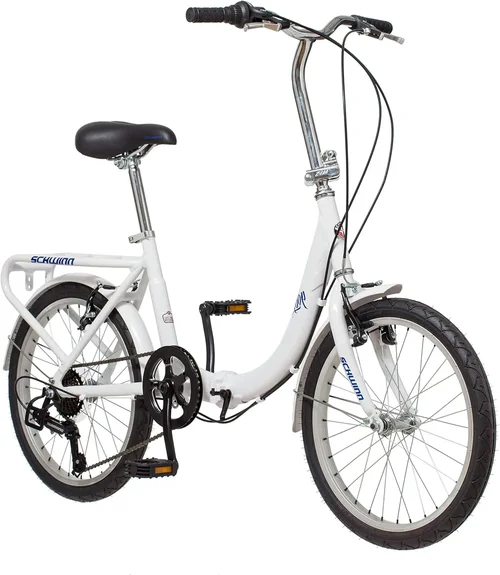
Electric bikes have revolutionized personal transportation, offering eco-friendly, efficient, and fun ways to commute, explore, or simply stay active. Among the most innovative developments in the e-bike world are folding electric bikes—compact, portable, and incredibly versatile machines that combine the convenience of a foldable frame with the power of an electric motor. Whether you’re navigating crowded city streets, hopping on public transit, or storing your ride in a small apartment, a folding ebike can be a game-changer.
In 2026, the folding ebike market has matured significantly. With advancements in battery technology, motor efficiency, and frame engineering, today’s models offer performance and reliability that rival full-sized e-bikes. Yet, with so many options flooding the market—from budget-friendly commuter models to high-end, feature-packed machines—it’s easy to feel overwhelmed. That’s where this comprehensive buying guide comes in. We’ve done the research, tested the trends, and analyzed the specs to help you make an informed decision. You’ll learn what to prioritize, how to avoid common pitfalls, and which models deliver the best value for your needs.
This guide is designed for everyone—from first-time buyers curious about electric mobility to seasoned riders looking to upgrade. Whether you need a lightweight companion for weekend adventures or a daily workhorse for urban commuting, we’ll walk you through every critical factor, from battery life and motor power to portability and warranty. By the end, you’ll not only know what to look for in a folding ebike but also how to find the perfect match for your lifestyle, budget, and riding goals.
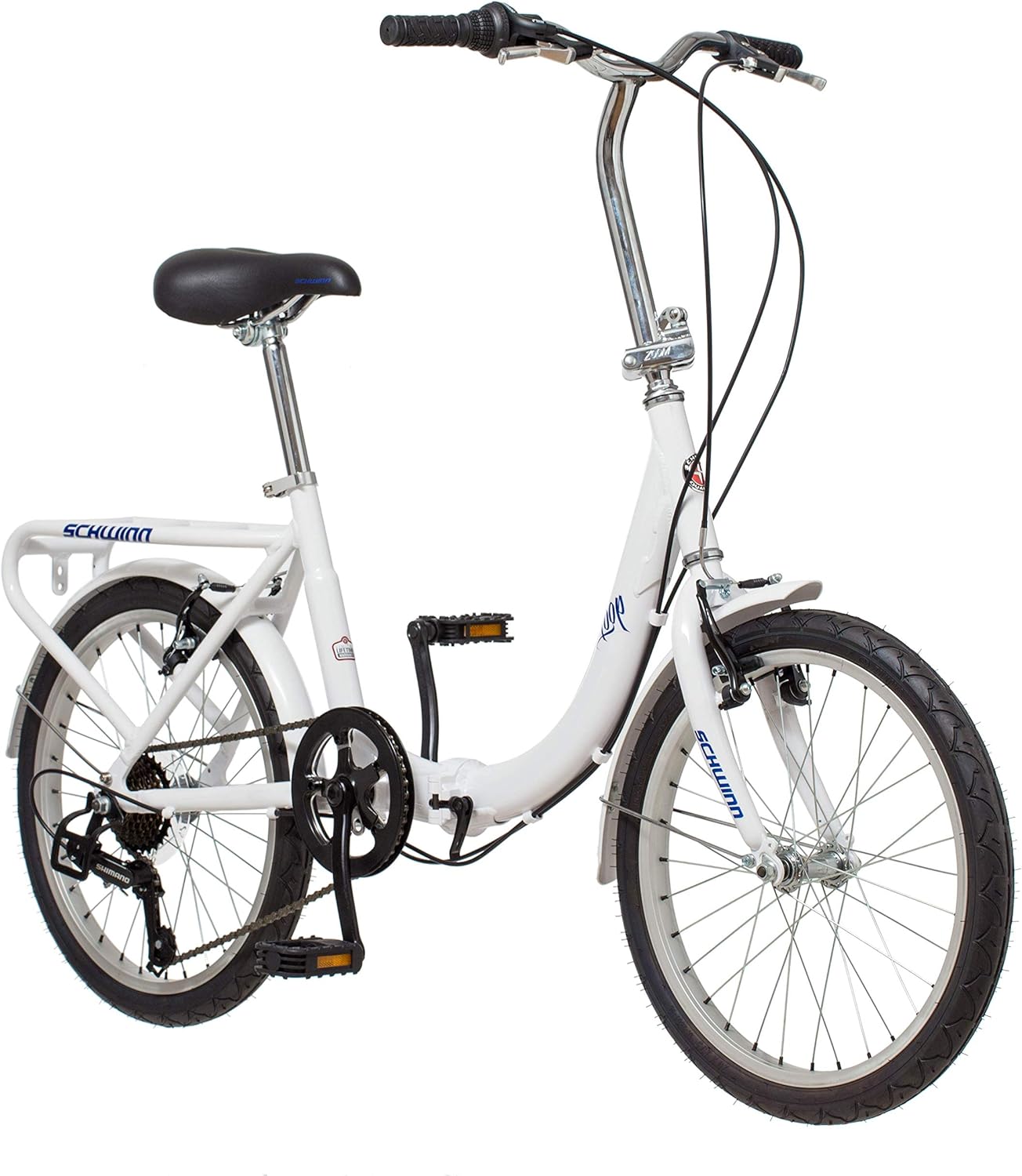
What to Look for When Buying a Folding Ebike
1. Budget & Price Range
Your budget is the foundation of your folding ebike purchase. Prices can range from under $500 for entry-level models to over $3,000 for premium, high-performance bikes. It’s essential to set a realistic spending limit based on how often you’ll use the bike and what features matter most to you. While it’s tempting to go for the cheapest option, remember that folding ebikes are complex machines involving motors, batteries, frames, and electronics—cutting corners often leads to poor reliability and higher long-term costs.
For most riders, the sweet spot lies between $800 and $1,500. In this range, you’ll find well-built bikes with decent motors (250W–500W), reliable lithium-ion batteries (36V–48V), and solid frames made from aluminum alloys. These models typically offer a good balance of performance, durability, and portability. If you’re on a tight budget, consider refurbished or open-box models from reputable brands—they often come with warranties and can save you hundreds.
2. Motor Power & Performance
The motor is the heart of any ebike, and in a folding model, it needs to be both powerful and efficient. Most folding ebikes come with hub motors (in the front or rear wheel) or mid-drive motors (mounted near the pedals). Hub motors are more common in folding bikes due to their simplicity and compact design. Look for a motor rated between 250W and 750W. A 250W motor is sufficient for flat city riding, while 500W or higher is better for hills, heavier riders, or faster speeds.
Performance isn’t just about wattage—it’s also about torque and responsiveness. A motor with high torque (measured in Newton-meters) will help you accelerate quickly from stops and climb inclines with ease. Pay attention to whether the motor offers pedal assist (PAS) levels and throttle control. PAS lets you choose how much assistance you want while pedaling, while a throttle allows you to ride without pedaling at all—great for quick starts or tired legs.
Also consider the motor’s placement. Rear hub motors generally provide better traction and a more natural riding feel, while front hub motors are lighter and easier to maintain. Mid-drive motors offer superior balance and efficiency but are rare in folding ebikes due to space constraints.
3. Battery Life & Range
Battery capacity is arguably the most critical factor for any ebike, especially a folding one that might be used for longer commutes or multi-modal travel. Battery capacity is measured in watt-hours (Wh), which is calculated by multiplying voltage (V) by amp-hours (Ah). For example, a 36V 10.4Ah battery has a capacity of 374.4Wh.
Most folding ebikes offer ranges between 20 and 60 miles on a single charge, depending on terrain, rider weight, assist level, and weather. A 400Wh battery is a good baseline for moderate use, while 500Wh or higher is ideal for longer rides or hilly areas. Lithium-ion (Li-ion) batteries are standard and preferred for their energy density, longevity, and lightweight design.
Charging time is another consideration. Most batteries take 4–6 hours to fully charge, though some fast-charging models can reach 80% in under 3 hours. Removable batteries are a huge advantage—they allow you to charge indoors and reduce the risk of theft. Always check the battery’s cycle life (typically 500–1,000 charge cycles) and whether it comes with a warranty.
4. Frame Material & Build Quality
The frame is what holds everything together, so durability and weight are key. Most folding ebikes use aluminum alloy frames because they’re lightweight, rust-resistant, and strong enough to handle daily use. High-quality aluminum (like 6061 or 7005) offers better strength-to-weight ratios and longevity. Avoid steel frames unless you’re looking for extreme durability—they’re heavier and can rust over time.
Pay close attention to the folding mechanism. It should be intuitive, secure, and easy to operate with one hand. Look for reinforced hinges, locking pins, and anti-rattle features. A poorly designed fold can lead to instability or even accidents. Test the fold in person if possible—some bikes fold in seconds, while others require multiple steps and tools.
Weight is another critical factor. Most folding ebikes weigh between 35 and 55 pounds. Lighter models (under 40 lbs) are easier to carry upstairs or onto trains, but they may sacrifice battery size or motor power. Heavier bikes often have larger batteries and sturdier builds but can be cumbersome for frequent lifting.
5. Portability & Foldability
One of the main reasons people choose folding ebikes is portability. But not all folding bikes are created equal. A truly portable model should fold compactly, ideally into a package that’s under 30 inches in length and can be rolled or carried easily. Some bikes include built-in wheels or carrying handles, which make a big difference when navigating tight spaces.
Consider how the bike folds: does it collapse vertically, horizontally, or into a compact cube? Vertical folds are common but can be bulky. Horizontal folds often result in a lower profile. Some premium models use advanced folding systems that reduce the bike to the size of a large suitcase. Also, check the folded dimensions and weight—will it fit in your car trunk, under your desk, or in a storage closet?
Another portability feature is whether the pedals fold. Most do, but some require tools or extra steps. Folding pedals reduce the overall footprint and prevent snagging. Finally, consider whether the bike can be rolled while folded. Models with rear wheels that remain on the ground when folded allow you to “wheel” the bike like luggage—a major convenience in airports or train stations.
6. Tire Size & Type
Tires affect ride comfort, traction, and puncture resistance. Folding ebikes typically use smaller wheels—16″, 20″, or 24″—compared to standard bikes. Smaller wheels are lighter and help reduce the folded size, but they can feel less stable on rough terrain. Larger wheels (20″ and up) offer better rolling efficiency and a smoother ride.
Tire width matters too. Narrow tires (1.5″–1.75″) are faster on pavement but less comfortable. Wider tires (2.0″–2.5″) provide better cushioning and grip, especially on gravel or uneven surfaces. Look for puncture-resistant tires with reflective sidewalls for added safety. Some models come with tubeless-ready rims or self-sealing inner tubes, which can prevent flats.
Also consider whether the tires are air-filled or solid. Air-filled tires offer a more comfortable ride and better performance but require occasional inflation and are prone to punctures. Solid or foam-filled tires are maintenance-free but can feel harsh and reduce efficiency. For most riders, air-filled tires with good tread and puncture protection are the best choice.
7. Braking System
Safety starts with reliable brakes. Most folding ebikes use either mechanical disc brakes, hydraulic disc brakes, or rim brakes (V-brakes). Disc brakes are superior—they offer better stopping power, especially in wet conditions, and are less affected by wheel wear. Hydraulic disc brakes provide the best performance with minimal hand effort, while mechanical discs are easier to maintain.
Rim brakes are cheaper and lighter but wear down over time and can lose effectiveness when wet or dirty. Avoid bikes with only coaster brakes (back-pedal brakes)—they’re outdated and unsafe for electric bikes due to the added weight and speed.
Check the brake levers—they should be ergonomic and easy to reach. Some models include regenerative braking, which recharges the battery slightly when you brake. While not a major range booster, it’s a nice efficiency feature. Always test the brakes before buying: do they engage smoothly? Is there enough stopping power at higher speeds?
8. Display & Smart Features
The display is your interface with the bike. Basic models have simple LED indicators for battery and assist level, while advanced bikes feature full-color LCD or TFT screens with real-time data like speed, distance, time, and even GPS. A good display should be bright, readable in sunlight, and easy to navigate.
Smart features are becoming more common. Look for Bluetooth connectivity, smartphone app integration, and anti-theft alarms. Apps can track your rides, update firmware, and even lock the bike remotely. Some bikes include built-in lights, USB charging ports, and turn signals—small conveniences that enhance safety and usability.
Also consider whether the bike has multiple riding modes (Eco, Normal, Sport, etc.). These allow you to customize power output and extend battery life. A throttle override is useful for quick bursts of speed, while walk-assist mode helps when pushing the bike uphill.
9. Suspension & Comfort
Comfort is often overlooked in folding ebikes, but it’s crucial for longer rides. Many models lack suspension, relying on tire cushioning and frame flex to absorb shocks. However, some include front suspension forks or seat post suspension, which can significantly improve ride quality on bumpy roads.
If you plan to ride on rough terrain or for extended periods, look for a bike with at least a suspension seat post. Full suspension (front and rear) is rare in folding bikes due to weight and complexity, but a few premium models offer it. Adjustable handlebars and ergonomic grips also contribute to comfort.
Seat quality matters too. A well-padded, adjustable saddle can make a big difference. Some bikes come with suspension seats or gel covers. If comfort is a priority, consider upgrading to a custom seat after purchase.
10. Brand Reputation & Customer Support
Not all folding ebike brands are created equal. Established brands like Rad Power Bikes, Aventon, Swagtron, and Lectric offer better build quality, customer service, and warranty coverage than no-name manufacturers. Research the brand’s history, read user reviews, and check if they have a physical presence in your country.
Customer support is vital—especially for complex electronics. Look for brands that offer responsive support via phone, email, or chat. Check if they have local service centers or authorized repair shops. A strong warranty (at least 1 year on the frame and motor, 6–12 months on the battery) is a sign of confidence in their product.
Avoid brands that sell exclusively through third-party marketplaces with no direct contact. If something goes wrong, you’ll have no recourse. Stick to companies with transparent policies and positive community feedback.
Different Types of Folding Ebikes

Common Buying Mistakes to Avoid
❌ Mistake: Ignoring Weight and Portability
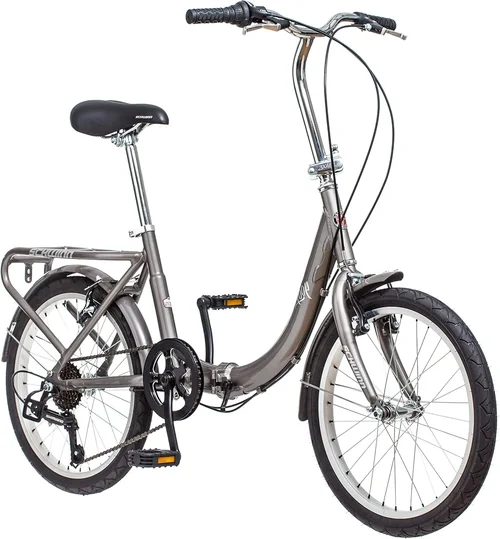
Why it’s bad: A heavy or awkwardly folding bike defeats the purpose of a folding ebike. If you can’t easily carry it up stairs or stow it under a desk, you’ll end up leaving it at home.
What to do instead: Prioritize weight (under 45 lbs) and folding mechanism. Test the fold in person or watch detailed demo videos. Look for models with carrying handles and wheels.
❌ Mistake: Overlooking Battery Range
Why it’s bad: Running out of battery mid-commute leaves you stranded. Manufacturers often quote “ideal” range, which doesn’t account for hills, wind, or high assist levels.
What to do instead: Calculate your daily mileage and add 20–30% buffer. Choose a battery with at least 400Wh for city riding. Consider a spare battery for long trips.
❌ Mistake: Choosing Based on Price Alone
Why it’s bad: The cheapest bikes often use low-quality components that fail quickly, leading to costly repairs or replacements.
What to do instead: Focus on value, not just price. A $1,000 bike with a good warranty and reliable parts is better than a $600 bike that breaks in six months.
❌ Mistake: Skipping the Test Ride
Why it’s bad: Fit and feel are personal. A bike that looks great online might be uncomfortable or hard to control in real life.
What to do instead: Visit local dealers or attend e-bike expos. If buying online, choose retailers with generous return policies (30+ days).
❌ Mistake: Ignoring Local Laws
Why it’s bad: E-bike regulations vary by region. Some areas limit motor power, speed, or require licensing. Riding illegally can result in fines or confiscation.
What to do instead: Check your local laws. In the U.S., Class 1 and 2 e-bikes (20 mph max) are widely permitted. Avoid Class 3 (28 mph) unless allowed.
❌ Mistake: Not Researching Warranty & Support
Why it’s bad: E-bikes have complex electronics. Without proper support, a minor issue can become a major expense.
What to do instead: Choose brands with at least a 1-year comprehensive warranty and accessible customer service. Read warranty terms carefully.
❌ Mistake: Forgetting About Maintenance
Why it’s bad: E-bikes require regular upkeep—tire pressure, brake adjustments, chain lubrication. Neglect leads to poor performance and safety risks.
What to do instead: Learn basic maintenance or find a local shop that services e-bikes. Budget for annual tune-ups.
Budget Guidelines: How Much Should You Spend?
- Entry-Level ($400–$700): These bikes are best for occasional use or short, flat commutes. Expect basic motors (250W), smaller batteries (300–350Wh), and minimal features. Build quality may be inconsistent, and warranties are often limited. Ideal for students or casual riders on a tight budget.
- Mid-Range ($700–$1,500): The sweet spot for most buyers. These bikes offer reliable motors (350W–500W), decent batteries (400–500Wh), and solid aluminum frames. You’ll find better brakes, displays, and folding mechanisms. Great for daily commuting and weekend rides.
- Premium ($1,500–$2,500): For enthusiasts and frequent riders. Expect high-performance motors (500W–750W), long-range batteries (500–700Wh), and advanced features like suspension, smart displays, and app connectivity. Build quality is excellent, and warranties are comprehensive.
- Luxury ($2,500+): Top-tier models with cutting-edge technology, ultra-light materials, and premium components. These bikes often include GPS tracking, regenerative braking, and custom tuning. Best for tech lovers, long-distance travelers, or those who want the absolute best.
Expert Tips for Getting the Best Deal
- Buy During Off-Peak Seasons: Prices drop in late fall and winter when demand is low. Look for holiday sales (Black Friday, Cyber Monday) or end-of-year clearance events.
- Shop Direct from Manufacturers: Brands like Rad Power Bikes and Lectric often offer exclusive discounts, free shipping, and extended warranties when you buy directly.
- Consider Refurbished Models: Certified refurbished bikes are inspected, tested, and often come with warranties. You can save 20–30% off retail.
- Check Return Policies: Choose retailers with at least a 14-day return window. Some offer 30 or even 60 days, giving you time to test the bike thoroughly.
- Look for Bundles: Some sellers include free accessories like helmets, locks, lights, or phone mounts. These can add significant value.
- Join Online Communities: Forums like Reddit’s r/ebikes or Facebook groups often share exclusive promo codes and insider deals.
- Negotiate with Local Dealers: Independent bike shops may offer discounts or free tune-ups to win your business, especially if you’re buying multiple items.
- Read the Fine Print: Understand warranty coverage, return fees, and shipping costs. Some “free shipping” deals have hidden restocking fees.
Frequently Asked Questions
Q: How far can a folding ebike go on a single charge?
A: Most folding ebikes offer 20–60 miles of range, depending on battery size, terrain, rider weight, and assist level. A 400Wh battery typically provides 30–40 miles in mixed conditions.
Q: Are folding ebikes safe?
A: Yes, when built properly. Look for models with quality brakes, stable frames, and reliable motors. Always wear a helmet and follow traffic laws.
Q: Can I take a folding ebike on public transit?
A: In most cities, yes—especially if the bike folds compactly and isn’t too heavy. Check local transit rules, as some have size or weight limits.
Q: How long do folding ebike batteries last?
A: Lithium-ion batteries typically last 500–1,000 charge cycles, or 2–4 years with regular use. Proper care (avoiding extreme temperatures and full discharges) extends lifespan.
Q: Do I need a license to ride a folding ebike?
A: In most U.S. states and many countries, no license is required for Class 1 or 2 e-bikes (under 20 mph). Class 3 bikes (28 mph) may have additional requirements.
Q: Can I ride a folding ebike in the rain?
A: Most are water-resistant but not fully waterproof. Avoid submerging the battery or motor. Dry the bike after wet rides to prevent corrosion.
Q: How often should I service my folding ebike?
A: Basic maintenance (tire pressure, chain lubrication) should be done monthly. A professional tune-up is recommended every 6–12 months.
Q: Are folding ebikes good for hills?
A: Yes, if equipped with a powerful motor (500W+) and sufficient battery. Look for models with high torque and multiple assist levels.
Q: Can I upgrade the battery on my folding ebike?
A: Some models allow battery upgrades, but compatibility varies. Check with the manufacturer before purchasing a larger battery.
Q: What’s the difference between pedal assist and throttle?
A: Pedal assist provides power only when you pedal, while throttle lets you ride without pedaling. Both are useful—throttle for quick starts, PAS for efficiency.
Our Final Recommendations
- Best for Budget-Conscious Buyers: Lectric XP 3.0 – At under $1,000, it offers 500W motor, 48V battery, and a compact fold. Great value for daily commuting.
- Best Overall Value: Rad Power Bikes RadMini 4 – Reliable, powerful (750W), and packed with features. Excellent build quality and customer support.
- Best Premium Option: Aventon Aventure.2 Folding – High-end components, full suspension, and smart features. Ideal for serious riders.
- Best for Beginners: Swagtron EB7 Plus – Easy to use, lightweight, and affordable. Perfect for first-time e-bike owners.
- Best for Advanced Users: GoCycle G4 – Ultra-portable, futuristic design, and app integration. A tech lover’s dream.
Conclusion: Making the Right Choice
Choosing the right folding ebike is about more than just specs and price—it’s about finding a machine that fits seamlessly into your life. Whether you’re dodging traffic on a morning commute, exploring scenic trails on weekends, or simply looking for a greener way to get around, the perfect folding ebike can transform your daily routine. By focusing on key factors like battery life, motor power, portability, and build quality, you’ll avoid common pitfalls and invest in a bike that delivers lasting value.
Remember, the best bike for you isn’t necessarily the most expensive or the most feature-packed—it’s the one that matches your needs, budget, and lifestyle. Take your time, do your research, and don’t hesitate to test ride before you buy. With the insights from this guide, you’re now equipped to make a confident, informed decision. So go ahead—embrace the freedom, convenience, and joy that only a folding ebike can offer. Your next adventure is just a pedal (or throttle) away.