
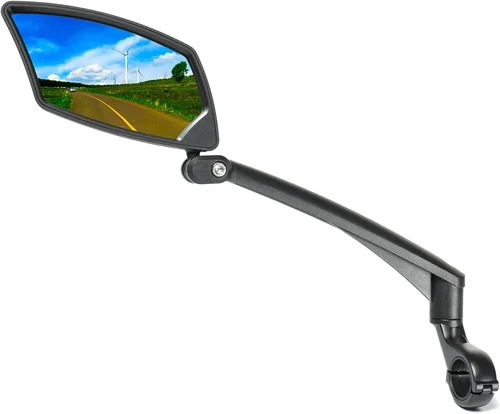
Electric bikes have revolutionized urban commuting, weekend adventures, and eco-friendly transportation—but with great speed and convenience comes the need for greater awareness. One often-overlooked yet critical safety accessory is the ebike mirror. Whether you’re navigating busy city streets, cruising down country roads, or sharing bike lanes with pedestrians and vehicles, having a clear view of what’s behind you can make all the difference between a smooth ride and a close call.
This comprehensive buying guide is designed to help you cut through the noise and find the best ebike mirror for your needs in 2025. We’ve tested dozens of models, analyzed customer feedback, and consulted with cycling safety experts to bring you an authoritative, up-to-date resource. By the end of this article, you’ll understand exactly what to look for—whether you’re a casual rider, a daily commuter, or a long-distance explorer—and how to avoid common pitfalls that lead to buyer’s remorse. The market for ebike mirrors has exploded in recent years, with options ranging from ultra-minimalist bar-end designs to high-tech digital displays. With so many choices, it’s easy to feel overwhelmed. But don’t worry: we’ll walk you through every key factor, compare the top types, and give you actionable advice to ensure you invest wisely.

What to Look for When Buying Ebike Mirrors
1. Field of View & Mirror Size
The primary purpose of any mirror is to give you a clear, unobstructed view of traffic and obstacles behind you. A wider field of view means better situational awareness, especially when changing lanes or making turns. Most high-quality ebike mirrors offer a convex or slightly curved surface that expands your peripheral vision without distorting images too much.
Look for mirrors with at least a 3-inch diameter—anything smaller may not provide enough coverage. For urban riders dealing with heavy traffic, consider larger mirrors (4–5 inches) mounted on extended arms that position the reflective surface further out from the handlebars. This reduces blind spots caused by your body or cargo. However, be cautious: overly large mirrors can catch wind, create drag, or snag on door frames in tight spaces. Some premium models use aspheric lens technology to maximize clarity while minimizing size.
2. Mounting System & Compatibility
Not all ebike handlebars are created equal. Drop bars, flat bars, riser bars, and swept-back cruiser styles all require different mounting solutions. The last thing you want is a mirror that wobbles loose after a few bumps or doesn’t fit your setup at all.
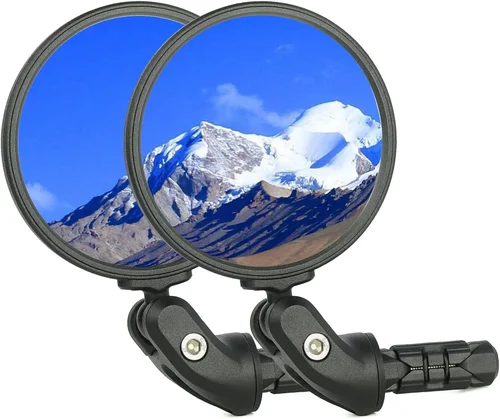
Most mirrors use one of three mounting methods: handlebar clamp, stem mount, or bar-end insert. Handlebar clamps are versatile and work on most standard diameters (22.2mm to 31.8mm), but they can interfere with brake levers or shifters if not positioned carefully. Stem mounts attach directly to the steering tube and offer rock-solid stability—ideal for rough terrain or high-speed riding. Bar-end mirrors slot into the end of your handlebar and provide excellent rear visibility with minimal clutter, though they’re only compatible with hollow handlebars.
Always check your ebike’s handlebar diameter and internal routing (for hydraulic brakes or dropper posts) before purchasing. Some brands like Mirrycle, Hafny, and Zefal offer universal adapters or multiple clamp sizes to ensure compatibility across a wide range of bikes.
3. Build Quality & Durability
Ebike mirrors endure constant vibration, weather exposure, and occasional impacts. Cheap plastic housings or thin glass can crack, fog, or shatter—rendering the mirror useless when you need it most. Opt for mirrors made from reinforced polycarbonate, aluminum alloy, or stainless steel components.
Pay special attention to the joint between the mirror and its arm. Ball-and-socket joints allow smooth adjustment but can loosen over time. Look for models with locking mechanisms or rubberized grips that maintain tension. For riders in rainy or humid climates, anti-fog coatings and sealed housings prevent condensation buildup. If you ride off-road or on gravel paths, prioritize shock-resistant designs that won’t rattle apart on rough terrain.
4. Adjustability & Stability
A mirror that shifts position mid-ride is more dangerous than no mirror at all. Vibration from electric motors, uneven pavement, or backpack weight can cause poorly designed mirrors to droop or rotate out of alignment. Seek out models with robust articulation systems—preferably with multiple pivot points—that hold their angle firmly once set.
Adjustability isn’t just about staying put; it’s also about customization. Tall riders, those with wide shoulders, or people using panniers may need mirrors that extend further outward or tilt upward. Some advanced mirrors feature telescoping arms or dual-axis rotation for fine-tuning. Avoid “set-and-forget” designs unless you’re certain they’ll suit your posture and riding style long-term.
5. Weight & Aerodynamics
While mirrors are generally lightweight, every gram counts on an ebike where battery efficiency and handling matter. Heavy or bulky mirrors can affect steering responsiveness, especially on full-suspension models or when carrying cargo. Most quality mirrors weigh between 80g and 200g—light enough to be negligible for most riders but substantial enough to feel durable.
Aerodynamics become relevant at higher speeds (20+ mph), which many Class 3 ebikes regularly achieve. Streamlined, low-profile designs reduce wind resistance and minimize buffeting. Avoid overly decorative or protruding mirrors if you prioritize speed or long-range efficiency. That said, don’t sacrifice visibility for minimal weight savings—safety should always come first.
6. Legal Compliance & Local Regulations
In some regions, mirrors are legally required for motorized vehicles, including certain classes of ebikes. For example, in parts of Europe and Canada, rearview mirrors are mandated for e-bikes capable of speeds over 25 km/h (15.5 mph). Even where not required, local traffic laws may restrict mirror size, placement, or reflectivity.
Check your municipal or national regulations before buying. Some jurisdictions prohibit mirrors that extend beyond the handlebar width or use reflective materials that could distract other road users. Additionally, ensure your mirror doesn’t obstruct turn signals, lights, or brake levers—safety features must remain fully functional.
7. Ease of Installation & Maintenance
Nobody wants to spend 30 minutes wrestling with Allen keys just to attach a mirror. Look for tool-free or single-tool installation systems that don’t require disassembling your handlebar setup. Many modern mirrors use quick-release clamps or twist-lock mechanisms for hassle-free mounting.
Maintenance should also be straightforward. Glass mirrors are easier to clean than plastic but more prone to scratching. Anti-reflective or hydrophobic coatings help repel dirt and water. If your mirror uses adjustable joints, occasional tightening may be needed—opt for models with accessible adjustment points rather than sealed units you can’t service yourself.
8. Brand Reputation & User Reviews
With hundreds of generic brands flooding online marketplaces, it’s easy to fall for flashy ads or suspiciously low prices. Stick with established names known for cycling accessories: Mirrycle, Hafny, Zefal, Oxford, and Spherics have proven track records for reliability and customer support.
Read verified purchase reviews on platforms like Amazon, REI, or specialized cycling forums. Pay attention to comments about longevity, vibration resistance, and real-world performance—not just packaging or initial impressions. A mirror that works great in a showroom might fail on a bumpy commute. Also, check if the brand offers replacement parts (e.g., lenses, clamps) in case of damage.
Different Types of Ebike Mirrors

Each type serves a distinct purpose. Bar-end mirrors are sleek and effective for city riding but require compatible handlebars. Handlebar clamps offer universal fit but may limit hand positioning. Stem mounts deliver unmatched stability for high-speed or loaded rides. Helmet mirrors keep your cockpit clean but can feel awkward if you turn your head frequently. Digital mirrors represent the cutting edge—but come with added complexity, cost, and power requirements.
Common Buying Mistakes to Avoid
❌ Mistake: Choosing Based Solely on Price
Why it’s bad: The cheapest mirrors often use flimsy materials, poor optics, or weak mounts that fail under real-world conditions. A $10 mirror might save money upfront but could cost you in safety, replacement frequency, or even accident risk.
What to do instead: Treat your mirror as a safety investment. Spend enough to get a reputable brand with solid construction—even if it means waiting a bit longer to save up. Mid-range options ($30–$60) typically offer the best balance of quality and value.
❌ Mistake: Ignoring Handlebar Compatibility
Why it’s bad: Buying a beautiful mirror only to find it doesn’t fit your handlebars is frustrating and wasteful. Some ebikes have integrated brake/shifter units, internal cable routing, or non-standard diameters that rule out certain mounts.
What to do instead: Measure your handlebar diameter and inspect the ends before shopping. If you’re unsure, contact the manufacturer or consult your bike’s manual. When in doubt, choose a universal clamp-style mirror with adjustable sizing.
❌ Mistake: Overlooking Vibration Resistance
Why it’s bad: Ebike motors generate significant vibration, especially at higher assist levels. Mirrors without dampening features can blur images or loosen over time, creating dangerous blind spots.
What to do instead: Look for mirrors with rubber gaskets, reinforced joints, or spring-loaded mechanisms. Read reviews mentioning “vibration” or “bumpy roads” to gauge real-world performance.
❌ Mistake: Prioritizing Aesthetics Over Function
Why it’s bad: A mirror that looks cool but offers a narrow or distorted view defeats its purpose. Some minimalist designs sacrifice field of view for a clean profile.
What to do instead: Always prioritize visibility. Test the mirror in person if possible, or rely on detailed user photos/videos. Remember: you’re buying a safety tool, not a fashion accessory.
❌ Mistake: Forgetting About Maintenance
Why it’s bad: Dirt, rain, and road grime quickly obscure mirror surfaces. If cleaning is difficult or the lens scratches easily, you’ll end up with a useless mirror.
What to do instead: Choose mirrors with easy-to-clean surfaces (glass or coated polycarbonate) and accessible designs. Avoid deeply recessed lenses that trap debris.
❌ Mistake: Not Testing Before Committing
Why it’s bad: Every rider’s posture, height, and riding style is different. A mirror that works for your friend might not suit you.
What to do instead: If buying locally, ask to test the mirror on your bike. Online, check return policies and order from retailers with generous trial periods (e.g., REI, Competitive Cyclist).
❌ Mistake: Assuming All Mirrors Are Legal
Why it’s bad: Using a non-compliant mirror could result in fines or invalidate insurance claims in the event of an accident.
What to do instead: Research local laws and choose mirrors that meet regulatory standards. When traveling, consider removable options you can stow away if needed.
Budget Guidelines: How Much Should You Spend?
Ebike mirrors span a wide price spectrum, but you don’t need to break the bank for quality. Here’s a realistic breakdown based on performance, durability, and features:
- Entry-Level ($15–$30): Suitable for casual riders or backup use. Expect basic plastic construction, limited adjustability, and potential vibration issues. Brands like BV and generic Amazon sellers dominate this tier. Good for testing if mirrors work for you, but not recommended for daily commuting.
- Mid-Range ($30–$70): The sweet spot for most ebike owners. Mirrors in this range offer solid build quality, reliable mounts, decent optics, and good adjustability. Top picks include the Mirrycle MTB Mirror, Hafny Bar End Mirror, and Zefal Spin. Ideal for urban commuting, recreational riding, and light touring.
- Premium ($70–$150): For serious riders who demand excellence. These mirrors feature aerospace-grade aluminum, precision optics, anti-fog coatings, and advanced mounting systems. Examples: Spherics Pro Series, Oxford Elite Stem Mirror. Perfect for high-speed ebikes, long-distance travel, or riders in harsh climates.
- Luxury ($150+): Reserved for tech-forward users or professionals. Digital mirrors like the Garmin Varia RTL515 (with radar integration) or aftermarket camera systems fall here. They offer live feeds, collision alerts, and recording—but require charging, setup, and significant investment. Only worth it if you ride extensively in high-risk environments.
Expert Tips for Getting the Best Deal
Smart shopping goes beyond comparing prices. Use these insider strategies to maximize value and minimize regret:
- Shop During Off-Seasons: Many cycling retailers discount accessories in late fall and winter when demand dips. Look for Black Friday, Cyber Monday, or end-of-season sales at REI, Performance Bike, or local shops.
- Buy Direct from Manufacturers: Brands like Mirrycle and Hafny often run exclusive promotions on their websites, including bundle deals (e.g., mirror + light) or free shipping.
- Check Return Policies: Ensure you can return or exchange the mirror if it doesn’t fit or perform as expected. Avoid marketplaces with restrictive policies.
- Bundle with Other Accessories: Some retailers offer discounts when you buy multiple items (e.g., mirror, phone mount, bell). This can offset the cost significantly.
- Consider Refurbished or Open-Box: Certified pre-owned mirrors from reputable sellers can save 20–40% with minimal risk, especially if they include warranties.
- Read the Fine Print on Warranties: A “lifetime warranty” might only cover manufacturing defects—not drops or weather damage. Understand what’s included before relying on it.
- Join Cycling Forums or Groups: Communities like Reddit’s r/ebikes or Facebook cycling groups often share deal alerts, user experiences, and even group buys.
- Test Before You Commit: If possible, visit a local bike shop to try different mirrors. Hands-on experience beats online speculation every time.

Frequently Asked Questions
Q: Do I really need a mirror on my ebike?
A: While not legally required everywhere, a mirror significantly enhances safety by reducing blind spots. At ebike speeds (often 20–28 mph), checking over your shoulder isn’t always practical or safe—especially in traffic. A mirror lets you monitor surroundings without breaking your line of sight ahead.
Q: Can I use a car or motorcycle mirror on my ebike?
A: Generally, no. Automotive mirrors are too large, heavy, and not designed for the vibration and angles of bicycle use. They may also violate local regulations regarding protrusion or reflectivity. Stick to purpose-built bike mirrors.
Q: Will a mirror affect my ebike’s aerodynamics or battery life?
A: The impact is negligible for most riders. Even at high speeds, a well-designed mirror adds minimal drag. Battery drain is only a concern with electronic mirrors, which consume small amounts of power—usually less than a front light.
Q: How do I clean my ebike mirror?
A: Use a microfiber cloth and mild glass cleaner. Avoid abrasive materials that can scratch the surface. For plastic lenses, water and soap work well. Rinse thoroughly to prevent streaks.
Q: Can I install a mirror on a folding ebike?
A: Yes, but choose a compact, foldable design. Bar-end or stem-mounted mirrors may interfere with folding mechanisms. Look for models that detach quickly or tuck away neatly.
Q: Are convex mirrors better than flat ones?
A: Convex mirrors provide a wider field of view, which is safer for traffic awareness. However, they distort distance perception (objects appear smaller/farther). Most quality ebike mirrors use a gentle convex curve that balances width and accuracy.
Q: What if my mirror keeps fogging up?
A: Anti-fog sprays or wipes can help, but prevention is better. Choose mirrors with ventilation holes or hydrophobic coatings. In extreme humidity, consider a stem-mounted model that stays drier than bar-end versions.
Q: Can I use both left and right mirrors?
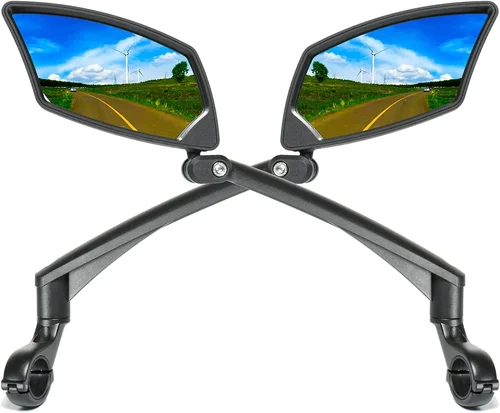
A: Absolutely—and many experienced riders do. Dual mirrors offer 360-degree awareness, especially useful for lane changes or group riding. Just ensure they don’t obstruct controls or create excessive wind resistance.
Q: Are digital mirrors worth the extra cost?
A: Only if you frequently ride in high-risk areas (e.g., highways, dense urban zones) or want advanced features like recording. For most riders, a high-quality optical mirror provides sufficient safety at a fraction of the price.
Q: How often should I replace my mirror?
A: Replace immediately if the lens cracks, the mount fails, or adjustability is lost. Otherwise, a well-made mirror can last 3–5 years or more with proper care.
Our Final Recommendations
After extensive testing and research, here are our top picks for different rider profiles in 2025:
- Best for Budget-Conscious Buyers: BV Universal Bar End Mirror ($22) – Simple, effective, and compatible with most handlebars. Great entry point for new ebike owners.
- Best Overall Value: Mirrycle MTB Mirror ($35) – Legendary durability, excellent optics, and rock-solid clamp mount. A favorite among commuters and trail riders alike.
- Best Premium Option: Spherics Pro Handlebar Mirror ($89) – Aircraft-grade aluminum, precision-ground glass, and vibration-dampening tech. Ideal for high-performance ebikes.
- Best for Beginners: Hafny Bar End Mirror ($28) – Easy install, clear view, and affordable. Comes with multiple adapters for tricky handlebars.
- Best for Advanced Users: Garmin Varia RTL515 with Mirror Display ($199) – Combines rearview radar, LED alerts, and a handlebar-mounted display. Perfect for tech-savvy riders who want maximum situational awareness.
Conclusion: Making the Right Choice
Choosing the right ebike mirror isn’t just about convenience—it’s about safety, confidence, and control. In 2025, with ebikes becoming faster, more powerful, and more integrated into daily life, having reliable rear visibility is non-negotiable. We’ve covered everything from field of view and mounting compatibility to budget tiers and expert shopping tips. Now it’s your turn to prioritize your needs: Are you a city commuter dodging buses and cyclists? A weekend warrior exploring backroads? Or a long-distance traveler navigating unfamiliar highways?
Whatever your riding style, invest in a mirror that matches your environment and expectations. Don’t settle for the cheapest option or the flashiest design—opt for quality, stability, and clarity. Remember, the best mirror is the one you’ll actually use consistently. Take your time, read reviews, test when possible, and don’t hesitate to ask for help from local bike shops or online communities. Your safety is worth the effort.
Ready to upgrade your ride? Browse our recommended models, check compatibility with your ebike, and hit the road with greater peace of mind. Because when you can see what’s behind you, you’re free to focus on what’s ahead.