
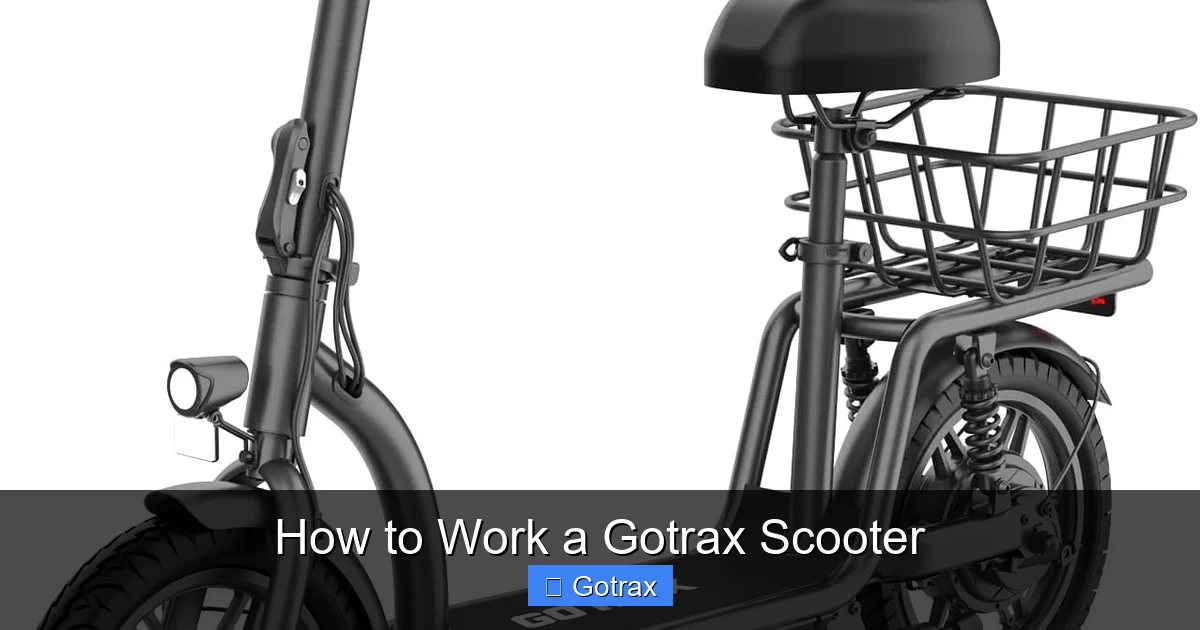
This guide teaches you how to work a Gotrax scooter from unboxing to advanced riding. You’ll learn setup, operation, safety, and maintenance for a safe, fun experience.
Key Takeaways
- Proper assembly is essential: Follow the manual to safely assemble your Gotrax scooter, including handlebars, stem, and deck.
- Charge before first use: Always fully charge the battery before riding to ensure optimal performance and longevity.
- Master the controls: Learn the throttle, brake, and display functions to ride confidently and safely.
- Practice in a safe area: Start in a flat, open space with no traffic to build balance and control.
- Wear safety gear: Always wear a helmet and consider knee and elbow pads, especially for beginners.
- Regular maintenance extends life: Check tire pressure, brakes, and bolts weekly to keep your scooter in top shape.
- Understand speed modes: Gotrax scooters often have multiple speed settings—start slow and increase as you gain confidence.
How to Work a Gotrax Scooter: A Complete Beginner’s Guide
So you’ve just unboxed your new Gotrax scooter—congratulations! Whether you’re commuting to work, cruising around campus, or just having fun outdoors, your Gotrax is a reliable, eco-friendly way to get around. But before you zip off into the sunset, it’s important to understand how to work a Gotrax scooter properly. This guide will walk you through every step, from setup to riding, charging, and maintenance, so you can enjoy a safe, smooth, and fun experience every time.
In this guide, you’ll learn:
– How to assemble your scooter correctly
– How to charge and care for the battery
– How to operate the controls and ride safely
– How to maintain your scooter for long-term use
– Troubleshooting common issues
Let’s get started!
Step 1: Unboxing and Initial Setup
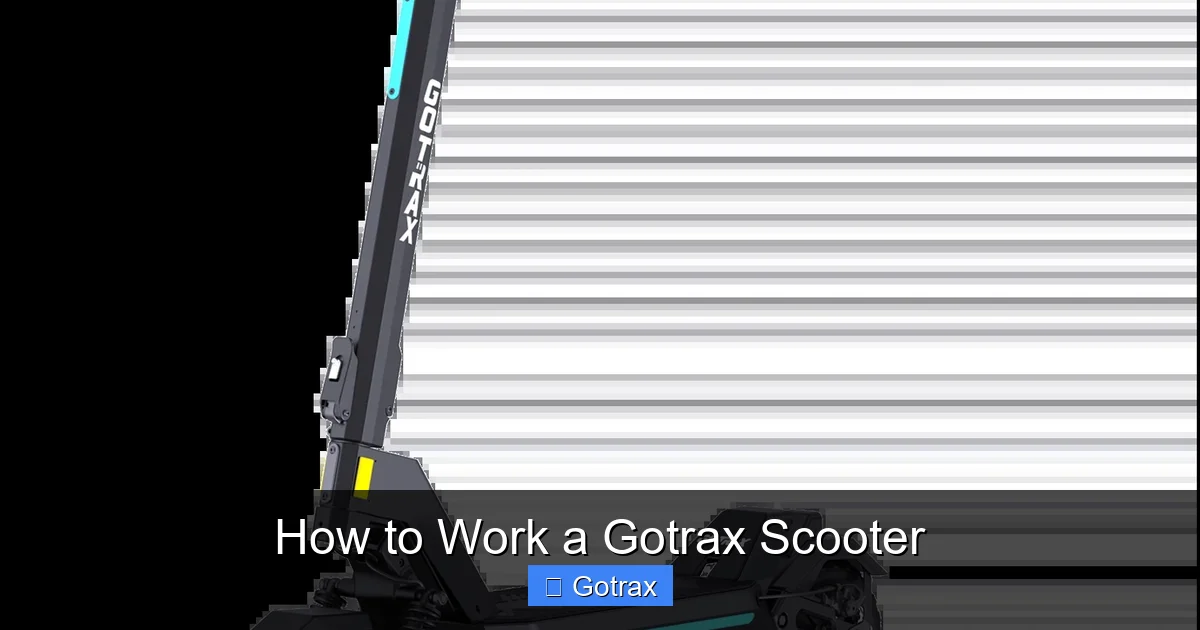
Visual guide about How to Work a Gotrax Scooter
Image source: gotrax.ca
When your Gotrax scooter arrives, it will be mostly assembled but not ready to ride. The first step is to carefully unbox it and complete the setup.
What’s in the Box?
Most Gotrax models come with:
– The scooter (folded)
– Handlebar stem
– Charger
– User manual
– Allen wrench or tools (if needed)
– Safety leaflet
Unfolding the Scooter
Gotrax scooters are designed to fold for easy storage and transport. To unfold:
1. Stand the scooter upright on its wheels.
2. Locate the folding latch near the deck.
3. Press the latch and lift the handlebar stem until it clicks into place.
4. Make sure the stem is fully locked—give it a gentle tug to confirm.
Attaching the Handlebars
Some models require you to attach the handlebars:
1. Insert the handlebar stem into the front fork.
2. Use the included Allen wrench to tighten the bolts securely.
3. Ensure the handlebars are straight and aligned with the front wheel.
Check All Bolts and Connections
Before riding, inspect all bolts, especially:
– Stem clamp
– Handlebar bolts
– Deck screws
– Brake components
Tighten any loose parts. A wobbly scooter is unsafe and can lead to accidents.
Step 2: Charging the Battery
Gotrax scooters are electric, so a fully charged battery is essential. Never ride with a low or dead battery.
Locate the Charging Port
The charging port is usually on the side or rear of the deck, near the battery. It’s a small, covered port—lift the rubber flap to access it.
Plug in the Charger
1. Connect the charger to the scooter’s port.
2. Plug the other end into a standard wall outlet.
3. The LED light on the charger will turn red while charging.
Charging Time
Most Gotrax scooters take 4–6 hours to fully charge. The LED light turns green when complete. Avoid overcharging—unplug once green.
First Ride Tip
Always charge your scooter fully before the first ride. This helps calibrate the battery and ensures maximum range.
Step 3: Understanding the Controls
Gotrax scooters are simple to operate, but it’s important to know what each part does.
The Display Screen
Most models have a small LCD or LED display that shows:
– Battery level (bars or percentage)
– Speed (mph or km/h)
– Speed mode (Eco, Normal, Sport)
– Odometer (distance traveled)
The Throttle
Located on the right handlebar, the throttle is a twist-grip or thumb lever. To accelerate:
– Gently twist or press the throttle.
– The scooter will begin moving forward.
– Release to slow down.
The Brake
The rear brake is usually a hand lever on the left handlebar. Squeeze it gently to slow down or stop. Some models also have a foot brake on the rear fender—press down with your foot.
Power Button
Press and hold the power button (usually near the display) for 2–3 seconds to turn the scooter on or off. The display will light up when powered.
Speed Modes
Many Gotrax scooters have 3 speed modes:
– **Eco Mode (Low):** Slower speed, longer battery life—great for beginners.
– **Normal Mode (Medium):** Balanced speed and range.
– **Sport Mode (High):** Fastest speed, shorter battery life.
Switch modes using the mode button (often near the display). Start in Eco mode until you’re comfortable.
Step 4: How to Ride Your Gotrax Scooter
Now that your scooter is set up and charged, it’s time to ride! But safety comes first.
Wear Safety Gear
Always wear:
– A certified helmet
– Knee and elbow pads (recommended)
– Closed-toe shoes
– Bright or reflective clothing (if riding at night)
Find a Safe Practice Area
Choose a flat, open space with no traffic—like a park, empty parking lot, or quiet street. Avoid hills, gravel, or wet surfaces at first.
Mounting the Scooter
1. Stand beside the scooter.
2. Place one foot on the deck.
3. Push off gently with your other foot.
4. Once moving, place both feet on the deck.
Starting to Ride
1. Turn on the scooter.
2. Stand with feet shoulder-width apart.
3. Gently twist the throttle to start moving.
4. Keep your weight centered and eyes forward.
Steering and Balancing
– Lean slightly into turns—don’t jerk the handlebars.
– Keep your knees slightly bent for balance.
– Look where you want to go, not at your feet.
Braking Safely
– Use the hand brake gradually—don’t slam it.
– Practice stopping from low speeds first.
– Always leave extra space when braking.
Turning and Cornering
– Slow down before turns.
– Lean gently into the turn.
– Avoid sharp turns at high speed.
Riding on Different Surfaces
– **Pavement:** Ideal surface—smooth and predictable.
– **Gravel or dirt:** Ride slowly; traction is reduced.
– **Wet surfaces:** Avoid if possible—braking distance increases.
– **Hills:** Use Sport mode for uphill climbs; brake gently downhill.
Step 5: Folding and Storing Your Scooter
Gotrax scooters are designed for portability. Folding makes them easy to carry or store.
How to Fold
1. Turn off the scooter.
2. Press the folding latch near the deck.
3. Lower the handlebar stem until it locks in place.
4. Some models have a secondary latch—check your manual.
Carrying the Scooter
– Use the handle near the deck to carry it like a suitcase.
– Avoid lifting by the stem or handlebars—this can damage the folding mechanism.
Storage Tips
– Store in a dry, cool place.
– Avoid extreme temperatures (hot cars, freezing garages).
– Charge the battery every 2–3 months if not in use.
Step 6: Battery Care and Charging Best Practices
The battery is the heart of your Gotrax scooter. Proper care extends its life.
Avoid Deep Discharges
Don’t let the battery die completely. Recharge when it reaches 20–30%.
Don’t Overcharge
Unplug once the charger light turns green. Overcharging can damage the battery.
Use the Right Charger
Always use the charger that came with your scooter. Third-party chargers may not be compatible.
Store with Partial Charge
If storing for weeks, keep the battery at 50–70% charge.
Check for Damage
Inspect the battery and charging port for cracks, swelling, or corrosion. If you see any, stop using the scooter and contact Gotrax support.
Step 7: Routine Maintenance
Regular maintenance keeps your scooter safe and reliable.
Weekly Checks
– Tighten all bolts and screws.
– Check tire pressure (if pneumatic tires).
– Inspect brakes for wear.
– Clean the deck and wheels.
Tire Care
– Solid tires: No inflation needed, but check for cracks or wear.
– Pneumatic tires: Inflate to recommended PSI (usually 40–50 PSI). Use a bike pump with a pressure gauge.
Brake Maintenance
– Test brakes before each ride.
– If the brake feels loose, adjust the cable or pads.
– Replace worn brake pads promptly.
Cleaning Your Scooter
– Wipe down with a damp cloth.
– Avoid high-pressure water—it can damage electronics.
– Dry thoroughly after cleaning.
Lubrication
– Apply light lubricant to the folding mechanism and brake cables if needed.
– Do not lubricate the motor or electrical parts.
Step 8: Troubleshooting Common Issues
Even the best scooters can have problems. Here’s how to fix common issues.
Scooter Won’t Turn On
– Check if the battery is charged.
– Ensure the power button is pressed firmly.
– Look for loose connections or damaged wires.
Throttle Not Working
– Make sure the scooter is powered on.
– Check if the throttle is stuck or damaged.
– Reset the scooter by turning it off and on.
Brake Feels Weak
– Adjust the brake cable tension.
– Inspect brake pads for wear.
– Clean the brake rotor (if disc brake).
Battery Drains Too Fast
– Check for excessive speed or uphill riding.
– Ensure tires are properly inflated.
– Avoid riding in cold weather—battery performance drops below 50°F (10°C).
Strange Noises
– Rattling: Tighten loose bolts.
– Squeaking: Lubricate moving parts.
– Grinding: Stop riding—could indicate motor or wheel damage.
Scooter Shuts Off While Riding
– Battery may be overheating—let it cool.
– Check for loose battery connections.
– Avoid overloading the scooter (stay under weight limit).
Step 9: Safety Tips and Best Practices
Safety should always come first when riding your Gotrax scooter.
Follow Traffic Rules
– Ride in bike lanes when available.
– Obey traffic signals and signs.
– Never ride on sidewalks where prohibited.
Be Visible
– Use lights at night (front white, rear red).
– Wear reflective gear.
– Avoid riding in blind spots of cars.
Ride Defensively
– Assume drivers don’t see you.
– Watch for opening car doors, pedestrians, and potholes.
– Keep a safe distance from other vehicles.
Avoid Distractions
– Don’t use headphones or phones while riding.
– Stay focused on the road.
Know Your Limits
– Don’t ride in bad weather (rain, snow, ice).
– Avoid high speeds until you’re experienced.
– Don’t carry passengers—Gotrax scooters are for one rider only.
Step 10: Getting the Most Out of Your Gotrax Scooter
Now that you know how to work a Gotrax scooter, here are some tips to enhance your experience.
Plan Your Route
Use bike paths, quiet streets, or scooter-friendly routes. Avoid busy roads and construction zones.
Track Your Rides
Use the odometer to track distance. Some models sync with apps for ride history and stats.
Upgrade Accessories
Consider adding:
– Phone mount
– Rear rack or basket
– Extra lights
– Phone charger port
Join the Community
Connect with other Gotrax riders online. Share tips, routes, and maintenance advice.
Keep the Manual Handy
Refer to your user manual for model-specific details, warranty info, and contact support.
Conclusion
Learning how to work a Gotrax scooter is easy when you follow the right steps. From unboxing and charging to riding and maintaining, this guide covers everything you need to ride safely and confidently. Remember to always wear safety gear, practice in a safe area, and perform regular maintenance. With proper care, your Gotrax scooter will provide years of reliable, fun transportation.
Whether you’re commuting, exploring, or just enjoying the ride, your Gotrax scooter is a smart, eco-friendly choice. Now get out there and enjoy the freedom of electric riding!