
Keeping your Gotrax scooter’s tires properly inflated is essential for safety, performance, and battery life. This guide walks you through the simple process of checking and pumping up your scooter tires, whether they’re air-filled or solid. With the right tools and a few minutes, you can maintain optimal tire pressure and enjoy a smoother, safer ride.
Key Takeaways
- Check tire pressure regularly: Properly inflated tires improve ride quality, extend battery life, and reduce wear on components.
- Use the correct pump: A standard bike pump with a pressure gauge works best for Gotrax scooters with air-filled tires.
- Know your tire type: Gotrax scooters come with either pneumatic (air-filled) or solid tires—only pneumatic tires need pumping.
- Inflate to recommended PSI: Most Gotrax models require 35–45 PSI; always check the sidewall or user manual for exact specs.
- Inspect for damage before inflating: Look for cracks, punctures, or worn tread that could affect safety.
- Store your pump with your scooter: A portable mini pump ensures you’re never stranded with a flat.
- Maintain consistent maintenance: Check tire pressure weekly, especially before long rides or in extreme temperatures.
How to Pump Up Tire in Gotrax Scooter: A Complete Step-by-Step Guide
Riding a Gotrax electric scooter is a fun, eco-friendly way to get around town—but only if your scooter is in top shape. One of the most overlooked yet crucial aspects of scooter maintenance is tire care. Whether you’re commuting to work, running errands, or just cruising for fun, properly inflated tires make all the difference. They affect your speed, braking, comfort, and even how far your battery lasts on a single charge.
In this comprehensive guide, we’ll walk you through everything you need to know about how to pump up tire in Gotrax scooter. You’ll learn how to identify your tire type, choose the right pump, check tire pressure, and inflate your tires safely and effectively. We’ll also cover troubleshooting tips, maintenance routines, and answers to common questions. By the end, you’ll be a pro at keeping your Gotrax rolling smoothly and safely.
Why Proper Tire Pressure Matters for Your Gotrax Scooter
Before diving into the “how,” let’s talk about the “why.” Why should you care about tire pressure? The answer is simple: it impacts nearly every aspect of your ride.
Visual guide about How to Pump Up Tire in Gotrax Scooter
Image source: cdn.shopify.com
When your tires are underinflated, your scooter has to work harder. The motor draws more power, which drains the battery faster. You’ll notice reduced range and slower acceleration. Underinflated tires also increase rolling resistance, making your ride bumpier and less efficient. Over time, this can lead to premature tire wear, damage to the inner tube (if applicable), and even stress on the scooter’s frame and suspension.
On the flip side, overinflated tires can be just as problematic. They make the ride harsher, reduce traction, and increase the risk of blowouts—especially on rough terrain or during sudden stops. The ideal pressure strikes a balance: firm enough for efficiency, but with enough give to absorb shocks and maintain grip.
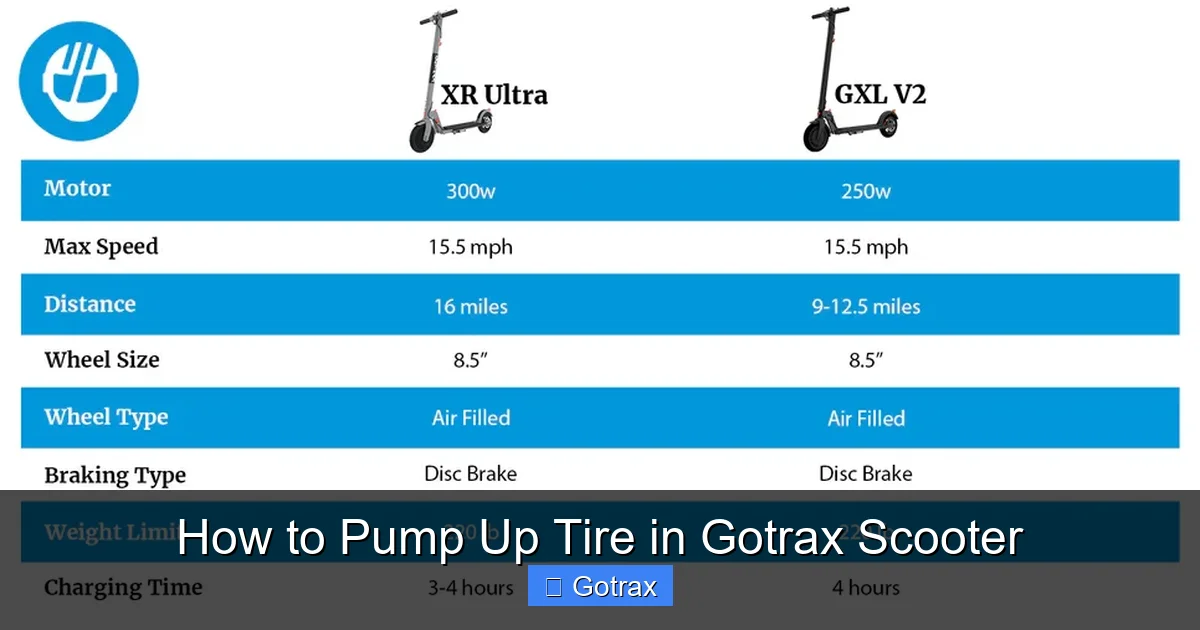
For most Gotrax models with pneumatic tires—like the Gotrax GXL V2, XR, or Elite—the recommended tire pressure is between 35 and 45 PSI (pounds per square inch). Always check your scooter’s user manual or the tire sidewall for the exact number. Maintaining this pressure ensures optimal performance, safety, and longevity.
Identifying Your Gotrax Scooter’s Tire Type
Not all Gotrax scooters have the same tires. In fact, there are two main types: pneumatic (air-filled) and solid (airless). Knowing which one you have is the first step in determining whether you need to pump your tires at all.
Pneumatic Tires (Air-Filled)
These are the most common on higher-end Gotrax models. They look like bicycle tires and have a valve stem (usually a Schrader valve, similar to car tires). Pneumatic tires offer a smoother, more comfortable ride because they absorb bumps and vibrations. However, they require regular inflation and are susceptible to punctures.
If your scooter has pneumatic tires, you’ll need to check and pump them periodically. Look for a small valve cap on the tire—this is your clue. Remove the cap, and you’ll see the valve stem where air goes in.
Solid Tires (Airless)
Some Gotrax models, especially entry-level ones like the Gotrax G2 or G3, come with solid rubber tires. These never go flat and don’t need pumping. They’re durable and low-maintenance, but they provide a rougher ride because they don’t absorb shock as well.
If your scooter has solid tires, you can skip the pumping process—but you should still inspect them regularly for cracks, wear, or damage.
Pro Tip: If you’re unsure which tire type your scooter has, check the product listing on the Gotrax website or look at the tire sidewall. Pneumatic tires will list a PSI rating (e.g., “40 PSI”), while solid tires won’t.
Gathering the Right Tools
Once you’ve confirmed your scooter has pneumatic tires, it’s time to gather your tools. You don’t need anything fancy—just a few essentials to get the job done right.
1. A Bike Pump with a Pressure Gauge
This is the most important tool. A standard floor pump or hand pump designed for bicycles works perfectly. Look for one with an integrated pressure gauge so you can monitor PSI as you inflate. Avoid cheap pumps without gauges—you won’t know if you’re under or overinflating.
If you’re often on the go, consider a compact portable pump that fits in your backpack or scooter storage compartment. Many riders keep one with their scooter for emergencies.
2. Valve Adapter (If Needed)
Most Gotrax scooters use Schrader valves (the same as car tires), which are compatible with standard bike pumps. However, some models may use Presta valves (thinner and common on road bikes). If your pump doesn’t fit, you’ll need a Presta-to-Schrader adapter, which is inexpensive and widely available at bike shops or online.
3. Tire Pressure Gauge (Optional but Helpful)
Even if your pump has a gauge, it’s smart to double-check with a separate handheld tire pressure gauge. Pump gauges can sometimes be inaccurate, especially on cheaper models. A dedicated gauge gives you a more precise reading.
4. Soapy Water (For Leak Detection)
If you suspect a slow leak, mix a little dish soap with water and apply it to the tire and valve. Bubbles will form where air is escaping. This helps you locate punctures or valve issues.
Example: Let’s say you have a Gotrax XR with pneumatic tires. You grab your bike pump, check that it has a Schrader valve head, and head outside. You’re ready to go in under two minutes.
Step-by-Step Guide: How to Pump Up Tire in Gotrax Scooter
Now that you’ve identified your tire type and gathered your tools, it’s time to pump. Follow these simple steps to inflate your Gotrax scooter tires safely and accurately.
Step 1: Prepare Your Scooter
Start by placing your scooter on a flat, stable surface. If possible, flip it upside down so the wheels are off the ground—this makes it easier to spin the wheel and check for leaks. Alternatively, use a scooter stand or lean it against a wall.
Make sure the scooter is turned off and the battery is disconnected if you’re doing a full inspection. Safety first!
Step 2: Remove the Valve Cap
Locate the valve stem on the tire. It’s a small metal or plastic protrusion near the rim. Unscrew the protective cap and set it aside in a safe place—don’t lose it! The cap keeps dirt and moisture out of the valve, so always replace it after pumping.
Step 3: Check Current Tire Pressure
Before adding air, check how much pressure is already in the tire. Attach your pump’s hose to the valve stem and press down firmly to create a seal. Read the pressure on the gauge. If it’s below the recommended PSI (usually 35–45), you’ll need to add air.
Tip: If the pressure is way too low, the tire might have a leak. Spin the wheel and listen for hissing sounds. Use soapy water to check for bubbles.
Step 4: Attach the Pump and Begin Inflating
Secure the pump head onto the valve stem. For Schrader valves, you’ll usually need to press down and lock the lever. For Presta valves, unscrew the tip first, then attach the pump.
Start pumping slowly. Watch the pressure gauge closely. Add air in short bursts, especially as you near the target PSI. Overinflating can damage the tire or tube.
Step 5: Monitor the Pressure
Keep an eye on the gauge as you pump. Stop when you reach the recommended PSI for your model. For example, if your Gotrax GXL V2 requires 40 PSI, stop there—don’t go over.
If you accidentally overinflate, don’t panic. Most pumps have a release valve or you can gently press the valve core to let out a little air. Then recheck the pressure.
Step 6: Detach the Pump and Replace the Cap
Once the tire is properly inflated, carefully remove the pump head. Quickly screw the valve cap back on to prevent dirt and moisture from entering.
Repeat the process for the other tire if needed. Most Gotrax scooters have two pneumatic tires, so check both.
Step 7: Test the Ride
Flip your scooter back over and take it for a short test ride. Pay attention to how it feels. The ride should be smooth, responsive, and stable. If it still feels sluggish or bumpy, double-check the pressure or inspect for other issues.
Example: After pumping both tires to 40 PSI, you notice your Gotrax XR accelerates faster and handles turns better. The ride is noticeably smoother—proof that proper inflation makes a real difference.
Troubleshooting Common Tire Issues
Even with regular maintenance, tire problems can happen. Here’s how to handle the most common issues you might encounter.
Slow Leaks
If your tire keeps losing air between checks, you likely have a slow leak. Common causes include punctures from nails or glass, a damaged valve stem, or a worn inner tube.
Use soapy water to locate the leak. Apply it to the tire, valve, and rim. Bubbles will form at the source. Small punctures can sometimes be patched, but severely damaged tires may need replacement.
Valve Stem Problems
A faulty valve stem can prevent proper inflation or cause air to escape. If the valve is loose, cracked, or doesn’t hold air, it may need to be replaced. This usually requires removing the tire, which is best done by a professional or with a tire repair kit.
Pump Compatibility Issues
If your pump won’t attach to the valve, double-check the valve type. Schrader valves are wider; Presta valves are narrower. Use an adapter if needed. Also, ensure the pump head is clean and undamaged.
Overinflation or Blowouts
Pumping too much air can cause the tire to burst, especially if it’s old or damaged. Always follow the recommended PSI. If a tire blows, stop riding immediately and replace it.
Tire Wear and Tear
Inspect your tires regularly for cracks, bulges, or worn tread. These signs indicate it’s time for a replacement. Riding on damaged tires is dangerous and can lead to accidents.
Pro Tip: Keep a tire repair kit and portable pump with your scooter. You never know when you’ll need it—especially on long rides or in remote areas.
Maintaining Your Gotrax Scooter Tires
Pumping your tires is just one part of tire care. To keep your Gotrax in peak condition, follow these maintenance best practices.
Check Pressure Weekly
Tire pressure can drop over time due to temperature changes, small leaks, or natural air loss. Make it a habit to check your tires at least once a week, especially before long rides.
Store in a Cool, Dry Place
Extreme heat or cold can affect tire pressure. Store your scooter indoors when possible. Avoid leaving it in direct sunlight or freezing garages for long periods.
Clean the Tires Regularly
Dirt, oil, and debris can degrade rubber over time. Wipe down your tires with a damp cloth and mild soap. Avoid harsh chemicals that can damage the material.
Rotate Tires (If Applicable)
Some riders rotate their tires to ensure even wear. While not always necessary, it can extend tire life—especially if one tire wears faster than the other.
Replace When Needed
Even the best-maintained tires eventually wear out. Replace them when the tread is low, cracks appear, or performance declines. Gotrax offers replacement tires and tubes on their website.
Example: A rider checks their tire pressure every Sunday morning. They notice a slow drop in PSI over two weeks and discover a small nail in the rear tire. They patch it, reinflate, and continue riding safely.
Conclusion
Learning how to pump up tire in Gotrax scooter is a simple but essential skill for any rider. Properly inflated tires improve safety, performance, and efficiency—making your rides smoother, longer, and more enjoyable. Whether you have pneumatic or solid tires, regular maintenance keeps your scooter in top shape.
By following this guide, you now know how to identify your tire type, choose the right pump, check pressure, and inflate safely. You’re also equipped to troubleshoot common issues and maintain your tires for the long haul. Remember: a few minutes of care each week can prevent major problems down the road.
So grab your pump, check those tires, and get back to riding with confidence. Your Gotrax scooter—and your commute—will thank you.