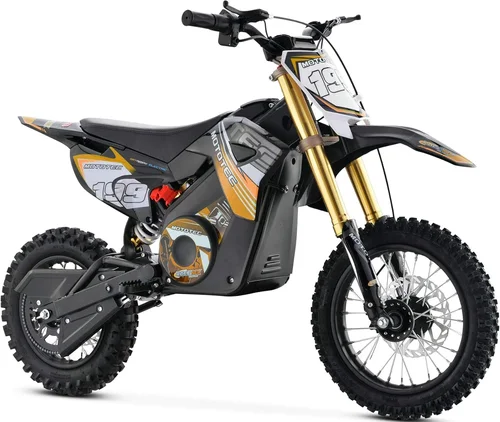
Electric dirt bikes are revolutionizing off-road riding. No longer just a niche curiosity, these silent, powerful machines are gaining serious traction among riders of all skill levels—from weekend trail explorers to competitive motocross enthusiasts. With zero emissions, instant torque, and near-silent operation, electric dirt bikes offer a cleaner, quieter, and often more responsive alternative to traditional gas-powered models. As battery technology advances and charging infrastructure improves, the performance gap between electric and combustion engines continues to shrink—making now one of the best times to consider making the switch.
This comprehensive buying guide is designed to help you navigate the rapidly evolving world of electric dirt bikes in 2025. Whether you’re a first-time buyer curious about entry-level options or an experienced rider looking to upgrade to a high-performance model, we’ll walk you through everything you need to know. From understanding key performance specs like motor power and battery life to evaluating build quality, brand reputation, and long-term support, this guide covers all the critical factors that influence your decision. You’ll also find real-world comparisons, expert tips for getting the best deal, and honest recommendations based on extensive research and user feedback.
The electric dirt bike market has exploded in recent years, with established powersports brands like KTM and Husqvarna launching electric models alongside innovative startups such as Cake, Sur Ron, and Segway. Meanwhile, companies like Razor and Oset continue to dominate the youth and beginner segments. With so many options across different price points, styles, and capabilities, it’s easy to feel overwhelmed. But by focusing on your specific needs—whether that’s trail exploration, motocross training, or casual backyard fun—you can cut through the noise and find the perfect electric dirt bike for your lifestyle.

What to Look for When Buying an Electric Dirt Bike
1. Budget & Price Range
Your budget is arguably the most important starting point when shopping for an electric dirt bike. Prices can range dramatically—from under $500 for basic youth models to over $15,000 for professional-grade machines. Setting a realistic budget helps narrow your options and prevents overspending on features you don’t need. Consider not just the upfront cost but also long-term expenses like maintenance, replacement batteries, and accessories.
Entry-level bikes typically offer limited range and lower top speeds but are ideal for kids or casual riders. Mid-range models ($2,000–$6,000) strike a balance between performance and affordability, making them popular among hobbyists. Premium bikes ($7,000+) deliver race-ready power, advanced suspension, and cutting-edge tech—but come with a steep price tag. Always ask: “What will I actually use this bike for?” A $3,000 trail bike may serve you better than a $10,000 motocross machine if you’re not racing.
2. Performance Specifications
Performance specs determine how your bike handles in real-world conditions. Key metrics include motor power (measured in watts or kilowatts), top speed, torque, range per charge, and hill-climbing ability. A higher wattage doesn’t always mean better performance—efficiency, weight distribution, and battery management matter just as much.
For example, a 3,000W motor might deliver impressive acceleration but drain the battery quickly, limiting your ride time. Meanwhile, a 5,000W motor with regenerative braking and smart power modes could offer both speed and endurance. Look for bikes that publish real-world range estimates (not just theoretical max values). Also consider torque delivery: electric motors provide 100% torque from zero RPM, which translates to instant throttle response—perfect for technical terrain or quick starts.
If you plan to ride on steep hills or carry extra gear, prioritize bikes with strong hill-climbing ratings (often listed as gradeability, e.g., “30% incline”). And don’t overlook top speed—some trail-focused bikes cap out at 35 mph, while motocross models can exceed 60 mph.
3. Build Quality & Durability
An electric dirt bike is a significant investment, so durability matters. Look for frames made from high-strength aluminum or chromoly steel, which resist bending and corrosion better than cheaper alloys. Suspension components should be robust—quality forks and rear shocks absorb impacts without bottoming out or leaking oil.
Check the quality of welds, fasteners, and electrical connections. Loose wiring or poorly sealed components can lead to failures in wet or muddy conditions. Water resistance is another critical factor: while no e-bike is fully waterproof, many now feature IP67-rated electronics (protected against dust and temporary immersion). This is essential if you ride in rain or cross streams.
Also consider weight. Lighter bikes are easier to maneuver and transport, but ultra-light frames may sacrifice rigidity. Most adult electric dirt bikes weigh between 80 and 140 pounds—anything over 150 lbs can be challenging to lift after a fall.
4. Features & Functionality
Modern electric dirt bikes come packed with features that enhance safety, convenience, and ride experience. Look for adjustable power modes (Eco, Trail, Sport, Race), which let you tailor performance to your skill level or terrain. Regenerative braking recaptures energy during deceleration, extending range—especially useful on long descents.
Other valuable features include LED lighting for night riding, smartphone connectivity via Bluetooth apps (for tracking stats, updating firmware, or customizing settings), and quick-release battery systems for easy swapping. Some high-end models even offer traction control, launch control, and GPS navigation.
Don’t underestimate the importance of ergonomics. Adjustable handlebars, comfortable seats, and proper footpeg placement reduce fatigue on long rides. For younger riders, look for bikes with adjustable seat heights and speed limiters—parents appreciate the ability to control how fast their kids go.
5. Brand Reputation
Not all electric dirt bike brands are created equal. Established names like KTM, Husqvarna, and Yamaha bring decades of engineering expertise and global service networks. Startups like Cake and Sur Ron have earned strong reputations for innovation and build quality, often pushing the boundaries of what electric off-road vehicles can do.
Research customer reviews, warranty claims, and how responsive brands are to technical issues. A brand with a solid track record is more likely to honor warranties, provide replacement parts, and offer firmware updates. Avoid unknown brands with vague specifications or no verifiable customer support—these are red flags for potential scams or low-quality products.
Also consider regional availability. Some brands only sell direct-to-consumer online, while others have dealer networks for test rides and service. If you value hands-on support, choose a brand with local representation.
6. Warranty & Support
A good warranty protects your investment and reflects the manufacturer’s confidence in their product. Most reputable brands offer at least a 1-year limited warranty covering the frame, motor, and controller. Premium models may include 2–3 years of coverage, sometimes with extended battery warranties (typically 1–2 years due to degradation over time).
Read the fine print: some warranties exclude “wear items” like tires, brakes, or batteries. Others require registration within 30 days of purchase. Check if the warranty is transferable—this adds resale value. Customer support should be accessible via phone, email, or live chat, with reasonable response times.
For peace of mind, consider purchasing an extended warranty or service plan, especially for high-end models. And always keep your receipt and serial number in a safe place.
7. Size & Portability
Size affects both rideability and practicality. Youth models are designed for smaller riders, with lower seat heights (24–28 inches) and reduced weight. Adult bikes typically have seat heights from 30 to 36 inches—make sure you can comfortably touch the ground when seated.
Portability matters if you plan to transport your bike frequently. Look for foldable handlebars, removable batteries, and compact designs. Some bikes weigh under 90 lbs and can fit in a car trunk with the rear seats down. Others require a trailer or truck bed.
If storage space is limited, consider vertical storage solutions or wall mounts. And remember: heavier bikes are harder to lift onto racks or into vehicles—factor in your physical ability when choosing.
8. User Reviews & Ratings
Nothing beats real-world feedback. Read verified purchase reviews on retailer sites, YouTube ride tests, and forum discussions (like Reddit’s r/electricbikes or specialized motocross communities). Pay attention to recurring themes: if multiple users report battery failures or poor customer service, take note.
Look for detailed reviews that cover ride quality, build issues, and long-term reliability—not just star ratings. Video reviews are especially helpful for seeing the bike in action. And don’t ignore negative reviews; they often reveal hidden flaws that specs sheets won’t mention.
Finally, check how brands respond to criticism. A company that actively addresses concerns and offers solutions shows commitment to customer satisfaction.
Different Types of Electric Dirt Bikes

Common Buying Mistakes to Avoid
❌ Mistake: Ignoring Real-World Range Claims
Why it’s bad: Manufacturers often quote “max range” under ideal conditions (flat terrain, light rider, eco mode). In reality, aggressive riding, hills, and cold weather can cut range by 30–50%. Relying on inflated numbers leads to unexpected battery depletion mid-ride.
What to do instead: Look for independent test results or user-reported range. Aim for a bike with at least 20–30% more range than you actually need to account for variables.
❌ Mistake: Overlooking Charging Time and Infrastructure
Why it’s bad: Fast charging sounds great, but not all bikes support it—and home outlets may not deliver enough power. A 6-hour charge time means you can’t ride spontaneously after work.
What to do instead: Check charger specs (e.g., 2A vs. 5A output) and whether the bike supports Level 2 charging. Consider buying a second battery if you plan long rides.
❌ Mistake: Choosing Based Solely on Motor Power
Why it’s bad: A 10,000W motor might look impressive, but if the battery can’t sustain that output or the frame can’t handle the stress, performance suffers. Power without balance is wasted.
What to do instead: Evaluate the entire powertrain: motor, battery, controller, and cooling system. Look for integrated designs from reputable engineers.
❌ Mistake: Skipping the Test Ride
Why it’s bad: Specs don’t tell you how a bike feels. Weight distribution, suspension tune, and throttle response vary widely—even between similar models.
What to do instead: Attend demo days, rent before buying, or buy from retailers with generous return policies. If testing isn’t possible, watch detailed ride videos.
❌ Mistake: Neglecting Maintenance Requirements
Why it’s bad: Electric bikes still need chain lubrication, brake adjustments, tire checks, and suspension servicing. Assuming they’re “maintenance-free” leads to premature wear.
What to do instead: Learn basic maintenance or find a local shop familiar with e-bikes. Budget $100–$200 annually for upkeep.
❌ Mistake: Buying Without Considering Resale Value
Why it’s bad: Some brands depreciate rapidly due to poor reliability or lack of parts. You could lose 50% of value in one year.
What to do instead: Stick with well-known brands with active owner communities. Keep records and avoid modifications that hurt resale.
❌ Mistake: Overlooking Safety Gear Compatibility
Why it’s bad: High-speed e-bikes demand proper protection. Cheap helmets or ill-fitting gear increase injury risk.
What to do instead: Invest in DOT/ECE-certified helmets, armored jackets, gloves, and boots. Ensure your gear matches your bike’s capability.
Budget Guidelines: How Much Should You Spend?
Entry-Level ($300 – $1,200): Perfect for kids, teens, or casual riders. Expect modest power (500W–1,500W), limited range (10–20 miles), and basic components. Brands like Razor, Oset, and MotoTec dominate this space. Great for learning basics but not suited for serious off-roading.
Mid-Range ($1,500 – $5,000): The sweet spot for most buyers. These bikes offer 2,000W–5,000W motors, 20–40 mile ranges, and better suspension. Models from Sur Ron, Segway (Ninebot), and Talaria deliver excellent value. Ideal for trail riding, weekend adventures, and skill development.
Premium ($6,000 – $10,000): For enthusiasts and semi-pros. Expect race-inspired geometry, high-end suspension (Öhlins, WP), and advanced electronics. KTM Freeride E-XC, Husqvarna EE 5, and Cake Kalk OR fall here. Built for performance, durability, and frequent use.
Luxury ($10,000+): Top-tier machines with cutting-edge tech, carbon fiber parts, and bespoke tuning. These are for competitive racers or collectors who want the absolute best. Limited production runs and premium materials justify the cost—but only if you’ll use the capabilities.

Expert Tips for Getting the Best Deal
- Buy during off-season: Late fall and winter see fewer riders, so retailers often discount inventory. Look for Black Friday, Cyber Monday, or end-of-year clearance sales.
- Shop direct vs. dealers: Direct-to-consumer brands (like Sur Ron or Cake) often offer lower prices and exclusive bundles. Dealers provide test rides and local service—weigh convenience against cost.
- Watch for demo/refurbished units: Many brands sell lightly used demo bikes at 10–20% off. These are typically well-maintained and still under warranty.
- Bundle accessories: Some retailers offer free helmets, gloves, or batteries with purchase. Compare total value, not just bike price.
- Check return policies: Ensure you can return or exchange within 14–30 days if the bike doesn’t meet expectations. Avoid “final sale” items unless you’re certain.
- Negotiate add-ons: Even online, you can sometimes request free shipping, extended warranties, or spare parts. It never hurts to ask!
- Join owner groups: Facebook groups and forums often share exclusive discount codes or flash sales not advertised publicly.
- Consider financing: Some brands offer 0% APR financing for qualified buyers—spreading payments over 12–24 months makes high-end models more accessible.

Frequently Asked Questions
Q: Are electric dirt bikes street legal?
A: Most are not street-legal out of the box due to lack of lights, mirrors, turn signals, and license plate mounts. However, some models (like the Cake Kalk&) can be registered in certain states with modifications. Check local laws—requirements vary widely by region.
Q: How long do electric dirt bike batteries last?
A: Battery lifespan depends on usage, charging habits, and climate. Most lithium-ion packs last 500–1,000 charge cycles (roughly 2–5 years with regular use). Avoid deep discharges and store at 50% charge in moderate temperatures to maximize longevity.
Q: Can I ride an electric dirt bike in the rain?
A: Yes, but with caution. Most modern e-bikes have water-resistant electronics (IP65/IP67), but submerging the battery or motor can cause damage. Dry the bike thoroughly after wet rides and inspect seals regularly.
Q: Do electric dirt bikes require less maintenance than gas bikes?
A: Generally, yes—no oil changes, air filters, or carburetor tuning. However, you still need to maintain brakes, suspension, tires, and the drivetrain. Electrical systems also benefit from periodic checks.
Q: How fast do electric dirt bikes go?
A: Top speeds range from 20 mph (youth models) to over 70 mph (race bikes). Most trail models cruise at 35–50 mph. Speed depends on motor power, gearing, and rider weight.
Q: Can I upgrade my electric dirt bike’s battery?
A: Some brands offer higher-capacity battery upgrades, but compatibility varies. Modifying the battery may void your warranty or damage the controller. Always consult the manufacturer first.
Q: Are electric dirt bikes good for beginners?
A: Absolutely—especially with adjustable power modes. The instant torque helps with low-speed control, and quieter operation reduces intimidation. Start with a mid-power trail bike and progress as skills improve.
Q: Where can I charge my electric dirt bike?
A: Standard 110V outlets work but are slow (4–8 hours). For faster charging, use a 220V outlet or public EV chargers (with adapters). Always use the manufacturer-provided charger for safety.
Q: What happens if the battery dies mid-ride?
A: You’ll need to push or tow the bike—electric motors don’t freewheel like gas engines. Carry a spare battery or plan routes with charging options. Some apps show nearby outlets or swap stations.
Q: Are spare parts readily available?
A: For major brands (KTM, Husqvarna, Sur Ron), yes—but lead times can vary. Niche or discontinued models may have limited support. Buy from authorized dealers to ensure part availability.
Our Final Recommendations
Best for Budget-Conscious Buyers: Sur Ron Light Bee X ($4,499) – Offers exceptional value with a 6,000W motor, 40+ mile range, and rugged build. Ideal for trail riders who want premium performance without the premium price.
Best Overall Value: Talaria Sting ($4,299) – Combines Sur Ron-level performance with upgraded suspension, better brakes, and a more refined ride. A favorite among enthusiasts for its balance of power, range, and reliability.
Best Premium Option: KTM Freeride E-XC ($11,999) – The gold standard for serious off-roaders. Lightweight chromoly frame, WP suspension, and race-ready tuning make it unbeatable for technical terrain and competitive riding.
Best for Beginners: Oset 20.0 Eco ($1,899) – Designed specifically for kids and new riders. Adjustable power, low seat height, and proven durability make it the top choice for learning the basics safely.
Best for Advanced Users: Cake Kalk OR ($13,500) – A minimalist, high-performance machine built for extreme conditions. With regenerative braking, app connectivity, and aerospace-grade materials, it’s built for riders who demand innovation and precision.
Conclusion: Making the Right Choice
Choosing the best electric dirt bike isn’t just about picking the most powerful or expensive model—it’s about finding the right fit for your riding style, skill level, and budget. By focusing on key factors like performance specs, build quality, brand reputation, and real-world usability, you can avoid common pitfalls and invest in a bike that delivers years of reliable, thrilling rides.
Remember: the “best” bike is the one that matches your needs. A beginner doesn’t need a $12,000 race bike, just as a pro won’t be satisfied with a toy-grade model. Take your time, read reviews, test when possible, and prioritize long-term value over flashy specs. With the electric dirt bike market evolving rapidly, 2025 is an exciting time to join the revolution—quietly, cleanly, and with unmatched torque at your fingertips.
Ready to ride? Start by defining your goals, set a realistic budget, and explore the top recommendations above. Your perfect electric dirt bike is out there—silent, powerful, and waiting for the next trail.