
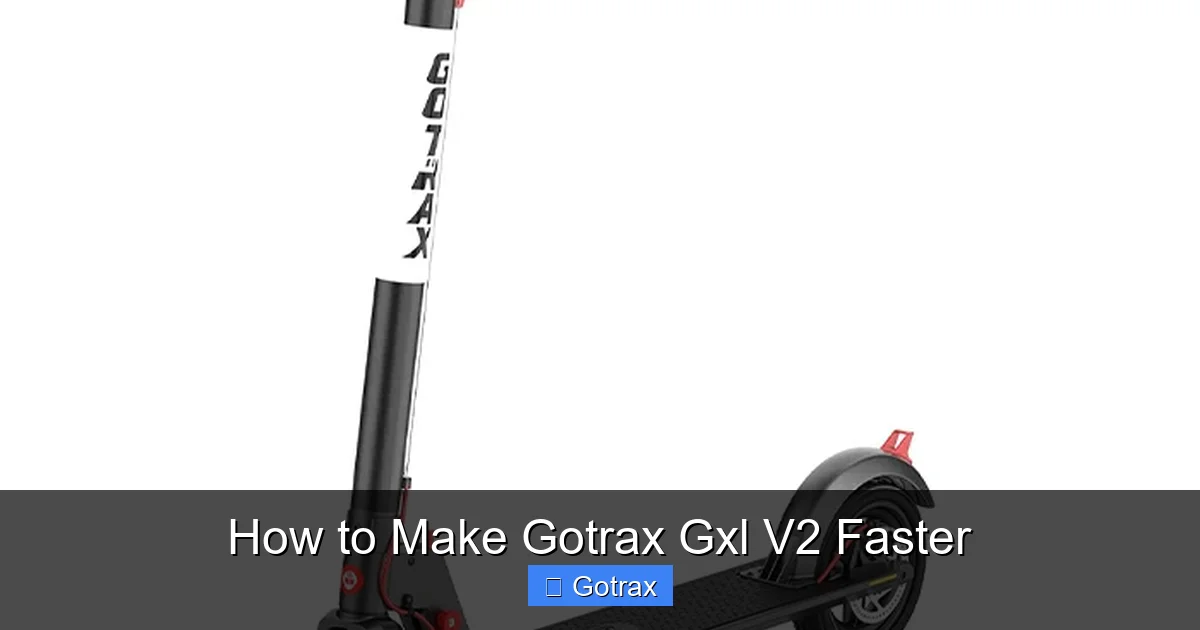
Want more speed from your Gotrax GXL V2? This guide covers safe, practical ways to boost performance—from firmware tweaks to tire upgrades—without voiding your warranty or risking safety.
Key Takeaways
- Optimize tire pressure: Properly inflated tires reduce rolling resistance and improve speed and range.
- Upgrade to high-performance tires: Softer or slicker tires can enhance grip and efficiency on smooth surfaces.
- Reduce weight: Lighter riders or removing unnecessary accessories can noticeably increase acceleration and top speed.
- Maintain the motor and drivetrain: Clean and lubricate moving parts regularly to ensure peak performance.
- Use a compatible speed hack (with caution): Some users modify the scooter’s firmware or controller settings—but this may void the warranty.
- Charge the battery fully: A fully charged battery delivers maximum power output for better speed and responsiveness.
- Ride on smooth, flat terrain: Surface quality greatly affects speed—avoid gravel, grass, or steep inclines when testing performance.
How to Make Gotrax GXL V2 Faster: A Complete Guide
If you’re a proud owner of the Gotrax GXL V2 electric scooter, you already know it’s a reliable, fun, and eco-friendly way to get around town. With a top speed of around 15.5 mph (25 km/h) and a range of up to 12 miles (19 km), it’s perfect for commuting, campus rides, or weekend adventures. But what if you want to go faster? Maybe you’re tired of being overtaken by slower bikes or just crave a little more zip in your ride.
The good news is that there are several safe and effective ways to make your Gotrax GXL V2 faster—without breaking the bank or risking serious damage. In this comprehensive guide, we’ll walk you through practical tips, maintenance tricks, and optional modifications that can boost your scooter’s speed. Whether you’re a beginner or a seasoned rider, you’ll find actionable advice to help you get the most out of your GXL V2.
We’ll cover everything from simple adjustments like tire pressure and battery care to more advanced options like firmware tweaks (with clear warnings about risks). Our goal is to help you ride faster, smoother, and more efficiently—while keeping safety and longevity in mind. So grab your helmet, charge up your scooter, and let’s dive in!
Understanding Your Gotrax GXL V2
Before we start making changes, it’s important to understand how your Gotrax GXL V2 works. This knowledge will help you make informed decisions and avoid common mistakes.
Visual guide about How to Make Gotrax Gxl V2 Faster
Image source: lh7-us.googleusercontent.com
The GXL V2 is powered by a 250-watt brushless hub motor located in the front wheel. It’s designed for urban commuting and light recreational use, with a focus on safety, durability, and ease of use. The scooter features a 36V lithium-ion battery, a digital display, LED lights, and a sturdy aluminum frame. It also includes regenerative braking, which helps extend battery life by converting braking energy back into charge.
While the scooter is built to be reliable, it’s not designed for high-speed performance out of the box. The motor and controller are tuned to prioritize safety and battery efficiency over raw speed. That said, there are ways to optimize its performance within safe limits.
Keep in mind that any modifications—especially those involving electronics—can void your warranty or even create safety hazards. Always proceed with caution, and never attempt changes you’re not comfortable with. When in doubt, consult a professional or stick to manufacturer-recommended practices.
Step 1: Optimize Tire Pressure for Maximum Speed
One of the easiest and most effective ways to make your Gotrax GXL V2 faster is by ensuring your tires are properly inflated. Underinflated tires increase rolling resistance, which means the motor has to work harder to move the scooter. This not only slows you down but also drains the battery faster.
Check the Recommended PSI
The Gotrax GXL V2 comes with 8.5-inch pneumatic (air-filled) tires. The recommended tire pressure is typically between 40 and 50 PSI (pounds per square inch). You can find this information on the sidewall of the tire or in the user manual.
Use a Quality Tire Gauge
Don’t guess—use a digital or analog tire pressure gauge to check the current PSI. Many riders make the mistake of overinflating tires, thinking it will make them faster. But too much pressure can reduce traction and make the ride uncomfortable or even dangerous, especially on wet or uneven surfaces.
Inflate to the Optimal Range
Aim for the middle to upper end of the recommended range—around 45–50 PSI—for the best balance of speed, comfort, and safety. Use a portable air pump or visit a local bike shop if you don’t have one at home.
Check Tire Pressure Regularly
Tire pressure naturally decreases over time due to temperature changes and normal wear. Check your tires at least once a week, especially before long rides or when the weather changes.
Pro Tip: Cold weather can cause tire pressure to drop. If you ride in winter, check your tires more frequently and adjust as needed.
Step 2: Upgrade to High-Performance Tires
If you’re serious about speed, consider upgrading your tires. The stock tires on the GXL V2 are durable and versatile, but they’re not optimized for maximum speed. High-performance tires can reduce rolling resistance and improve grip, especially on smooth pavement.
Choose Slick or Semi-Slick Tires
Look for tires with a smooth or lightly treaded surface. These “slick” tires have less friction with the ground, allowing for faster acceleration and higher top speeds. Brands like Maxxis, Kenda, and Chaoyang offer compatible 8.5-inch scooter tires designed for performance.
Consider Softer Rubber Compounds
Softer rubber provides better grip and shock absorption, which can improve handling and efficiency. However, softer tires may wear out faster, so balance performance with durability based on your riding style.
Ensure Proper Fit
Not all 8.5-inch tires are created equal. Make sure the new tires are compatible with your scooter’s rim size and axle. Check the tire width (usually around 2.0–2.5 inches) and confirm it fits without rubbing against the fender or frame.
Install Carefully
Tire installation can be tricky, especially if you’re doing it yourself. Use tire levers and a pump with a pressure gauge. If you’re not confident, take your scooter to a bike shop for professional installation.
Note: Upgrading tires won’t dramatically increase your top speed, but it can make a noticeable difference in acceleration and overall ride quality.
Step 3: Reduce Weight for Better Acceleration
Weight plays a big role in how fast your scooter can go. The lighter the total load (rider + scooter), the easier it is for the motor to accelerate and maintain speed.
Remove Unnecessary Accessories
Do you have a phone mount, basket, or extra lights attached? While these are convenient, they add weight. Remove anything you don’t need for your ride. Even small items can add up over time.
Travel Light
Avoid carrying heavy backpacks or bags. If you must carry items, use a lightweight backpack or consider a small rear rack with a bungee cord. Distribute weight evenly to maintain balance.
Know Your Weight Limit
The Gotrax GXL V2 has a maximum weight capacity of 220 lbs (100 kg). Exceeding this limit can strain the motor, reduce speed, and damage the scooter. If you’re close to the limit, consider upgrading to a higher-capacity model like the Gotrax G4 or GXL V3.
Consider a Lighter Rider Position
Leaning forward slightly can reduce wind resistance and improve aerodynamics. While this won’t make a huge difference at 15 mph, it can help on longer rides or when trying to maintain speed on slight inclines.
Pro Tip: If you’re a heavier rider, focus on other speed-boosting methods like tire upgrades and battery maintenance, as weight reduction may not be an option.
Step 4: Maintain the Motor and Drivetrain
A well-maintained scooter performs better. Dust, dirt, and debris can build up in the motor and drivetrain, reducing efficiency and speed over time.
Clean the Motor Area
Use a soft brush or compressed air to remove dirt and debris from the motor housing and wheel hub. Avoid spraying water directly on the motor, as this can cause corrosion or electrical damage.
Lubricate Moving Parts
Apply a small amount of silicone-based lubricant to the folding mechanism, brake levers, and other moving parts. This reduces friction and keeps everything working smoothly.
Check for Loose Bolts
Vibrations from riding can loosen bolts and screws. Regularly inspect the handlebars, stem, and wheel axles. Tighten any loose parts with the appropriate tools.
Inspect the Brake Pads
Worn brake pads can drag on the wheel, slowing you down. Check the pads for wear and replace them if they’re thin or uneven. Adjust the brake tension so the scooter stops quickly without rubbing.
Keep the Chain (If Applicable) Clean
The GXL V2 uses a direct-drive hub motor, so there’s no chain. But if you’ve modified your scooter or are working on a different model, chain maintenance is crucial. Clean and lubricate the chain regularly to prevent slippage and power loss.
Pro Tip: Perform a full maintenance check every 3–6 months, or more often if you ride daily or in harsh conditions.
Step 5: Charge the Battery Fully
A fully charged battery delivers maximum power to the motor, which directly affects speed and acceleration. Riding with a low battery can make your scooter feel sluggish and reduce top speed.
Use the Original Charger
Always use the charger that came with your Gotrax GXL V2. Third-party chargers may not provide the correct voltage or current, which can damage the battery or reduce performance.
Charge After Every Ride
Even if you only used 20% of the battery, plug it in after each ride. Lithium-ion batteries perform best when kept between 20% and 80% charge, but a full charge before a long ride ensures peak performance.
Avoid Overcharging
Modern scooters have built-in protection against overcharging, but it’s still a good idea to unplug the charger once the battery reaches 100%. Leaving it plugged in for extended periods can reduce battery lifespan.
Store the Battery Properly
If you won’t be riding for a while, store the scooter with a 50–60% charge in a cool, dry place. Extreme temperatures (hot or cold) can damage the battery.
Monitor Battery Health
Over time, lithium-ion batteries lose capacity. If you notice your scooter’s range or speed dropping significantly, the battery may need replacement. Gotrax offers replacement batteries, or you can find third-party options online.
Pro Tip: Use a smart plug or timer to automatically turn off the charger after 4–5 hours, preventing unnecessary charging cycles.
Step 6: Ride on Smooth, Flat Terrain
The surface you ride on has a huge impact on speed. Even the fastest scooter will struggle on gravel, grass, or steep hills.
Choose Paved Paths
Stick to smooth asphalt or concrete roads. These surfaces offer the least resistance and allow the motor to operate efficiently.
Avoid Hills When Testing Speed
If you’re trying to measure your top speed, choose a flat, straight stretch of road. Hills require more power, which reduces speed and drains the battery faster.
Watch for Obstacles
Potholes, cracks, and debris can slow you down or damage the scooter. Ride defensively and avoid rough terrain unless necessary.
Use Bike Lanes or Quiet Streets
These areas are usually smoother and safer for testing speed. Avoid busy roads where sudden stops or traffic could be dangerous.
Pro Tip: Use a GPS speedometer app on your phone to track your actual speed. The scooter’s display may not be perfectly accurate.
Step 7: Consider Speed Hacks (With Caution)
Some riders attempt to modify the Gotrax GXL V2’s firmware or controller settings to unlock higher speeds. While this is technically possible, it comes with serious risks.
Understand the Risks
Modifying the scooter’s electronics can void your warranty, damage the motor or battery, and create safety hazards. Overloading the motor can cause it to overheat or fail prematurely.
Common Speed Hacks
Popular methods include:
- Controller Firmware Flashing: Replacing the stock firmware with custom code to increase speed limits. This requires technical knowledge and specialized tools.
- Removing Speed Limiters: Some scooters have software or hardware limiters that cap speed. Disabling them can increase top speed but may violate local laws.
- Upgrading the Battery: Swapping the 36V battery for a higher-voltage one (e.g., 48V) can boost power. However, this may damage the motor or controller if not compatible.
Legal and Safety Considerations
In many areas, electric scooters are legally limited to 15–20 mph. Riding faster than this can result in fines or liability in case of an accident. Always check local regulations before modifying your scooter.
Alternative: Upgrade to a Faster Model
If you want more speed, consider upgrading to a higher-performance scooter like the Gotrax G4 (20 mph) or the Gotrax GXL V3 (18 mph). These models are designed for faster speeds and offer better components.
Important: We do not recommend or endorse any modifications that compromise safety or legality. Proceed at your own risk.
Troubleshooting Common Speed Issues
Even with proper maintenance, you might notice your scooter isn’t as fast as it used to be. Here are some common problems and solutions.
Scooter Feels Sluggish
- Check battery level: A low battery reduces power output.
- Inspect tires: Underinflated or worn tires increase resistance.
- Test on flat ground: Hills or rough terrain can slow you down.
Top Speed Has Dropped
- Clean the motor: Dirt buildup can reduce efficiency.
- Check for loose parts: Vibrations can affect performance.
- Consider battery age: Old batteries lose capacity over time.
Scooter Won’t Accelerate
- Inspect the throttle: Dirt or damage can prevent proper function.
- Check brake sensors: Some scooters won’t accelerate if the brake is engaged.
- Test the motor: If the motor doesn’t respond, it may need repair.
Unusual Noises or Vibrations
- Inspect wheels: Bent rims or loose spokes can cause vibrations.
- Check bearings: Worn bearings create noise and reduce efficiency.
- Tighten all bolts: Loose components can rattle or shake.
If you can’t resolve the issue, contact Gotrax customer support or visit a certified repair shop.
Conclusion
Making your Gotrax GXL V2 faster doesn’t require expensive upgrades or risky modifications. By focusing on simple, safe improvements—like optimizing tire pressure, reducing weight, maintaining the motor, and charging the battery fully—you can enjoy a noticeably quicker and more responsive ride.
Remember, the GXL V2 is designed for reliability and safety, not high-speed performance. While speed hacks exist, they come with significant risks and may not be worth it for most riders. Instead, focus on maximizing the scooter’s potential within its intended limits.
Whether you’re commuting to work, cruising around campus, or exploring your neighborhood, a well-maintained Gotrax GXL V2 can deliver a fun, efficient, and enjoyable ride. Follow the tips in this guide, ride responsibly, and enjoy the journey—one faster mile at a time.