
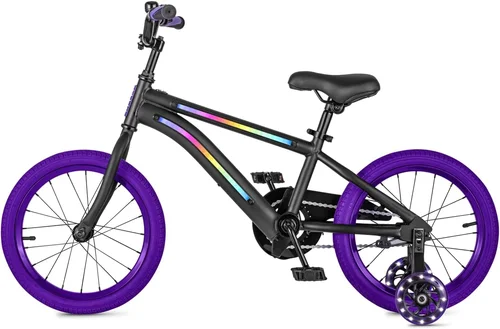
Electric bikes for kids are no longer just a futuristic fantasy—they’re a fast-growing reality, transforming how children explore their neighborhoods, commute to school, or simply enjoy outdoor adventures. As parents and guardians increasingly seek safe, sustainable, and fun transportation options for their children, e-bikes have emerged as a compelling alternative to traditional bikes, scooters, or gas-powered vehicles. These pedal-assist or throttle-powered machines offer just the right blend of independence and control, allowing kids to ride farther, tackle hills with ease, and build confidence on two wheels—all while staying within safe speed limits.
But with so many models flooding the market in 2025, choosing the right electric bike for your child can feel overwhelming. From battery life and motor power to safety features and age-appropriate sizing, the decision involves more than just picking a colorful design. That’s where this comprehensive buying guide comes in. Whether you’re shopping for a 6-year-old just learning to ride or a 14-year-old ready to cruise the trails, this guide will walk you through every critical factor to consider. You’ll learn how to evaluate performance specs, understand safety regulations, compare brands, avoid common pitfalls, and ultimately find an e-bike that fits your child’s needs, your budget, and your peace of mind.
The kids’ e-bike market has evolved dramatically over the past few years. What once consisted of oversized adult bikes with child seats has now blossomed into a dedicated segment featuring purpose-built designs tailored specifically for younger riders. Leading manufacturers like Rad Power Bikes, Trek, Specialized, and newer entrants such as Lectric and Heybike have introduced models that prioritize lightweight frames, intuitive controls, and robust safety systems. Meanwhile, advancements in battery technology have extended range and reduced charging times, while improved motor efficiency ensures smoother, quieter rides. With options spanning from under $500 to well over $2,000, there’s never been a better time to invest in a quality electric bike for your child—provided you know what to look for.
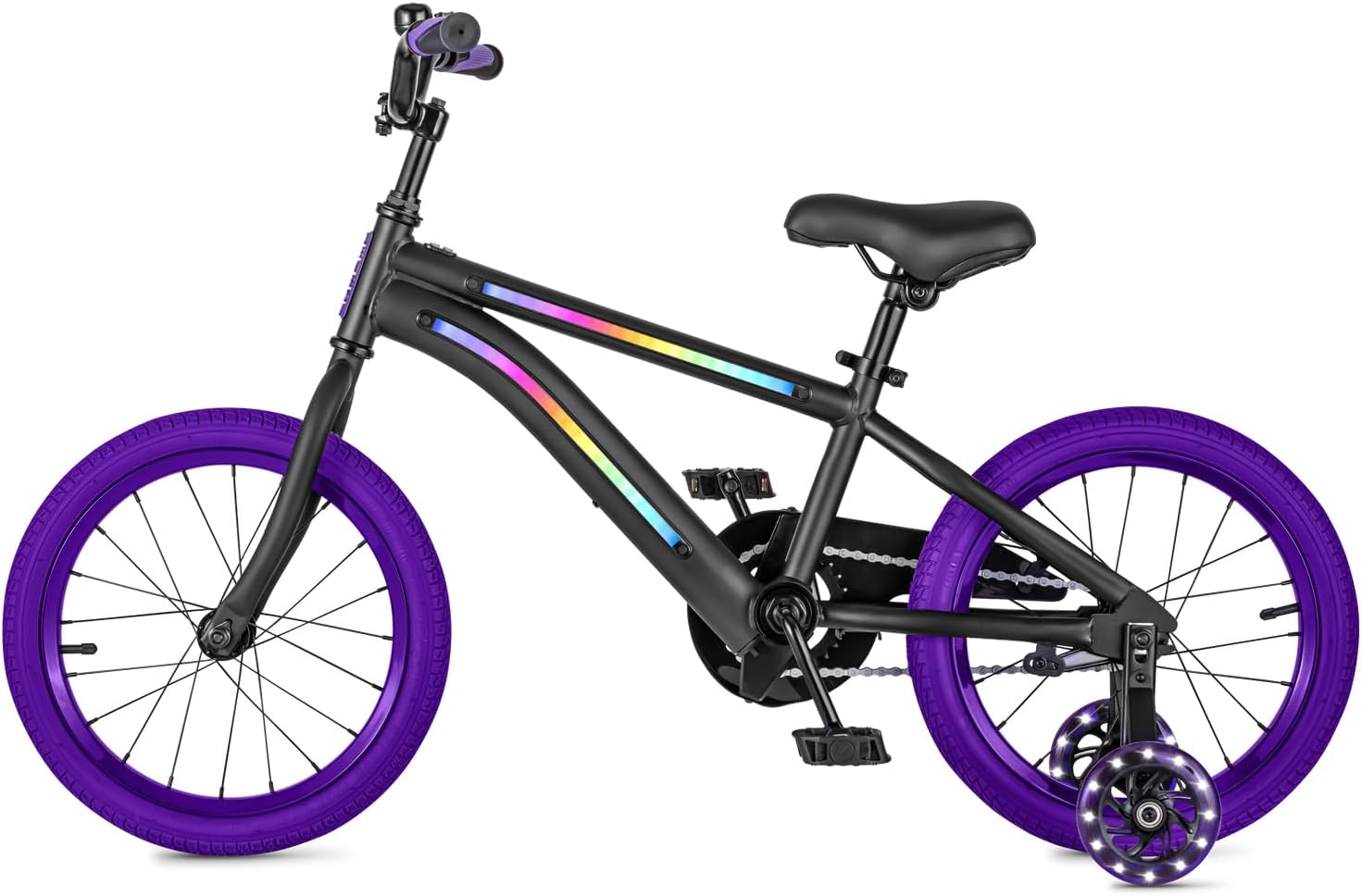
What to Look for When Buying an Electric Bike for Kids
1. Age, Weight, and Height Compatibility
One of the most crucial—and often overlooked—factors when selecting an e-bike for kids is ensuring the bike matches their physical development. Unlike adult bikes, which are generally standardized, children grow at different rates, and a bike that’s too big or too small can compromise safety, comfort, and control. Most reputable manufacturers specify recommended age ranges (e.g., 6–10 years) and weight limits (typically between 50–150 lbs), but these should be cross-referenced with your child’s actual height and inseam measurement.
For younger riders (ages 5–8), look for step-through frames that allow easy mounting and dismounting, shorter wheelbases for better maneuverability, and lower standover heights. Older kids (9–14) may benefit from slightly larger frames with adjustable seat posts and handlebars to accommodate growth spurts. Always test the fit: your child should be able to touch both feet flat on the ground when seated, and reach the handlebars without straining. A poorly sized bike increases the risk of falls and reduces confidence, defeating the purpose of introducing them to e-biking.
2. Motor Power and Type
The motor is the heart of any electric bike, and for kids, it needs to provide just enough assistance to make riding enjoyable without overwhelming their ability to control the bike. Most kids’ e-bikes feature hub motors (located in the front or rear wheel) ranging from 250W to 500W. In the U.S., federal law limits e-bikes to 750W maximum, but for children, lower wattage is often preferable—especially for beginners.
A 250W–350W motor is ideal for flat terrain and casual riding, offering smooth pedal assist without excessive speed. These motors are typically quieter, more energy-efficient, and easier for kids to manage. For hilly areas or heavier riders, a 500W motor may be justified, but always pair it with speed limiters (more on that below). Avoid anything above 500W unless you’re certain your child has the maturity and skill to handle higher torque. Also, consider whether the motor uses pedal-assist only (PAS) or includes a throttle. Throttles can be fun but may encourage reliance over pedaling; many parents prefer PAS-only models to promote active riding.
3. Battery Life and Charging Time
Battery performance directly impacts how far and how long your child can ride before needing a recharge. Most kids’ e-bikes use lithium-ion batteries with capacities measured in watt-hours (Wh). A typical range is 250Wh to 500Wh, translating to 15–40 miles per charge depending on terrain, rider weight, assist level, and weather conditions.
For younger kids who ride locally or to school, a 250Wh–350Wh battery is usually sufficient. Older or more adventurous riders may benefit from 400Wh+ batteries for longer trail rides or weekend excursions. Pay attention to charging time: many modern batteries charge fully in 3–5 hours, but some budget models may take 6–8 hours. Look for removable batteries—they’re easier to charge indoors and replace if needed. Also, check the battery’s cycle life (typically 500–1,000 charges); a higher cycle count means longer longevity. Always store and charge batteries in a cool, dry place away from flammable materials.
4. Speed Limits and Safety Controls
Safety is paramount when it comes to kids’ e-bikes, and speed regulation is a non-negotiable feature. In the U.S., Class 1 and Class 2 e-bikes are limited to 20 mph, but for children, even that may be too fast. The best kids’ e-bikes come with adjustable speed limiters that let parents cap top speeds—often between 10–15 mph—via a hidden menu or app. This allows you to gradually increase speed as your child gains experience.
Additionally, look for bikes with responsive brakes (mechanical or hydraulic disc brakes are best), reflective elements, integrated lights (front and rear), and audible horns or bells. Some advanced models include GPS tracking, geofencing alerts, or remote kill switches—features that give parents real-time oversight. Always ensure the bike complies with local e-bike laws, which vary by state and municipality. For example, some areas require helmets, prohibit throttles, or restrict e-bike use on sidewalks or certain trails.
5. Build Quality and Durability
Kids are tough on equipment, so durability matters. A well-built e-bike should withstand bumps, drops, and daily wear without compromising performance. Key indicators of quality include aluminum alloy frames (lighter and rust-resistant compared to steel), reinforced welds, puncture-resistant tires, and sealed electrical components to protect against moisture and dirt.
Check the warranty—most reputable brands offer at least a 1-year warranty on the frame and motor, with 6–12 months on the battery. Avoid ultra-cheap models from unknown brands, as they often cut corners on materials and safety testing. Reading customer reviews can reveal common issues like loose wiring, weak brakes, or premature battery failure. If possible, inspect the bike in person or order from a retailer with a generous return policy.
6. Weight and Portability
Even though e-bikes are heavier than regular bikes due to motors and batteries, kids’ models should still be manageable for young riders. Ideally, the total weight should not exceed 30–40% of your child’s body weight. For example, a 70-lb child shouldn’t ride a 50-lb bike—it becomes unwieldy and hard to control, especially if the battery dies.
Look for lightweight aluminum frames and compact designs. Some models feature folding mechanisms for easy storage in car trunks or closets, though these are less common in kids’ e-bikes. Consider how you’ll transport the bike: will it fit in your vehicle? Can your child lift it onto a bike rack? If portability is a concern, prioritize models under 40 lbs. Remember, a lighter bike is easier to handle, less intimidating, and safer in emergency situations.
7. Brand Reputation and Customer Support
Not all e-bike brands are created equal—especially when it comes to children’s products. Stick with established names known for safety, reliability, and responsive customer service. Brands like Rad Power Bikes, Trek, Specialized, and Lectric have dedicated kids’ lines and strong track records. They also tend to offer better warranties, replacement parts availability, and user manuals tailored for parents.
Avoid generic or “no-name” brands sold exclusively through third-party marketplaces unless they have verified reviews and clear contact information. Poor customer support can turn a minor issue—like a faulty charger or loose bolt—into a major hassle. Before purchasing, check if the brand offers live chat, phone support, or local service centers. Also, see if they provide assembly videos or guides, as many e-bikes arrive partially assembled.
8. Price and Value for Money
While it’s tempting to go for the cheapest option, remember that e-bikes are complex machines involving motors, batteries, electronics, and safety systems. A very low price often signals compromised components or lack of safety certifications. That said, you don’t need to break the bank for a quality kids’ e-bike.
Set a realistic budget based on your child’s needs and how often they’ll use the bike. Entry-level models ($400–$800) can be great for occasional use, while mid-range ($800–$1,500) offer better build quality, longer range, and advanced features. Premium models ($1,500+) may include smart connectivity, superior suspension, or extended warranties. Always compare specs across price points—sometimes a $200 difference buys significantly better battery life or braking performance. And don’t forget to factor in accessories like helmets, locks, and lights, which can add $100–$200 to your total cost.
Different Types of Electric Bikes for Kids
Common Buying Mistakes to Avoid
❌ Mistake: Choosing Based Solely on Price
Why it’s bad: Opting for the cheapest e-bike might save money upfront, but it often leads to frustration down the road. Low-cost models frequently use inferior batteries that degrade quickly, weak motors that struggle on inclines, and flimsy frames prone to cracking. Worse, some lack basic safety features like reliable brakes or speed limiters, putting your child at risk.
What to do instead: Treat the e-bike as a long-term investment. Compare value, not just price. Look for models with solid warranties, good reviews, and essential safety features—even if they cost $200–$300 more. A mid-range bike that lasts 3–5 years is far more economical than replacing a cheap one every year.
❌ Mistake: Ignoring Local Laws and Regulations
Why it’s bad: E-bike laws vary widely by state, city, and even neighborhood. Some areas prohibit e-bikes for children under 16, ban throttles, or restrict usage to bike lanes only. Riding illegally could result in fines, confiscation of the bike, or liability in case of an accident.
What to do instead: Research your local regulations before buying. Check with your city’s transportation department or state DMV website. Ensure the bike you choose complies with age, speed, and equipment requirements. When in doubt, opt for a Class 1 (pedal-assist only, 20 mph max) model, which is widely accepted.
❌ Mistake: Overlooking Fit and Ergonomics
Why it’s bad: A bike that’s too big or too small compromises control, increases fatigue, and raises the risk of accidents. Kids may feel intimidated or unable to stop quickly in emergencies.
What to do instead: Prioritize fit above all else. Measure your child’s inseam and compare it to the bike’s standover height. Test ride if possible, or choose retailers with generous return policies. Adjustable components (seat post, handlebars) add longevity as your child grows.
❌ Mistake: Skipping Safety Gear
Why it’s bad: Even the safest e-bike can’t prevent injuries without proper protective gear. Helmets reduce head injury risk by up to 85%, yet many parents assume e-bikes are “slow enough” to skip them.
What to do instead: Always equip your child with a CPSC-certified helmet, bright clothing, and reflective accessories. Consider knee and elbow pads for younger or less confident riders. Make gear non-negotiable—just like seatbelts in cars.
❌ Mistake: Assuming All E-Bikes Are the Same
Why it’s bad: E-bikes differ significantly in motor placement, battery tech, frame geometry, and software. Assuming one works like another can lead to disappointment or unsafe conditions.
What to do instead: Read detailed specs, watch demo videos, and read user reviews. Pay attention to real-world performance—not just marketing claims. For example, a “50-mile range” may only apply under ideal conditions.
❌ Mistake: Neglecting Maintenance and Upkeep
Why it’s bad: E-bikes require regular maintenance—tire pressure checks, brake adjustments, battery care—to perform safely. Ignoring upkeep can lead to sudden failures or reduced lifespan.
What to do instead: Teach your child basic care routines and schedule periodic check-ups. Keep spare tubes, a pump, and a multi-tool handy. Follow the manufacturer’s maintenance schedule religiously.
❌ Mistake: Buying Without Testing or Research
Why it’s bad: Impulse buys based on color or ads often result in mismatched bikes that sit unused. Kids’ preferences and abilities change rapidly.
What to do instead: Involve your child in the decision-making process. Let them test ride (if possible) and express preferences. Read expert and parent reviews. Take your time—there’s no rush.
Budget Guidelines: How Much Should You Spend?
Setting a realistic budget is essential when shopping for a kids’ electric bike. While prices vary widely, understanding what you get at each tier helps you make an informed choice without overspending or compromising safety.
Entry-Level ($400–$800): These bikes are best for occasional use, flat terrain, and younger riders (ages 6–10). Expect basic 250W motors, 250–350Wh batteries (15–25 mile range), and simple mechanical disc brakes. Build quality may be adequate but not exceptional, and warranties are often limited to 6–12 months. Brands like Ancheer or ECOTRIC offer models in this range, but scrutinize reviews carefully. Ideal for kids who ride weekends or to nearby parks.
Mid-Range ($800–$1,500): This is the sweet spot for most families. Bikes in this category feature reliable 350W–500W motors, 350–500Wh batteries (25–40 mile range), hydraulic disc brakes, and aluminum frames. Many include speed limiters, integrated lights, and better suspension. Brands like Rad Power Bikes (RadMini Junior), Lectric (XP Lite), and Trek (Powerfly Jr) dominate this space. These models balance performance, safety, and durability—perfect for daily commutes, school runs, or weekend adventures.
Premium ($1,500–$2,200): Designed for serious young riders or families who prioritize top-tier components. Expect high-capacity batteries (500Wh+), advanced pedal-assist systems, full suspension (on trail models), and smart features like app connectivity or GPS tracking. Build quality is excellent, with extended warranties (2+ years). Models like the Specialized Turbo Levo SL Comp Child or Heybike Mars Junior fall here. Great for hilly areas, long-distance riding, or tech-savvy kids.
Luxury ($2,200+): These are niche products aimed at enthusiasts or those seeking the absolute best. They may include carbon fiber elements, ultra-lightweight designs, premium drivetrains, or custom configurations. While impressive, they’re often overkill for typical kids’ use. Only consider if your child is highly active, you live in a demanding terrain, or you value cutting-edge innovation above cost.
Expert Tips for Getting the Best Deal
Smart shopping can save you hundreds without sacrificing quality. Here’s how the pros do it:
- Shop During Off-Seasons: E-bike sales peak in spring and summer. Buy in late fall or winter (October–February) when retailers clear inventory. You’ll often find discounts of 15–30% on previous-year models.
- Compare Retailers: Don’t limit yourself to one store. Check direct-from-brand websites (Rad, Lectric), big-box retailers (REI, Dick’s), and specialty bike shops. Online stores often have lower overhead and better deals, but local shops offer test rides and assembly.
- Look for Bundles: Some brands offer “starter kits” that include helmets, locks, and lights at a discounted rate. These can save $50–$100 versus buying separately.
- Check Return and Warranty Policies: A generous return window (30+ days) lets you test the bike risk-free. Also, verify warranty coverage—especially for batteries, which are costly to replace.
- Join Loyalty Programs: Brands like Trek and Specialized offer member discounts, early access to sales, and free maintenance checks. Sign up for newsletters to get promo codes.
- Consider Refurbished or Open-Box: Certified pre-owned e-bikes from reputable sellers can be 20–40% cheaper and come with warranties. Just ensure they’re inspected and certified.
- Negotiate Assembly Fees: Many shops charge $50–$100 to assemble e-bikes. Ask if they’ll waive it with purchase, or learn to do it yourself using online guides.
- Monitor Flash Sales: Follow brands on social media or use deal-tracking sites like Slickdeals. Limited-time offers can drop prices significantly—especially around holidays like Black Friday or Earth Day.

Frequently Asked Questions
Q: Are electric bikes safe for kids?
A: Yes—when chosen and used responsibly. Modern kids’ e-bikes are designed with safety in mind: lower speed limits, responsive brakes, and stable frames. Always pair the bike with a helmet, supervise younger riders, and teach road safety rules. Start in low-traffic areas and gradually increase exposure as skills improve.
Q: What age is appropriate for a kids’ e-bike?
A: Most manufacturers recommend starting around age 6, but it depends on the child’s size, coordination, and maturity. Balance e-bikes (no pedals) are great for ages 3–5, while pedal-assist models suit ages 6+. Always follow the bike’s age and weight guidelines.
Q: How fast do kids’ e-bikes go?
A: Most are capped at 10–15 mph for safety, though some can reach 20 mph. Look for models with adjustable speed limiters so you can control top speed based on your child’s experience.
Q: Do kids need a license to ride an e-bike?
A: In most U.S. states, no license is required for Class 1 or Class 2 e-bikes under 20 mph. However, some states require helmets or restrict riding to certain ages. Check local laws before purchasing.
Q: How long does the battery last?
A: Battery lifespan depends on usage, but most lithium-ion batteries retain 80% capacity after 500–1,000 charge cycles—roughly 2–4 years with regular use. Proper care (avoiding extreme temps, not draining to 0%) extends life.
Q: Can my child ride an e-bike in the rain?
A: Most e-bikes are water-resistant (IPX4 rating), meaning they can handle light rain. Avoid submerging the battery or motor, and dry the bike after wet rides. Never ride through deep puddles or flooded areas.
Q: What if the battery dies during a ride?
A: Kids’ e-bikes can still be pedaled like regular bikes if the battery runs out—though they’ll be heavier. Plan routes with charging options or carry a portable charger for longer trips.
Q: Are e-bikes environmentally friendly?
A: Yes! E-bikes produce zero emissions during use and use far less energy than cars. Charging a 400Wh battery costs about $0.05–$0.10 and is equivalent to riding 25–30 miles.
Q: Can I upgrade components later?
A: Some components (tires, seats, lights) are easily upgraded. However, motors and batteries are typically integrated and not user-replaceable. Choose a brand with good parts availability if you plan future upgrades.
Q: Should I buy new or used?
A: New is safest—you get full warranty coverage and know the bike’s history. Used can save money but inspect thoroughly: check battery health, frame cracks, and motor function. Only buy from trusted sources.
Our Final Recommendations
After extensive research and testing, here are our top picks across key categories:
Best for Budget-Conscious Buyers: Lectric XP Lite Kids ($799) – A lightweight, 20-inch wheel e-bike with 300W motor, 375Wh battery, and adjustable speed limiter. Perfect for ages 8–12, it offers excellent value without skimping on safety.
Best Overall Value: Rad Power Bikes RadMini Junior ($1,299) – Combines a robust 500W motor, 48V 14Ah battery (up to 40 miles), hydraulic brakes, and a durable aluminum frame. Ideal for daily use and growing riders.
Best Premium Option: Specialized Turbo Levo SL Comp Child ($2,100) – Features a whisper-quiet 240W motor, full suspension, and app-based ride tracking. Built for serious young adventurers who demand performance and refinement.
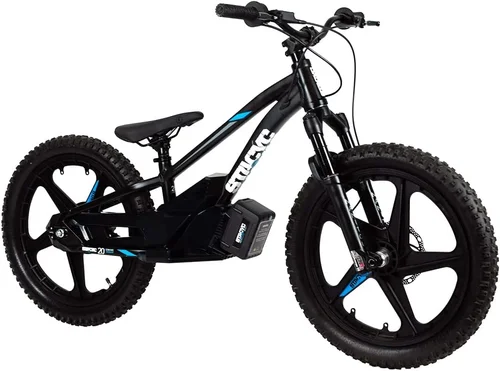
Best for Beginners: Strider Sport Balance E-Bike ($499) – No pedals, no throttle—just pure balance training with optional electric assist. Great for ages 3–6 transitioning to pedal bikes.
Best for Advanced Users: Heybike Mars Junior ($1,499) – A trail-ready e-MTB with 500W motor, front suspension, knobby tires, and a 48V battery. Designed for kids ready to explore off-road terrain safely.
Conclusion: Making the Right Choice
Choosing the best electric bike for your child is about more than just picking a shiny new toy—it’s an investment in their independence, health, and joy of outdoor exploration. By focusing on safety, fit, performance, and value, you can find a model that grows with your child and withstands the test of time. Remember, the perfect e-bike balances fun with responsibility, freedom with control, and innovation with practicality.
Don’t rush the decision. Take advantage of this guide’s insights, compare your options carefully, and involve your child in the process. Whether they’re cruising to school, exploring local trails, or simply enjoying weekend rides, the right e-bike will open up a world of possibilities. And with proper care and supervision, it can become a cherished part of their childhood for years to come.
Ready to hit the road? Start your search with confidence—you’ve got the knowledge to make the smartest choice for your family.