
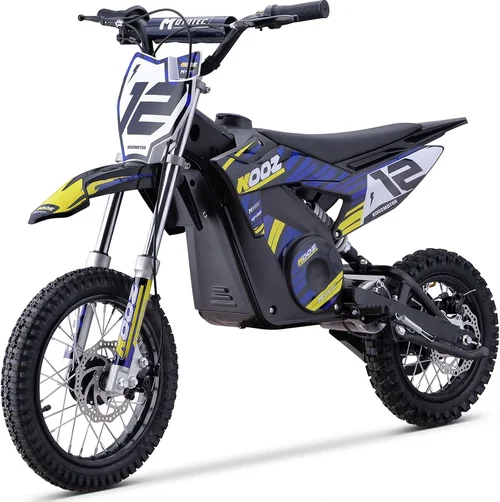
Electric dirt bikes have surged in popularity over the past few years, and for good reason. They offer a cleaner, quieter, and more accessible entry point into off-road riding compared to traditional gas-powered models. For 13-year-olds, this is especially important—parents want safety, reliability, and age-appropriate performance, while teens crave excitement, speed, and the freedom to explore. Whether your child is a complete beginner or already has some experience on trails, choosing the right electric dirt bike can make all the difference in their riding journey.
This comprehensive buying guide is designed to help parents, guardians, and young riders navigate the growing market of electric dirt bikes tailored for teens. We’ll break down everything you need to know—from performance specs and safety features to budget considerations and brand reputations. By the end of this article, you’ll have a clear understanding of what makes a great electric dirt bike for a 13-year-old, how to avoid common pitfalls, and which models offer the best value for your investment. With so many options flooding the market, it’s easy to feel overwhelmed—but we’re here to simplify the process and empower you to make a confident, informed decision.
The electric dirt bike market has evolved rapidly, with manufacturers now offering models specifically engineered for younger riders. These bikes balance power and control, often featuring adjustable speed settings, lightweight frames, and intuitive controls that build confidence without sacrificing fun. Unlike their gas-powered counterparts, electric dirt bikes produce zero emissions, require minimal maintenance, and start with the push of a button—making them ideal for suburban backyards, local trails, or family adventures. As technology improves, so do battery life, motor efficiency, and overall durability, meaning today’s teen riders have access to machines that were once only available to adults.

What to Look for When Buying an Electric Dirt Bike for a 13-Year-Old
1. Age and Skill Appropriateness
Not all electric dirt bikes are created equal—especially when it comes to matching a bike to a rider’s age, size, and experience level. At 13 years old, most teens are transitioning from beginner to intermediate riders. They may have outgrown smaller kids’ models but aren’t quite ready for full-sized adult bikes. Look for models labeled as “youth,” “teen,” or “intermediate” that are designed for riders between 12 and 16 years old. These bikes typically feature lower seat heights (around 28–32 inches), lighter weights (under 100 pounds), and manageable power outputs that allow for gradual skill development.
It’s also crucial to consider your child’s physical stature. A bike that’s too tall or heavy can be difficult to control, increasing the risk of accidents. Many reputable brands offer adjustable suspension and seat height options to accommodate growing riders. Additionally, check if the bike includes beginner-friendly features like a training mode or speed limiter—these allow parents to restrict top speed until the rider gains confidence.
2. Performance Specifications
Performance matters—but for a 13-year-old, it’s about balance, not brute force. Key specs to evaluate include motor power (measured in watts), top speed, torque, and range per charge. Most youth-oriented electric dirt bikes feature motors ranging from 500W to 1500W. A 500W–800W motor is ideal for beginners, offering enough power for hills and trails without being overwhelming. More experienced riders might benefit from a 1000W–1500W motor, which delivers quicker acceleration and higher top speeds (typically 15–25 mph).
Battery capacity, measured in amp-hours (Ah) or watt-hours (Wh), determines how long the bike can run on a single charge. Look for lithium-ion batteries with at least 10Ah capacity—this usually translates to 1–2 hours of continuous riding, depending on terrain and usage. Removable batteries are a huge plus, allowing for easy charging and replacement. Avoid lead-acid batteries; they’re heavier, less efficient, and have shorter lifespans.
Torque is another important factor—it affects how quickly the bike can climb hills or accelerate from a stop. Higher torque is beneficial for off-road conditions, but again, moderation is key for younger riders. Always verify the bike’s top speed and ensure it aligns with your comfort level and local regulations. Some areas restrict electric bikes to 20 mph or less on public trails.
3. Build Quality & Durability
A well-built bike can withstand the inevitable bumps, falls, and rough handling that come with teen riding. Look for frames made from high-tensile steel or aluminum alloy—both offer excellent strength-to-weight ratios. Aluminum is lighter and resistant to rust, making it ideal for wet or muddy conditions, while steel is more impact-resistant and often more affordable.
Check the quality of components like forks, brakes, wheels, and drivetrain. Hydraulic disc brakes are superior to mechanical ones, offering better stopping power and modulation—critical for safety on steep descents. Front suspension is standard on most models, but full suspension (front and rear) provides a smoother ride over rough terrain and reduces fatigue during longer sessions.
Pay attention to细节 like welded joints, cable routing, and waterproofing. A bike with sealed electronics and IP-rated water resistance (IP54 or higher) will last longer and perform better in adverse weather. Also, inspect the tires—knobby, off-road treads provide better grip on dirt, mud, and gravel compared to street-oriented tires.
4. Safety Features
Safety should always be the top priority when selecting an electric dirt bike for a teen. Beyond standard features like headlights and taillights, look for advanced safety systems such as:
- Speed limiters or parental controls: Allow adults to cap the maximum speed via a key, app, or physical switch.
- Kill switch or emergency brake: Instantly cuts power if the rider loses control.
- Throttle lockout: Prevents accidental acceleration when starting or stopping.
- LED display with battery and speed indicators: Helps riders monitor their status in real time.
Additionally, ensure the bike complies with safety standards such as UL 2271 (for battery safety) or ASTM F963 (for youth recreational products). Helmets are non-negotiable—always pair the bike with a DOT- or Snell-certified full-face helmet, along with gloves, knee pads, and elbow guards. Some brands even offer safety gear bundles, which can be a cost-effective way to get started.
5. Brand Reputation & Reliability
Not all electric dirt bike brands are created equal. Stick with manufacturers known for quality, customer service, and innovation. Established names like Razor, Segway, Sur-Ron, and Oset have built strong reputations over years of producing reliable youth and adult electric vehicles. These companies often invest heavily in R&D, resulting in better engineering, longer-lasting components, and more responsive support teams.
Research customer reviews on platforms like Amazon, Reddit, and specialized forums. Look for patterns—consistent complaints about battery life, poor assembly, or unresponsive brakes are red flags. Conversely, positive feedback about durability, ease of use, and helpful customer service can signal a trustworthy brand. Avoid unknown brands selling extremely cheap bikes online; they often cut corners on materials and safety, leading to higher long-term costs and potential hazards.
6. Warranty & Customer Support
A solid warranty is a strong indicator of a manufacturer’s confidence in their product. Most reputable brands offer at least a 6-month to 1-year warranty covering the motor, battery, and frame. Some premium models come with 2-year warranties or extended coverage options. Pay close attention to what’s included—does it cover labor? Are batteries covered separately? Is there a pro-rated clause?
Customer support is just as important. Can you easily reach a human representative via phone or chat? Do they offer troubleshooting guides, replacement parts, or repair services? Brands with U.S.-based support centers tend to resolve issues faster than those relying on overseas distributors. Also, check if the company provides firmware updates or app-based diagnostics—these modern features can extend the bike’s lifespan and improve performance over time.
7. Size, Weight & Portability
At 13, many teens are still growing, so a bike that’s too large or heavy can be difficult to manage. Ideal weight ranges from 60 to 90 pounds—light enough for a teen to lift or maneuver but sturdy enough to handle off-road conditions. Seat height should allow your child to place both feet flat on the ground when seated, promoting stability and confidence.
Portability matters if you plan to transport the bike in a car or store it in a garage. Look for models with foldable handlebars or removable batteries, which make loading and unloading easier. Some bikes even come with integrated carrying handles or wheels for rolling. If space is limited, consider compact designs that don’t sacrifice performance.
8. User Reviews & Real-World Feedback
While specs and marketing materials provide useful data, nothing beats real-world experience. Read verified purchase reviews from other parents and riders. Ask questions like: How long does the battery actually last? Is the bike easy to assemble? Does it handle well on trails? Are replacement parts readily available?
Look for video reviews on YouTube, where you can see the bike in action—climbing hills, navigating obstacles, and responding to throttle input. These visual demonstrations often reveal nuances that written reviews miss. Also, check social media groups or local riding communities for firsthand recommendations. A bike that performs well in one region (e.g., flat terrain) might struggle in another (e.g., mountainous areas), so consider your local environment when evaluating feedback.
Different Types of Electric Dirt Bikes for Teens

Common Buying Mistakes to Avoid
❌ Mistake: Prioritizing Price Over Safety
Why it’s bad: Cheap bikes often use substandard batteries, weak brakes, and flimsy frames that can fail under stress. A $200 bike might seem like a bargain, but it could pose serious safety risks and need replacement within months.
What to do instead: Set a realistic budget that prioritizes safety and durability. Even entry-level models from reputable brands offer better protection and longevity than ultra-cheap alternatives.
❌ Mistake: Ignoring Local Laws and Regulations
Why it’s bad: Many states and municipalities have specific rules about where electric dirt bikes can be ridden, required safety gear, and maximum speed limits. Riding illegally can result in fines or confiscation of the bike.
What to do instead: Research your local laws before purchasing. Some areas require registration, licensing, or restrict use to private property only. Choose a bike that complies with local regulations to avoid legal trouble.
❌ Mistake: Overestimating Your Child’s Skill Level
Why it’s bad: Giving a beginner a high-powered bike can lead to loss of control, accidents, and discouragement. Teens may feel pressured to keep up with friends, but safety should always come first.
What to do instead: Start with a lower-powered model and gradually upgrade as skills improve. Use training modes and supervised practice sessions to build confidence.
❌ Mistake: Skipping the Test Ride
Why it’s bad: Every bike handles differently. What looks good on paper might feel uncomfortable or unstable in real life.
What to do instead: If possible, visit a local dealer or rental shop to test ride similar models. Pay attention to seat comfort, throttle response, and overall balance.
❌ Mistake: Neglecting Maintenance Requirements
Why it’s bad: Even electric bikes need regular upkeep—tire pressure checks, brake adjustments, chain lubrication (if applicable), and battery care. Neglecting maintenance shortens the bike’s lifespan and compromises safety.
What to do instead: Read the owner’s manual thoroughly and establish a simple maintenance routine. Teach your teen basic care tasks to foster responsibility.
❌ Mistake: Buying Without Considering Resale Value
Why it’s bad: Teens grow quickly, and their interests change. A bike that’s too niche or low-quality may be hard to sell later.
What to do instead: Choose a popular model from a reputable brand with strong resale demand. Well-maintained bikes from brands like Razor or Segway often retain value better.
❌ Mistake: Forgetting About Charging Infrastructure
Why it’s bad: If you don’t have a safe, dry place to charge the battery, the bike becomes unusable. Overcharging or using incorrect chargers can damage the battery or create fire hazards.
What to do instead: Ensure you have a dedicated charging station away from flammable materials. Use only the manufacturer-provided charger and avoid charging overnight unattended.
Budget Guidelines: How Much Should You Spend?
Electric dirt bikes for teens span a wide price range, and understanding what you get at each tier helps set realistic expectations.
Entry-Level ($300–$600): These bikes are ideal for beginners or casual riders. Expect simpler designs, lower power (500W–800W), shorter range (30–45 minutes), and basic features like mechanical disc brakes and minimal suspension. Brands like Razor and MotoTec dominate this space. While not built for intense trail riding, they’re perfect for learning the basics in a backyard or park.
Mid-Range ($600–$1,200): This is the sweet spot for most 13-year-olds. Bikes in this range offer improved motors (800W–1200W), better batteries (10–15Ah lithium-ion), hydraulic brakes, and front or full suspension. Models like the Segway X160 or Oset 2.0 provide excellent balance between performance, safety, and affordability. They’re suitable for light off-road use and can grow with your child’s skills.
Premium ($1,200–$2,500): Designed for serious young riders, these bikes feature high-torque motors (1200W–2000W), advanced suspension systems, race-inspired frames, and smart features like app connectivity or regenerative braking. Brands like Sur-Ron, Cake, and KTM offer youth-specific models that rival adult bikes in capability. Ideal for competitive riding or frequent trail use.
Luxury ($2,500+): At this level, you’re paying for cutting-edge technology, ultra-lightweight materials, and professional-grade components. These bikes are often used in youth motocross competitions and come with extensive customization options. While impressive, they’re typically overkill for most recreational riders and require significant maintenance expertise.
Expert Tips for Getting the Best Deal
- Shop during off-season sales: Late fall and winter are ideal times to buy, as retailers clear inventory for new models. Look for Black Friday, Cyber Monday, or end-of-season discounts.
- Compare prices across multiple retailers: Check Amazon, Walmart, REI, and specialty e-bike shops. Sometimes local dealers offer price matching or bundle deals.
- Consider refurbished or open-box models: Many brands sell certified pre-owned bikes with full warranties at 20–30% off retail. These are often as good as new.
- Join loyalty programs or newsletters: Sign up for alerts from your favorite brands to get early access to sales, exclusive coupons, or free shipping.
- Read the fine print on warranties: Some warranties are voided if the bike is used off-road or modified. Make sure your intended use is covered.
- Check return policies: Ensure you can return or exchange the bike within 30 days if it doesn’t meet expectations. Some online retailers charge restocking fees, so verify terms beforehand.
- Ask about assembly services: Many bikes ship partially assembled. Paying for professional assembly ($50–$100) ensures everything is correctly installed and safe to ride.
- Look for trade-in programs: Some brands offer credit toward a new bike when you trade in an old one—great for upgrading as your teen grows.

Frequently Asked Questions
Q: Are electric dirt bikes safe for 13-year-olds?
A: Yes, when chosen appropriately and used with proper safety gear. Look for bikes with speed limiters, strong brakes, and durable construction. Always supervise new riders and enforce helmet use.
Q: How fast do electric dirt bikes go?
A: Most youth models top out between 15 and 25 mph. High-performance bikes can reach 30+ mph, but these are better suited for advanced riders.
Q: How long does the battery last?
A: Typically 1–2 hours of continuous riding, depending on terrain, rider weight, and power settings. Removable batteries allow for quick swaps during long sessions.
Q: Can electric dirt bikes be ridden in the rain?
A: Only if they have adequate water resistance (IP54 or higher). Avoid submerging the bike or riding through deep puddles, as water can damage electronics.
Q: Do I need a license to ride an electric dirt bike?
A: It depends on your location. In many U.S. states, electric bikes under 20 mph don’t require a license, but off-road use may be restricted to private property. Always check local laws.
Q: How often do I need to charge the battery?
A: Charge after each use to maintain battery health. Avoid letting the battery fully drain regularly, as this reduces its lifespan.
Q: Can adults ride youth electric dirt bikes?
A: Generally no—they’re designed for lighter weights and smaller frames. Adult riders may find them uncomfortable or underpowered.
Q: What’s the difference between hub motors and mid-drive motors?
A: Hub motors are built into the wheel and are simpler and cheaper. Mid-drive motors sit near the pedals (if applicable) and offer better weight distribution and efficiency—common in higher-end models.
Q: Are spare parts easy to find?
A: For reputable brands, yes. Check the manufacturer’s website or authorized dealers for replacement tires, brakes, batteries, and controllers.
Q: Should I buy used?
A: Only if it’s from a trusted source and thoroughly inspected. Check battery health, frame integrity, and motor function. Avoid bikes with unknown histories.
Our Final Recommendations
Best for Budget-Conscious Buyers: Razor MX650 Dirt Rocket – At around $500, this bike offers 1000W power, 17 mph top speed, and a sturdy steel frame. Great for beginners who want reliable performance without breaking the bank.
Best Overall Value: Segway X160 – Priced near $900, it features a 1600W motor, 28 mph speed, hydraulic brakes, and a sleek design. Perfect for teens ready to tackle trails with confidence.
Best Premium Option: Sur-Ron LBX Youth – With a 4000W peak motor, full suspension, and race-ready build, this $2,200 bike is for serious young riders aiming for competition or aggressive off-roading.
Best for Beginners: Oset 2.0 16” – Designed specifically for young riders, this $1,100 bike has adjustable power settings, low seat height, and exceptional build quality—ideal for learning proper technique.
Best for Advanced Users: Cake Kalk OR Youth – A minimalist, high-performance machine with regenerative braking, app integration, and Swedish engineering. Priced at $3,000+, it’s for teens who demand the best.
Conclusion: Making the Right Choice
Choosing the best electric dirt bike for a 13-year-old involves balancing excitement with safety, performance with practicality, and budget with long-term value. By focusing on age-appropriate design, reliable build quality, and essential safety features, you can find a bike that grows with your child and fosters a lifelong love of riding. Remember, the goal isn’t just to buy a vehicle—it’s to invest in confidence, adventure, and responsible outdoor recreation.
Take the time to research, compare models, and involve your teen in the decision-making process. Let them test ride options, ask questions, and understand the importance of safety and maintenance. With the right bike, your 13-year-old won’t just be riding—they’ll be learning, exploring, and building skills that last a lifetime.
Ready to hit the trails? Use this guide as your roadmap, prioritize what matters most to your family, and choose a bike that delivers joy, safety, and unforgettable memories.