
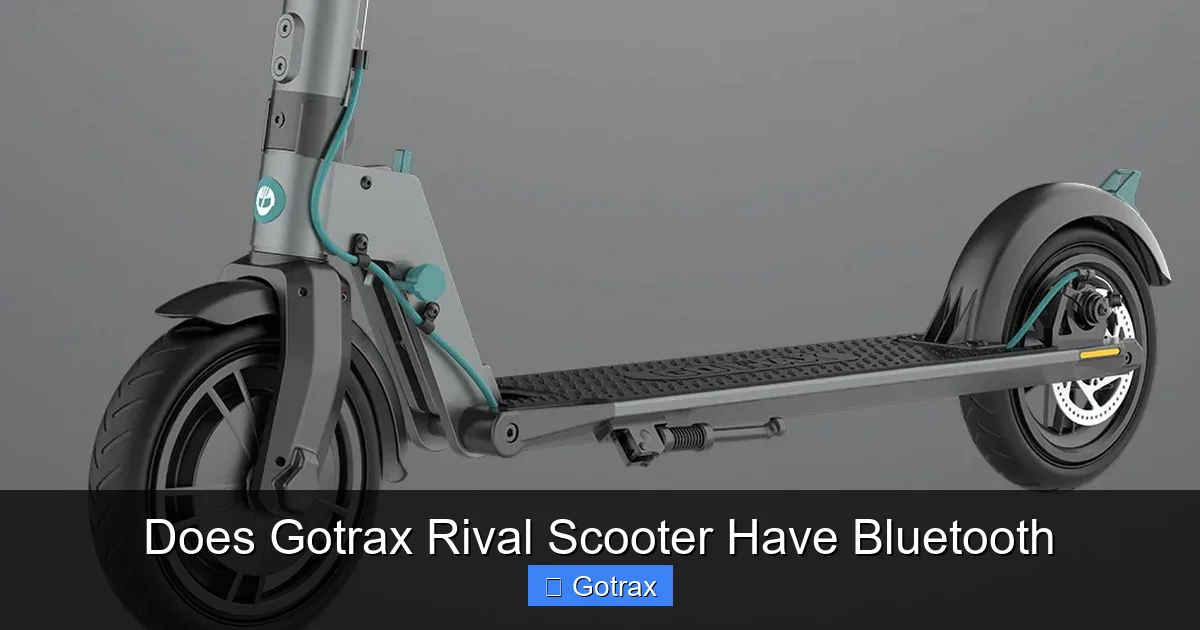
The Gotrax Rival scooter does not come with built-in Bluetooth connectivity. While it offers solid performance and user-friendly features, riders looking for app-based tracking or music integration will need to use external solutions.
[FEATURED_IMAGE_PLACEHODELR]
If you’re in the market for an electric scooter that’s easy to ride, affordable, and built for everyday commutes, the Gotrax Rival is definitely one to consider. It’s sleek, lightweight, and packed with practical features like a bright LED headlight, rear brake light, and a sturdy folding mechanism. But as smart technology becomes more common in personal transportation, many riders are asking: Does the Gotrax Rival scooter have Bluetooth? The short answer is no—but that doesn’t mean it’s not a great scooter. In fact, understanding what the Rival does and doesn’t offer can help you decide if it’s the right fit for your lifestyle.
Gotrax has built a solid reputation for making reliable, no-frills electric scooters that prioritize function over flashy tech. The Rival, in particular, is designed for riders who want a dependable way to get from point A to point B without dealing with complicated setups or app dependencies. It’s perfect for students, office workers, or anyone who values simplicity and affordability. But in an era where many scooters come with smartphone apps, GPS tracking, and Bluetooth connectivity, the lack of these features might feel like a step back—especially if you’re used to tracking your rides or controlling your scooter remotely.
So, while the Gotrax Rival doesn’t have Bluetooth, it’s not necessarily a dealbreaker. In this article, we’ll dive deep into what the Rival offers, why Bluetooth isn’t included, and how you can still enjoy a smart-like experience with a few clever add-ons. Whether you’re a tech enthusiast or just someone looking for a smooth, hassle-free ride, this guide will help you understand exactly what you’re getting—and what you’re not.
Key Takeaways
- No Built-in Bluetooth: The Gotrax Rival lacks native Bluetooth, meaning you can’t connect it directly to a smartphone app for ride tracking or diagnostics.
- Reliable Performance: Despite the absence of smart features, the scooter delivers strong acceleration, a top speed of 15.5 mph, and a range of up to 12 miles per charge.
- Manual Operation Only: All controls—speed, braking, and lighting—are handled manually via the thumb throttle and handbrake, with no digital interface.
- External Workarounds Possible: Riders can use Bluetooth-enabled phone mounts, wireless earbuds, or fitness trackers to add smart functionality.
- Great for Budget Buyers: Priced affordably, the Rival focuses on simplicity and durability over high-tech features, making it ideal for casual commuters.
- Future Models May Include Bluetooth: Gotrax has added smart features to other models, so future Rival updates could include connectivity options.
📑 Table of Contents
- Understanding the Gotrax Rival: An Overview
- Does the Gotrax Rival Have Bluetooth? The Straight Answer
- Why Bluetooth Matters (and Why It Might Not)
- Workarounds: Adding Smart Features to Your Gotrax Rival
- Comparing the Gotrax Rival to Bluetooth-Enabled Scooters
- Who Should Buy the Gotrax Rival?
- Future of the Gotrax Rival: Will Bluetooth Be Added?
- Final Thoughts: Is the Gotrax Rival Right for You?
Understanding the Gotrax Rival: An Overview
Before we get into the Bluetooth question, let’s take a closer look at what the Gotrax Rival actually is. Launched as part of Gotrax’s 2023 lineup, the Rival was designed to compete with other mid-range electric scooters like the Xiaomi Mi and Segway Ninebot ES2. It’s positioned as a balance between performance, portability, and price—making it a popular choice for urban commuters and first-time e-scooter buyers.
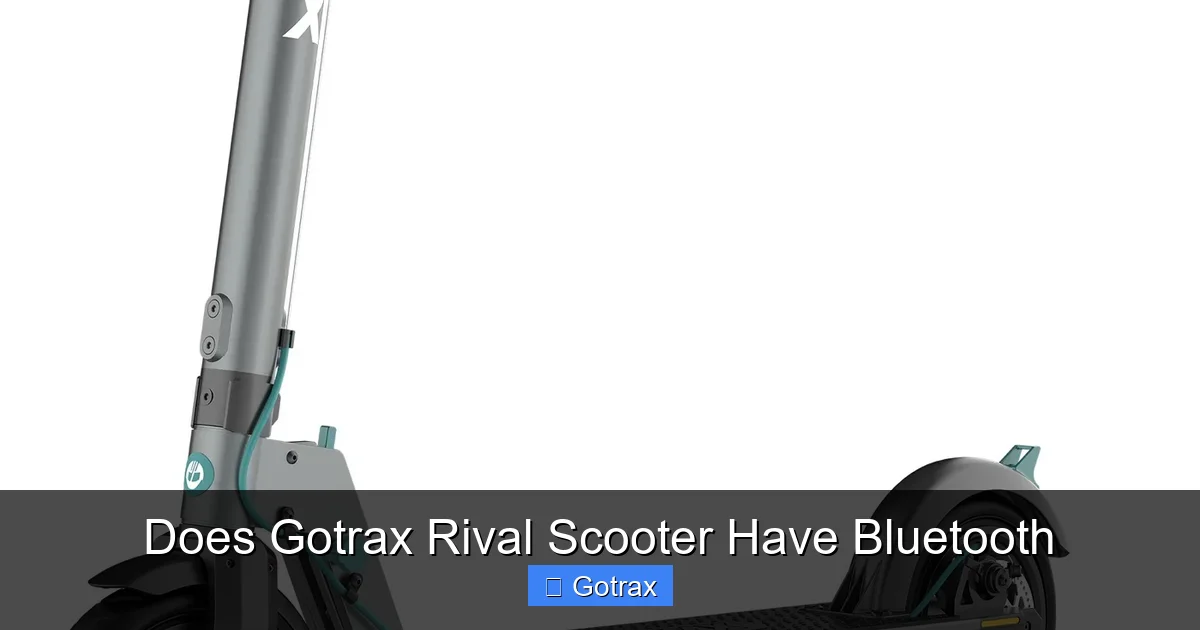
The Rival features a 350-watt motor that delivers smooth acceleration and a top speed of 15.5 miles per hour. That’s fast enough to keep up with city traffic but not so fast that it feels unsafe on sidewalks or bike lanes. The scooter weighs just 26.5 pounds, which makes it easy to carry up stairs or onto public transit. Its 8.5-inch pneumatic tires provide a comfortable ride over bumps and cracks, and the front and rear suspension help absorb shocks for a smoother experience.
One of the standout features of the Rival is its battery life. With a 36V 7.5Ah lithium-ion battery, it can travel up to 12 miles on a single charge under ideal conditions. That’s plenty for most daily commutes, errands, or campus travel. Charging takes about 4–5 hours, which is standard for scooters in this category. The scooter also includes a bright LED headlight for nighttime riding and a rear brake light that activates when you hit the handbrake—small but important safety features.
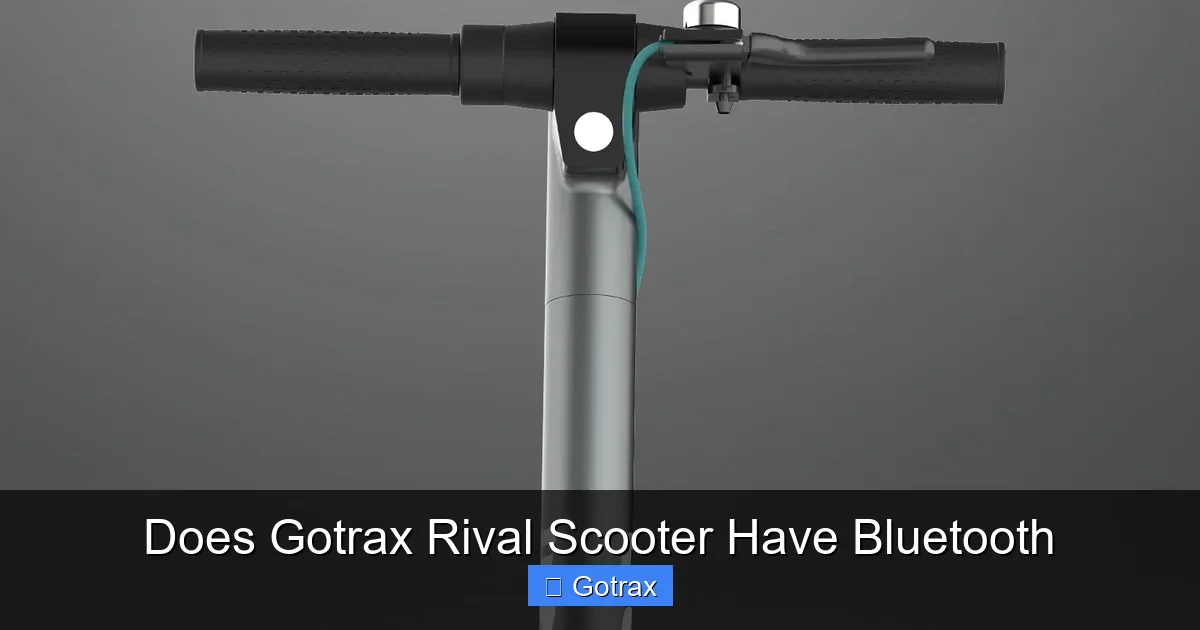
The design is clean and minimalist, with a matte black or white finish and a simple digital display that shows speed, battery level, and riding mode. There are three speed modes: Eco, Normal, and Sport, which let you adjust performance based on your needs. The thumb throttle is responsive, and the handbrake provides strong, reliable stopping power. Everything about the Rival feels intuitive and user-friendly—no learning curve required.
But here’s the catch: despite its modern look and solid performance, the Rival doesn’t include any smart connectivity features. No Bluetooth, no app, no GPS tracking. It’s a purely mechanical ride, controlled entirely by physical inputs. For some, that’s a plus—fewer things to break, no software updates to worry about, and no need to keep your phone charged just to ride. For others, especially those who love tracking their rides or syncing data with fitness apps, the lack of Bluetooth might feel like a missed opportunity.
Does the Gotrax Rival Have Bluetooth? The Straight Answer
Visual guide about Does Gotrax Rival Scooter Have Bluetooth
Image source: gotrax.com
Now, let’s get to the heart of the matter: Does the Gotrax Rival scooter have Bluetooth? The answer is a clear and definitive no. The Rival does not come with built-in Bluetooth connectivity, nor does it support any form of wireless communication with smartphones or other devices.
This might come as a surprise to some, especially since many competing scooters in the same price range—like the Segway Ninebot Max or the Apollo City—offer Bluetooth pairing through companion apps. These apps allow riders to lock their scooter, check battery status, track ride history, adjust speed settings, and even receive firmware updates. But the Gotrax Rival takes a different approach. It’s designed to be simple, reliable, and accessible to everyone, regardless of tech savviness.
So why doesn’t the Rival have Bluetooth? There are a few likely reasons. First, cost. Adding Bluetooth hardware, developing a companion app, and maintaining software support all add to the manufacturing and long-term expenses. By skipping these features, Gotrax keeps the Rival affordable—typically priced under $400, which is very competitive for a scooter with its specs.
Second, simplicity. Gotrax markets the Rival as a “no-nonsense” scooter. The company seems to believe that most riders don’t need or want app-based controls. Instead, they prefer a straightforward ride experience where everything is controlled by hand. This philosophy aligns with Gotrax’s broader brand identity, which emphasizes durability and ease of use over high-tech gimmicks.
Third, reliability. Wireless features can introduce potential points of failure—software bugs, connectivity issues, or battery drain from constant Bluetooth scanning. By keeping the Rival analog, Gotrax reduces the risk of technical problems and ensures the scooter works consistently, even in areas with poor signal or after long periods of storage.
That said, the lack of Bluetooth doesn’t mean the Rival is outdated. It’s still a modern, well-built scooter with solid performance and safety features. But if you’re someone who loves tracking your rides, monitoring battery health in real time, or customizing your scooter’s behavior through an app, you’ll need to look elsewhere—or find creative workarounds.
Why Bluetooth Matters (and Why It Might Not)
Visual guide about Does Gotrax Rival Scooter Have Bluetooth
Image source: gotrax.com
At this point, you might be wondering: Why does Bluetooth even matter on an electric scooter? After all, the primary function of a scooter is to get you from one place to another. So why do so many riders care about wireless connectivity?
The truth is, Bluetooth adds a layer of convenience and control that can enhance the overall riding experience. Here’s how:
First, Bluetooth enables app integration. With a companion app, you can view detailed ride statistics like distance traveled, average speed, and calories burned. Some apps even let you set geofences, receive theft alerts, or remotely lock your scooter. For fitness enthusiasts or data-driven commuters, this kind of information is invaluable.
Second, Bluetooth allows for remote diagnostics. If your scooter develops a problem—like a battery issue or motor fault—an app can often detect it early and alert you before it becomes a bigger issue. This can save you time, money, and frustration down the road.
Third, Bluetooth can improve safety. Some smart scooters use apps to enable features like automatic headlights, speed limiters for beginners, or emergency braking alerts. While the Rival has basic safety features built in, it doesn’t offer these advanced options.
Finally, Bluetooth can make the scooter feel more personalized. You might be able to customize lighting patterns, set preferred speed modes, or even play music through connected speakers. These small touches can make riding more enjoyable and tailored to your preferences.
But here’s the flip side: not everyone needs or wants these features. For many riders, especially casual users or those on a budget, Bluetooth is just extra complexity. They don’t want to worry about app updates, phone compatibility, or draining their phone’s battery just to ride. They just want a scooter that works—every time, without fuss.
And that’s where the Gotrax Rival shines. It’s a no-frills, plug-and-play solution that focuses on the essentials: speed, range, comfort, and reliability. If you’re someone who values simplicity over smart features, the lack of Bluetooth might actually be a benefit. You won’t have to deal with connectivity issues, software glitches, or the hassle of keeping your phone charged just to ride.
In short, Bluetooth matters—but only if you want it to. For some, it’s a must-have. For others, it’s irrelevant. The Gotrax Rival caters to the latter group, offering a straightforward, dependable ride without the digital distractions.
Workarounds: Adding Smart Features to Your Gotrax Rival
Just because the Gotrax Rival doesn’t have built-in Bluetooth doesn’t mean you’re stuck in the analog age. With a few clever accessories and third-party tools, you can still enjoy many of the smart features you’d get from a Bluetooth-enabled scooter. Here are some practical ways to add connectivity and functionality to your Rival:
Use a Bluetooth Phone Mount
One of the easiest ways to add smart functionality is by installing a Bluetooth-enabled phone mount on your handlebars. These mounts hold your smartphone securely and often include wireless charging, so your phone stays powered during long rides. Once your phone is mounted, you can use navigation apps like Google Maps or Waze to get turn-by-turn directions. You can also play music, take calls, or use voice assistants like Siri or Google Assistant—all without touching your phone.
Look for mounts with vibration dampening and weather resistance, especially if you ride in rough conditions. Some popular options include the Quad Lock Mount and the SP Connect system, both of which are compatible with most smartphones and offer strong grip and easy rotation.
Pair Wireless Earbuds or Headphones
If you enjoy listening to music or podcasts while riding, wireless earbuds are a great addition. Models like the Apple AirPods, Samsung Galaxy Buds, or Jabra Elite series connect to your phone via Bluetooth and deliver high-quality audio without the hassle of wires. Just be sure to keep the volume low enough to hear traffic and stay aware of your surroundings—safety first!
Some riders even use bone conduction headphones, which sit just in front of your ears and allow you to hear both your music and the environment around you. These are especially popular among cyclists and scooter riders who prioritize situational awareness.
Use a Fitness Tracker or Smartwatch
Even without a scooter app, you can still track your rides using a fitness tracker or smartwatch. Devices like the Fitbit Charge, Garmin Vivosmart, or Apple Watch can monitor your distance, speed, heart rate, and calories burned during your commute. Simply start a “cycling” or “outdoor activity” workout before you ride, and the device will log your data automatically.
Over time, this can help you monitor your fitness progress, set goals, and even share your achievements with friends. Plus, many of these devices sync with popular health apps like Strava or MyFitnessPal, giving you a complete picture of your activity levels.
Install a Bluetooth Bike Computer
For riders who want more detailed ride data, a Bluetooth bike computer can be a great investment. These small devices mount on your handlebars and connect to sensors on your scooter (like a speed sensor or cadence sensor) to track metrics like speed, distance, and ride time. Some models even support GPS tracking and can sync with apps like Strava or Komoot.
While the Rival doesn’t have built-in sensors, you can add them yourself. For example, a magnet and sensor kit can be attached to the wheel and fork to measure speed. Pair that with a Bluetooth-enabled computer like the Wahoo ELEMNT BOLT or the Garmin Edge 130, and you’ll have a full-featured ride tracker—no app required.
Use a Portable Power Bank
Since the Rival doesn’t have USB ports or wireless charging, you’ll need to keep your phone charged the old-fashioned way: with a power bank. A compact, high-capacity power bank can easily fit in your backpack or attach to your scooter with a strap. Look for one with fast-charging capabilities and multiple ports, so you can charge your phone, earbuds, and other devices on the go.
Some riders even use power banks with built-in flashlights or solar charging, which can be handy for nighttime rides or long trips.
Consider a Scooter Alarm or Tracker
While the Rival doesn’t have anti-theft features like remote locking, you can add security with a Bluetooth tracker or alarm. Devices like the Tile Mate or Apple AirTag can be hidden inside the scooter’s deck or battery compartment. If your scooter is moved, you’ll get an alert on your phone. Some trackers even allow you to trigger a loud alarm remotely, which can scare off thieves.
For added peace of mind, consider a physical lock like a U-lock or chain lock. While not high-tech, these are still the most effective way to prevent theft.
Comparing the Gotrax Rival to Bluetooth-Enabled Scooters
To better understand the trade-offs, let’s compare the Gotrax Rival to a few popular scooters that do include Bluetooth connectivity. This will help you see what you’re gaining—and what you’re giving up—by choosing the Rival.
Segway Ninebot Max G30
The Segway Ninebot Max G30 is one of the most popular electric scooters on the market, and it comes with full Bluetooth support. Through the Segway app, riders can lock the scooter, check battery status, track ride history, adjust speed modes, and even receive firmware updates. The app also includes a “Find My Scooter” feature that uses GPS to locate your ride if it’s stolen.
In terms of performance, the Max G30 is slightly more powerful than the Rival, with a 350W motor (same as the Rival) but a longer range—up to 40 miles with the extended battery. It also has larger 10-inch tires and better suspension, making it more comfortable on rough roads.
But all these features come at a cost. The Max G30 typically retails for $600–$800, which is significantly more than the Rival’s $350–$400 price tag. And while the app is useful, some users report connectivity issues or slow response times.
Apollo City 2023
The Apollo City is another Bluetooth-enabled scooter that offers a premium riding experience. It features a 500W motor, a top speed of 25 mph, and a range of up to 25 miles. The Apollo app allows for full customization of ride modes, lighting, and even regenerative braking strength.
The City also includes advanced safety features like turn signals, a built-in horn, and a high-resolution display. But again, this comes with a higher price—around $1,000—and a steeper learning curve due to the complexity of the app and settings.
Xiaomi Mi Electric Scooter 3
The Xiaomi Mi Scooter 3 is a budget-friendly option with Bluetooth connectivity. Priced around $450, it offers a 300W motor, a top speed of 15.5 mph, and a range of up to 18.6 miles. The Mi Home app lets you lock the scooter, check battery life, and view ride stats.
While it’s more affordable than the Segway or Apollo, the Mi Scooter 3 has smaller 8.5-inch tires and less suspension than the Rival, which can make for a bumpier ride. It also lacks some of the Rival’s safety features, like a rear brake light.
The Verdict
When you compare the Gotrax Rival to these Bluetooth-enabled scooters, the differences become clear. The Rival sacrifices smart features for affordability, simplicity, and reliability. It’s not the most advanced scooter on the market, but it’s one of the most dependable and easy to use.
If you prioritize tech and customization, a Bluetooth-enabled scooter might be worth the extra cost. But if you just want a scooter that gets you where you need to go without hassle, the Rival is a fantastic choice.
Who Should Buy the Gotrax Rival?
So, who is the Gotrax Rival really for? Based on its features, performance, and lack of Bluetooth, it’s best suited for a specific type of rider:
– Budget-conscious buyers: If you’re looking for a reliable electric scooter under $400, the Rival is hard to beat. You get solid performance, good build quality, and essential safety features—all without breaking the bank.
– Casual commuters: Students, office workers, and weekend riders who use their scooter for short trips will appreciate the Rival’s simplicity and ease of use. No apps, no setup—just unfold, ride, and fold.
– First-time e-scooter owners: The Rival is an excellent entry-level scooter. It’s intuitive, safe, and doesn’t overwhelm new riders with complicated controls or settings.
– Tech-averse users: If you prefer physical controls over digital interfaces, the Rival’s manual operation will feel familiar and comfortable. You won’t have to worry about software updates or connectivity issues.
– Those who value reliability: With fewer electronic components, the Rival is less likely to experience technical problems. It’s built to last, with a sturdy frame and durable tires.
On the other hand, the Rival may not be the best fit for:
– Tech enthusiasts who want app integration and smart features.
– Long-distance commuters who need advanced diagnostics or GPS tracking.
– Riders who frequently travel in areas with poor phone signal (since workarounds rely on Bluetooth).
Future of the Gotrax Rival: Will Bluetooth Be Added?
As of now, Gotrax has not announced any plans to add Bluetooth to the Rival. However, the company has been gradually introducing smart features in other models, like the Gotrax GXL V2 and the upcoming Gotrax Elite series. These scooters include app connectivity, ride tracking, and remote locking—suggesting that Gotrax is moving toward a more connected future.
It’s possible that a future version of the Rival—perhaps called the Rival Pro or Rival Smart—could include Bluetooth. But for now, the standard Rival remains a purely mechanical ride.
If you’re hoping for Bluetooth in the future, keep an eye on Gotrax’s product updates and customer feedback. The more riders ask for smart features, the more likely the company is to respond.
Final Thoughts: Is the Gotrax Rival Right for You?
So, does the Gotrax Rival scooter have Bluetooth? No—it doesn’t. But that doesn’t make it a bad scooter. In fact, for many riders, the lack of Bluetooth is a feature, not a flaw.
The Rival excels in areas that matter most: performance, affordability, and simplicity. It’s a no-frills, get-the-job-done scooter that delivers a smooth, reliable ride without the complications of smart technology. Whether you’re commuting to work, running errands, or just enjoying a weekend ride, the Rival gets you there safely and efficiently.
If you’re someone who values high-tech features and app integration, you might want to consider a Bluetooth-enabled alternative. But if you’re looking for a dependable, easy-to-use scooter that won’t let you down, the Gotrax Rival is a fantastic choice.
And remember—just because it doesn’t have built-in Bluetooth doesn’t mean you can’t add smart functionality. With a few accessories, you can enjoy many of the same benefits as a connected scooter, all while keeping the simplicity and reliability that makes the Rival so appealing.
In the end, the best scooter is the one that fits your lifestyle. And for many, the Gotrax Rival does just that.
Frequently Asked Questions
Does the Gotrax Rival scooter have Bluetooth?
No, the Gotrax Rival does not have built-in Bluetooth connectivity. It operates without any wireless communication features or companion app support.
Can I add Bluetooth to my Gotrax Rival?
While you can’t add Bluetooth directly to the scooter, you can use external devices like Bluetooth phone mounts, wireless earbuds, or fitness trackers to enhance your ride experience.
Why doesn’t the Gotrax Rival have Bluetooth?
Gotrax likely omitted Bluetooth to keep the scooter affordable, simple, and reliable. Adding smart features increases cost and complexity, which goes against the Rival’s no-frills design philosophy.
Are there any Gotrax scooters with Bluetooth?
Yes, some newer Gotrax models like the GXL V2 and upcoming Elite series include Bluetooth and app connectivity, but the Rival does not.
Can I track my rides on the Gotrax Rival?
Not through the scooter itself, but you can use a fitness tracker, smartwatch, or bike computer with Bluetooth to log distance, speed, and other metrics.
Is the Gotrax Rival a good scooter despite lacking Bluetooth?
Absolutely. It offers strong performance, solid build quality, and essential safety features at an affordable price, making it a great choice for casual and budget-conscious riders.