
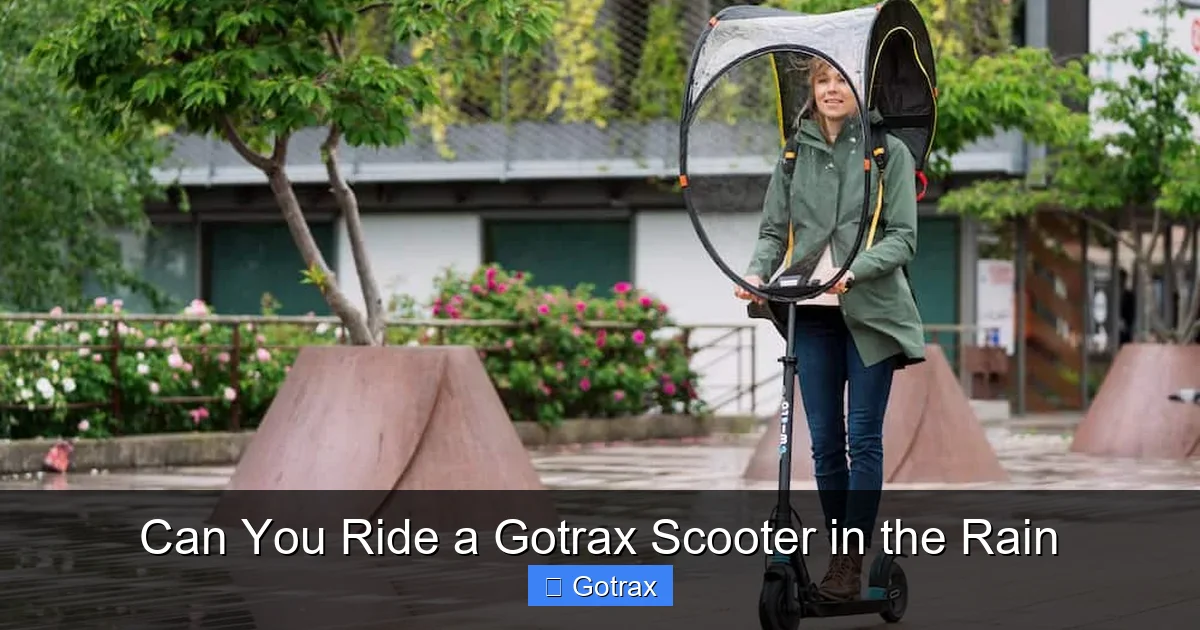
Riding a Gotrax scooter in the rain is possible but not recommended. While some models have water-resistant features, they are not fully waterproof, and wet conditions increase the risk of accidents and damage. Always prioritize safety, check weather forecasts, and dry your scooter after exposure to moisture.
Key Takeaways
- Gotrax scooters are not waterproof: Most models are rated IP54, meaning they resist light splashes but can be damaged by heavy rain or submersion.
- Wet surfaces reduce traction: Rain makes roads slippery, increasing the chance of skidding, especially during turns or sudden stops.
- Battery and electronics are vulnerable: Water exposure can short-circuit the battery, motor, or control board, leading to costly repairs.
- Safety gear is essential: Wear waterproof clothing, gloves, and non-slip shoes to improve grip and visibility in rainy conditions.
- Dry your scooter after riding: Wipe down the deck, wheels, and electrical components to prevent rust and corrosion.
- Check local laws and manufacturer guidelines: Some regions restrict electric scooter use in bad weather, and Gotrax advises against riding in rain.
- Use rain as a signal to walk or delay your trip: When in doubt, it’s safer to wait for dry conditions than risk an accident or damage.
📑 Table of Contents
- Can You Ride a Gotrax Scooter in the Rain?
- Understanding Gotrax Water Resistance Ratings
- The Dangers of Riding in Wet Conditions
- How to Protect Your Gotrax Scooter from Water Damage
- Safety Tips for Riding in Light Rain
- When to Avoid Riding Altogether
- What Gotrax Says About Riding in the Rain
- Alternatives to Riding in the Rain
- Conclusion
Can You Ride a Gotrax Scooter in the Rain?
So, it’s raining outside, and you’re wondering: can you still hop on your Gotrax scooter and zip to work or run that quick errand? It’s a common question among electric scooter owners, especially those living in areas with unpredictable weather. The short answer? Technically, yes—you *can* ride a Gotrax scooter in the rain. But should you? That’s a much more important question.
Gotrax scooters are popular for their affordability, portability, and smooth rides. Models like the Gotrax GXL, XR, and Elite are favorites among commuters and students. But when rain starts falling, things get complicated. While these scooters are built to handle light moisture, they’re not designed for heavy downpours or wet conditions. Riding in the rain increases the risk of accidents, mechanical failure, and long-term damage. So, before you grab your helmet and head out, let’s dive into what you need to know about riding your Gotrax in wet weather.
Understanding Gotrax Water Resistance Ratings
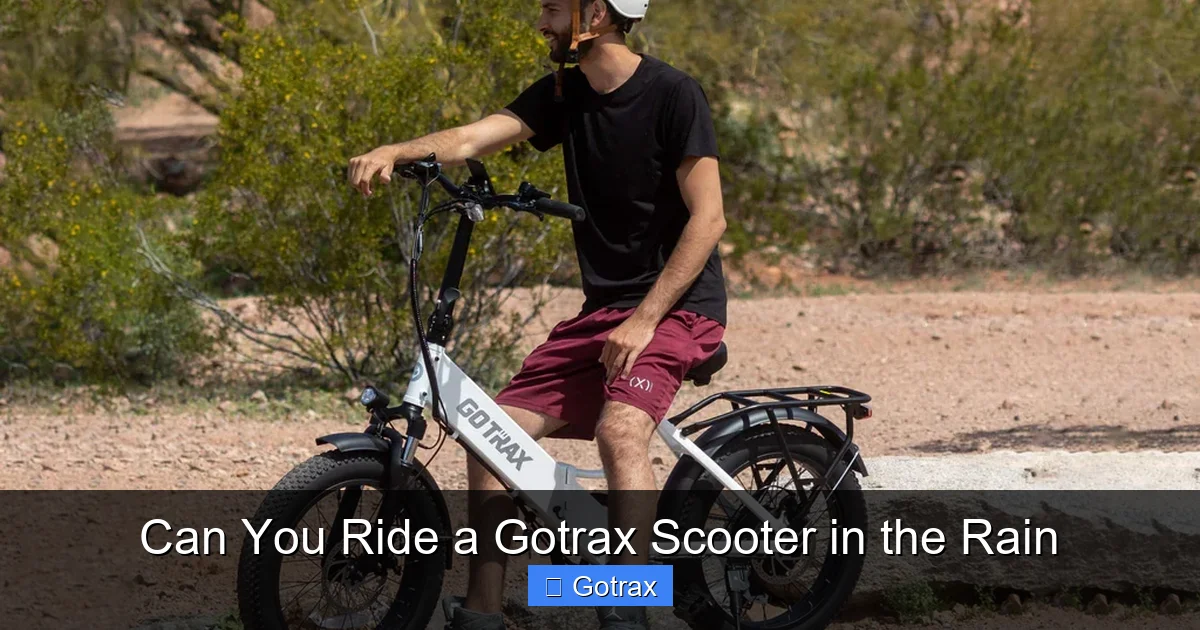
Visual guide about Can You Ride a Gotrax Scooter in the Rain
Image source: cdn.shopify.com
One of the first things to understand is the IP rating—Ingress Protection rating—that Gotrax assigns to its scooters. This rating tells you how well the scooter can resist dust and water. Most Gotrax models, including the GXL V2 and XR, carry an IP54 rating. Let’s break that down.
The “5” in IP54 means the scooter is protected against limited dust ingress—it won’t keep out all dust, but it’s enough for normal use. The “4” means it’s protected against water splashes from any direction. That’s good news for light drizzle or puddle splashes, but it’s not the same as being waterproof.
An IP54 rating does *not* mean your scooter can handle heavy rain, standing water, or being ridden through deep puddles. In fact, Gotrax explicitly states in their user manuals that riding in rain or wet conditions is not recommended. Water can seep into the battery compartment, motor, or wiring, causing corrosion or electrical shorts. Even if your scooter seems fine after a rainy ride, internal damage might not show up until weeks later.
What Happens When Water Gets In?
Imagine riding through a puddle and water splashes up onto the deck. That might seem harmless, but water can travel through tiny gaps in the frame, around the stem, or near the charging port. Once inside, it can reach the battery or motor controller. These components are sensitive to moisture. A short circuit could cause the scooter to shut down mid-ride, or worse, overheat and become a fire hazard.
Even if your scooter survives the initial exposure, water can lead to rust on metal parts, degrade rubber seals, and weaken electrical connections over time. That means reduced performance, shorter battery life, and potentially costly repairs.
Model-Specific Considerations
Not all Gotrax scooters are created equal when it comes to water resistance. The Gotrax G4, for example, has a slightly higher IP rating (IPX4), but it’s still not waterproof. The newer Gotrax Elite and XR models have improved sealing around the battery and motor, but they’re still not built for wet conditions.
If you live in a rainy climate, consider investing in additional protective gear, like a waterproof cover for the battery compartment or silicone sealant around vulnerable areas. However, these are DIY fixes and won’t make your scooter fully waterproof. Always check your specific model’s manual for water resistance details.
The Dangers of Riding in Wet Conditions

Visual guide about Can You Ride a Gotrax Scooter in the Rain
Image source: ridereview.com
Even if your Gotrax scooter can technically handle a little rain, the real danger lies in how wet conditions affect your ride. Rain doesn’t just make your scooter wet—it makes the entire riding experience more hazardous.
Reduced Traction and Increased Skidding
Wet roads are slippery. Oil, dirt, and water mix to create a slick surface that reduces tire grip. Gotrax scooters typically have small, solid or pneumatic tires that don’t offer the same traction as larger bike tires. On a rainy day, even a slight turn or sudden brake can cause the wheels to skid.
Imagine you’re riding down a slight hill and need to stop quickly. On a dry road, your brakes respond instantly. But on a wet surface, your tires might lose grip, causing you to slide. This is especially dangerous at higher speeds or on uneven pavement.
Poor Visibility for Riders and Drivers
Rain reduces visibility for everyone on the road. Drivers may not see you, and you might not see potholes, debris, or other hazards until it’s too late. Gotrax scooters don’t come with bright headlights or turn signals on all models, making it harder to be seen in low-light, rainy conditions.
If you must ride in the rain, wear bright, reflective clothing and consider adding LED lights to your scooter. A rear red light and front white light can make a big difference in visibility.
Hydroplaning and Potholes
Hydroplaning happens when a layer of water builds up between the tires and the road, causing the scooter to lose contact with the surface. While it’s more common with cars, it can happen on scooters too—especially if you hit a large puddle at speed.
Potholes are another hidden danger. In the rain, potholes fill with water and become invisible. Riding over one can damage your wheels, throw you off balance, or even cause a crash.
Increased Braking Distance
Wet brakes don’t work as well. Whether you’re using mechanical disc brakes or electronic regenerative braking, moisture reduces their effectiveness. You’ll need to brake earlier and more gently to avoid skidding.
Gotrax scooters rely heavily on electronic braking systems, which can be less responsive in wet conditions. Always test your brakes before riding in the rain, and give yourself extra stopping distance.
How to Protect Your Gotrax Scooter from Water Damage
If you find yourself caught in a sudden downpour or need to ride in light rain, there are steps you can take to minimize damage and keep your scooter running smoothly.
Wipe Down Your Scooter After Riding
As soon as you get home, dry your scooter thoroughly. Use a soft, dry cloth to wipe down the deck, handlebars, and wheels. Pay special attention to the battery compartment, charging port, and motor area. Moisture left on these parts can lead to corrosion.
Use a Waterproof Cover or Bag
When parking your scooter outdoors in the rain, use a waterproof scooter cover. These are inexpensive and can protect your scooter from direct exposure. If you’re commuting and know rain is coming, consider carrying a small cover in your backpack.
Avoid Deep Puddles and Standing Water
Never ride through deep puddles or flooded areas. Even a few inches of water can be enough to damage the motor or battery. If you see standing water, walk your scooter through it instead.
Apply Silicone Sealant (DIY Option)
For extra protection, some riders apply silicone sealant around the battery compartment, stem, and charging port. This can help prevent water from seeping in. However, be careful not to block ventilation holes or damage any components. This is a temporary fix and not a substitute for proper waterproofing.
Store Your Scooter Indoors
Always store your Gotrax scooter in a dry, covered area. Avoid leaving it outside in the rain or snow. If you must leave it outdoors, use a weatherproof storage box or cover.
Safety Tips for Riding in Light Rain
If you absolutely must ride in light rain, follow these safety tips to reduce your risk of accidents.
Wear the Right Gear
Dress for the weather. Wear a waterproof jacket, pants, and gloves. Choose shoes with good grip—avoid smooth soles that can slip on wet decks. A helmet is always essential, and consider one with a visor to keep rain out of your eyes.
Slow Down and Ride Cautiously
Reduce your speed and avoid sudden movements. Take turns slowly and brake gently. Give yourself extra space from other vehicles and pedestrians.
Use Lights and Reflectors
Turn on your scooter’s lights, even during the day. Add reflective tape to your scooter and clothing to increase visibility.
Plan Your Route
Choose routes with smooth, well-maintained pavement. Avoid roads with heavy traffic, steep hills, or poor drainage. Stick to bike lanes or sidewalks where safe and legal.
Check Your Tires
Make sure your tires are properly inflated (if pneumatic) and have good tread. Worn tires offer less grip, especially in wet conditions.
When to Avoid Riding Altogether
There are times when riding your Gotrax scooter in the rain is just not worth the risk.
Heavy Rain or Storms
If it’s pouring, don’t ride. Heavy rain reduces visibility, increases the chance of hydroplaning, and can damage your scooter. Wait for the storm to pass.
Freezing Rain or Ice
Ice is extremely dangerous. Even a thin layer can cause you to lose control. Never ride on icy or snowy surfaces.
High Winds
Strong winds can push you off balance, especially on a lightweight scooter. Combine that with rain, and it’s a recipe for disaster.
Nighttime Rides in the Rain
Riding at night in the rain is especially risky. Visibility is low, and drivers are less likely to see you. If you must ride, use bright lights and reflective gear.
What Gotrax Says About Riding in the Rain
Gotrax is clear in its user manuals: riding in rain or wet conditions is not recommended. The company warns that water exposure can void your warranty and cause permanent damage. They advise users to avoid riding in rain, snow, or muddy conditions.
This isn’t just a legal disclaimer—it’s a safety warning. Gotrax designs its scooters for urban commuting in fair weather, not for off-road or extreme conditions. Ignoring these guidelines could lead to accidents, injuries, or costly repairs.
Alternatives to Riding in the Rain
If rain is in the forecast, consider these alternatives:
– **Take public transportation:** Buses, trains, or subways can get you where you need to go safely.
– **Use a rideshare or taxi:** Apps like Uber or Lyft are convenient for short trips in bad weather.
– **Walk:** If your destination is close, walking might be the safest option.
– **Delay your trip:** If it’s not urgent, wait for the rain to stop.
Conclusion
So, can you ride a Gotrax scooter in the rain? Yes, but it’s not advisable. While some models can handle light splashes, they’re not built for wet conditions. Riding in the rain increases the risk of accidents, reduces traction, and can damage your scooter’s electronics.
If you must ride in light rain, take precautions: wear waterproof gear, slow down, and dry your scooter afterward. But when in doubt, it’s always safer to wait for dry weather. Your safety—and your scooter’s lifespan—are worth the wait.
Remember, Gotrax scooters are designed for convenience and fun, not for battling the elements. Treat them with care, and they’ll serve you well for years to come.
Frequently Asked Questions
Can I ride my Gotrax scooter in light rain?
Yes, you can ride in light rain, but it’s not recommended. Most Gotrax models have an IP54 rating, which protects against splashes but not heavy rain. Always dry your scooter afterward to prevent damage.
Will riding in the rain void my Gotrax warranty?
Yes, riding in rain or wet conditions can void your warranty. Gotrax explicitly advises against it in the user manual, and water damage is not covered under warranty.
What should I do if my Gotrax scooter gets wet?
Turn it off immediately, dry it thoroughly with a soft cloth, and let it air dry in a warm, dry place. Avoid charging it until you’re sure it’s completely dry.
Can I make my Gotrax scooter waterproof?
You can improve water resistance with silicone sealant or a waterproof cover, but you cannot make it fully waterproof. These are temporary fixes and won’t protect against submersion.
Are Gotrax scooters safe to ride on wet sidewalks?
Wet sidewalks are slippery and increase the risk of skidding. Ride slowly, avoid sudden turns, and consider walking your scooter if the surface is very wet.
What’s the best way to store my Gotrax scooter in rainy weather?
Store it indoors in a dry, covered area. If you must leave it outside, use a waterproof cover and elevate it off the ground to avoid puddles.