
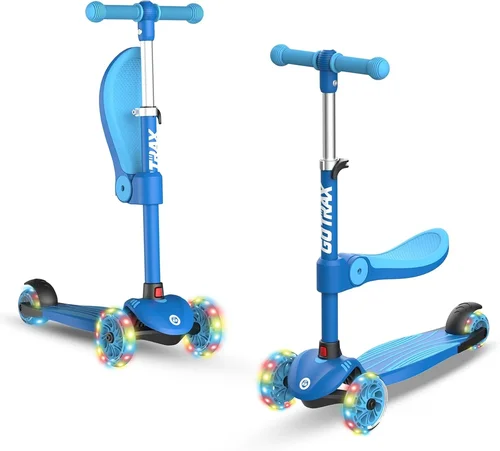
Electric scooters have revolutionized urban mobility, offering a clean, efficient, and fun way to navigate city streets, college campuses, and neighborhood commutes. Among the many brands vying for attention in this fast-growing market, Gotrax has emerged as a standout name—especially for budget-conscious riders who refuse to sacrifice reliability or performance. Known for their sleek designs, solid build quality, and user-friendly features, Gotrax scooters cater to a wide range of riders, from first-time commuters to seasoned eco-warriors looking for an affordable alternative to cars or public transit.
But with so many models on the market—and new releases hitting shelves every year—choosing the right Gotrax scooter can feel overwhelming. That’s where this guide comes in. Whether you’re shopping for your first electric scooter or upgrading from an older model, we’ve done the deep dive so you don’t have to. In this comprehensive buying guide, you’ll learn exactly what to look for when selecting a Gotrax scooter, how different models compare across key categories, common pitfalls to avoid, and expert-backed tips to help you get the best deal possible. We’ll also break down pricing tiers, answer frequently asked questions, and deliver clear, no-nonsense recommendations based on real-world use cases.
The electric scooter market has matured significantly over the past few years. What once was a niche hobby has become a mainstream transportation solution, with cities investing in bike lanes, micromobility infrastructure, and safety regulations. Gotrax has kept pace with these changes, consistently refining its lineup to meet evolving consumer demands—whether that’s longer battery life, improved suspension, or smarter connectivity features. However, not all Gotrax scooters are created equal. Some prioritize portability, others raw speed, and many strike a balance between the two. By understanding your own needs and matching them to the right model, you’ll maximize both value and satisfaction. This guide is designed to help you do just that—so you can ride confidently, safely, and without buyer’s remorse.

What to Look for When Buying Gotrax
1. Budget & Price Range
One of the biggest draws of Gotrax scooters is their affordability. Unlike premium brands like Segway or Dualtron, which can cost $1,500 or more, Gotrax offers reliable electric scooters starting under $300. However, “affordable” doesn’t mean “one-size-fits-all.” Your budget will directly influence which features and performance levels you can access. Entry-level models like the GKS or GXL V2 are ideal for casual riders or teens, while mid-tier options such as the G4 or GMAX offer enhanced speed, range, and build quality for daily commuters. Premium models like the G6 or G7 push into higher wattage motors and larger batteries, but still remain well below the $1,000 mark.
When setting your budget, consider not just the upfront cost but also long-term value. A slightly more expensive model with better battery technology or a sturdier frame may save you money in repairs or replacements down the line. Also, factor in potential add-ons like helmets, locks, or phone mounts—these can add $50–$100 to your total investment. Gotrax often runs seasonal promotions (especially around Black Friday or back-to-school season), so timing your purchase can stretch your dollar further.
2. Performance Specifications
Performance is where many buyers get tripped up—especially if they’re new to electric scooters. The three core specs to focus on are motor power (measured in watts), top speed (mph or km/h), and range (miles per charge). Gotrax scooters typically range from 250W to 500W motors. A 250W motor is fine for flat terrain and light riders, but if you live in a hilly area or weigh over 160 lbs, you’ll want at least 350W—ideally 500W for consistent hill climbing.
Top speed varies widely: entry-level models cap out around 15 mph, while performance-oriented scooters like the GMAX can reach 20 mph. Range is equally important. Gotrax advertises ranges from 7 to 40+ miles, but real-world performance often falls 10–20% short due to rider weight, terrain, and riding style. For example, the GXL V2 claims 12 miles, but most users report 8–10 miles under normal conditions. Always check independent reviews for realistic range estimates.
3. Build Quality & Durability
Gotrax has made significant strides in build quality over the years, but not all models are equally robust. Look for scooters with aluminum alloy frames—these resist rust and handle stress better than cheaper plastics or thin metals. Check the deck size and grip tape; a wider, textured deck improves stability and comfort, especially on longer rides. Tires matter too: air-filled (pneumatic) tires offer better shock absorption but require maintenance, while solid rubber tires are puncture-proof but transmit more road vibration.
Pay attention to weight capacity. Most Gotrax scooters support 220–264 lbs, but heavier riders should verify this spec before buying. Also, inspect hinge mechanisms and folding locks—these are common failure points. Models like the G4 and G6 feature reinforced folding systems that hold up better over time. If you plan to ride in light rain, ensure the scooter has at least an IP54 water resistance rating (splash-proof), though Gotrax doesn’t recommend riding in heavy rain regardless.
4. Features & Functionality
Modern Gotrax scooters come packed with smart features that enhance safety, convenience, and ride quality. LED headlights and taillights are standard on most models, but brighter lights (200+ lumens) improve nighttime visibility. A digital display showing speed, battery level, and mode is essential for monitoring your ride. Some models include Bluetooth connectivity via the Gotrax app, allowing you to lock the scooter, track rides, or adjust speed limits—great for parents managing teen usage.
Cruise control is another useful feature, letting you maintain a steady speed without holding the throttle. Regenerative braking, found on higher-end models, recaptures energy during deceleration to extend battery life. Suspension systems vary: basic spring suspension (like on the GXL V2) helps with small bumps, while dual suspension (GMAX, G7) offers a smoother ride on rough pavement. Consider whether you need a kickstand, rear fender, or phone mount—some models include these, others don’t.
5. Brand Reputation
Gotrax is owned by Razor USA, a company with decades of experience in personal mobility products. This backing lends credibility and ensures consistent manufacturing standards. Gotrax has built a reputation for delivering reliable, entry-to-mid-tier scooters that punch above their weight class in terms of value. Customer feedback generally praises their ease of use, responsive customer service, and straightforward warranty process.
However, no brand is perfect. Some users report occasional quality control issues—like loose bolts or misaligned brakes—but these are typically resolved quickly under warranty. Gotrax also scores well in third-party safety tests and complies with UL 2272 certification (a critical safety standard for electrical systems in e-scooters). When comparing Gotrax to competitors like Xiaomi or Ninebot, Gotrax often wins on price-to-performance ratio, though it may lag slightly in app integration or accessory ecosystems.
6. Warranty & Support
Gotrax offers a standard 1-year limited warranty covering defects in materials and workmanship. This includes motor, battery, and controller failures—but not wear-and-tear items like tires or brake pads. The warranty process is relatively hassle-free: you contact customer support, provide proof of purchase, and ship the unit back for repair or replacement. Many users report quick turnaround times (under two weeks).
For added peace of mind, consider purchasing an extended warranty if available through retailers like Amazon or Best Buy. Also, register your scooter online upon purchase to activate warranty coverage. Keep in mind that modifications (like aftermarket batteries or motors) void the warranty. Gotrax’s support team is accessible via email and phone, and their website includes detailed troubleshooting guides and video tutorials.
7. Size & Portability
If you plan to carry your scooter on public transit, store it in a small apartment, or lift it frequently, portability is crucial. Gotrax scooters weigh between 22 and 45 pounds. Lighter models like the GKS (22 lbs) are easy for teens or seniors to handle, while heavier performance scooters like the G7 (45 lbs) are better suited for garage storage or short carries.
Folding mechanism design affects portability too. Look for scooters that fold compactly and lock securely—some models have a single latch, others use dual locks for extra stability. Measure the folded dimensions (typically 40–45” long) to ensure it fits in your car trunk or under a desk. Handlebar height adjustability is a bonus for taller or shorter riders, though not all Gotrax models offer this.
8. User Reviews & Ratings
Never buy a Gotrax scooter without checking recent user reviews. Amazon, Best Buy, and Reddit communities like r/ElectricScooters provide honest, real-world feedback. Pay attention to recurring themes: if multiple users mention poor battery life or wobbly handlebars, it’s likely a genuine issue. Conversely, consistent praise for smooth acceleration or excellent customer service signals a reliable model.
Be wary of overly glowing reviews that sound scripted—they may be incentivized. Instead, focus on detailed reviews with photos, videos, or comparisons to other models. Look for updates from long-term owners (6+ months) to assess durability. Gotrax models generally maintain 4+ star ratings, but individual experiences can vary based on usage intensity and maintenance habits.
Different Types of Gotrax

Common Buying Mistakes to Avoid
❌ Mistake: Ignoring Real-World Range Claims
Why it’s bad: Gotrax (like most brands) tests range under ideal conditions—light rider, flat ground, moderate speed. In reality, hills, wind, and heavier weight drastically reduce range. Relying solely on advertised range can leave you stranded.
What to do instead: Subtract 15–20% from the stated range to estimate real-world performance. If you need 10 miles, choose a scooter rated for at least 12–13 miles.
❌ Mistake: Overlooking Weight Capacity
Why it’s bad: Exceeding the weight limit strains the motor, drains the battery faster, and can cause premature wear or safety issues. Many buyers assume “220 lbs is enough” without checking their gear (backpack, groceries, etc.).
What to do instead: Add 20–30 lbs to your body weight to account for cargo. Choose a scooter with a 264 lb capacity if you’re near the upper limit.
❌ Mistake: Skipping the Test Ride
Why it’s bad: Comfort is subjective. A scooter that looks great online might feel unstable, too stiff, or poorly balanced in person. Handlebar height, deck size, and throttle response vary significantly between models.
What to do instead: Visit a local retailer (like Best Buy) that carries Gotrax models. Even a 2-minute test ride reveals a lot about ergonomics and build feel.
❌ Mistake: Neglecting Maintenance Needs
Why it’s bad: Electric scooters require basic upkeep—tire pressure checks, brake adjustments, bolt tightening. Ignoring maintenance leads to reduced performance, safety risks, and voided warranties.
What to do instead: Learn basic maintenance tasks or find a local shop that services e-scooters. Keep a toolkit handy and inspect your scooter monthly.
❌ Mistake: Buying Based Solely on Price
Why it’s bad: The cheapest scooter isn’t always the best value. A $250 model with a weak motor and short range may frustrate you within weeks, forcing an upgrade.
What to do instead: Prioritize your must-have features (e.g., hill climbing, app control) and find the lowest-priced model that meets them. Mid-tier often offers the best balance.
❌ Mistake: Forgetting About Local Laws
Why it’s bad: E-scooter regulations vary by city and state. Some areas ban riding on sidewalks, require helmets, or limit speeds. Riding illegally can result in fines or confiscation.
What to do instead: Check your local Department of Transportation website before buying. Choose a scooter with adjustable speed modes to comply with local limits.
❌ Mistake: Not Considering Storage & Charging
Why it’s bad: If you live in a small space without outdoor outlets, charging and storing a large scooter becomes a hassle. Some models don’t fold tightly or block walkways.
What to do instead: Measure your storage area and ensure you have access to a power outlet. Consider wall mounts or compact models if space is tight.
Budget Guidelines: How Much Should You Spend?
Entry-Level ($200–$350): Perfect for teens, occasional riders, or those testing the e-scooter waters. Models like the GKS and GXL V2 offer basic functionality—15 mph top speed, 8–12 mile range, and simple controls. Expect minimal features: basic LED lights, no app connectivity, and limited suspension. Ideal for flat campuses or short errands, but not built for daily commuting or hills.
Mid-Range ($350–$600): This is the sweet spot for most buyers. Scooters like the G4 and GMAX deliver reliable performance for daily use—18–20 mph speeds, 15–25 mile ranges, and better build quality. You’ll get useful features like cruise control, brighter lights, and improved tires. These models handle moderate hills and heavier riders comfortably, making them ideal for urban commuters or students.
Premium ($600–$800): For enthusiasts and serious commuters who demand more. The G6 and G7 offer 500W+ motors, dual suspension, Bluetooth app integration, and ranges up to 40 miles. These scooters excel on varied terrain, support heavier loads, and include advanced safety features. Worth the investment if you ride daily, travel long distances, or live in a hilly area.
Luxury ($800+): While Gotrax doesn’t currently offer ultra-premium models above $900, this tier represents the upper limit of their lineup. At this price, you’re paying for top-tier components, extended warranties, and cutting-edge tech like regenerative braking and smartphone unlock. Only necessary for power users or those who treat their scooter as primary transportation.
Expert Tips for Getting the Best Deal
- Buy During Off-Peak Seasons: Demand peaks in spring and summer. Shop in late fall or winter (November–February) for better prices and inventory.
- Compare Retailers: Prices vary between Gotrax.com, Amazon, Best Buy, and Walmart. Amazon often has bundle deals (scooter + helmet), while Best Buy allows in-store pickup and testing.
- Check for Open-Box or Refurbished Units: Certified refurbished Gotrax scooters (sold via Amazon Renewed or Gotrax directly) come with warranties and cost 20–30% less.
- Use Cashback & Coupons: Rakuten, Honey, or retailer-specific coupons can save 5–15%. Stack these with sale prices for maximum savings.
- Read the Fine Print on Returns: Most retailers offer 30-day returns, but some charge restocking fees. Ensure the policy covers defective units and accidental damage.
- Test Before You Buy: If possible, visit a physical store. Feel the weight, test the throttle, and check folding mechanics. Online reviews can’t replicate hands-on experience.
- Register Immediately: Activate your warranty within 30 days of purchase. This protects you against early failures and ensures access to support.
- Join Owner Communities: Forums and Facebook groups often share exclusive discount codes, maintenance tips, and recall alerts.

Frequently Asked Questions
Q: Are Gotrax scooters safe for kids?
A: Yes, with caveats. Models like the GKS and GXL V2 are designed for riders 8+ and include speed limiters (via app) and lower top speeds. Always supervise young riders, enforce helmet use, and avoid busy streets. The UL 2272 certification ensures electrical safety.
Q: How long does it take to charge a Gotrax scooter?
A: Most models take 4–6 hours for a full charge. Higher-capacity batteries (like on the G7) may take up to 8 hours. Use only the included charger—third-party chargers can damage the battery.
Q: Can I ride my Gotrax scooter in the rain?
A: Gotrax scooters have IP54 water resistance, meaning they can handle light splashes but not submersion or heavy rain. Riding wet increases brake wear and electrical risk. Dry thoroughly after exposure.
Q: What’s the lifespan of a Gotrax battery?
A: With proper care (avoid extreme temps, don’t drain to 0%), Gotrax lithium-ion batteries last 300–500 charge cycles—roughly 1.5–3 years of daily use. Battery degradation is normal; replacement costs $80–$150.
Q: Do I need insurance for my Gotrax scooter?
A: Not required by law in most states, but recommended. Some homeowners or renters insurance policies cover e-scooter accidents. Specialized micromobility insurance (e.g., Velosurance) offers liability and theft protection.
Q: Can I upgrade my Gotrax scooter’s battery or motor?
A: Technically yes, but it voids the warranty and may compromise safety. Gotrax designs are integrated; modifications can cause overheating or failure. Stick to factory specs unless you’re an experienced technician.
Q: Why won’t my Gotrax scooter turn on?
A: Common causes include a dead battery, loose power connection, or safety lock engaged. Try charging for 30 minutes, checking the power button, and ensuring the kickstand is up. If unresolved, contact support.
Q: How do I maintain my Gotrax scooter?
A: Monthly checks: tire pressure (if pneumatic), brake pad wear, bolt tightness, and cleanliness. Lubricate moving parts sparingly. Store indoors and avoid extreme temperatures.
Q: Is the Gotrax app necessary?
A: No, but it enhances functionality. The app enables speed limiting, ride tracking, anti-theft locking, and firmware updates. Available for iOS and Android on compatible models (G4 and above).
Q: What’s the difference between Gotrax and Razor scooters?
A: Gotrax focuses on electric commuter scooters, while Razor offers a broader range including kick scooters, hoverboards, and kids’ products. Both are under Razor USA, but Gotrax targets older riders seeking practical transportation.
Our Final Recommendations
Best for Budget-Conscious Buyers: Gotrax GXL V2 – At under $350, it delivers solid 15 mph speed, 12-mile range, and reliable build quality. Perfect for students or casual riders who want affordability without major compromises.
Best Overall Value: Gotrax G4 – Priced around $500, the G4 strikes an ideal balance: 20 mph top speed, 25-mile range, Bluetooth app, and robust construction. It’s the most versatile model for daily urban commuting.
Best Premium Option: Gotrax G7 – For those willing to spend $800+, the G7 offers 22 mph speed, 40-mile range, dual suspension, and advanced app features. Ideal for long-distance riders or tech enthusiasts.
Best for Beginners: Gotrax GKS – Lightweight (22 lbs), simple controls, and a low step-through design make it perfect for first-time riders, teens, or seniors. Safe, stable, and easy to master.
Best for Advanced Users: Gotrax GMAX – With a 500W motor, 20 mph speed, and 25-mile range, the GMAX handles hills and heavy loads with ease. Includes cruise control and app connectivity for seasoned riders who want performance without breaking the bank.
Conclusion: Making the Right Choice
Choosing the right Gotrax scooter isn’t just about picking the fastest or cheapest model—it’s about aligning the scooter’s capabilities with your lifestyle, terrain, and usage patterns. Whether you’re a college student zipping across campus, a commuter dodging traffic, or a parent buying a first scooter for your teen, Gotrax offers a model tailored to your needs. By focusing on key factors like budget, performance, build quality, and real-world range, you’ll avoid common pitfalls and invest in a scooter that delivers lasting value.
Remember, the best scooter is the one you’ll actually use. Don’t overbuy for features you won’t need, but don’t underspend to the point of frustration. Take advantage of test rides, seasonal sales, and community insights to make an informed decision. And once you’ve made your choice, prioritize safety, maintenance, and local regulations to ensure years of enjoyable, reliable riding.
Ready to join the electric revolution? With this guide in hand, you’re equipped to find the perfect Gotrax scooter—one that fits your budget, meets your needs, and turns every ride into a breeze.