
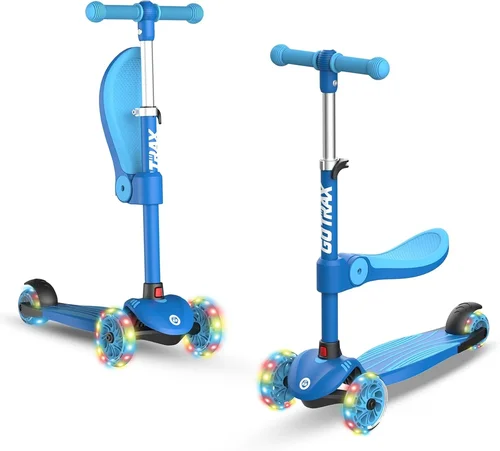
Electric scooters have transformed the way we move through cities, campuses, and neighborhoods—offering a blend of convenience, eco-friendliness, and fun. Among the many brands vying for attention in this fast-growing market, Gotrax has carved out a strong reputation for delivering reliable, affordable, and user-friendly electric scooters. Whether you’re commuting to work, running errands, or just exploring your city on two wheels, a Gotrax scooter can be a smart investment—if you choose the right one.
But with so many models available—each with different specs, features, and price points—how do you know which Gotrax scooter is best for your needs? That’s where this comprehensive buying guide comes in. We’ve tested, researched, and analyzed the entire Gotrax lineup to help you make an informed decision. By the end of this guide, you’ll understand exactly what to look for, how to avoid common pitfalls, and which model aligns with your lifestyle, budget, and riding goals. From performance and build quality to warranty support and real-world usability, we’ll cover every critical factor so you can ride away with confidence.
The electric scooter market has exploded in recent years, with dozens of brands offering everything from ultra-budget foldables to high-speed performance machines. In this crowded space, Gotrax stands out by focusing on practicality, safety, and value. Unlike some competitors that prioritize flashy specs over real-world reliability, Gotrax designs its scooters with everyday riders in mind—students, commuters, casual riders, and even seniors looking for a low-impact way to stay active. Their scooters are known for intuitive controls, solid construction, and features like LED lighting, app connectivity, and regenerative braking. But not all Gotrax models are created equal. Some are built for short urban trips, while others can handle longer commutes or rougher terrain. Understanding the nuances between models is key to finding your perfect match.

What to Look for When Buying Gotrax
1. Budget & Price Range
One of the first decisions you’ll make is how much you’re willing to spend. Gotrax offers scooters across a wide price spectrum, typically ranging from around $250 to $800. Entry-level models like the Gotrax GXL V2 start under $300 and are ideal for light use—short commutes, campus travel, or weekend joyrides. Mid-range options such as the Gotrax G4 or GMAX Ultra offer better batteries, stronger motors, and enhanced features, usually priced between $400 and $600. Premium models like the Gotrax XR Elite or G6 can exceed $700 and come with larger wheels, longer range, and advanced tech like smartphone integration and cruise control.
When setting your budget, consider not just the upfront cost but also long-term value. A cheaper scooter might save you money now, but if it breaks down frequently or lacks the range you need, you could end up spending more on repairs or replacements. Conversely, overspending on features you won’t use—like a 40-mile range when you only ride 5 miles a day—is equally wasteful. Aim for the sweet spot where price meets performance and durability.
2. Performance Specifications
Performance is where many buyers get overwhelmed by numbers, but it’s actually straightforward once you know what matters. The three core specs to evaluate are motor power, top speed, and battery range.
Motor Power: Measured in watts (W), the motor determines how well your scooter accelerates and climbs hills. Most Gotrax models feature motors between 250W and 500W. A 250W motor is fine for flat terrain and light riders, but if you live in a hilly area or weigh over 180 lbs, opt for at least 350W–500W. The Gotrax GMAX Ultra, for example, uses a 500W peak motor that handles inclines up to 15% with ease.
Top Speed: Gotrax scooters typically reach speeds between 15 mph and 20 mph. While faster sounds better, remember that higher speeds drain the battery quicker and may not be legal in all areas. In many U.S. cities, e-scooters are limited to 15–20 mph on public roads. The Gotrax G4 hits 18 mph, making it a balanced choice for urban commuting.
Battery Range: This is arguably the most important spec for daily riders. Gotrax uses lithium-ion batteries, with capacities ranging from 180Wh to over 500Wh. Real-world range depends on rider weight, terrain, speed, and weather. For instance, the Gotrax GXL V2 claims up to 12 miles, but most users report 8–10 miles. The Gotrax XR Elite, with its 480Wh battery, delivers a realistic 20–25 miles—perfect for longer commutes.
Always check the battery’s voltage (V) and amp-hour (Ah) rating. Higher voltage generally means better performance, while higher Ah translates to longer range. A 36V 7.5Ah battery (like on the G4) offers a good balance of power and endurance.
3. Build Quality & Durability
You don’t want your scooter falling apart after a few months. Gotrax has improved its build quality significantly in recent years, but there are still differences between models. Look for scooters with aluminum alloy frames—they’re lightweight yet strong. Avoid plastic-heavy constructions, especially in the deck or stem, as these can crack under stress.
Check the weight capacity. Most Gotrax scooters support riders up to 220–264 lbs. If you’re near or above this limit, choose a model with a reinforced frame, like the Gotrax GMAX Ultra (264 lbs capacity). Also, inspect the folding mechanism. A sturdy latch or hinge ensures the scooter stays locked while riding and folds securely for transport.
Tires matter too. Gotrax offers both solid (airless) and pneumatic (air-filled) tires. Solid tires are puncture-proof and low-maintenance but provide a rougher ride on uneven surfaces. Pneumatic tires, found on models like the G4 and XR Elite, offer better shock absorption and grip but require occasional inflation. If you ride on bumpy sidewalks or gravel paths, air-filled tires are worth the extra upkeep.
Finally, consider weather resistance. While no Gotrax scooter is fully waterproof, many have IP54 ratings, meaning they can handle light rain and splashes. Avoid riding in heavy rain or puddles, as water can damage the motor and electronics.
4. Features & Functionality
Modern Gotrax scooters come packed with features that enhance safety, convenience, and ride quality. Here’s what to prioritize:
Lighting: All recent Gotrax models include front LED headlights and rear brake lights. Some, like the G6, add side reflectors and under-deck lighting for better visibility at night. If you ride after dark, ensure the headlight is bright enough (at least 100 lumens) and adjustable.
Braking System: Gotrax uses a combination of electronic (regenerative) and mechanical (disc or foot) brakes. Regenerative braking recaptures energy during deceleration, extending battery life. Disc brakes (on higher-end models) offer stronger stopping power than foot brakes. The Gotrax G4 features both regenerative and rear disc brakes—ideal for quick stops in traffic.
Display & Controls: Most Gotrax scooters have an LCD or LED display showing speed, battery level, and mode. The G6 and XR Elite include Bluetooth connectivity via the Gotrax app, allowing you to track rides, lock the scooter, and customize settings. While not essential, app integration adds a layer of security and personalization.
Cruise Control: Found on models like the G4 and GMAX Ultra, cruise control lets you maintain a steady speed without holding the throttle—great for long, flat stretches. It’s a small feature that makes a big difference on longer rides.
Suspension: Only a few Gotrax models, such as the GMAX Ultra, include front suspension. If you ride on rough roads or want a smoother experience, this is a worthwhile upgrade.
5. Brand Reputation
Gotrax is owned by Segway-Ninebot, one of the world’s largest electric mobility companies. This backing gives Gotrax access to proven engineering, global supply chains, and rigorous safety testing. Unlike fly-by-night brands that disappear after a year, Gotrax has been around since 2017 and continues to innovate.
Customer feedback generally praises Gotrax for reliability, ease of use, and responsive customer service. However, some users report issues with battery degradation over time or occasional shipping delays. Reading recent reviews (especially from 2024–2026) can give you a sense of current quality trends. Look for patterns—if multiple users mention the same problem, it’s worth noting.
Gotrax also complies with U.S. safety standards, including UL 2271 certification for batteries, which reduces fire risk. This is a critical factor often overlooked by budget buyers.
6. Warranty & Support
A good warranty can save you hundreds in repair costs. Gotrax offers a standard 12-month limited warranty covering defects in materials and workmanship. This includes the motor, battery, and controller—but not wear-and-tear items like tires or brakes.
Some retailers, like Amazon or Best Buy, may extend the warranty or offer protection plans. Always register your scooter online after purchase to activate coverage. If you buy directly from Gotrax, you’ll also get access to their customer support team via email or phone.
Before buying, check the return policy. Most sellers allow returns within 30 days if the scooter is unused. However, opened or assembled units may incur restocking fees. If possible, test the scooter in-store or choose a retailer with a generous return window.
7. Size & Portability
How and where you’ll store your scooter matters. Gotrax scooters weigh between 26 and 40 pounds. Lighter models like the GXL V2 (26.5 lbs) are easy to carry upstairs or onto public transit. Heavier ones like the GMAX Ultra (39.7 lbs) are better suited for car trunks or ground-floor storage.
Folded dimensions vary too. The GXL V2 folds down to 42” x 17” x 19”, making it compact enough for under a desk. The XR Elite is slightly larger but still manageable. If portability is key, measure your storage space and compare folded sizes.
Also consider handlebar height. Adjustable stems (like on the G4) accommodate riders of different heights, improving comfort and control.
8. User Reviews & Ratings
Never rely solely on manufacturer specs. Real user experiences reveal quirks, strengths, and weaknesses you won’t find in marketing materials. Check reviews on Amazon, Best Buy, Walmart, and Reddit’s r/ElectricScooters community.
Look for detailed reviews that mention daily use, battery life over time, and customer service interactions. Pay attention to verified purchases and recent posts—older reviews may not reflect current model improvements.
Common praises for Gotrax include “easy to assemble,” “great for beginners,” and “surprisingly durable.” Criticisms often focus on “limited range in cold weather” or “app connectivity issues.” Weigh these against your priorities.
Different Types of Gotrax

Common Buying Mistakes to Avoid
❌ Mistake: Ignoring Real-World Range Claims
Why it’s bad: Manufacturers often advertise ideal-range numbers based on lightweight riders on flat terrain at low speeds. In reality, most users get 20–30% less range due to hills, wind, and heavier weight.
What to do instead: Always subtract 2–3 miles from the claimed range. If you need 10 miles of actual range, buy a scooter rated for at least 13 miles.
❌ Mistake: Overlooking Tire Type
Why it’s bad: Solid tires may seem convenient, but they transmit every bump and crack to your body, leading to fatigue and discomfort—especially on long rides.
What to do instead: Choose pneumatic tires if you ride more than 5 miles daily or on uneven surfaces. The comfort difference is night and day.
❌ Mistake: Skipping the Test Ride
Why it’s bad: Scooters feel different in person. A model that looks great online might have a stiff throttle, wobbly handlebars, or poor balance.
What to do instead: Visit a local retailer like Best Buy or a specialty e-mobility store to test ride before buying. If that’s not possible, choose a seller with a hassle-free return policy.
❌ Mistake: Buying Based Solely on Price
Why it’s bad: The cheapest scooter isn’t always the best value. A $279 model might need a $100 battery replacement after a year, while a $450 model lasts three years with minimal upkeep.
What to do instead: Calculate cost per mile over 2–3 years. Include potential repair costs and resale value.
❌ Mistake: Neglecting Local Laws
Why it’s bad: Some cities restrict e-scooter speed, require helmets, or ban riding on sidewalks. Getting fined or having your scooter confiscated is avoidable.
What to do instead: Check your city’s micromobility regulations before purchasing. Many Gotrax models can be speed-limited via the app to comply with local rules.
❌ Mistake: Forgetting About Maintenance
Why it’s bad: Even low-maintenance scooters need occasional care—tightening bolts, checking tire pressure, cleaning connectors. Neglect leads to premature failure.
What to do instead: Set a quarterly reminder to inspect your scooter. Keep a basic toolkit handy.
❌ Mistake: Assuming All Models Are Equal
Why it’s bad: Gotrax updates models frequently. The 2024 GXL V2 has a better battery than the 2020 version, but packaging looks identical.
What to do instead: Check the model year and serial number. Look for “2025” or “2026” in the product title or description.
Budget Guidelines: How Much Should You Spend?
Entry-Level ($250–$350): Perfect for teens, students, or occasional riders. Expect 8–12 miles of range, 15 mph top speed, and basic features. The Gotrax GXL V2 fits here—reliable, lightweight, and great for short trips. Don’t expect hill-climbing power or premium materials, but it’s a solid starter scooter.
Mid-Range ($400–$600): This is the sweet spot for most buyers. Models like the Gotrax G4 and GMAX Ultra offer 15–20 miles of range, stronger motors, disc brakes, and better build quality. Ideal for daily commuters who need dependability without breaking the bank. You’ll get features like cruise control, app connectivity, and pneumatic tires—making rides smoother and more enjoyable.
Premium ($650–$800): For enthusiasts and long-distance riders. The Gotrax XR Elite and G6 deliver 20–30 miles of range, advanced tech (Bluetooth, GPS tracking), and superior comfort. These scooters handle varied terrain, have robust frames, and often include extras like phone mounts or enhanced lighting. Worth it if you ride daily or value cutting-edge features.
Luxury ($800+): While Gotrax doesn’t currently offer scooters above $800, this tier would include custom builds, extended warranties, or bundled accessories (helmets, locks, chargers). Some third-party sellers offer “pro packages” with added perks. Only consider this if you’re a serious rider or want maximum convenience out of the box.
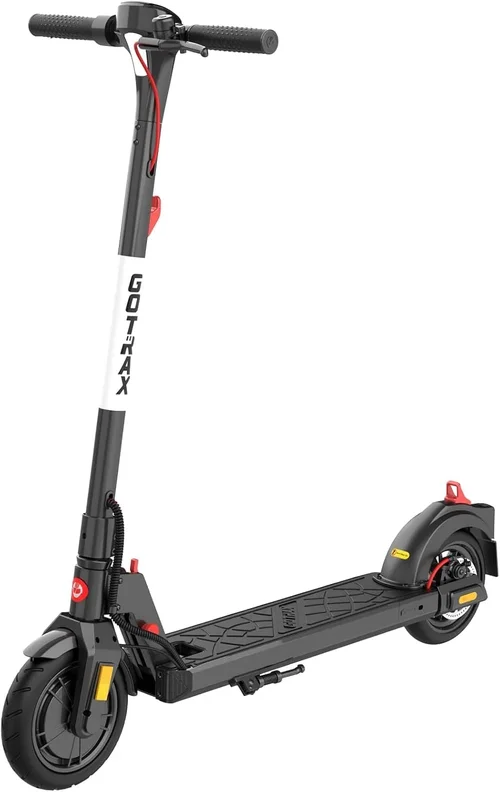
Expert Tips for Getting the Best Deal
- Buy During Sales Cycles: Gotrax frequently discounts older models when new ones launch. Black Friday, Cyber Monday, and Amazon Prime Day are prime times to save 15–25%.
- Shop at Reputable Retailers: Best Buy, Amazon, Walmart, and the official Gotrax website all carry authentic products with reliable return policies. Avoid unknown eBay or Facebook Marketplace sellers—counterfeits exist.
- Use Price Tracking Tools: Set alerts on Honey, CamelCamelCamel, or Keepa to monitor price drops on your desired model.
- Check for Bundles: Sometimes Gotrax offers free helmets, locks, or extended warranties with purchase. These add real value beyond the scooter itself.
- Read the Fine Print on Warranties: Understand what’s covered (and what’s not). Battery degradation below 70% capacity within a year is usually covered—but only if you register online.
- Consider Refurbished Units: Gotrax sells certified refurbished scooters at 20–30% off. These are tested, cleaned, and come with the same warranty as new models.
- Test Before You Commit: If possible, visit a store. Feeling the weight, throttle response, and fold mechanism in person eliminates surprises.
- Join Online Communities: Forums like Reddit’s r/ElectricScooters often share exclusive discount codes or early access to sales.

Frequently Asked Questions
Q: Are Gotrax scooters waterproof?
A: No, but most have an IP54 rating, meaning they resist light rain and splashes. Avoid submerging them or riding through deep puddles. Water damage isn’t covered under warranty.
Q: How long does it take to charge a Gotrax scooter?
A: Typically 4–6 hours for a full charge, depending on the battery size. The GXL V2 charges in about 4 hours, while the XR Elite takes closer to 6. Use only the included charger.
Q: Can I ride my Gotrax scooter in the rain?
A: Light drizzle is generally fine, but heavy rain can damage electrical components. If you must ride in wet conditions, dry the scooter thoroughly afterward and avoid puddles.
Q: What’s the difference between regenerative and disc brakes?
A: Regenerative brakes slow the scooter by converting motion into battery energy—great for efficiency. Disc brakes use physical friction for stronger, immediate stops. Many Gotrax models combine both for optimal safety.
Q: How do I maintain my Gotrax scooter?
A: Clean it monthly with a damp cloth, check tire pressure (if pneumatic), tighten loose bolts, and store it in a dry place. Avoid extreme temperatures, which degrade battery life.
Q: Can I upgrade the battery on my Gotrax?
A: Officially, no—Gotrax doesn’t sell replacement batteries separately, and modifying the scooter voids the warranty. However, some third-party vendors offer compatible batteries (use with caution).
Q: Is the Gotrax app necessary?
A: No, but it enhances the experience. You can lock/unlock the scooter, track ride stats, update firmware, and enable speed limits. Available for iOS and Android.
Q: What’s the maximum rider weight for Gotrax scooters?
A: Most support up to 220–264 lbs. The GMAX Ultra and XR Elite handle 264 lbs; lighter models like the G2 support 220 lbs. Exceeding this risks motor strain and safety issues.
Q: Do I need a license or insurance to ride a Gotrax?
A: In most U.S. states, no license or insurance is required for scooters under 20 mph. However, helmet laws vary—check local regulations.
Q: How long will the battery last?
A: With proper care, a Gotrax battery should retain 80% capacity for 300–500 charge cycles (roughly 1.5–3 years of daily use). Avoid draining it to 0% regularly.
Our Final Recommendations
Best for Budget-Conscious Buyers: Gotrax GXL V2 – At under $300, it’s hard to beat for short commutes and casual use. Reliable, lightweight, and easy to store.
Best Overall Value: Gotrax G4 – Priced around $500, it offers excellent range (18 miles), disc brakes, cruise control, and app connectivity. Ideal for daily commuters.
Best Premium Option: Gotrax XR Elite – With a 25-mile range, Bluetooth app, and smooth pneumatic tires, it’s perfect for riders who want top-tier performance without luxury pricing.
Best for Beginners: Gotrax G2 – Simple controls, low speed (15 mph), and a lightweight frame make it ideal for first-time riders or teens.
Best for Advanced Users: Gotrax GMAX Ultra – Boasting a 500W motor, 20-mile range, front suspension, and 264-lb capacity, it handles hills and long distances with ease.
Conclusion: Making the Right Choice
Choosing the right Gotrax scooter isn’t just about picking the shiniest model or the lowest price—it’s about matching the scooter’s capabilities to your real-life needs. Whether you’re a student zipping across campus, a commuter navigating city streets, or a weekend explorer seeking adventure, there’s a Gotrax built for you. By focusing on key factors like range, build quality, features, and budget, you can avoid common pitfalls and invest in a scooter that delivers years of reliable service.
Remember: the best scooter is the one you’ll actually use. Don’t overcomplicate it. Start with your must-haves—how far you ride, where you ride, and how much you’re willing to spend—then narrow down your options. Read recent reviews, test if possible, and take advantage of sales. And when you finally hit the pavement, wear a helmet, follow local laws, and enjoy the freedom that comes with electric mobility.
Your perfect ride is out there. With this guide, you’re ready to find it.