
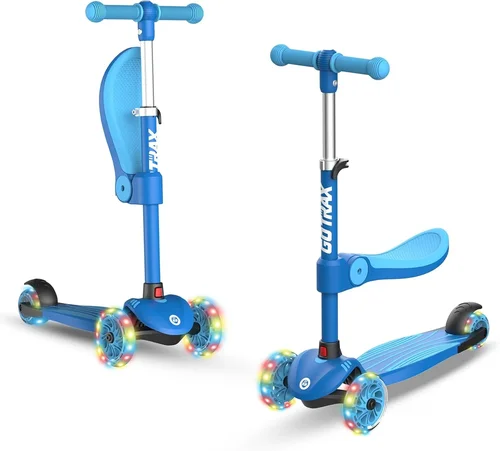
Electric scooters have revolutionized urban mobility, offering a clean, efficient, and fun alternative to cars, buses, and even bikes. Among the most trusted names in the e-scooter space, Gotrax has carved out a strong reputation for delivering reliable, affordable, and user-friendly models that cater to a wide range of riders—from students and commuters to weekend adventurers. With a growing lineup of scooters featuring improved battery life, enhanced safety features, and sleek modern designs, Gotrax continues to be a top contender in the competitive electric scooter market.
This comprehensive buying guide is designed to help you navigate the world of Gotrax scooters with confidence. Whether you’re a first-time buyer or upgrading from an older model, we’ll walk you through every critical factor to consider before making your purchase. You’ll learn how to evaluate performance specs, understand build quality, compare different models, avoid common pitfalls, and ultimately choose the Gotrax scooter that best fits your lifestyle, budget, and riding needs. By the end of this guide, you’ll have all the expert insights and practical tips needed to make a smart, informed decision.
The electric scooter market has exploded in recent years, with dozens of brands vying for attention. However, not all scooters are created equal. Many budget models sacrifice durability, safety, or performance to hit a low price point, while premium brands often come with features that exceed the needs of average riders. Gotrax strikes a compelling balance—offering well-engineered scooters at accessible price points without cutting corners on essential components. From lightweight foldable designs perfect for city commuting to more robust models capable of handling longer distances and varied terrain, Gotrax provides options for nearly every use case. This guide will help you cut through the noise and find the right scooter for you.

What to Look for When Buying Gotrax
1. Budget & Price Range
One of the first and most important decisions when buying a Gotrax scooter is determining your budget. Gotrax scooters typically range from around $200 for entry-level models to over $800 for premium versions with advanced features. While it’s tempting to go for the cheapest option, it’s crucial to understand what you’re getting—and what you might be missing—at different price points.
Lower-priced models like the Gotrax GXL V2 or G2 are excellent for casual riders or teens, offering basic functionality and decent performance for short commutes. Mid-range models such as the Gotrax G4 or GMAX Ultra provide better batteries, stronger motors, and improved build quality, making them ideal for daily commuters. Premium models like the Gotrax G6 or GX series come with larger wheels, higher top speeds, longer range, and enhanced suspension systems, catering to enthusiasts and those who ride frequently or over longer distances.
When setting your budget, consider not just the upfront cost but also long-term value. A slightly more expensive scooter with a better battery and durable frame may save you money in the long run by reducing the need for repairs or replacements. Also, factor in potential add-ons like helmets, locks, phone mounts, or extended warranties, which can add $50–$150 to your total investment.
2. Performance Specifications
Performance is where Gotrax scooters truly differentiate themselves. Key specs to evaluate include motor power, top speed, range, and hill-climbing ability. Most Gotrax models feature brushless hub motors ranging from 250W to 500W. A 250W motor is sufficient for flat urban streets and light inclines, while a 350W or 500W motor provides better acceleration and the ability to tackle steeper hills—up to 15–20 degrees, depending on rider weight and terrain.
Top speed varies significantly across the lineup. Entry-level models typically max out at 15–18 mph, which is ideal for city riding and complies with many local e-scooter regulations. Mid-tier and premium models can reach 20–25 mph, offering a more thrilling ride but requiring greater caution and experience. Always check local laws, as some cities limit e-scooter speeds to 15 mph in public spaces.
Range is another critical factor. Gotrax advertises ranges from 12 to 45 miles per charge, but real-world performance often falls short due to factors like rider weight, terrain, speed, and weather. For example, a lightweight rider on flat ground may achieve close to the advertised range, while a heavier rider climbing hills may see 20–30% less. Always budget for 70–80% of the stated range to set realistic expectations.
Acceleration and braking performance also matter. Gotrax scooters generally offer smooth throttle response and reliable electronic or disc brakes. Higher-end models include regenerative braking, which recaptures energy during deceleration to extend battery life. Test rides—when possible—can help you assess how a scooter feels under real conditions.
3. Build Quality & Durability
Durability is a hallmark of Gotrax scooters, but not all models are built equally. The frame material, wheel type, and overall construction determine how well a scooter withstands daily wear and tear. Most Gotrax scooters use aluminum alloy frames, which offer a good balance of strength and weight. However, thicker gauge aluminum and reinforced joints are found in higher-end models, making them more resistant to bending or cracking under stress.
Wheels are another durability consideration. Gotrax offers both air-filled (pneumatic) and solid (airless) tires. Pneumatic tires provide better shock absorption and a smoother ride on uneven surfaces but are prone to punctures. Solid tires, like those on the Gotrax GXL V2, are puncture-proof and low-maintenance but deliver a bumpier ride, especially on rough pavement. Some premium models, such as the Gotrax G6, feature 10-inch pneumatic tires with improved tread for better grip and comfort.
Look for scooters with water resistance ratings (IPX4 or higher), which protect internal components from light rain and splashes. While no Gotrax model is fully waterproof, IPX4-rated scooters can handle typical urban weather conditions. Avoid riding in heavy rain or through deep puddles, as water damage is not covered under warranty.
Finally, check the weight capacity. Most Gotrax scooters support riders up to 220–264 lbs. If you’re near or above this limit, opt for a model with a higher weight rating to ensure safety and longevity. Overloading a scooter can strain the motor, reduce range, and increase the risk of mechanical failure.
4. Features & Functionality
Modern Gotrax scooters come packed with features that enhance convenience, safety, and usability. One of the most important is the display system. Basic models may have simple LED indicators for battery and speed, while advanced scooters include LCD screens that show real-time data like speed, distance, battery percentage, and riding mode. Some even offer Bluetooth connectivity and companion apps for firmware updates, ride tracking, and anti-theft alerts.
Lighting is another key feature. All Gotrax scooters include front and rear LED lights for visibility at night, but higher-end models often have brighter lights, brake-activated rear lights, and side reflectors for 360-degree visibility. If you plan to ride after dark, prioritize models with strong illumination and reflective elements.
Suspension systems vary by model. Entry-level scooters typically have no suspension, relying on tire flexibility to absorb shocks. Mid-range models may include front or rear spring suspension, while premium scooters like the Gotrax GMAX Ultra feature dual suspension for a noticeably smoother ride on bumpy roads.
Additional features to consider include:
- Foldable design: Essential for portability and storage. Most Gotrax scooters fold quickly with a latch or lever system.
- Kickstand: Handy for parking, though not all models include one.
- Phone mount compatibility: Some models have built-in mounts or accessory ports.
- Riding modes: Eco, Normal, and Sport modes allow you to adjust speed and power consumption.
- Anti-theft features: Alarm systems, app-based locking, and GPS tracking (on select models).
While extra features can enhance your experience, avoid overpaying for functions you won’t use. Focus on the features that align with your riding habits and environment.
5. Brand Reputation
Gotrax has built a solid reputation over the past decade as a reliable and customer-focused brand in the electric scooter industry. Founded in 2011, the company has consistently prioritized affordability without sacrificing core functionality. Gotrax scooters are widely available through major retailers like Amazon, Best Buy, Walmart, and Target, making them accessible to a broad audience.
Customer feedback generally praises Gotrax for its ease of use, straightforward assembly, and responsive customer service. Many users appreciate the brand’s commitment to safety, with features like dual braking systems, bright lights, and stable deck designs. Gotrax also offers detailed user manuals, video tutorials, and online support resources, which are especially helpful for first-time riders.
That said, no brand is perfect. Some users report issues with battery degradation over time or occasional quality control inconsistencies. However, Gotrax’s warranty and return policies help mitigate these risks. The brand is also known for regular product updates—improving older models with better batteries, motors, and software—which shows a commitment to long-term customer satisfaction.
Compared to competitors like Xiaomi, Segway, or Razor, Gotrax offers a more budget-friendly entry point while maintaining competitive performance. It may not have the prestige of luxury brands, but for everyday riders seeking value and reliability, Gotrax is a trustworthy choice.
6. Warranty & Support
A strong warranty and reliable customer support can make or break your scooter ownership experience. Gotrax offers a standard 1-year limited warranty on all its scooters, covering defects in materials and workmanship. This includes the motor, battery, controller, and frame. However, wear-and-tear items like tires, brakes, and grips are typically excluded.
It’s important to understand what the warranty does and doesn’t cover. For example, water damage, physical abuse, improper charging, or modifications void the warranty. Always register your scooter online after purchase to activate coverage and keep your receipt as proof of purchase.
Gotrax provides customer support via email and phone, with response times generally within 24–48 hours. Their support team can assist with troubleshooting, part replacements, and warranty claims. Many users report positive experiences, though some note that repair parts may take 1–2 weeks to arrive.
For added peace of mind, consider purchasing an extended warranty or protection plan, especially if you plan to use your scooter daily. Some retailers offer third-party coverage that extends beyond the standard 1 year and includes accidental damage. While this adds to the cost, it can save you hundreds in repair bills down the line.
Before buying, check the return policy of the retailer. Most allow returns within 30 days if the scooter is unused and in original packaging. However, opened or used scooters may incur restocking fees or be ineligible for return. Always read the fine print.
7. Size & Portability
Portability is a major advantage of electric scooters, and Gotrax designs its models with ease of transport in mind. Most scooters weigh between 26 and 40 pounds, making them manageable for most adults to carry. The Gotrax G2, for example, weighs just 26.5 lbs, while the heavier GMAX Ultra tips the scale at 40 lbs.
Folding mechanism is a key factor in portability. Gotrax scooters typically fold in seconds using a simple latch or lever system. When folded, they become compact enough to fit under a desk, in a car trunk, or on public transit. However, the folded size varies—some models are more compact than others. If you plan to carry your scooter frequently, look for a lightweight model with a streamlined fold.
Deck size also affects comfort and stability. Larger decks provide more foot space and better balance, especially for taller riders. Gotrax decks range from about 16 to 20 inches in length. A wider deck can improve confidence for beginners, while a narrower one may suit those with smaller feet.
Consider your storage options. If you live in an apartment or have limited space, a scooter that stands upright when folded is ideal. Some models include a kickstand, while others require leaning against a wall. Also, check if the handlebars fold down or remain extended—this can impact how easily the scooter fits in tight spaces.
Finally, think about your daily routine. If you’ll be taking your scooter on buses, trains, or elevators, prioritize lightweight and compact models. For longer commutes or weekend trips, a slightly heavier scooter with better range and comfort may be worth the extra weight.
8. User Reviews & Ratings
User reviews are one of the most valuable resources when evaluating any product, and Gotrax scooters are no exception. Platforms like Amazon, Best Buy, and Reddit offer thousands of real-world insights from riders of all experience levels. Pay attention to both positive and negative feedback to get a balanced perspective.
Look for patterns in reviews. If multiple users report the same issue—such as battery drain, brake failure, or poor customer service—it’s likely a genuine concern. Conversely, consistent praise for features like smooth acceleration, long battery life, or easy assembly can signal a reliable model.
Consider the context of reviews. A scooter that performs well for a 120-lb rider on flat terrain may struggle for a 200-lb rider in hilly areas. Read reviews from users with similar weight, riding style, and environment to yours. Also, check the date of reviews—older feedback may not reflect current model improvements.
Be cautious of overly positive or negative reviews that lack detail. Genuine reviews usually include specific examples, photos, or videos. Look for verified purchase badges to ensure the reviewer actually bought the product.
Finally, don’t rely solely on star ratings. A 4.2-star average with detailed, thoughtful reviews is often more informative than a 4.8-star rating with vague comments like “Great scooter!” Take the time to read through several reviews to form a well-rounded opinion.
Different Types of Gotrax

Common Buying Mistakes to Avoid
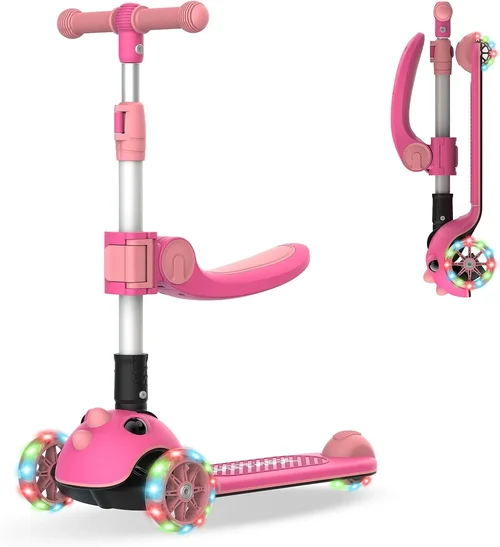
❌ Mistake: Choosing Based on Price Alone
Why it’s bad: Going for the cheapest scooter without considering your needs can lead to disappointment. A $200 model may lack the range, speed, or durability required for daily use, forcing you to upgrade sooner than expected.
What to do instead: Balance cost with performance and features. Invest in a scooter that meets your riding demands, even if it costs a bit more upfront. Think of it as a long-term investment in mobility and convenience.
❌ Mistake: Ignoring Real-World Range
Why it’s bad: Manufacturers often advertise ideal range under perfect conditions. In reality, factors like hills, wind, and rider weight reduce range significantly. Relying on advertised numbers can leave you stranded.
What to do instead: Assume you’ll get 70–80% of the stated range. If you need to travel 15 miles round-trip, choose a scooter rated for at least 20–25 miles. Always carry a charger or plan for mid-day top-ups if needed.
❌ Mistake: Overlooking Weight Capacity
Why it’s bad: Exceeding the scooter’s weight limit strains the motor, reduces battery life, and increases the risk of frame damage or brake failure. It’s a serious safety concern.
What to do instead: Check the scooter’s maximum load rating and ensure it accommodates your weight plus any bags or gear. When in doubt, choose a model with a higher capacity.
❌ Mistake: Skipping the Test Ride
Why it’s bad: Scooters feel different in real life than on paper. A model that looks great online might have poor balance, stiff steering, or weak brakes.
What to do instead: If possible, test ride at a local store or borrow from a friend. Pay attention to comfort, stability, and responsiveness. Your instincts matter.
❌ Mistake: Neglecting Safety Gear
Why it’s bad: Electric scooters can reach high speeds, and accidents happen. Riding without a helmet, lights, or reflective clothing increases injury risk.
What to do instead: Always wear a certified helmet. Use front and rear lights at night, and consider reflective clothing or accessories. Safety is non-negotiable.
❌ Mistake: Buying Without Checking Local Laws
Why it’s bad: E-scooter regulations vary by city and state. Some areas restrict speed, require helmets, or ban scooters on sidewalks. Violating these rules can result in fines.
What to do instead: Research local laws before buying. Choose a scooter that complies with speed and usage regulations in your area.
❌ Mistake: Ignoring Warranty and Return Policies
Why it’s bad: If your scooter arrives defective or doesn’t meet expectations, a weak return policy or unclear warranty can leave you stuck with a faulty product.
What to do instead: Buy from reputable retailers with clear return windows. Register your scooter and keep all documentation. Consider extended protection plans for peace of mind.
Budget Guidelines: How Much Should You Spend?
Entry-Level ($200–$350): This tier includes models like the Gotrax G2 and GXL V2. Ideal for teens, casual riders, or those with very short commutes (under 5 miles). Expect basic features, 15–18 mph top speed, and 12–18 mile range. Build quality is decent but not rugged. Best for flat terrain and light use.
Mid-Range ($400–$600): The sweet spot for most buyers. Models like the Gotrax G4 and GMAX offer 20+ mile range, 20 mph speed, better batteries, and improved features like LCD displays and stronger motors. Suitable for daily commuting, errands, and moderate hills. Great balance of price and performance.
Premium ($650–$850): For enthusiasts and frequent riders. The Gotrax G6 and GX series deliver 30–45 mile range, 25 mph speed, large pneumatic tires, dual suspension, and advanced tech like app connectivity. Built for long-distance travel, varied terrain, and all-weather use. Higher upfront cost but superior longevity and comfort.
Luxury ($850+): While Gotrax doesn’t currently offer models above $850, this tier represents the top of their lineup. These scooters are built for performance, durability, and advanced features. If you’re a serious rider or need a scooter for work or daily transportation, this investment pays off in reliability and ride quality.
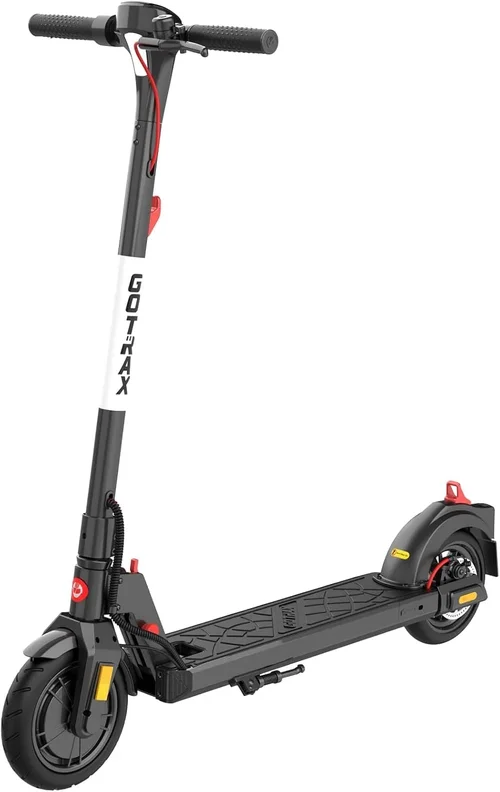
Expert Tips for Getting the Best Deal
- Buy during sales events: Major holidays and shopping seasons offer the best discounts. Keep an eye on Amazon, Best Buy, and Walmart for limited-time offers.
- Compare prices across retailers: Prices can vary significantly. Use price comparison tools or check multiple sites before purchasing.
- Check for open-box or refurbished models: These can save you 20–40% and often come with the same warranty as new units. Ensure they’re certified and inspected.
- Read the fine print on warranties: Understand what’s covered and for how long. Register your scooter immediately after purchase.
- Test before you buy: If possible, visit a store to test ride. Feel the weight, folding mechanism, and overall comfort.
- Bundle with accessories: Some retailers offer discounts when you buy a scooter with a helmet, lock, or phone mount. This can save money compared to buying separately.
- Use cashback and rewards: Credit card points, Rakuten, or retailer loyalty programs can add up to significant savings over time.
- Consider financing options: Some stores offer 0% APR financing for 6–12 months. This can make a premium scooter more affordable without upfront cost.

Frequently Asked Questions
Q: How long does a Gotrax scooter battery last?
A: Gotrax batteries typically last 300–500 charge cycles before capacity drops below 80%. With regular use, this translates to 1.5–3 years of service. Proper charging habits—avoiding full discharges and extreme temperatures—can extend battery life.
Q: Can I ride my Gotrax scooter in the rain?
A: Gotrax scooters with IPX4 rating can handle light rain and splashes, but they are not waterproof. Avoid riding in heavy rain or through puddles. Water damage is not covered under warranty.
Q: How fast do Gotrax scooters go?
A: Speeds range from 15 mph on entry-level models to 25 mph on premium versions. Actual speed depends on rider weight, terrain, and battery level.
Q: Are Gotrax scooters good for hills?
A: Models with 350W or 500W motors can handle moderate hills (10–15 degrees). For steeper inclines, choose a scooter with a powerful motor and good torque, like the GMAX Ultra.
Q: Do I need a license to ride a Gotrax scooter?
A: In most U.S. states, no license is required for electric scooters under 20 mph. However, some cities have specific rules—check local regulations.
Q: How do I maintain my Gotrax scooter?
A: Regularly check tire pressure (if pneumatic), clean the deck and wheels, lubricate the folding mechanism, and store in a dry place. Avoid overcharging the battery.
Q: Can I upgrade my Gotrax scooter’s battery?
A: Gotrax does not officially support battery upgrades. Modifying the scooter may void the warranty and pose safety risks. Stick to manufacturer-recommended parts.
Q: What’s the difference between Gotrax G4 and GMAX?
A: The G4 is lighter and more portable, ideal for city commuting. The GMAX has a stronger motor, larger battery, and better suspension, making it better for longer rides and varied terrain.
Q: How long does it take to charge a Gotrax scooter?
A: Charging time ranges from 4 to 8 hours, depending on the model and battery size. Use only the provided charger to avoid damage.
Q: Where can I buy replacement parts?
A: Gotrax sells replacement parts through their official website and authorized retailers. Common parts include tires, brakes, chargers, and decks.
Our Final Recommendations
Best for Budget-Conscious Buyers: Gotrax GXL V2 – At under $300, it offers solid performance, a lightweight design, and reliable build quality. Perfect for students and casual riders.
Best Overall Value: Gotrax G4 – With a 25-mile range, 20 mph speed, and premium features at a mid-range price, the G4 strikes the ideal balance for daily commuters.
Best Premium Option: Gotrax G6 – Boasting a 45-mile range, 25 mph top speed, and dual suspension, the G6 is built for long-distance riders who demand performance and comfort.
Best for Beginners: Gotrax G2 – Simple, safe, and easy to ride, the G2 is ideal for first-time users. Its low speed and stable design build confidence quickly.
Best for Advanced Users: Gotrax GMAX Ultra – With off-road capability, 10-inch tires, and a 500W motor, this model handles tough terrain and long rides with ease.
Conclusion: Making the Right Choice
Choosing the right Gotrax scooter doesn’t have to be overwhelming. By focusing on your specific needs—whether it’s budget, range, portability, or performance—you can narrow down the options and find a model that fits your lifestyle perfectly. Remember to prioritize safety, read real user reviews, and take advantage of sales and warranties to get the best value.
Gotrax continues to innovate and improve its lineup, offering reliable, feature-rich scooters at prices that make electric mobility accessible to everyone. Whether you’re commuting to work, exploring your city, or just having fun, there’s a Gotrax scooter designed for you.
Take the time to evaluate your priorities, test ride when possible, and invest in a scooter that will serve you well for years to come. With the insights from this guide, you’re now equipped to make a confident, informed decision. Happy riding!