
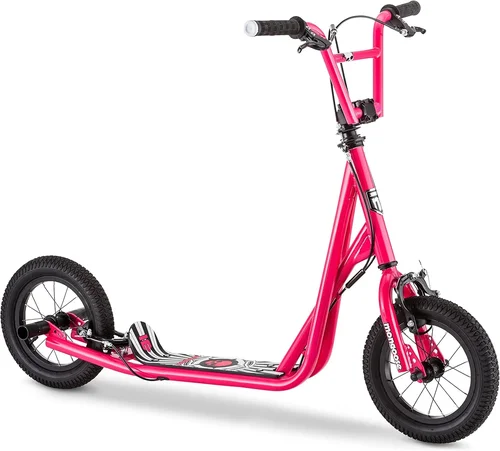
Electric scooters have evolved from niche urban curiosities into mainstream mobility solutions, reshaping how millions of people commute, explore cities, and reduce their carbon footprint. Whether you’re navigating dense downtown streets, tackling hilly suburbs, or simply looking for a fun and efficient way to get around, the right e-scooter can transform your daily routine. But with hundreds of models flooding the market in 2026—ranging from ultra-budget commuter scooters to high-performance machines capable of 40+ mph speeds—choosing the best one for your needs has never been more confusing. That’s exactly why this comprehensive buying guide exists: to cut through the noise, demystify the specs, and help you make a confident, informed decision.
In this guide, you’ll learn not just which scooters are currently topping the charts, but how to evaluate them based on your unique lifestyle, budget, and priorities. We’ll walk you through critical factors like motor power, battery life, build quality, safety features, and portability—plus real-world considerations like warranty coverage, brand reliability, and user feedback. You’ll also discover common pitfalls that even savvy shoppers fall into, learn how to stretch your dollar across different price tiers, and get expert-backed tips for scoring the best deals. By the end, you won’t just have a list of “top picks”—you’ll have a personalized framework for choosing the perfect e-scooter that fits your life like a glove.
The e-scooter market in 2026 is more dynamic than ever. Major brands like Segway-Ninebot, Xiaomi, Dualtron, and Apollo continue to push innovation, while newcomers like Gotrax, Hiboy, and NIU offer compelling value at lower price points. Regulatory changes in cities worldwide are also shaping design trends—many new models now include integrated lights, turn signals, and enhanced braking systems to meet evolving safety standards. Meanwhile, advancements in battery technology (especially lithium-ion and emerging solid-state options) mean longer ranges and faster charging times without significant weight increases. With so much progress, there’s truly never been a better time to buy—but only if you know what to look for.

What to Look for When Buying an E-Scooter
1. Budget & Price Range
Your budget is the single most important starting point. E-scooters span a wide spectrum—from under $300 for basic commuter models to over $3,000 for premium performance machines. Setting a realistic budget helps narrow your options and prevents overspending on features you don’t need. For most casual riders, spending between $500 and $1,200 delivers excellent value, balancing performance, durability, and essential features. However, if you plan to ride daily in varied terrain or carry heavy loads, investing more upfront can save you from costly repairs or premature replacement down the line.
When evaluating price, consider total cost of ownership—not just the sticker price. Factor in potential add-ons like helmets, locks, phone mounts, or extended warranties. Some budget scooters skimp on components like brakes or suspension, which may lead to higher maintenance costs over time. Conversely, premium models often include robust after-sales support, better build materials, and longer lifespans, making them cost-effective in the long run. Always ask: “Will this scooter last me 2–3 years with regular use?” If the answer is uncertain, it might be worth stretching your budget slightly.
2. Performance Specifications
Performance boils down to three core metrics: speed, range, and hill-climbing ability—all dictated by motor power and battery capacity. Motor power is measured in watts (W); entry-level scooters typically have 250W–350W motors, suitable for flat city streets, while 500W–1000W motors handle moderate hills and heavier riders. High-performance models boast dual motors totaling 2000W or more, enabling speeds exceeding 40 mph—ideal for enthusiasts but often overkill for daily commuting.
Battery capacity, expressed in watt-hours (Wh), directly impacts range. A 250Wh battery might give you 10–15 miles, whereas a 750Wh+ battery can deliver 30–50 miles on a single charge. However, real-world range varies significantly based on rider weight, terrain, speed, and weather. Always check independent reviews for verified range tests—manufacturer claims are often optimistic. Also, look for fast-charging capabilities; some 2026 models support 3–4 hour full charges instead of the typical 6–8 hours.
Hill gradeability is another critical spec. Most scooters list a maximum incline (e.g., 15° or 20°). If you live in a hilly area, aim for at least a 500W motor and a scooter rated for 15°+ climbs. Underpowered motors strain on inclines, draining the battery faster and reducing motor lifespan.
3. Build Quality & Durability
A scooter’s frame, deck, wheels, and folding mechanism determine how well it withstands daily wear and tear. Aluminum alloy frames are standard and offer a good balance of strength and weight, while premium models may use reinforced steel or carbon fiber for added rigidity. Avoid scooters with plastic-heavy construction—they’re prone to cracking under stress.
Wheels matter too. Solid rubber tires are puncture-proof and low-maintenance but offer a rougher ride. Pneumatic (air-filled) tires provide superior shock absorption and grip, especially on uneven pavement, but require occasional inflation and are vulnerable to flats. Hybrid or honeycomb tires are emerging as a middle ground—durable yet comfortable.
Check the IP rating for water and dust resistance. An IPX4 rating means splash-resistant (fine for light rain), while IPX5 or higher offers better protection against jets of water. For rainy climates, prioritize IPX5+. Also, inspect hinge quality—cheap folding mechanisms loosen over time, creating wobble and safety risks.
4. Features & Functionality
Modern e-scooters come packed with features that enhance safety, convenience, and ride quality. Essential features include:
– LED headlight and taillight: Crucial for visibility at night.
– Braking system: Disc brakes (mechanical or hydraulic) offer stronger stopping power than electronic or drum brakes. Regenerative braking can also extend range slightly.
– Suspension: Front, rear, or dual suspension absorbs bumps—highly recommended for rough roads or long rides.
– Display and controls: A clear LCD or LED screen showing speed, battery level, and mode is standard. Some include Bluetooth connectivity for app integration (ride tracking, firmware updates).
– App integration: Allows customization of speed modes, cruise control, anti-theft alerts, and firmware updates.
– Cruise control: Reduces hand fatigue on long rides.
– Turn signals: Increasingly common on 2026 models and legally required in some regions.
Avoid “feature bloat”—don’t pay extra for gimmicks like built-in speakers or RGB lighting unless they genuinely add value to your experience.
5. Brand Reputation
Stick with established brands known for quality control and customer service. Segway-Ninebot, Xiaomi, and Apollo have proven track records, while Gotrax and Hiboy offer solid budget options with decent support. Research how responsive a brand is to warranty claims and whether spare parts (tires, brakes, batteries) are readily available.
Beware of unknown brands selling suspiciously cheap scooters on Amazon or eBay. These often lack certifications (like UL 2271 for battery safety) and may use counterfeit components. Always verify that the scooter meets local safety standards and has proper certifications listed on the product page or manual.
6. Warranty & Support
A good warranty reflects manufacturer confidence in their product. Most reputable brands offer 6–12 months of coverage, with premium models sometimes including 18–24 months. Pay attention to what’s covered: batteries often have shorter warranties (6–12 months) due to degradation, while frames may be covered longer.
Check if the brand has local service centers or authorized repair shops. If you’re buying online, ensure they provide clear return policies and responsive customer support. Some companies even offer on-site repair services in major cities—a huge plus for busy commuters.
7. Size & Portability
If you’ll be carrying your scooter onto public transit, storing it in a small apartment, or taking it on trips, weight and foldability are crucial. Lightweight models (under 30 lbs) are easier to manage, but often sacrifice performance or battery size. Foldable designs should lock securely when collapsed and unfold smoothly without tools.
Measure your storage space—some scooters are compact when folded, while others remain bulky. Also consider handlebar height adjustability if multiple people will use it. A scooter that’s too tall or short can cause discomfort or unsafe riding posture.
8. User Reviews & Ratings
Never rely solely on manufacturer specs. Real user reviews reveal long-term reliability, hidden flaws, and practical insights you won’t find in marketing materials. Look for patterns: if multiple users report battery failure after 6 months or loose handlebars, that’s a red flag. Sites like Reddit (r/ElectricScooters), YouTube review channels, and specialized forums offer unbiased perspectives.
Pay special attention to reviews from riders with similar weight, usage patterns, and environments as yours. A scooter praised by a 120-lb commuter in flat Amsterdam may not suit a 200-lb rider in hilly San Francisco.
Different Types of E-Scooters

Common Buying Mistakes to Avoid
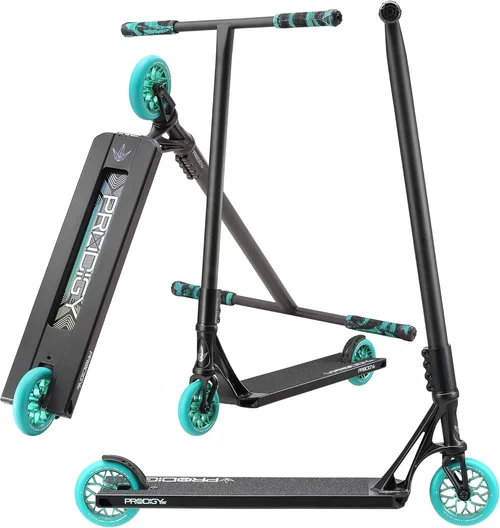
❌ Mistake: Prioritizing Top Speed Over Real-World Usability
Why it’s bad: A scooter advertised as “40 mph” might only reach that speed under ideal conditions (light rider, flat road, full battery). In reality, most commuters rarely exceed 15–20 mph due to traffic, safety, and legal limits. Overemphasizing speed can lead you to buy an overpowered, heavy scooter that’s impractical for daily use.
What to do instead: Focus on balanced performance—adequate speed for your route (15–25 mph is plenty for cities), good range, and reliable braking. Test ride if possible to assess real-world handling.
❌ Mistake: Ignoring Weight and Portability Needs
Why it’s bad: A 50-lb scooter might seem manageable in the store, but carrying it up three flights of stairs daily becomes exhausting fast. Many buyers regret not considering how often they’ll need to lift or store their scooter.
What to do instead: Weigh your actual usage: Will you take it on the subway? Store it under a desk? If yes, aim for under 35 lbs and ensure it folds compactly.
❌ Mistake: Skipping Safety Certifications
Why it’s bad: Scooters without UL 2271 (battery safety) or CE/FCC certifications may pose fire risks or fail to meet local regulations. Cheap imports often bypass these standards.
What to do instead: Always verify certifications before buying. Look for labels on the product page or ask the seller directly.
❌ Mistake: Overlooking Tire Type for Your Terrain
Why it’s bad: Riding a solid-tire scooter on pothole-ridden streets leads to a jarring, uncomfortable ride and increases fatigue. Conversely, pneumatic tires on smooth bike paths are unnecessary and higher maintenance.
What to do instead: Match tire type to your typical riding surface: pneumatic for rough roads, solid for smooth pavements, hybrid for mixed use.
❌ Mistake: Not Checking Local Laws
Why it’s bad: Some cities restrict e-scooter speed, require helmets, ban riding on sidewalks, or limit where you can park. Buying a high-speed scooter only to find it’s illegal in your area is frustrating and costly.
What to do instead: Research your city’s micromobility laws before purchasing. Many municipalities publish clear guidelines online.
❌ Mistake: Assuming All “Long Range” Claims Are Accurate
Why it’s bad: Manufacturers often quote range under perfect conditions (light rider, no wind, flat terrain). Real-world range can be 30–50% less.
What to do instead: Divide the advertised range by 1.5 to estimate realistic mileage. Rely on third-party reviews for verified range tests.
❌ Mistake: Neglecting After-Sales Support
Why it’s bad: A scooter is only as good as the support behind it. Without accessible repairs or spare parts, a minor issue can render your investment useless.
What to do instead: Choose brands with strong customer service reputations and local service options. Read warranty terms carefully.
Budget Guidelines: How Much Should You Spend?
Entry-Level ($250–$500): Ideal for teens, occasional riders, or those testing the waters. Expect basic features: 250W–350W motors, 10–15 mile range, solid tires, and minimal suspension. Brands like Gotrax GXL V2 or Xiaomi Mi Essential fit here. Great for flat campuses or short errands, but not built for daily heavy use.
Mid-Range ($500–$1,200): The sweet spot for most buyers. These scooters (e.g., Segway Ninebot MAX G30LP, Apollo City 2026) offer 500W+ motors, 20–30 mile ranges, pneumatic tires, better brakes, and improved build quality. They handle hills, longer commutes, and varied weather with confidence. Most include app connectivity and decent warranties.
Premium ($1,200–$2,500): For enthusiasts, daily commuters in hilly areas, or riders needing maximum reliability. Expect dual motors, 30–50 mile ranges, advanced suspension, hydraulic brakes, and robust frames. Models like Dualtron Thunder 3 or Apollo Pro offer near-motorcycle performance with refined electronics and premium materials.
Luxury ($2,500+): Reserved for tech lovers, long-distance travelers, or those who want the absolute best. These scooters feature cutting-edge batteries (some with swappable packs), carbon fiber components, GPS tracking, and AI-assisted ride modes. While impressive, they’re often overkill for typical urban use—but perfect for those who value innovation and status.
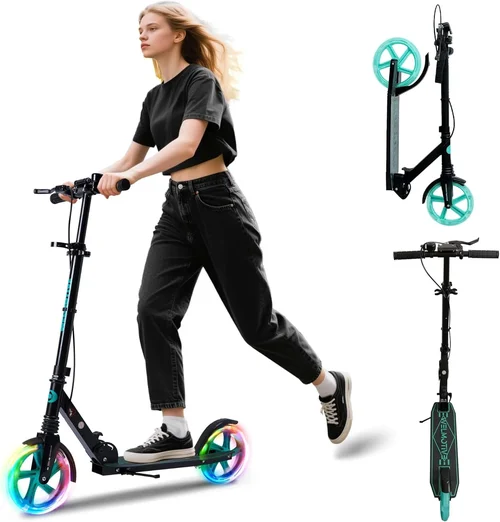
Expert Tips for Getting the Best Deal
– Buy during off-peak seasons: Scooter sales dip in winter (except in warm climates). Look for Black Friday, Cyber Monday, or post-holiday clearance events for discounts up to 20–30%.
– Shop directly from brands: Many manufacturers (like Apollo or Segway) offer exclusive online deals, free shipping, or bundled accessories not available on Amazon.
– Check refurbished or open-box options: Certified pre-owned scooters from reputable sellers often come with warranties and cost 20–40% less than new.
– Compare return policies: Ensure you have at least 14–30 days to test the scooter. Some retailers charge restocking fees—read the fine print.
– Test ride when possible: Visit local micromobility shops or attend scooter demo days. Feeling the ride quality firsthand is invaluable.
– Bundle with essentials: Some retailers offer discounts when you buy a helmet, lock, or phone mount together.
– Monitor price-tracking tools: Use Honey or CamelCamelCamel to alert you when prices drop on your wishlist items.
– Consider financing: Brands like Affirm or Klarna allow monthly payments with no interest—great for spreading out a larger purchase.

Frequently Asked Questions
Q: How fast do most e-scooters go?
A: Entry-level models typically reach 15–20 mph, mid-range scooters 20–28 mph, and high-performance models 30–45+ mph. Always check local speed limits—many cities cap e-scooter speeds at 15–20 mph.
Q: Can I ride an e-scooter in the rain?
A: Only if it has an IPX4 rating or higher. IPX4 handles light splashes, but avoid heavy rain or puddles. Water can damage motors, batteries, and electronics. Dry your scooter thoroughly after wet rides.
Q: How long does the battery last?
A: Most lithium-ion batteries retain 80% capacity after 500–800 charge cycles (roughly 2–3 years of daily use). Proper care—avoiding full discharges and extreme temperatures—extends lifespan.
Q: Are e-scooters legal where I live?
A: Laws vary by city and country. In the U.S., most states allow e-scooters on roads and bike lanes with speed limits under 20 mph. Some cities require registration or helmets. Check your local transportation authority’s website.
Q: What’s the difference between hub motors and belt-driven motors?
A: Hub motors (most common) are integrated into the wheel—simple, quiet, and low-maintenance. Belt-driven systems (found on some premium scooters) offer better torque and heat dissipation but require occasional belt replacement.
Q: Do I need insurance for my e-scooter?
A: Not usually, but some homeowners or renters insurance policies cover personal mobility devices. In Europe, liability insurance is sometimes required. Check your policy details.
Q: Can I carry my e-scooter on a plane?
A: Most airlines prohibit lithium batteries over 100Wh in checked luggage. Scooters with removable batteries under 160Wh may be allowed in carry-on—check with your airline before traveling.
Q: How do I maintain my e-scooter?
A: Regularly check tire pressure (if pneumatic), tighten bolts, clean the deck, and store in a dry place. Lubricate moving parts annually and avoid exposing the battery to extreme heat or cold.
Q: What’s the safest way to ride?
A: Always wear a helmet, use lights at night, obey traffic laws, avoid sidewalks where prohibited, and stay alert to pedestrians and vehicles. Practice in empty parking lots before hitting busy streets.
Q: Can I upgrade my scooter’s battery?
A: Generally no—batteries are integrated and not user-replaceable. Some premium models offer official upgrade kits, but DIY modifications void warranties and pose safety risks.
Our Final Recommendations
Best for Budget-Conscious Buyers: Gotrax GXL V2 – At under $400, it delivers reliable 15.5 mph speed, 12-mile range, and solid build quality. Perfect for students or casual riders who need affordability without sacrificing safety.
Best Overall Value: Segway Ninebot MAX G30LP – Priced around $700, it offers 30-mile range, 18.6 mph top speed, IPX5 water resistance, and exceptional durability. A proven workhorse for daily commuters.
Best Premium Option: Apollo City 2026 – With a 500W motor, 30-mile range, dual suspension, and hydraulic brakes, this $1,299 scooter excels in comfort and performance for urban adventurers.
Best for Beginners: Xiaomi Mi Electric Scooter 4 Lite – Lightweight (26.9 lbs), intuitive controls, and a smooth ride make it ideal for first-time riders. Includes app integration and solid safety features.
Best for Advanced Users: Dualtron Thunder 3 – A beast at 40+ mph, 75-mile range, and dual 1500W motors. Built for thrill-seekers and long-distance riders who demand top-tier performance.
Conclusion: Making the Right Choice
Choosing the best e-scooter isn’t about finding the flashiest specs or the lowest price—it’s about aligning your purchase with your real-life needs, environment, and habits. Whether you’re commuting five miles to work, exploring weekend trails, or simply reducing your carbon footprint, the right scooter should feel like a natural extension of your mobility. By focusing on key factors like performance, build quality, safety, and support—and avoiding common pitfalls—you’ll invest in a device that serves you reliably for years to come.
Remember, the “best” scooter is the one that gets used. A slightly more expensive model that fits your lifestyle will always outperform a cheaper one that sits in the closet. Take your time, read real reviews, test ride when possible, and don’t hesitate to ask questions. The e-scooter revolution is here to stay—and with this guide in hand, you’re ready to ride smarter, safer, and more confidently into the future. Now go find your perfect match and hit the road!