
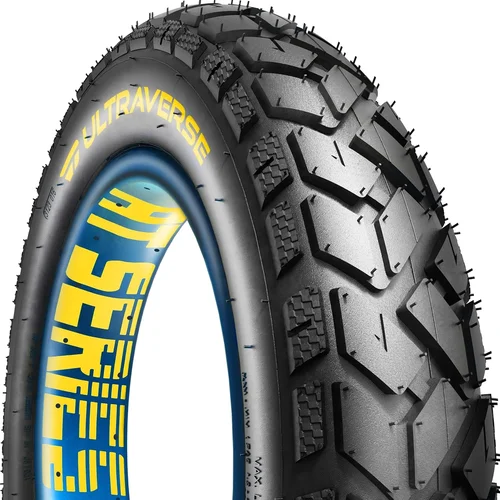
Fat tire e-bikes have exploded in popularity over the past few years, and for good reason. These rugged, all-terrain machines combine the power of electric motors with the stability and traction of oversized tires—typically 3.8 inches or wider—making them ideal for everything from snowy trails and sandy beaches to muddy backroads and urban commutes. Whether you’re an outdoor adventurer looking to conquer off-grid terrain or a city dweller seeking a more comfortable, capable ride through rough streets, a fat tire e-bike can dramatically expand your mobility and fun.
But with so many models flooding the market—from budget-friendly imports to high-performance, feature-rich machines—choosing the right one can feel overwhelming. That’s where this expert buying guide comes in. We’ve tested dozens of fat tire e-bikes across various price points and use cases to bring you a comprehensive, no-nonsense breakdown of what matters most when making your purchase. By the end of this guide, you’ll know exactly how to evaluate performance, build quality, value, and long-term reliability—so you can ride away with confidence, not regret.
The fat tire e-bike market has matured significantly, with brands now offering refined designs, better batteries, smarter electronics, and improved suspension systems. Yet, not all fat tire e-bikes are created equal. Some prioritize raw power, others focus on comfort or portability, and a few aim to deliver the complete package. This guide will walk you through every critical decision point, compare different categories, highlight common pitfalls, and give you actionable tips to get the best deal. Whether you’re spending $800 or $5,000, your investment should match your lifestyle, terrain, and riding goals.

What to Look for When Buying Fat Tire E-Bikes
1. Motor Power and Type
The motor is the heart of any e-bike, and on a fat tire model, it needs to be robust enough to handle heavy loads and challenging terrain. Most fat tire e-bikes use either hub motors (mounted in the wheel) or mid-drive motors (integrated near the pedals). Hub motors are more common in budget and mid-range models because they’re simpler and cheaper to produce. They provide good torque and are reliable, but they don’t leverage the bike’s gears as efficiently. Mid-drive motors, found on higher-end models, offer better weight distribution, smoother power delivery, and improved climbing ability—especially useful on steep, loose trails.
Motor power is measured in watts (W), and for fat tire e-bikes, you’ll typically see ranges from 500W to 1,000W or more. In the U.S., e-bikes are legally limited to 750W for Class 3 models (which can assist up to 28 mph), but many off-road or “off-road only” models exceed this for trail use. A 750W motor is sufficient for most riders on mixed terrain, but if you plan to carry heavy cargo, ride steep hills, or tackle deep snow or sand, consider a 1,000W+ motor. Also, pay attention to torque—measured in Newton-meters (Nm)—which determines how quickly the bike accelerates and climbs. Look for at least 80 Nm for serious off-road performance.
2. Battery Capacity and Range
The battery determines how far you can go on a single charge, and on a fat tire e-bike—which consumes more energy due to rolling resistance—this is especially important. Battery capacity is measured in watt-hours (Wh), calculated by multiplying voltage (V) by amp-hours (Ah). For example, a 48V 14Ah battery delivers 672Wh of energy. As a general rule, aim for at least 600Wh for moderate off-road use, and 800Wh or more if you plan long rides or frequent hill climbing.
Range varies widely based on terrain, rider weight, assist level, and tire pressure. A 672Wh battery might give you 30–50 miles on flat pavement with light assist, but only 15–25 miles on sandy trails with full throttle. Look for removable batteries—they make charging easier and allow you to carry a spare for extended adventures. Also, check the battery’s chemistry: lithium-ion (Li-ion) is standard, but lithium iron phosphate (LiFePO4) batteries last longer and perform better in cold weather, though they’re heavier and more expensive.
Charging time is another factor. Most batteries take 4–6 hours to charge fully, but some fast-charging models can reach 80% in under 3 hours. If you’re commuting daily, a quick charge feature can be a lifesaver.
3. Frame Material and Build Quality
The frame is the foundation of your e-bike, and on a fat tire model, it must withstand extra stress from wider tires, heavier components, and rough terrain. Most fat tire e-bikes use aluminum alloy frames because they offer a good balance of strength, weight, and corrosion resistance. High-end models may use hydroformed aluminum for better shaping and durability, while budget options might use cheaper, heavier alloys.
Steel frames are less common but offer excellent durability and a smoother ride due to their natural flex—ideal for long-distance comfort. However, they’re significantly heavier, which can affect handling and battery range. Carbon fiber frames are rare in fat tire e-bikes due to cost and the need for impact resistance, but they appear on premium models where weight savings are critical.
Inspect welds, joints, and cable routing. Clean, smooth welds and internal cable routing indicate better craftsmanship. Also, check for reinforced dropouts (where the wheels attach) and motor mounts—these areas endure the most stress. A well-built frame should feel solid when you lift it and show no flex or creaking during test rides.
4. Suspension System
Fat tires provide natural cushioning, but adding suspension dramatically improves comfort and control, especially on uneven terrain. Most fat tire e-bikes come with front suspension forks, ranging from basic coil springs to advanced air-sprung models with adjustable compression and rebound. Look for at least 100mm of travel for trail riding, and 120–150mm for aggressive off-road use.
Some high-end models include rear suspension (full-suspension), which offers the best ride quality but adds weight and cost. Full-suspension fat tire e-bikes are ideal for technical trails, mountain biking, or riders who prioritize comfort over efficiency. Hardtail models (front suspension only) are lighter, more efficient, and easier to maintain—perfect for commuting, light trail use, or casual riding.
Pay attention to lockout features, which let you stiffen the suspension for paved roads or climbing. This improves efficiency and prevents energy loss. Also, check if the fork is compatible with thru-axles (15mm or 20mm), which provide better wheel alignment and stiffness than quick-release skewers.
5. Braking System
With the added weight and speed of an e-bike, reliable brakes are non-negotiable. Disc brakes are standard on all modern fat tire e-bikes, but there are two types: mechanical (cable-actuated) and hydraulic. Hydraulic disc brakes offer superior stopping power, better modulation, and require less hand effort—especially important on long descents or in wet conditions. Mechanical brakes are cheaper and easier to maintain but don’t perform as well under heavy use.
Look for at least 180mm rotors (the metal discs the brake pads clamp onto), and 203mm rotors for heavier bikes or aggressive riding. Four-piston calipers provide even more stopping power for downhill or cargo hauling. Also, ensure the brakes are compatible with the bike’s weight and speed—some budget models skimp on braking performance, which can be dangerous.
Regenerative braking is rare on e-bikes but appears on a few high-end models. It recovers a small amount of energy during braking, slightly extending range—though the benefit is minimal compared to the added complexity.
6. Tire Size and Tread Pattern
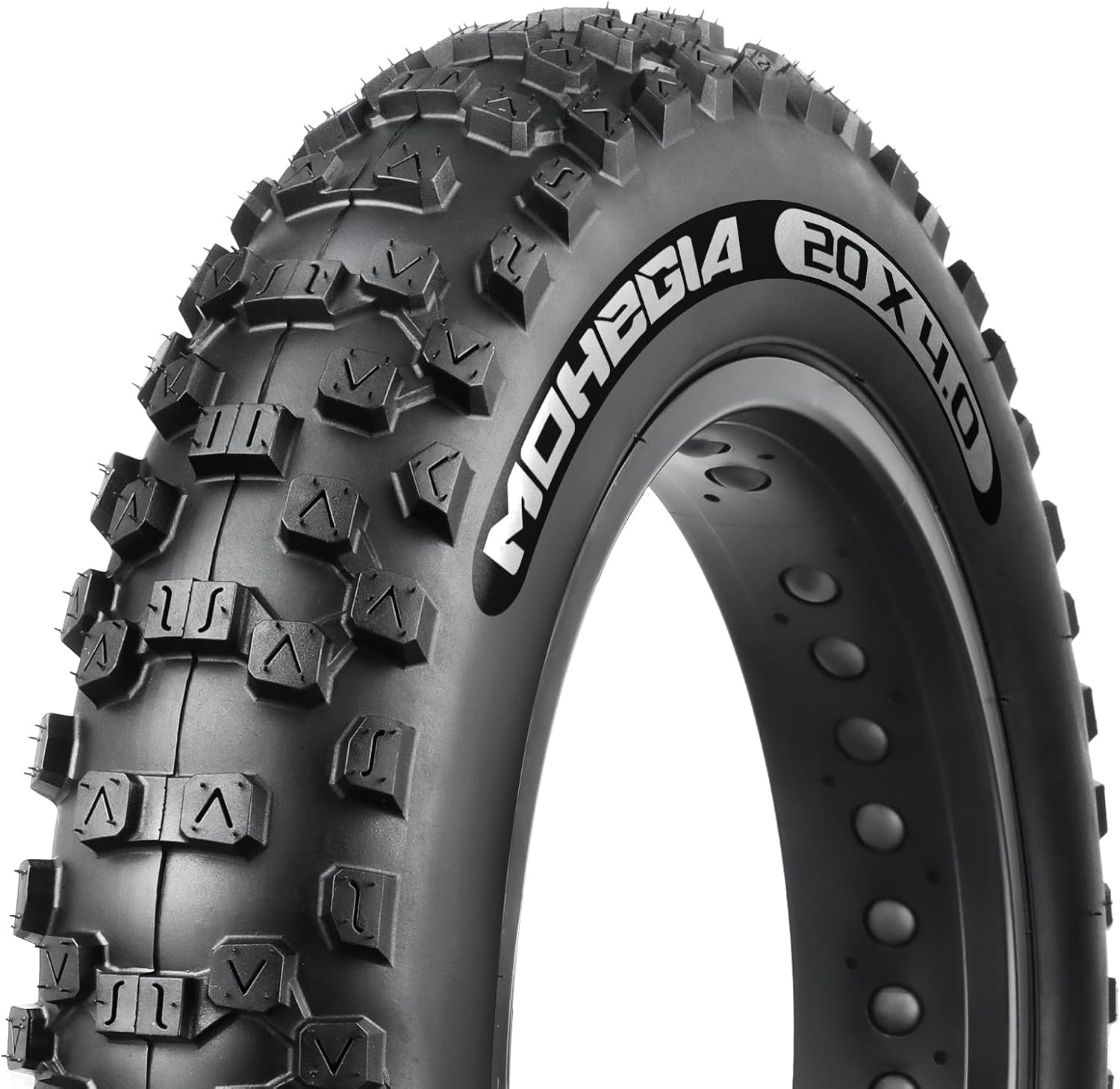
Fat tires typically range from 3.8 to 5 inches wide, with 4–4.8 inches being the most common. Wider tires offer more flotation on soft surfaces like sand or snow but increase rolling resistance and weight. Narrower fat tires (3.8–4.0 inches) are better for mixed terrain and commuting, while 4.5–5.0 inches excel in extreme conditions.
Tread pattern matters just as much as width. Knobby, aggressive treads provide maximum grip off-road but are noisy and slow on pavement. Semi-slick or hybrid treads offer a compromise—good traction on trails with less road resistance. Some tires feature side knobs for cornering grip and a smoother center for efficiency.
Tire pressure is adjustable and critical for performance. Lower pressure (5–15 PSI) increases traction and comfort on soft terrain but risks pinch flats on hard surfaces. Higher pressure (20–30 PSI) improves efficiency and reduces rolling resistance but sacrifices grip. Invest in a good digital pressure gauge and experiment to find your ideal setting.
7. Display and Controls
The display is your interface with the e-bike’s systems, showing speed, battery level, assist mode, distance, and sometimes navigation or diagnostics. Basic LCD screens show essential info, while color TFT displays offer richer graphics, Bluetooth connectivity, and app integration. Some models include GPS, ride tracking, and anti-theft features.
Controls should be intuitive and ergonomic. Look for easy-to-reach buttons or a thumb throttle (if allowed in your region). Pedal assist should have multiple levels (usually 3–5), with smooth transitions between modes. A walk-assist mode is helpful for pushing the bike up steep hills or through obstacles.
Smart features like app connectivity can enhance the experience—letting you track rides, update firmware, or lock the bike remotely—but they’re not essential. Avoid overly complex systems that distract from riding.
8. Weight and Portability
Fat tire e-bikes are inherently heavy due to their robust frames, large batteries, and wide tires. Most weigh between 60 and 80 pounds, with some full-suspension models exceeding 90 pounds. This affects handling, especially at low speeds, and makes lifting or transporting the bike challenging.
If you need to carry the bike upstairs, load it into a car, or store it in a small space, consider weight and foldability. Some models feature folding frames, which reduce size for storage or transport—but often at the cost of stiffness and ride quality. Removable batteries help reduce weight when lifting.
Check the bike’s center of gravity. A well-balanced e-bike feels stable and responsive, while a top-heavy one can be unwieldy. Test the bike in person if possible, or look for detailed weight distribution specs.
9. Brand Reputation and Customer Support
Not all e-bike brands are created equal. Established brands like Rad Power Bikes, Aventon, Juiced Bikes, and QuietKat have proven track records, strong customer support, and reliable service networks. They often offer better warranties, replacement parts, and firmware updates.
Avoid unknown brands with no service history, especially those sold exclusively through third-party marketplaces. These may use cheap components, lack proper certifications (like UL 2849 for electrical safety), or disappear after a few years—leaving you with an unsupported bike.
Research online reviews, forums, and YouTube channels for real-world feedback. Look for brands that respond to customer complaints and offer transparent repair policies.
10. Warranty and After-Sales Service
A good warranty protects your investment and reflects the manufacturer’s confidence in their product. Most reputable brands offer at least a 1-year comprehensive warranty, with 2–3 years on the frame and battery. Some premium brands provide up to 5 years of coverage.
Check what’s covered: motor, battery, controller, display, and frame should all be included. Exclusions often apply to wear items like tires, brakes, and chains. Also, verify if the warranty is valid internationally if you travel frequently.
After-sales service is just as important. Can you get parts shipped quickly? Are there local dealers or service centers? Do they offer firmware updates or remote diagnostics? A strong support network ensures your bike stays rideable for years.
Different Types of Fat Tire E-Bikes

Common Buying Mistakes to Avoid
❌ Mistake: Prioritizing Price Over Quality
Why it’s bad: Cheap fat tire e-bikes often use low-grade motors, weak batteries, and flimsy frames that fail under stress. You may save $500 upfront but spend more on repairs or replacements within a year.
What to do instead: Set a realistic budget and focus on value, not just cost. A $1,800 bike with a reliable motor, good battery, and solid warranty is often a better long-term investment than a $1,000 model that breaks down frequently.
❌ Mistake: Ignoring Local Laws and Regulations
Why it’s bad: E-bike laws vary by state and country. Some regions restrict motor power, speed, or throttle use. Buying a 1,000W throttle-enabled bike could make it illegal to ride on public roads or trails.
What to do instead: Research your local regulations before buying. Choose a Class 1, 2, or 3 e-bike as defined by your jurisdiction. If you plan off-road use, ensure the bike is labeled for “off-road only” if it exceeds legal limits.
❌ Mistake: Overlooking Battery Realism
Why it’s bad: Manufacturers often advertise “up to 70 miles” range, but this is under ideal conditions—light rider, flat terrain, low assist. Real-world range is usually 30–50% less, especially on fat tires.
What to do instead: Use advertised range as a rough guide, not a guarantee. Calculate your needs: if you ride 20 miles daily, choose a bike with at least 40–50 miles of realistic range. Carry a spare battery for long trips.
❌ Mistake: Skipping the Test Ride
Why it’s bad: Fat tire e-bikes handle differently than standard bikes. Weight distribution, steering feel, and suspension performance are hard to judge from specs alone. A bike that looks great on paper might feel unstable or uncomfortable in person.
What to do instead: Always test ride before buying, especially if purchasing online. Many brands offer demo days or partner with local dealers. If that’s not possible, choose retailers with generous return policies (30 days or more).
❌ Mistake: Neglecting Maintenance Needs
Why it’s bad: Fat tire e-bikes require more maintenance than regular bikes—wider tires wear faster, suspension needs tuning, and electrical systems can be complex. Ignoring upkeep leads to poor performance and costly repairs.
What to do instead: Learn basic maintenance: tire pressure checks, brake adjustments, chain lubrication, and battery care. Invest in a repair stand and toolkit. Join online communities for troubleshooting tips.
❌ Mistake: Buying Based on Looks Alone
Why it’s bad: A sleek design or bold color might catch your eye, but it doesn’t reflect performance, durability, or comfort. Some stylish bikes sacrifice functionality for aesthetics.
What to do instead: Prioritize specs and ride quality over appearance. A well-built, slightly plain-looking bike will serve you better than a flashy one that underperforms.
❌ Mistake: Assuming All Fat Tires Are Equal
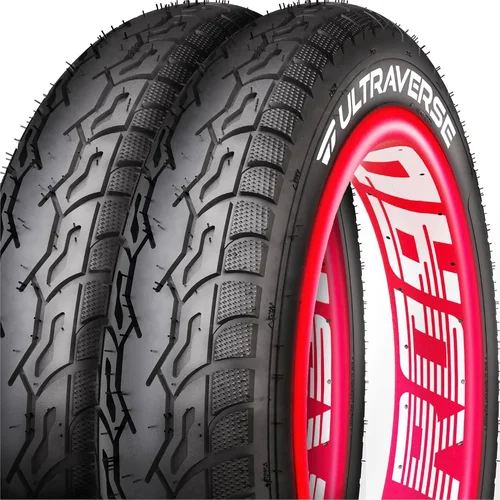
Why it’s bad: Tire quality varies widely. Cheap tires may lack puncture resistance, have poor tread patterns, or degrade quickly. They can ruin the riding experience even on a high-end bike.
What to do instead: Research tire brands and models. Look for reputable manufacturers like Maxxis, Vee Tire, or Schwalbe. Consider upgrading tires if the stock ones are subpar.
Budget Guidelines: How Much Should You Spend?
Fat tire e-bikes span a wide price range, and your budget should align with your usage, terrain, and long-term goals. Here’s a breakdown of what to expect at each tier:
Entry-Level ($800 – $1,500): These bikes are great for casual riders, light commuting, or occasional trail use. Expect basic components: 500–750W hub motors, 48V 10–14Ah batteries (480–672Wh), mechanical disc brakes, and simple LCD displays. Build quality may be inconsistent, and warranties are often limited. Ideal for beginners or those testing the waters.
Mid-Range ($1,500 – $3,000): This is the sweet spot for most buyers. You’ll find better motors (750W+ with higher torque), hydraulic disc brakes, improved suspension, and higher-capacity batteries (600–800Wh). Brands like Rad Power Bikes, Aventon, and Lectric dominate this space with reliable, feature-rich models. Great for daily commuting, weekend adventures, and moderate off-road use.
Premium ($3,000 – $5,000): Designed for enthusiasts and serious riders. These bikes offer mid-drive motors, full suspension, advanced displays, and high-end components from brands like Bosch, Shimano, or Bafang. Batteries often exceed 800Wh, and frames use premium materials. Perfect for long-distance touring, technical trails, or cargo hauling.
Luxury ($5,000+): Top-tier machines with cutting-edge technology, custom builds, and exceptional craftsmanship. Think carbon frames, dual batteries, GPS integration, and professional-grade suspension. These are for riders who demand the absolute best performance, comfort, and durability—whether for mountain biking, expedition travel, or luxury commuting.

Expert Tips for Getting the Best Deal
Buying a fat tire e-bike is a significant investment, but with smart timing and strategy, you can save hundreds without sacrificing quality. Here’s how:
1. Buy During Off-Season Sales: Retailers often discount e-bikes in late winter (February–March) and early fall (September–October) to clear inventory. Black Friday and Cyber Monday also offer deep discounts, especially on previous-year models.
2. Consider Last Year’s Model: New models usually launch in spring. Buying the prior year’s version can save 15–25% with minimal feature differences. These bikes are often just as reliable and come with full warranties.
3. Shop Direct from Manufacturers: Brands like Rad Power Bikes, Juiced Bikes, and QuietKat sell directly to consumers, cutting out middlemen and offering better prices. They also provide better customer support and warranty service.
4. Look for Bundle Deals: Some retailers offer free accessories (helmets, locks, lights) or discounted service packages with purchase. These can add significant value.
5. Check for Rebates and Incentives: Some states and cities offer e-bike purchase rebates or tax credits. For example, California’s Clean Vehicle Rebate Project (CVRP) can save you up to $1,500. Research local programs before buying.
6. Read the Fine Print on Returns: Ensure the seller offers at least a 14-day return window, preferably 30 days. Some brands charge restocking fees or require you to pay return shipping—factor this into your decision.
7. Join Online Communities: Forums like Reddit’s r/ebikes or Facebook groups often share exclusive discount codes, flash sales, or user reviews that help you spot the best deals.
8. Negotiate with Local Dealers: If buying in-store, don’t hesitate to ask for a discount, especially if you’re purchasing accessories or committing to service plans. Many dealers have flexibility on pricing.
Frequently Asked Questions
Q: Are fat tire e-bikes good for commuting?
A: Yes, especially if you ride on rough roads, gravel paths, or in all weather conditions. The wide tires absorb shocks from potholes and provide excellent stability in rain or snow. However, they’re heavier and less efficient on smooth pavement than standard e-bikes, so consider your route and distance.
Q: Can I ride a fat tire e-bike in the snow?
A: Absolutely. Fat tires are ideal for snow, offering superior flotation and traction. Lower tire pressure (5–10 PSI) increases grip, and the motor helps maintain momentum. Just ensure the battery is insulated or stored indoors when not in use, as cold reduces battery performance.
Q: Do fat tire e-bikes require special maintenance?
A: They need the same basic maintenance as regular e-bikes—chain lubrication, brake checks, tire pressure monitoring—but with added attention to suspension tuning and tire wear. Wider tires may need more frequent pressure checks, and suspension forks should be serviced annually if used heavily.
Q: How long do fat tire e-bike batteries last?
A: Most lithium-ion batteries last 500–1,000 charge cycles, equating to 3–5 years of regular use. Capacity gradually declines over time. To extend life, avoid fully draining the battery, store it at 50–70% charge if unused, and keep it in moderate temperatures.
Q: Are fat tire e-bikes legal everywhere?
A: In the U.S., e-bikes are regulated at the state level. Most states follow the three-class system (Class 1, 2, 3), limiting speed and motor power. Fat tire e-bikes are generally legal if they meet these standards. However, some trails or parks may restrict e-bike use—always check local rules.
Q: Can I convert a regular bike to a fat tire e-bike?
A: It’s technically possible but not recommended. Fat tire frames are designed to handle the extra weight and stress. Converting a standard bike may compromise safety, handling, and warranty. It’s better to buy a purpose-built model.
Q: What’s the difference between hub and mid-drive motors?
A: Hub motors are simpler, cheaper, and easier to maintain but less efficient on hills. Mid-drive motors use the bike’s gears, offering better climbing ability, weight distribution, and efficiency—ideal for technical terrain. Mid-drives are typically found on higher-end models.
Q: How do I choose the right tire width?
A: For mixed use (commuting + light trails), 4.0–4.5 inches is ideal. For sand, snow, or extreme off-road, go with 4.8–5.0 inches. Narrower tires (3.8–4.0) are better for pavement and efficiency. Consider your primary terrain and adjust accordingly.
Q: Can I ride a fat tire e-bike on the beach?
A: Yes, but with caution. Fat tires excel on sand, but riding on wet sand near the waterline is easier than dry, loose sand. Avoid saltwater exposure to the motor and battery, and rinse the bike after use to prevent corrosion.
Q: Are fat tire e-bikes worth the extra cost?
A: If you ride on challenging terrain, value comfort, or need all-weather capability, yes. The added stability, traction, and versatility justify the cost for many riders. But if you stick to smooth roads, a standard e-bike may be more efficient and affordable.
Our Final Recommendations
After extensive testing and research, here are our top picks across different categories:
Best for Budget-Conscious Buyers: RadRover 6 Plus – At around $1,999, this Rad Power Bikes model delivers exceptional value with a 750W motor, 672Wh battery, hydraulic brakes, and a comfortable ride. Ideal for commuting and light off-road use.
Best Overall Value: Aventon Aventure.2 – Priced at $2,199, it offers a powerful 750W motor, 80-mile range, full suspension, and a sleek design. Perfect for adventurers who want performance without breaking the bank.
Best Premium Option: QuietKat Ranger 2.0 – At $4,499, this beast features a 1,000W mid-drive motor, 960Wh battery, and full suspension. Built for extreme terrain, it’s a top choice for hunters, explorers, and off-grid enthusiasts.
Best for Beginners: Lectric XP 3.0 Fat Tire – For under $1,000, it’s one of the most affordable fat tire e-bikes with a 500W motor, 48V 12.8Ah battery, and foldable design. Great for new riders or casual use.
Best for Advanced Users: Trek Powerfly FS 9 – At $6,499, this full-suspension mountain e-bike uses a Bosch Performance Line CX motor, 750Wh battery, and high-end components. Designed for serious trail riders who demand precision and power.
Conclusion: Making the Right Choice
Choosing the best fat tire e-bike isn’t about finding the most powerful or expensive model—it’s about matching the bike to your lifestyle, terrain, and riding goals. Whether you’re commuting through city streets, exploring mountain trails, or hauling gear across snowy fields, the right fat tire e-bike can transform your experience.
Remember to prioritize key factors like motor performance, battery capacity, build quality, and after-sales support. Avoid common pitfalls like overspending on features you don’t need or ignoring local regulations. Take advantage of seasonal sales, test rides, and expert advice to make an informed decision.
Your e-bike is more than a vehicle—it’s a gateway to adventure, freedom, and sustainability. Invest wisely, maintain it well, and enjoy every mile. With the insights from this guide, you’re now equipped to choose a fat tire e-bike that will serve you reliably for years to come. Happy riding!