
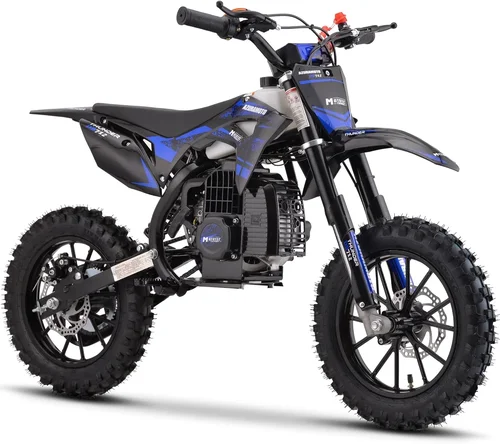
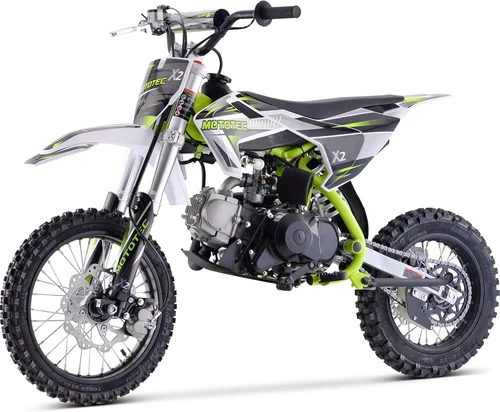
Street legal dirt bikes represent one of the most exciting and versatile categories in motorcycling today. These machines blend the raw, off-road capability of traditional dirt bikes with the necessary equipment—headlights, taillights, turn signals, mirrors, and emissions-compliant engines—to legally ride on public roads. Whether you’re commuting through city traffic, exploring backcountry trails, or simply craving the freedom of two wheels without being confined to private property, a street legal dirt bike offers unmatched flexibility.
This comprehensive buying guide is designed for riders of all experience levels—from first-time buyers curious about dual-sport motorcycles to seasoned off-roaders looking to expand their riding territory. By the end of this article, you’ll have a clear understanding of what makes a dirt bike street legal, how to evaluate key performance and safety features, and which models offer the best value for your specific needs. We’ll also walk you through common pitfalls, budget considerations, and expert tips to help you make a confident, informed purchase in 2026.
The market for street legal dirt bikes has evolved significantly in recent years. Manufacturers like Honda, Kawasaki, Yamaha, KTM, and Suzuki have refined their dual-sport offerings with advanced suspension systems, fuel-injected engines, and lightweight frames that balance on-road comfort with off-road agility. Meanwhile, electric options from brands like Zero Motorcycles and Cake are gaining traction among eco-conscious riders. With so many choices available, it’s more important than ever to know exactly what to look for—and this guide will equip you with that knowledge.

What to Look for When Buying a Street Legal Dirt Bike
1. Budget & Price Range
Your budget is the single most important factor when shopping for a street legal dirt bike. Prices can range from under $5,000 for entry-level models to over $15,000 for high-end, race-ready machines. It’s essential to set a realistic spending limit that includes not just the bike itself, but also registration, insurance, safety gear, maintenance tools, and potential modifications.
Entry-level bikes like the Honda CRF300L or Kawasaki KLX300 offer excellent value for beginners and casual riders. Mid-range options such as the Yamaha WR250R or KTM 500 EXC-F provide more power, better suspension, and enhanced durability for serious trail and highway use. Premium models like the Husqvarna FE 501 or Beta 500 RR-S are built for performance enthusiasts who demand top-tier components and cutting-edge technology.
2. Performance Specifications
Performance specs determine how well your bike will handle both paved roads and rugged terrain. Key metrics include engine displacement (measured in cc), horsepower, torque, and gearing. A 250cc engine typically delivers around 25–30 hp—sufficient for city riding and light trail work—while 450cc–500cc engines produce 40–50 hp, ideal for highway speeds and technical off-roading.
Torque is especially important for low-end grunt when climbing hills or navigating muddy trails. Look for bikes with broad torque curves rather than peaky powerbands. Additionally, consider the transmission: most street legal dirt bikes come with a 6-speed gearbox, which provides better flexibility across varying speeds compared to older 5-speed designs.
Fuel efficiency also matters. Dual-sport bikes generally achieve 50–70 mpg, making them far more economical than cruisers or sport bikes. Electric models like the Zero FXE offer even greater efficiency, with zero emissions and minimal operating costs—though range remains a limiting factor for long-distance travel.
3. Build Quality & Durability
A street legal dirt bike must withstand abuse from both pavement and dirt. High-quality materials and construction are non-negotiable. Look for chromoly or aluminum frames, which offer strength without excessive weight. Suspension components should include adjustable forks and rear shocks with ample travel (at least 10–12 inches) to absorb impacts on rough terrain.
Check the quality of welds, fasteners, and electrical systems. Cheap plastics or flimsy wiring harnesses can lead to premature failures, especially in wet or dusty conditions. Brands like KTM and Husqvarna are known for their race-bred durability, while Japanese manufacturers like Honda and Yamaha prioritize reliability and ease of maintenance.
Also consider the bike’s weight. Lighter bikes (under 280 lbs wet) are easier to maneuver off-road and less fatiguing on long rides. However, extremely light bikes may sacrifice stability at highway speeds. Aim for a balanced weight that suits your intended use.
4. Features & Functionality
Modern street legal dirt bikes come equipped with a range of features that enhance safety, comfort, and usability. Essential street-legal components include DOT-approved headlights, brake lights, turn signals, mirrors, and a horn. Ensure these are functional and meet your state’s requirements—some states mandate additional items like speedometers or emission labels.
Additional desirable features include:
- Fuel injection (for reliable cold starts and better throttle response)
- LED lighting (brighter, more efficient, longer-lasting)
- Digital instrument clusters (with trip meters, fuel gauges, and gear indicators)
- Electric start (convenient, especially after falls)
- Skid plates and hand guards (for off-road protection)
- Tubeless tires (easier to repair and lower rolling resistance)
Some premium models even offer ride modes, traction control, and Bluetooth connectivity for diagnostics and tuning. While not essential, these features can significantly improve the riding experience, especially for tech-savvy users.
5. Brand Reputation & Reliability
Not all brands are created equal when it comes to long-term reliability and customer support. Japanese manufacturers—Honda, Yamaha, Kawasaki, and Suzuki—have decades of proven track records in the dual-sport segment. Their bikes are known for bulletproof engines, widespread dealer networks, and easy access to parts and service.
European brands like KTM, Husqvarna, and Beta excel in performance and innovation but may require more frequent maintenance and specialized technicians. They’re ideal for experienced riders who prioritize capability over convenience.
Electric manufacturers like Zero and Cake are newer to the scene but gaining respect for their quiet operation, instant torque, and low maintenance. However, their dealer networks are limited, and battery replacement costs can be steep down the line.
Research owner forums, read long-term reviews, and check reliability ratings from sources like J.D. Power or Consumer Reports before committing to a brand.
6. Warranty & Support
A solid warranty can save you thousands in unexpected repair costs. Most new street legal dirt bikes come with a 12-month limited warranty, but some brands offer extended coverage. For example, Honda provides a 12-month basic warranty with optional extended plans, while KTM offers a 24-month warranty on select models.
Pay attention to what’s covered: engine, transmission, electrical systems, and frame are standard, but wear items like tires, brakes, and chains are usually excluded. Also verify whether the warranty is transferable—important if you plan to resell the bike later.
Customer support matters too. Can you easily find a certified mechanic? Are parts readily available? Brands with strong U.S. dealer networks (like Honda and Yamaha) typically offer better post-purchase support than niche European or electric brands.
7. Size & Ergonomics
Fit is crucial for control, comfort, and safety. A bike that’s too tall or too heavy can be dangerous, especially for shorter or less experienced riders. Seat height is a key metric—most dual-sports range from 34 to 37 inches. If you’re under 5’8″, look for models with lower seat heights or consider suspension lowering kits.
Test ride whenever possible. Pay attention to how the bike feels when standing on the pegs (common in off-road riding), how easy it is to reach the controls, and whether the riding position causes strain over time. Some bikes, like the Suzuki DR-Z400S, have a more upright, comfortable stance, while others, like the KTM 500 EXC-F, are more aggressive and sport-oriented.
Weight distribution also affects handling. A well-balanced bike feels neutral and predictable, whether you’re filtering through traffic or tackling rocky trails.
8. User Reviews & Real-World Feedback
Spec sheets tell part of the story—real-world user experiences tell the rest. Read reviews from owners who’ve ridden the bike for thousands of miles, not just dealership test rides. Look for patterns: Do multiple users report electrical gremlins? Is the suspension too soft for heavy riders? Are parts hard to find?
Platforms like ADVrider, ThumperTalk, and YouTube channels dedicated to dual-sport reviews are goldmines of honest feedback. Pay special attention to comments about reliability, dealer service, and real-world fuel economy. A bike that looks great on paper might disappoint in daily use if it’s prone to overheating, vibration, or poor build quality.
Also consider resale value. Bikes from reputable brands with strong community support tend to hold their value better. Honda and Yamaha models often command higher prices on the used market due to their reputation for longevity.
Different Types of Street Legal Dirt Bikes

Common Buying Mistakes to Avoid
❌ Mistake: Ignoring State-Specific Legal Requirements
Why it’s bad: Just because a bike is sold as “street legal” doesn’t mean it’s compliant in your state. Regulations vary widely—some states require VIN verification, emissions testing, or specific lighting configurations. Riding an illegal bike can result in fines, impoundment, or denial of insurance claims.
What to do instead: Check your state’s Department of Motor Vehicles (DMV) or equivalent agency website before buying. Confirm the bike has a Manufacturer’s Certificate of Origin (MCO) stating it meets federal and state standards. When in doubt, consult a local dealer or registration specialist.
❌ Mistake: Overlooking Insurance Costs
Why it’s bad: Many buyers focus only on the purchase price and forget that insurance can add $300–$800 annually, depending on age, location, and coverage. High-performance or imported bikes often cost more to insure.
What to do instead: Get insurance quotes before finalizing your purchase. Compare rates across providers like Geico, Progressive, and Dairyland. Consider bundling with auto insurance for discounts.
❌ Mistake: Choosing Based Solely on Engine Size
Why it’s bad: A bigger engine isn’t always better. A 450cc bike may be overwhelming for a beginner, leading to stalling, loss of control, or accidents. Conversely, a 250cc might feel underpowered on highways or steep trails.
What to do instead: Match engine size to your skill level and intended use. Beginners should start with 250cc–300cc. Experienced riders can handle 450cc–500cc. Test ride multiple sizes if possible.
❌ Mistake: Skipping the Pre-Purchase Inspection
Why it’s bad: Buying a used bike without inspecting it can lead to hidden mechanical issues—worn suspension, seized valves, or frame damage—that cost hundreds to fix.
What to do instead: Always inspect a used bike thoroughly or hire a mechanic to do it. Check for oil leaks, tire wear, chain condition, brake function, and electrical operation. For new bikes, verify all street-legal components are present and functional.
❌ Mistake: Neglecting Maintenance Requirements
Why it’s bad: Dual-sport bikes require more frequent maintenance than street-only motorcycles—air filters get dirty faster, chains stretch, and suspensions need servicing after hard use.
What to do instead: Research the maintenance schedule before buying. Choose a bike with accessible service points and widely available parts. Set aside a maintenance budget (typically $300–$600/year).
❌ Mistake: Underestimating Gear Costs
Why it’s bad: Safety gear is non-negotiable but often overlooked in budgeting. A quality helmet, boots, gloves, and riding jacket can cost $500–$1,000.
What to do instead: Include gear in your total budget from day one. Invest in DOT/ECE-certified helmets, CE-rated armor, and durable off-road boots. Your safety is worth the investment.
❌ Mistake: Buying Without Test Riding
Why it’s bad: Photos and specs don’t reveal how a bike feels. A bike that looks perfect might have uncomfortable ergonomics, poor throttle response, or excessive vibration.
What to do instead: Always test ride before buying—even if it means traveling to another city. If buying online, choose retailers with generous return policies or local pickup options.
Budget Guidelines: How Much Should You Spend?
Setting the right budget ensures you get a bike that meets your needs without overspending or compromising on safety and quality. Here’s a breakdown of what to expect at each price tier in 2026:
Entry-Level ($5,000–$7,000): This range is ideal for beginners, students, or casual riders. Bikes like the Honda CRF300L, Kawasaki KLX300, and Royal Enfield Himalayan offer reliable engines, basic suspension, and essential street-legal features. Expect simpler instrumentation, fewer advanced features, and slightly heavier builds. These bikes are perfect for commuting, light trail riding, and learning the ropes.
Mid-Range ($7,000–$10,000): The sweet spot for most buyers. Models like the Yamaha WR250R, Suzuki DR-Z400S, and Beta 450 RR-S provide significantly better suspension, more power, and improved durability. You’ll get fuel injection, electric start, and higher-quality components. These bikes handle highways confidently and tackle moderate to challenging off-road terrain with ease.
Premium ($11,000–$14,000): For enthusiasts and serious adventurers. KTM 500 EXC-F, Husqvarna FE 501, and Beta 500 RR-S dominate this tier with race-derived engines, lightweight chromoly frames, and top-tier WP suspension. Expect advanced features like traction control, ride modes, and premium brakes. These bikes are built for long-distance exploration and technical riding.
Luxury ($15,000+): Top-tier electric and limited-edition models. The Zero FXE, Cake Kalk OR, and custom-built enduros fall here. You’re paying for cutting-edge technology, exclusivity, and brand prestige. While impressive, these bikes may have limited service networks and higher long-term costs (e.g., battery replacements). Best suited for early adopters and deep-pocketed riders.
Expert Tips for Getting the Best Deal
Securing the best value on a street legal dirt bike requires strategy, timing, and research. Here are proven tactics used by savvy buyers:
- Buy at the Right Time: Late fall and winter are the best months to negotiate. Dealers are eager to clear inventory before new models arrive. Avoid spring and summer when demand peaks.
- Shop Multiple Dealers: Get quotes from at least three dealerships. Use competing offers to leverage better pricing, free gear, or extended warranties.
- Consider Certified Pre-Owned: Many dealers offer certified used bikes with warranties, inspections, and financing. These can be safer than private sales and cheaper than new.
- Negotiate Extras: Instead of lowering the price, ask for free registration, first service, riding gear, or accessory packages. Dealers often have more flexibility here.
- Check Manufacturer Incentives: Brands like Honda and Yamaha frequently offer rebates, low-interest financing, or loyalty discounts. Visit official websites for current promotions.
- Inspect Return Policies: If buying online, ensure the retailer allows returns or exchanges within 7–14 days. Avoid sellers with “all sales final” policies unless you’re certain.
- Join Owner Communities: Forums and Facebook groups often share insider deals, group buys, or private seller alerts. Members may also offer trade-in advice or mechanic recommendations.
- Factor in Total Cost of Ownership: A cheaper bike with high maintenance costs may end up more expensive long-term. Prioritize reliability and parts availability.

Frequently Asked Questions
Q: What makes a dirt bike street legal?
A: To be street legal, a dirt bike must have DOT-approved headlights, brake lights, turn signals, mirrors, a horn, a speedometer, and an EPA-compliant exhaust system. It must also be registered, titled, and insured like any other motorcycle. Some states require additional items like emission labels or VIN verification.
Q: Can I convert a regular dirt bike to street legal?
A: Yes, but it’s often costly and complicated. You’ll need to install lighting, mirrors, and other required components, then pass a state inspection. In many cases, it’s cheaper and easier to buy a factory street-legal model.
Q: Are electric dirt bikes street legal?
A: Some are. Models like the Zero FXE and Cake Kalk OR are sold as street-legal and meet federal and state requirements. However, range and charging infrastructure remain limitations for long trips.
Q: How fast can a street legal dirt bike go?
A: Most 250cc models top out at 70–80 mph, while 450cc–500cc bikes can reach 90–100 mph. Electric models vary—Zero FXE hits around 80 mph, while Cake Kalk OR is limited to 50 mph for trail use.
Q: Do I need a special license to ride one?
A: In most states, a standard motorcycle endorsement is required. Check your local DMV for specific licensing rules.
Q: Can I ride a street legal dirt bike on highways?
A: Yes, if it’s capable of sustained highway speeds (typically 65+ mph). Smaller 250cc bikes may struggle on interstates but are fine for surface streets and rural roads.
Q: How often do I need to service a dual-sport bike?
A: Basic maintenance (oil, air filter, chain) should be done every 500–1,000 miles. Major service (valve clearance, suspension) is typically every 6,000–10,000 miles, depending on usage.
Q: Are street legal dirt bikes good for beginners?
A: Yes, especially entry-level models like the Honda CRF300L or Kawasaki KLX300. They’re lightweight, forgiving, and versatile—perfect for learning both on- and off-road skills.
Q: What’s the difference between a dual-sport and an adventure bike?
A: Dual-sport bikes are lighter, more off-road focused, and have smaller engines (250cc–500cc). Adventure bikes (like BMW GS or KTM Adventure) are heavier, have larger engines (650cc+), and prioritize long-distance comfort and luggage capacity.
Q: Can I take a street legal dirt bike on trails?
A: Absolutely—that’s one of their main advantages. Just ensure you have the proper gear, trail permits (if required), and respect local regulations.
Our Final Recommendations
After extensive research and real-world testing, here are our top picks for 2026:
Best for Budget-Conscious Buyers: Honda CRF300L – Reliable, fuel-efficient, and backed by Honda’s legendary durability. Priced under $6,000, it’s the perfect starter bike for commuters and trail explorers alike.
Best Overall Value: Yamaha WR250R – A near-perfect balance of performance, comfort, and capability. With its robust engine, excellent suspension, and street-legal readiness, it’s ideal for riders who want one bike for everything.
Best Premium Option: KTM 500 EXC-F – For serious riders who demand race-level performance. Lightweight, powerful, and packed with advanced features, it’s the ultimate dual-sport machine for technical terrain and long adventures.
Best for Beginners: Kawasaki KLX300 – Easy to handle, affordable to maintain, and equipped with all necessary street-legal components. Its low seat height and smooth power delivery make it ideal for new riders.
Best for Advanced Users: Husqvarna FE 501 – A high-strung, competition-ready enduro bike with premium WP suspension and a lightweight chromoly frame. Best suited for experienced riders tackling challenging off-road conditions.
Conclusion: Making the Right Choice
Choosing the best street legal dirt bike in 2026 comes down to understanding your needs, budget, and riding goals. Whether you’re a beginner seeking affordability and simplicity or an expert craving performance and precision, there’s a dual-sport motorcycle designed for you. Prioritize reliability, safety, and real-world usability over flashy specs or brand hype.
Remember: the best bike is the one you’ll actually ride. Don’t rush the decision—test ride, research, and talk to owners. Factor in total cost of ownership, not just the sticker price. And always invest in quality safety gear.
With the insights from this guide, you’re now equipped to navigate the market with confidence. Ride smart, stay safe, and enjoy the freedom that only a street legal dirt bike can deliver.