
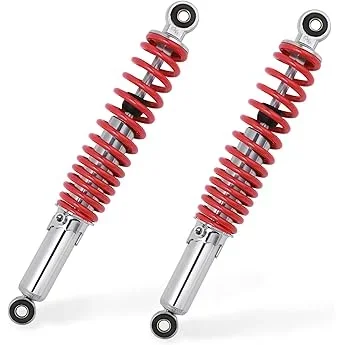
A smooth ride isn’t just a luxury—it’s a necessity for comfort, safety, and long-term vehicle health. Whether you’re cruising down the highway, navigating city streets, or tackling rough terrain, your vehicle’s shock absorbers play a critical role in how every bump, pothole, and dip feels behind the wheel. Over time, factory-installed shocks wear out, leading to a bouncy, unstable, or downright uncomfortable driving experience. Replacing them with high-quality aftermarket shocks can dramatically improve ride quality, handling, and even fuel efficiency. But with so many options on the market—ranging from budget-friendly basics to high-performance, electronically controlled systems—choosing the right shocks can feel overwhelming.
That’s where this guide comes in. We’ve spent months researching, testing, and analyzing the latest shock absorber technologies to bring you a comprehensive, expert-level buying guide for 2026. Whether you drive a daily commuter sedan, a rugged off-road truck, or a high-performance SUV, this article will help you make an informed decision. You’ll learn what to look for in a shock absorber, how different types compare, common pitfalls to avoid, and which models deliver the best balance of comfort, durability, and value. By the end, you’ll have the knowledge and confidence to upgrade your suspension system and enjoy a noticeably smoother, more controlled ride.
The shock absorber market in 2026 is more advanced and diverse than ever. Manufacturers are leveraging cutting-edge materials, adaptive damping technologies, and smart integration with vehicle electronics to deliver unprecedented levels of comfort and performance. From traditional twin-tube and monotube designs to air shocks, electronically controlled dampers, and hybrid systems, there’s a solution for nearly every vehicle and driving style. However, not all shocks are created equal. Some prioritize comfort at the expense of handling, while others offer stiff, sporty feedback that may be too harsh for daily driving. This guide cuts through the noise, focusing specifically on shocks that deliver a smooth ride—without sacrificing reliability, longevity, or value.

What to Look for When Buying Shocks for a Smooth Ride
1. Damping Technology and Ride Comfort
The core function of a shock absorber is to control the movement of your vehicle’s springs and suspension. Damping technology determines how effectively the shock absorbs and dissipates energy from road imperfections. For a smooth ride, you want shocks that offer consistent, controlled damping—neither too stiff nor too soft. Look for features like velocity-sensitive valving, which adjusts damping force based on how quickly the suspension moves. This means gentle compression over small bumps and firmer resistance during sudden impacts, resulting in a balanced, comfortable ride. Advanced systems like adaptive or semi-active damping (found in higher-end models) use sensors and electronic controls to continuously adjust damping in real time, offering the ultimate in ride smoothness.
2. Build Quality and Durability
A smooth ride is only as good as the shock’s ability to maintain performance over time. Cheap shocks may feel fine initially but degrade quickly, leading to leaks, reduced damping, and a return to a harsh ride. High-quality shocks use durable materials like hardened steel bodies, nitrogen-charged chambers to prevent foaming, and premium seals to resist contamination. Look for features like chrome-plated piston rods (which resist corrosion and scoring) and reinforced mounting hardware. Shocks with longer warranty periods (typically 3–5 years or more) often indicate superior build quality and manufacturer confidence. Investing in durable shocks means fewer replacements and a consistently smooth ride for years.
3. Vehicle Compatibility and Fitment
Not all shocks are designed for every vehicle. Even if a shock fits physically, it may not provide the correct damping characteristics for your specific make, model, and weight distribution. Always verify compatibility using your vehicle’s year, make, model, and trim level. Some shocks are engineered for specific driving conditions—like off-road use or heavy towing—while others are optimized for on-road comfort. Universal shocks may seem convenient, but they often lack the precision tuning of OEM-spec or application-specific designs. For the smoothest ride, choose shocks that are specifically engineered for your vehicle type and intended use.
4. Type of Shock Design
Shock absorbers come in several designs, each with distinct advantages for ride comfort. Twin-tube shocks are the most common and offer a softer, more compliant ride, making them ideal for daily driving and comfort-focused applications. Monotube shocks, with a single tube and high-pressure gas charge, provide better heat dissipation and more consistent performance, especially under heavy loads or prolonged use. Gas-charged shocks (whether twin-tube or monotube) reduce aeration and foaming, ensuring stable damping. For the smoothest possible ride, many drivers prefer high-quality twin-tube or low-pressure gas monotube shocks, as they offer excellent compliance without sacrificing control.
5. Adjustability and Customization
While most drivers want a set-and-forget solution, some shocks offer adjustable damping settings that allow you to fine-tune ride comfort. Manual adjustability (via a knob or dial) lets you soften or stiffen the shocks based on road conditions or personal preference. Electronically adjustable shocks, often found in luxury or performance vehicles, use onboard sensors and driver-selectable modes (Comfort, Sport, Eco, etc.) to automatically adapt damping. While not essential for everyone, adjustability can enhance ride smoothness by allowing you to optimize settings for different scenarios—like switching to a softer mode for long highway drives or bumpy roads.
6. Brand Reputation and Expert Reviews
Not all shock brands are created equal. Established manufacturers like Monroe, KYB, Bilstein, and Gabriel have decades of experience and a proven track record of reliability. Reading expert reviews and real-world user feedback can provide valuable insights into how a shock performs over time. Look for brands that consistently receive high marks for comfort, durability, and value. Avoid obscure or no-name brands that may cut corners on materials or engineering. A reputable brand often means better customer support, longer warranties, and more accurate fitment information.
7. Warranty and Customer Support
A strong warranty is a strong indicator of product quality. Most reputable shock manufacturers offer warranties ranging from 1 to 5 years, with some premium models offering lifetime coverage. Pay attention to what the warranty covers—does it include labor, parts, or both? Is it transferable if you sell the vehicle? Also consider the ease of claiming warranty service. Brands with nationwide service networks or partnerships with major retailers make it easier to get replacements or repairs. Good customer support can save you time, money, and frustration if issues arise.
8. Price vs. Value
While it’s tempting to go for the cheapest option, shocks are a critical safety and comfort component—cutting corners here can cost you more in the long run. A $50 shock may seem like a bargain, but if it fails after a year, you’ll be back to square one. Conversely, a $300 shock from a top-tier brand may last 5–7 years and deliver a noticeably smoother ride. Focus on value, not just price. Consider the cost per year of use, included features, and expected lifespan. Mid-range shocks ($80–$150 per unit) often offer the best balance of performance, durability, and affordability for most drivers.
Different Types of Shocks for a Smooth Ride

Common Buying Mistakes to Avoid
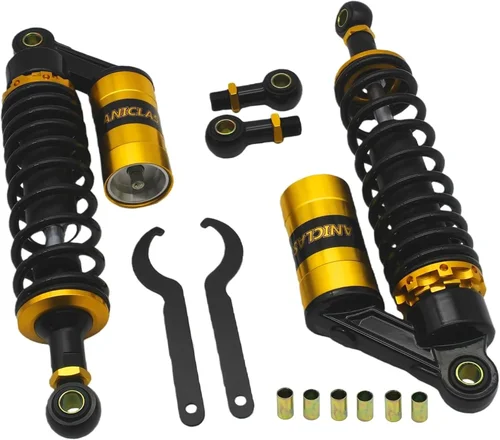
❌ Mistake: Choosing Shocks Based Solely on Price
Why it’s bad: The cheapest shocks often use inferior materials and lack proper damping tuning, leading to a harsh or bouncy ride. They may also fail prematurely, requiring frequent replacements.
What to do instead: Focus on value—consider the cost per year of use, expected lifespan, and included features. Mid-range shocks from reputable brands often deliver the best long-term satisfaction.
❌ Mistake: Ignoring Vehicle-Specific Fitment
Why it’s bad: Universal or generic shocks may not match your vehicle’s weight, suspension geometry, or intended use, resulting in poor ride quality or even safety issues.
What to do instead: Always verify compatibility using your vehicle’s exact specifications. Use manufacturer fitment tools or consult with a trusted mechanic.
❌ Mistake: Overlooking the Importance of Matching All Four Shocks
Why it’s bad: Replacing only one or two shocks creates uneven damping, leading to unbalanced handling, reduced traction, and accelerated wear on the new units.
What to do instead: Replace all four shocks at the same time, preferably with identical models, to ensure consistent performance and ride quality.
❌ Mistake: Assuming All “Premium” Shocks Are Better
Why it’s bad: High-end shocks designed for performance or off-road use may be too stiff for daily driving, sacrificing comfort for control.
What to do instead: Choose shocks that match your driving style and priorities. If comfort is your goal, look for models specifically engineered for smooth on-road performance.
❌ Mistake: Skipping Professional Installation
Why it’s bad: Improper installation can lead to leaks, misalignment, or even suspension damage. Some shocks require special tools or alignment procedures.
What to do instead: Have your shocks installed by a certified mechanic or reputable shop, especially if you’re not experienced with suspension work.
❌ Mistake: Not Considering Future Use (Towing, Off-Roading, etc.)
Why it’s bad: Shocks optimized for smooth city driving may struggle under heavy loads or rough terrain, leading to bottoming out or overheating.
What to do instead: Think ahead—if you plan to tow, haul, or drive off-road, choose shocks with higher load capacity or adjustable features.
❌ Mistake: Ignoring User Reviews and Expert Opinions
Why it’s bad: Marketing claims don’t always reflect real-world performance. A shock that looks great on paper may disappoint in practice.
What to do instead: Read verified customer reviews and expert test reports. Look for consistent feedback about ride comfort, durability, and ease of installation.
Budget Guidelines: How Much Should You Spend?
Entry-Level ($50–$80 per shock): These shocks are ideal for budget-conscious drivers with older vehicles or those needing a basic replacement. Expect decent performance from brands like Monroe Sensa-Trac or Gabriel Ultra, but be aware that build quality and longevity may be limited. These are best for light-duty use and short-term solutions.
Mid-Range ($80–$150 per shock): This is the sweet spot for most buyers. Shocks in this range—such as KYB Gas-a-Just, Bilstein B6, or Monroe Reflex—offer excellent ride comfort, improved durability, and better damping control. They’re suitable for daily driving, highway cruising, and moderate loads. Many include features like gas charging and advanced valving for a noticeably smoother ride.
Premium ($150–$300 per shock): Designed for enthusiasts and those who prioritize comfort and performance, premium shocks like Bilstein B8 or Koni STR.T offer superior materials, precision engineering, and advanced damping technologies. These are ideal for performance sedans, SUVs, and trucks used for towing or long-distance travel. Expect longer lifespans and more consistent performance under varied conditions.
Luxury ($300+ per shock): At this tier, you’re investing in cutting-edge technology. Electronically controlled shocks (like those from OEMs such as Mercedes, BMW, or Tesla) or high-end aftermarket systems (e.g., Fox 2.0, King Shocks) offer adaptive damping, remote reservoirs, and customizable settings. These are best for luxury vehicles, off-road rigs, or drivers who demand the absolute smoothest ride possible.
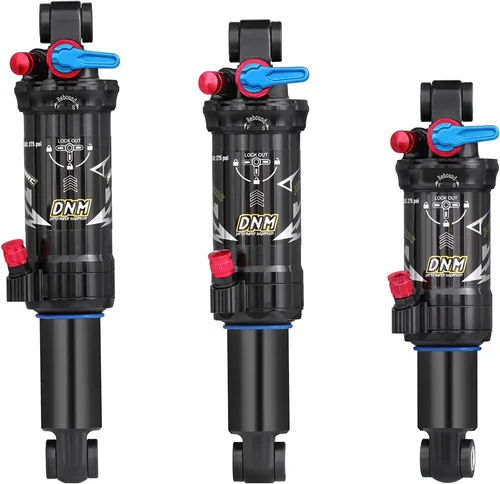
Expert Tips for Getting the Best Deal
1. Buy During Seasonal Sales: Shocks are often discounted during major sales events like Black Friday, Memorial Day, or end-of-year clearance. Many retailers offer bundle deals—buy four shocks and get free shipping or installation.
2. Compare Online and In-Store Prices: Online retailers like Amazon, RockAuto, or 1AAuto often have lower prices than brick-and-mortar stores. However, in-store purchases may include free installation or instant availability. Use price-matching policies to your advantage.
3. Look for Manufacturer Rebates: Brands like Monroe, KYB, and Bilstein frequently offer mail-in rebates of $20–$50 when you purchase a full set. These can significantly reduce your total cost.
4. Check Return and Exchange Policies: Some shocks may not fit or perform as expected. Choose retailers with generous return windows (30–90 days) and no restocking fees. This gives you peace of mind if you need to swap out a set.
5. Consider Refurbished or Open-Box Options: High-quality shocks are sometimes sold as “open-box” or “refurbished” at a discount. These are often inspected and tested, offering near-new performance at a lower price.
6. Test Drive Before Committing (If Possible): Some specialty shops or performance centers allow you to test different shock setups. While rare, this can help you feel the difference between models and choose the one that feels smoothest to you.
7. Bundle with Other Suspension Upgrades: If you’re replacing shocks, consider upgrading struts, springs, or sway bars at the same time. Many shops offer package discounts, and upgrading the entire suspension system can dramatically improve ride quality.
8. Read the Fine Print on Warranties: A long warranty is great, but make sure it covers labor, is transferable, and doesn’t require registration or receipts. Some warranties are void if installed by a non-certified mechanic.
Frequently Asked Questions
Q: How do I know when my shocks need replacing?
A: Common signs include excessive bouncing after hitting a bump, nose-diving during braking, swaying in corners, uneven tire wear, or visible leaks. A simple test: press down firmly on each corner of your vehicle—if it bounces more than once or twice, your shocks are likely worn.
Q: Can I install shocks myself?
A: It’s possible if you have mechanical experience, the right tools, and a safe workspace. However, suspension work can be dangerous and requires proper alignment. For most drivers, professional installation is recommended.
Q: Are gas shocks better than hydraulic shocks?
A: Gas shocks (nitrogen-charged) reduce aeration and foaming, providing more consistent damping, especially under heavy use. For a smoother, more controlled ride, gas shocks are generally preferred over traditional hydraulic designs.
Q: Do I need different shocks for front and rear?
A: Yes. Front and rear shocks are typically designed differently to match the weight distribution and suspension geometry of your vehicle. Always replace them in pairs (front pair, rear pair) and use the correct model for each position.
Q: Will new shocks improve fuel efficiency?
A: Indirectly, yes. Worn shocks can cause uneven tire wear and increased rolling resistance. Properly functioning shocks help maintain tire contact with the road, potentially improving fuel economy by 1–3%.
Q: Can I use performance shocks for daily driving?
A: It depends. Performance shocks are often stiffer and may feel harsh on rough roads. If comfort is your priority, look for “comfort-tuned” or “luxury” performance shocks that balance control with ride quality.
Q: How long do shocks typically last?
A: Most shocks last 50,000 to 100,000 miles, depending on driving conditions, vehicle weight, and quality. Off-road use, towing, or rough roads can shorten lifespan.
Q: Are OEM shocks better than aftermarket?
A: Not necessarily. While OEM shocks are designed for your exact vehicle, many aftermarket brands offer superior comfort, durability, and value. Aftermarket shocks often use better materials and more advanced damping technology.
Q: Do shocks affect braking distance?
A: Yes. Worn shocks allow the vehicle to dive forward during braking, reducing tire contact and increasing stopping distance. New shocks help maintain stability and improve braking performance.
Q: Can I mix different brands of shocks?
A: It’s not recommended. Mixing brands can lead to inconsistent damping, uneven handling, and reduced ride quality. Always use the same brand and model on all four corners.
Our Final Recommendations
Best for Budget-Conscious Buyers: Monroe Sensa-Trac – At around $60–$80 per shock, these offer reliable performance and a noticeably smoother ride than worn OEM units. Ideal for daily drivers who want comfort without breaking the bank.
Best Overall Value: KYB Gas-a-Just – Priced at $90–$120, these monotube shocks deliver excellent damping control, durability, and a refined ride. They’re a favorite among mechanics and drivers alike for their balance of performance and affordability.
Best Premium Option: Bilstein B6 4600 – For $150–$200 per shock, the B6 series offers German-engineered precision, superior heat dissipation, and a plush yet controlled ride. Perfect for trucks, SUVs, and drivers who want long-term performance.
Best for Beginners: Gabriel Ultra – Easy to install and widely available, these twin-tube shocks provide a comfortable ride and solid reliability. Great for first-time upgraders or those with older vehicles.
Best for Advanced Users: Fox 2.0 Performance Series – At $250–$400 per shock, these are built for serious enthusiasts. With adjustable compression and remote reservoirs, they offer customizable damping for the ultimate in ride smoothness—especially on rough or uneven terrain.
Conclusion: Making the Right Choice
Choosing the best shocks for a smooth ride doesn’t have to be complicated—but it does require careful consideration. From understanding damping technology and build quality to avoiding common pitfalls and knowing your budget, every decision impacts how your vehicle feels on the road. The right shocks won’t just make your drive more comfortable; they’ll enhance safety, extend tire life, and protect your vehicle’s suspension components from unnecessary wear.
As you weigh your options, remember that the “best” shock is the one that matches your vehicle, your driving habits, and your priorities. Whether you’re looking for a budget-friendly upgrade or a high-tech suspension solution, there’s a shock out there that will deliver the smooth, controlled ride you deserve. Don’t settle for a bumpy, unstable experience—invest in quality shocks, and feel the difference with every mile.
Take the time to research, compare, and consult with experts. Read reviews, check warranties, and consider professional installation. Your comfort, safety, and driving enjoyment are worth it. Upgrade your shocks today, and rediscover what it means to drive smoothly.