
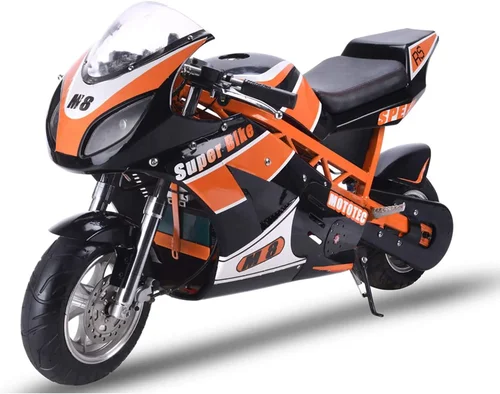
Electric bikes—or e-bikes—have surged in popularity over the past few years, and for good reason. They offer an eco-friendly, cost-effective, and often fun alternative to cars, public transit, or traditional bicycles. Whether you’re commuting to work, running errands around town, or just exploring your local trails, an e-bike can make the journey easier, faster, and more enjoyable. But with so many models on the market, finding one that fits both your needs and your budget can feel overwhelming—especially if you’re working with a tight limit.
That’s where this guide comes in. If you’re looking for the best e-bike under $500, you’re not alone. Many riders are discovering that you don’t need to spend thousands to get a reliable, functional electric bike. In fact, the sub-$500 segment has seen significant improvements in quality, performance, and features over the past few years. From foldable commuter models to lightweight city cruisers, there are now several solid options that deliver real value without breaking the bank. This guide will walk you through everything you need to know to make a smart, informed decision—so you can ride confidently, save money, and avoid buyer’s remorse.
We’ll cover the key factors to consider when shopping, compare different types of e-bikes in this price range, highlight common pitfalls to avoid, and share expert tips for getting the most bang for your buck. Whether you’re a first-time buyer or upgrading from an older model, this comprehensive buying guide is designed to help you find the perfect e-bike under $500 that matches your lifestyle, riding goals, and budget.

What to Look for When Buying an E-Bike Under $500
1. Budget & Price Range
When shopping for an e-bike under $500, your budget is the most important constraint—but it doesn’t have to be a limitation. This price range has evolved dramatically, and today’s sub-$500 e-bikes offer far more than just basic pedal assist. However, it’s crucial to understand what you’re getting (and what you’re not) at this price point.
Most e-bikes under $500 fall into the “entry-level” or “budget commuter” category. They’re designed for casual riders, short commutes, and light recreational use. You won’t find high-end motors, long-range batteries, or premium components like hydraulic disc brakes or full suspension. But you will find functional, reliable machines that get the job done.
To maximize value, aim for the sweet spot between $350 and $450. Models in this range often include better batteries, more durable frames, and improved motors compared to the cheapest options under $300. Avoid going too low—bikes priced under $250 often cut too many corners, resulting in poor build quality, weak motors, and short battery life.
2. Performance Specifications
Performance is where many budget e-bikes fall short—but not all. At under $500, you should still expect a functional motor, decent battery life, and reasonable speed. Here’s what to look for:
Motor Power: Most e-bikes in this range feature 250W to 350W hub motors. These are sufficient for flat terrain and light hills. Avoid anything below 250W—it will struggle on inclines and feel underpowered. Mid-drive motors are rare under $500, so hub motors are the standard.
Battery Capacity: Look for a battery with at least 7Ah (amp-hours) and 36V. This typically provides 20–30 miles of range on a single charge, depending on terrain, rider weight, and assist level. Lithium-ion batteries are standard and preferred over older lead-acid types due to their lighter weight and longer lifespan.
Top Speed: Most budget e-bikes cap out at 15–20 mph under electric assist. This is legal in most U.S. states for Class 1 and Class 2 e-bikes (pedal-assist only or throttle-assisted). Don’t expect speeds over 20 mph unless you’re willing to modify the bike—which may void the warranty.
Pedal Assist Levels: Aim for at least 3–5 levels of pedal assist. This gives you better control over power usage and helps extend battery life. Some models also include a throttle mode, which lets you ride without pedaling—great for starting from a stop or climbing steep hills.
3. Build Quality & Durability
At under $500, build quality can vary widely. Some brands use lightweight aluminum frames, while others rely on heavier steel. Aluminum is preferable—it’s rust-resistant, lighter, and more durable over time. Check the frame welds for smoothness and consistency; rough or uneven welds can indicate poor manufacturing.
Pay attention to the wheels, tires, and drivetrain. Look for puncture-resistant tires (often labeled “anti-flat” or “Kevlar-lined”) and reliable gear systems. Single-speed bikes are common in this range and fine for flat areas, but if you live in a hilly region, a 6- or 7-speed drivetrain is worth the extra cost.
Brakes are critical. Mechanical disc brakes are common and adequate for most riders, but avoid bikes with only rim brakes (V-brakes) if you plan to ride in wet conditions or carry heavy loads. Disc brakes offer better stopping power and perform more consistently in rain or mud.
4. Features & Functionality
Even at this price, you can find e-bikes with useful features that enhance comfort and convenience. Here are some to look for:
Display: A basic LCD or LED display shows speed, battery level, and assist mode. Some include odometers, trip timers, and backlighting. While not essential, a clear display makes riding more intuitive.
Lighting: Integrated front and rear lights are a big plus, especially for commuters. Many budget e-bikes include LED lights powered by the main battery. If not, consider the cost of adding them later.
Fenders & Rack: Full-coverage fenders protect you from water and mud, while rear racks allow you to carry groceries, backpacks, or panniers. These are often included or available as add-ons.
Suspension: Front suspension forks are rare under $500, but some models include basic spring suspension. This can improve comfort on rough roads, but don’t expect the smoothness of higher-end systems.
Portability: If you need to carry your bike upstairs or store it in a small space, consider a foldable model. These are typically lighter and more compact, though they may sacrifice some stability or battery capacity.
5. Brand Reputation
Brand matters—even at this price point. Established brands like Ancheer, Swagtron, ECOTRIC, and Razor have built reputations for delivering reliable, well-supported e-bikes. They often provide better customer service, clearer warranties, and more consistent quality control.
Avoid unknown or no-name brands sold exclusively through third-party marketplaces. These bikes may look similar to reputable models but often use inferior components, lack proper documentation, and offer little to no customer support. Check for certifications like UL 2849 (safety standard for e-bikes) and look for brands with active customer service channels.
6. Warranty & Support
A solid warranty is a strong indicator of a manufacturer’s confidence in their product. At under $500, look for at least a 1-year warranty on the frame and motor, and 6–12 months on the battery. Some brands offer extended warranties or battery replacement programs.
Customer support is just as important. Can you reach someone by phone or email? Are there online resources like manuals, FAQs, or video tutorials? A brand that stands behind its products will make troubleshooting and repairs much easier.
7. Size & Portability
E-bike size affects comfort, handling, and storage. Most budget e-bikes are designed for riders between 5’2″ and 6’2″. Check the standover height—the distance from the ground to the top tube—to ensure you can comfortably mount and dismount.
Step-through frames are ideal for shorter riders or those with mobility issues. They allow easy access without lifting your leg high. Traditional diamond frames are sturdier but may be harder to get on and off.
Weight is another factor. Most e-bikes under $500 weigh between 40 and 60 pounds. Lighter models (under 50 lbs) are easier to carry and maneuver, especially if you need to lift them onto a bike rack or carry them upstairs.
Foldable e-bikes are a great option for urban dwellers or apartment residents. They can be stored in closets, under desks, or in car trunks. However, they often have smaller wheels and less powerful motors, so they’re best for short, flat commutes.
8. User Reviews & Ratings
Never buy an e-bike without reading real user reviews. Look beyond the product description and marketing claims. Sites like Amazon, Best Buy, and specialized e-bike forums offer honest feedback from actual riders.
Pay attention to recurring themes: Are multiple users reporting battery issues? Do people complain about poor assembly instructions? Are there frequent complaints about customer service?
Look for reviews that mention long-term use—6 months or more. These give you insight into durability and reliability. A bike that works great out of the box but fails after a few months is not a good investment.
Also, check the average star rating. Aim for models with at least 4.0 stars and a high number of reviews (500+ is ideal). Be wary of bikes with only a handful of 5-star reviews—these may be fake or incentivized.
Different Types of E-Bikes Under $500

Common Buying Mistakes to Avoid
❌ Mistake: Prioritizing Price Over Quality
Why it’s bad: The cheapest e-bike isn’t always the best deal. Models under $250 often use weak motors, low-capacity batteries, and flimsy frames that can fail within months. You may end up spending more on repairs or replacements than if you’d bought a slightly more expensive model.
What to do instead: Set a realistic budget of $350–$450 and focus on value, not just cost. Look for bikes with good reviews, solid warranties, and reputable brands. A few extra dollars can mean the difference between a bike that lasts two years and one that lasts six months.
❌ Mistake: Ignoring Battery Specifications
Why it’s bad: Battery life directly affects how far and how often you can ride. A weak battery (under 7Ah) may only last 10–15 miles, forcing you to charge frequently and limiting your range.
What to do instead: Always check the battery’s voltage (V) and amp-hour (Ah) rating. Aim for at least 36V and 7Ah. Also, confirm the battery is removable—this makes charging easier and allows for future upgrades.
❌ Mistake: Overlooking Assembly Requirements
Why it’s bad: Most e-bikes arrive 80–90% assembled, but final setup is critical. Improperly tightened bolts, misaligned brakes, or incorrect tire pressure can lead to safety issues or poor performance.
What to do instead: Read the manual carefully and follow assembly instructions step by step. If you’re not confident, pay $50–$100 for professional assembly at a local bike shop. It’s a small price for peace of mind.
❌ Mistake: Buying Without Testing
Why it’s bad: E-bikes handle differently than regular bikes. A model that looks great online might feel unstable, too heavy, or uncomfortable in real life.
What to do instead: If possible, test ride before buying. Many retailers offer in-store demos or partner with local shops. If buying online, check the return policy—most reputable sellers allow 14–30 days for returns.
❌ Mistake: Ignoring Local Laws and Regulations
Why it’s bad: E-bike laws vary by state and city. Some areas restrict speed, require helmets, or ban certain types of e-bikes on bike paths.
What to do instead: Research your local regulations before purchasing. Most budget e-bikes are Class 1 or Class 2, which are legal in most areas, but it’s better to be safe than sorry.
❌ Mistake: Skipping the Warranty Check
Why it’s bad: Without a warranty, you’re on your own if the motor fails or the battery dies. Repair costs can quickly exceed the bike’s value.
What to do instead: Always verify the warranty terms. Look for at least 1 year on the frame and motor, and 6 months on the battery. Keep your receipt and register the product as required.
❌ Mistake: Buying Based on Looks Alone
Why it’s bad: A stylish bike with poor performance is a disappointment. Flashy designs don’t always mean better quality.
What to do instead: Focus on specs, reviews, and functionality. A bike that looks plain but rides smoothly and lasts long is far more valuable than a showpiece that breaks down.
Budget Guidelines: How Much Should You Spend?
Entry-Level ($250–$350): This tier includes the most basic e-bikes, often from lesser-known brands. You’ll find simple designs, weaker motors (250W), and smaller batteries (5–6Ah). These are best for very short commutes or occasional use. Expect limited features, minimal warranties, and lower build quality. Only consider this range if you’re on a very tight budget and willing to accept trade-offs.
Mid-Range ($350–$450): This is the sweet spot for most buyers. Bikes in this range offer better motors (350W), larger batteries (7–10Ah), and improved components. You’ll find reputable brands, decent warranties, and useful features like lights, fenders, and racks. Most models are suitable for daily commuting and light recreational riding. This tier offers the best balance of price, performance, and reliability.
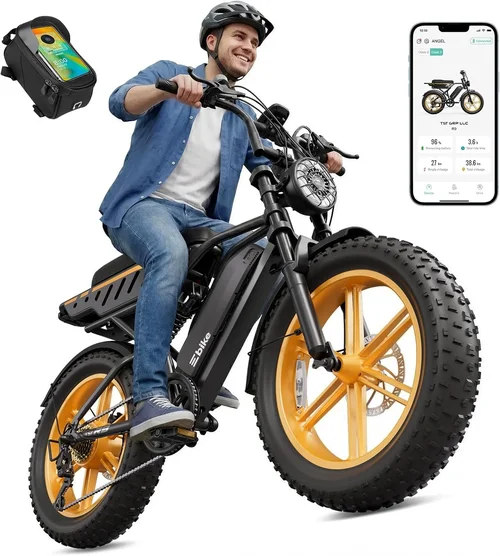
Premium ($450–$500): At the top of the under-$500 range, you’ll find e-bikes with enhanced features like fat tires, foldable frames, or upgraded displays. These models often come from well-known brands and include better customer support. They’re ideal for riders who want a bit more performance or versatility without stepping into the $600+ category.
Luxury ($500+): While this guide focuses on sub-$500 options, it’s worth noting that spending just $50–$100 more can open up significantly better models. Bikes over $500 often include higher-capacity batteries, more powerful motors, hydraulic brakes, and full suspension. If your budget allows, consider stretching slightly for a major upgrade in quality and longevity.
Expert Tips for Getting the Best Deal
1. Buy During Sales Events: Major holidays like Black Friday, Cyber Monday, Memorial Day, and Amazon Prime Day often feature deep discounts on e-bikes. Retailers like Amazon, Best Buy, and Walmart run seasonal promotions that can save you $50–$150.
2. Shop at Reputable Retailers: Stick to well-known stores like Amazon, Walmart, Best Buy, or specialized e-bike retailers. These platforms offer buyer protection, clear return policies, and customer reviews. Avoid third-party sellers with no history or contact information.
3. Compare Total Cost: Don’t just look at the bike’s price. Factor in shipping, taxes, and any required accessories. Some retailers offer free shipping or bundle deals (e.g., bike + lock + helmet) that add real value.
4. Check Return Policies: A generous return window (30 days or more) gives you time to test the bike and ensure it meets your needs. Avoid sellers with strict or no-return policies.
5. Read the Fine Print on Warranties: Some warranties exclude certain parts or require professional assembly. Make sure you understand what’s covered and what’s not before buying.
6. Consider Refurbished or Open-Box Models: Many retailers sell certified refurbished e-bikes at 20–30% off. These are inspected, tested, and often come with the same warranty as new models. It’s a great way to get more bike for your money.
7. Join Online Communities: Forums like Reddit’s r/ebikes or Facebook groups dedicated to electric bikes are great places to ask questions, read real-world reviews, and get deal alerts.
8. Test Before You Buy: If you’re near a store that carries e-bikes, take a test ride. Pay attention to comfort, handling, and how the motor responds. A 10-minute ride can tell you more than 100 online reviews.
Frequently Asked Questions
Q: Can I really get a good e-bike for under $500?
A: Yes—but with caveats. While you won’t get premium features like long-range batteries or high-end motors, there are several reliable, functional e-bikes under $500 that are perfect for casual riders, short commutes, and light recreational use. Focus on reputable brands, solid reviews, and essential specs like motor power and battery capacity.
Q: How far can an e-bike under $500 go on a single charge?
A: Most models offer 20–30 miles of range, depending on terrain, rider weight, and assist level. Flat roads and lower assist settings extend range, while hills and high assist drain the battery faster. A 36V 7Ah battery is typical and provides reliable performance for daily use.
Q: Are e-bikes under $500 safe?
A: Yes, if they meet safety standards and are properly assembled. Look for UL 2849 certification, which ensures the electrical system has been tested for safety. Always wear a helmet, follow traffic laws, and perform regular maintenance.
Q: Do I need a license to ride an e-bike under $500?
A: In most U.S. states, no. Class 1 and Class 2 e-bikes (pedal-assist only or throttle-assisted up to 20 mph) do not require a license, registration, or insurance. However, rules vary by location, so check your local regulations.
Q: Can I ride an e-bike in the rain?
A: Most budget e-bikes are water-resistant but not fully waterproof. Avoid submerging the battery or motor. Riding in light rain is generally safe, but dry the bike afterward and store it indoors when possible.
Q: How long do e-bike batteries last?
A: A lithium-ion battery typically lasts 500–1,000 charge cycles, which translates to 2–4 years of regular use. Proper care—like avoiding full discharges and storing at 50% charge in winter—can extend lifespan.
Q: Can I upgrade parts on a budget e-bike?
A: Some components like tires, seats, and lights can be upgraded. However, major upgrades like motors or batteries are often not feasible due to compatibility and cost. It’s usually better to buy a better bike upfront than to modify a cheap one.
Q: What’s the difference between pedal assist and throttle?
A: Pedal assist provides power only when you’re pedaling, while a throttle lets you ride without pedaling (like a motorcycle). Many budget e-bikes include both. Throttle mode is great for starting or climbing, but it drains the battery faster.
Q: Are foldable e-bikes under $500 worth it?
A: Yes, if portability is a priority. Foldable models are ideal for apartment living, public transit, or small storage spaces. Just be aware that they may have smaller wheels, less powerful motors, and shorter range compared to full-size bikes.
Q: How much does it cost to maintain an e-bike under $500?
A: Maintenance costs are similar to regular bikes: $50–$100 per year for tune-ups, tire replacements, and brake adjustments. Battery replacement after 3–4 years may cost $200–$400, depending on the model.
Our Final Recommendations
Best for Budget-Conscious Buyers: Ancheer AN-EB001 – At around $399, this commuter e-bike offers a 36V 10Ah battery, 350W motor, and includes lights, fenders, and a rear rack. It’s reliable, well-reviewed, and perfect for daily city riding.
Best Overall Value: Swagtron EB7 Plus – Priced at $449, this foldable e-bike features a 36V 7.5Ah battery, 350W motor, and a sleek, portable design. It’s ideal for urban commuters who need flexibility and style.
Best Premium Option: ECOTRIC Fat Tire Bike – At $499, this fat tire e-bike delivers excellent traction and stability on rough terrain. With a 36V 12.5Ah battery and 500W peak motor, it’s a standout in the sub-$500 range.
Best for Beginners: Razor RSF350 – This stylish cruiser e-bike is easy to ride, with a comfortable seat and simple controls. At $349, it’s a great entry point for new riders.
Best for Advanced Users: Himiway Cruiser (Refurbished) – While new models exceed $500, refurbished versions often drop below this threshold. With a 48V battery and 750W motor, it offers performance rivaling much pricier bikes.
Conclusion: Making the Right Choice
Finding the best e-bike under $500 doesn’t mean settling for less—it means being smart about where you spend your money. By focusing on key factors like motor power, battery capacity, build quality, and brand reputation, you can find a bike that delivers real value and lasting performance.
Remember, the cheapest option isn’t always the best deal. Invest in a model from a reputable brand with solid reviews and a clear warranty. Test ride when possible, read the fine print, and don’t overlook the importance of after-sales support.
Whether you’re commuting to work, exploring local trails, or just enjoying a weekend ride, a quality e-bike under $500 can transform your mobility and lifestyle. With the insights from this guide, you’re now equipped to make a confident, informed decision. So go ahead—hit the road, save money, and ride with confidence. Your perfect e-bike is out there, and it’s closer than you think.