
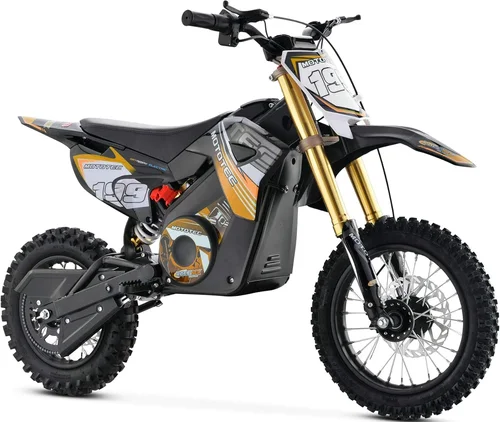
Electric dirt bikes have revolutionized off-road riding, offering a cleaner, quieter, and increasingly powerful alternative to traditional gas-powered machines. Whether you’re a weekend trail explorer, a motocross enthusiast, or a parent looking for a safe and fun ride for your child, the electric dirt bike market in 2026 is more diverse and accessible than ever. With advancements in battery technology, motor efficiency, and frame design, these bikes now deliver performance that rivals—and in some cases surpasses—their combustion counterparts. But with so many options flooding Amazon and other online retailers, choosing the right model can feel overwhelming. That’s where this comprehensive buying guide comes in.
This guide is designed to cut through the noise and help you make a confident, informed decision. We’ll walk you through every critical factor—from budget and performance specs to build quality, safety features, and long-term reliability. You’ll learn how to compare different models, avoid common pitfalls, and identify the best value for your specific needs. Whether you’re shopping for your first electric dirt bike or upgrading from an older model, this guide will equip you with the knowledge to choose wisely. By the end, you’ll know exactly what to look for, what to avoid, and which bikes stand out in today’s competitive landscape.
The electric dirt bike market has matured significantly over the past few years. Once considered niche or underpowered, these machines now offer impressive torque, extended ride times, and rugged construction suitable for everything from backyard trails to competitive racing. Brands like Sur Ron, Segway, Razor, and KTM have entered the space with high-quality offerings, while newer startups are pushing innovation with modular designs, app connectivity, and swappable batteries. Amazon has become a major hub for these purchases, offering convenience, customer reviews, and often competitive pricing. However, the sheer volume of options—ranging from $300 kids’ models to $5,000+ professional-grade machines—means buyers need a clear roadmap. This guide provides that roadmap, combining expert analysis with real-world insights to help you find the perfect electric dirt bike for your adventures.

What to Look for When Buying an Electric Dirt Bike
1. Budget & Price Range
Your budget is the foundation of your purchasing decision. Electric dirt bikes vary dramatically in price, from under $500 for basic youth models to over $6,000 for high-performance adult machines. Setting a realistic budget helps narrow your options and prevents overspending on features you don’t need. Consider not just the upfront cost but also long-term expenses like battery replacements, maintenance, and potential upgrades. A bike that seems affordable now could become costly if it requires frequent repairs or has a short lifespan.
For most buyers, the sweet spot lies between $1,500 and $3,500. This range typically offers a balance of performance, durability, and features suitable for recreational and semi-serious riding. Entry-level models under $1,000 are great for kids or casual use but often lack the power, range, and build quality needed for more demanding terrain. Premium models above $4,000 deliver top-tier performance but may be overkill unless you’re riding competitively or tackling extreme trails.
2. Performance Specifications
Performance is where electric dirt bikes truly shine. Unlike gas bikes, electric motors deliver instant torque, meaning maximum power is available from a standstill. When evaluating performance, focus on three key metrics: motor power (measured in watts or horsepower), top speed, and range (how far you can ride on a single charge).
Motor power typically ranges from 500W for beginner bikes to 10,000W or more for high-end models. A 2,000W to 4,000W motor is ideal for most adult riders, offering strong acceleration and hill-climbing ability without being overly aggressive. Top speeds vary widely—youth models may cap out at 15 mph, while performance bikes can exceed 50 mph. However, speed isn’t everything; consider your skill level and intended use. A bike that’s too fast can be dangerous for beginners.
Range is arguably the most critical performance factor. Most electric dirt bikes offer between 15 and 40 miles per charge, depending on terrain, rider weight, and riding style. Aggressive riding or hilly trails drain the battery faster. Look for models with removable or swappable batteries if you plan on long rides. Some premium bikes even support fast charging, reducing downtime between sessions.
3. Build Quality & Durability
Electric dirt bikes take a beating—jumps, rocks, mud, and crashes are all part of the experience. That’s why build quality matters. A well-constructed bike will last years, while a flimsy one may break down after just a few rides. Pay close attention to the frame material, suspension system, and overall craftsmanship.
High-quality frames are typically made from aluminum alloy or chromoly steel. Aluminum is lighter and resistant to rust, making it ideal for off-road use. Chromoly steel is stronger and more durable but heavier. Avoid bikes with plastic frames or poorly welded joints—these are red flags for poor durability. The suspension system should include front forks and a rear shock absorber with adequate travel (at least 6–8 inches for serious off-roading). Look for adjustable suspension if you plan on customizing your ride for different terrains.
Also consider the wheels and tires. Knobby, off-road tires provide better grip on dirt and mud, while lighter wheels improve handling. Check the brake system—disc brakes (especially hydraulic ones) offer superior stopping power compared to mechanical or drum brakes. Finally, inspect the electrical components: sealed connectors, waterproofing, and robust wiring are essential for longevity in harsh conditions.
4. Features & Functionality
Modern electric dirt bikes come packed with features that enhance safety, convenience, and performance. While not all are essential, some can significantly improve your riding experience. Key features to consider include multiple riding modes, regenerative braking, app connectivity, and LED lighting.
Riding modes allow you to adjust power output and throttle response. For example, a “Beginner” mode might limit speed and acceleration, while “Sport” or “Race” mode unleashes full power. This is especially useful for families sharing a bike or for riders progressing from novice to advanced. Regenerative braking captures energy during deceleration and feeds it back into the battery, extending range—though the effect is usually modest on dirt bikes.
App connectivity is becoming more common, especially in mid-to-high-end models. Through a smartphone app, you can monitor battery life, track ride data, adjust settings, and even lock the bike remotely. While not necessary, it adds a layer of smart functionality that tech-savvy riders appreciate. LED headlights and taillights improve visibility during low-light rides and are often required for street-legal models. Some bikes also include USB charging ports, phone mounts, or Bluetooth speakers—nice extras, but not deal-breakers.
Safety features are equally important. Look for models with kill switches, throttle limiters (for kids), and sturdy footpegs. A well-designed ergonomic layout—with comfortable seating, intuitive controls, and proper weight distribution—can make a big difference in control and fatigue over long rides.
5. Brand Reputation
Not all electric dirt bike brands are created equal. Established brands with a history of quality and customer support tend to deliver more reliable products. Research the manufacturer’s reputation before buying. Look for companies that specialize in electric vehicles or have a strong presence in the off-road community.
Brands like Sur Ron, Segway-Ninebot, Razor, and KTM are well-regarded for their innovation and build quality. Sur Ron, for example, is known for its lightweight yet powerful bikes used by both recreational riders and professionals. Segway offers a range of models with strong app integration and safety features. Razor dominates the youth market with affordable, durable bikes that are perfect for kids. KTM, a veteran in the motorcycle world, brings racing pedigree to its electric offerings.
Avoid unknown or generic brands with no customer reviews or support infrastructure. These bikes may seem like a bargain, but they often lack proper documentation, spare parts, or warranty coverage. Check forums, YouTube reviews, and Reddit communities to see what real users say about reliability and customer service. A brand with responsive support and accessible replacement parts can save you headaches down the road.
6. Warranty & Support
A solid warranty is a sign of a manufacturer’s confidence in their product. Most reputable brands offer at least a 6-month to 1-year warranty covering defects in materials and workmanship. Some premium models come with 2-year warranties or even lifetime frame guarantees. Pay attention to what’s covered—motor, battery, electronics, and frame should all be included.
Battery warranties are particularly important. Lithium-ion batteries degrade over time, and replacements can cost $300–$800. Look for batteries with at least a 1-year warranty, and check the cycle life (how many charge/discharge cycles it can handle). A battery rated for 500+ cycles will last several years with regular use.
Customer support matters too. Can you easily reach someone by phone or email? Are there service centers nearby? Do they offer troubleshooting guides or video tutorials? Amazon listings often include seller ratings and response times—use these to gauge reliability. Some third-party sellers may not honor the manufacturer’s warranty, so buy directly from authorized dealers when possible.
7. Size & Portability
The size of your electric dirt bike affects not only how it handles but also how you transport and store it. Consider the bike’s weight, dimensions, and whether it can be disassembled for easier transport. Most adult electric dirt bikes weigh between 80 and 150 pounds—light enough to load into a truck bed but heavy enough to require help or a ramp.
For younger riders, size is even more critical. A bike that’s too tall or heavy can be difficult to control and unsafe. Look for models with adjustable seat heights and lower standover heights. Many youth bikes are designed to grow with the rider, offering adjustable components or modular frames.
Portability features like folding handlebars, removable batteries, and compact designs can make a big difference if you plan on trailering or storing the bike in a small space. Some high-end models even include integrated carrying handles or wheels for easier maneuvering. If you’re planning to take your bike on camping trips or to remote trails, consider how it will fit in your vehicle and whether you’ll need additional gear like a bike rack or trailer.
8. User Reviews & Ratings
Never underestimate the power of user reviews. Amazon’s review system provides real-world insights that specs sheets can’t match. Look for bikes with at least 100 reviews and an average rating of 4 stars or higher. Pay attention to recent reviews—technology changes fast, and older feedback may not reflect current models.
Read both positive and negative reviews to get a balanced picture. Positive reviews often highlight performance, ease of use, and durability. Negative reviews may reveal common issues like battery life, build quality, or customer service problems. Look for patterns—if multiple users mention the same flaw, it’s likely a real concern.
Also check the Q&A section on Amazon. Buyers often ask detailed questions about range, compatibility, or assembly, and sellers or other customers provide answers. This can clarify doubts before you buy. Finally, watch video reviews on YouTube. Seeing a bike in action—especially on rough terrain—gives you a better sense of its capabilities than photos alone.
Different Types of Electric Dirt Bikes

Common Buying Mistakes to Avoid
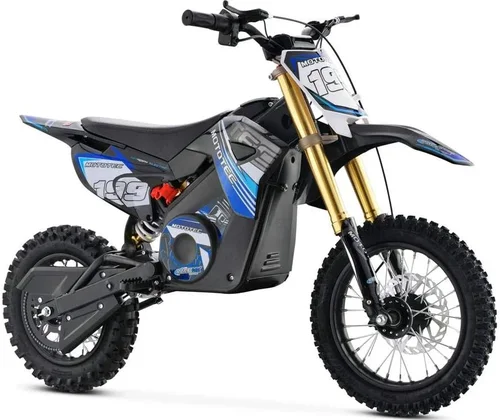
❌ Mistake: Ignoring Weight Limits
Why it’s bad: Every electric dirt bike has a maximum rider weight limit—typically between 150 and 300 pounds. Exceeding this limit can damage the motor, battery, or frame, and increases the risk of accidents. A bike that’s too small or weak for your weight will underperform and wear out faster.
What to do instead: Always check the manufacturer’s weight rating before buying. If you’re near the limit, consider a model with a higher capacity. For heavier riders, look for bikes with reinforced frames and high-torque motors.
❌ Mistake: Overlooking Battery Life
Why it’s bad: A bike with a short range can leave you stranded mid-ride. Many buyers focus on speed and power but forget to check how long the battery lasts. A 30-minute ride time isn’t enough for serious trail exploration.
What to do instead: Look for bikes with at least 20–30 miles of range for adult models. Check real-world user reports—manufacturer claims are often optimistic. Consider models with swappable batteries for extended adventures.
❌ Mistake: Buying Based on Price Alone
Why it’s bad: The cheapest bike isn’t always the best value. Low-cost models often use inferior components, have poor build quality, and lack warranty support. You may end up spending more on repairs or replacements.
What to do instead: Balance price with features, brand reputation, and long-term costs. A mid-range bike with a solid warranty and good reviews often offers better value than a bargain model.
❌ Mistake: Skipping Safety Features
Why it’s bad: Electric dirt bikes can reach high speeds quickly. Without proper safety features like disc brakes, kill switches, or throttle limiters, riders—especially kids—are at greater risk of injury.
What to do instead: Prioritize safety. Choose bikes with reliable braking systems, protective gear compatibility, and adjustable power modes. Always wear a helmet and protective clothing.
❌ Mistake: Not Checking Local Laws
Why it’s bad: Some electric dirt bikes are not street-legal. Riding an unregistered bike on public roads can result in fines or confiscation. Even off-road use may be restricted in certain areas.
What to do instead: Research your local regulations. If you plan to ride on roads, choose a model with lights, mirrors, and a VIN number. Check with your DMV or transportation authority for requirements.
❌ Mistake: Ignoring Assembly Requirements
Why it’s bad: Many electric dirt bikes arrive partially assembled. If you’re not mechanically inclined, improper assembly can lead to safety hazards or performance issues.
What to do instead: Check the assembly process before buying. Some sellers offer professional assembly for an extra fee. Watch tutorial videos or consult a mechanic if needed.
❌ Mistake: Forgetting About Maintenance
Why it’s bad: Even electric bikes need maintenance—chain lubrication, tire pressure checks, brake adjustments, and battery care. Neglecting these can shorten the bike’s lifespan.
What to do instead: Learn basic maintenance tasks or find a local service center. Choose bikes with accessible components and clear maintenance guides.
Budget Guidelines: How Much Should You Spend?
Entry-Level ($300 – $1,000): This tier is ideal for kids, beginners, or casual riders. Bikes in this range typically have 500W–1,500W motors, top speeds of 15–25 mph, and ranges of 10–20 miles. Build quality is decent but not rugged—expect plastic components and basic suspension. Brands like Razor and MotoTec dominate this space. Great for backyard fun or light trail use, but not suitable for serious off-roading.
Mid-Range ($1,200 – $3,500): This is the sweet spot for most buyers. These bikes offer 2,000W–5,000W motors, speeds up to 40 mph, and ranges of 20–40 miles. They feature aluminum frames, hydraulic disc brakes, and adjustable suspension. Models from Segway, Sur Ron, and Kandi are popular here. Perfect for teens and adults who want reliable performance without breaking the bank.
Premium ($3,500 – $6,000): Designed for enthusiasts and advanced riders, these bikes deliver race-level performance. Expect 6,000W–10,000W motors, speeds over 50 mph, and advanced features like app connectivity, regenerative braking, and swappable batteries. Brands like Sur Ron Light Bee X and KTM Freeride E-XC lead this category. Ideal for competitive riding or demanding terrain.
Luxury ($6,000+): These are the top-tier machines, often used by professionals or serious collectors. They feature cutting-edge technology, carbon fiber components, and custom tuning options. While impressive, they’re overkill for most recreational riders. Only consider if you’re deeply invested in the sport or need maximum performance.
Expert Tips for Getting the Best Deal
- Shop During Sales Events: Amazon Prime Day, Black Friday, and holiday sales often feature significant discounts on electric dirt bikes. Sign up for deal alerts to stay informed.
- Compare Sellers: Not all Amazon sellers are equal. Check ratings, return policies, and whether they’re authorized dealers. Avoid third-party sellers with no history.
- Look for Bundles: Some listings include helmets, gloves, or spare batteries at a discounted rate. These can save you money compared to buying separately.
- Check Return Policies: Ensure the bike can be returned within 30 days if it doesn’t meet expectations. Some sellers charge restocking fees—read the fine print.
- Test Before Committing: If possible, visit a local dealer to test ride similar models. This helps you assess comfort, handling, and power delivery.
- Negotiate with Sellers: On Amazon, you can sometimes message sellers to ask for a discount, especially on higher-priced items. It doesn’t always work, but it’s worth a try.
- Consider Refurbished Models: Certified refurbished bikes from reputable brands can offer big savings with full warranties. Just ensure they’re inspected and tested.
- Read the Manual: Before your first ride, study the user manual. Proper setup and break-in procedures can extend the bike’s life and improve performance.

Frequently Asked Questions
Q: Are electric dirt bikes street legal?
A: It depends on the model and local laws. Some electric dirt bikes are designed for off-road use only and lack lights, mirrors, or turn signals. Others are street-legal and can be registered. Check your state or country’s regulations and look for bikes with DOT-approved components if you plan to ride on roads.
Q: How long do electric dirt bike batteries last?
A: Most lithium-ion batteries last 3–5 years or 500–1,000 charge cycles. Proper care—like avoiding full discharges and storing at 50% charge—can extend lifespan. Replacement batteries typically cost $300–$800.
Q: Can I ride an electric dirt bike in the rain?
A: Many models are water-resistant but not fully waterproof. Avoid submerging the bike or riding in heavy downpours. Check the IP rating—IP65 or higher offers better protection against water and dust.
Q: Do electric dirt bikes require a license?
A: For off-road use, usually not. But if the bike is street-legal and used on public roads, a motorcycle license may be required. Check local laws.
Q: How fast do electric dirt bikes go?
A: Speeds range from 15 mph for youth models to over 60 mph for high-performance bikes. Most adult recreational models top out between 30 and 45 mph.
Q: Are electric dirt bikes quiet?
A: Yes—much quieter than gas bikes. They produce a low hum rather than a loud engine roar, making them ideal for noise-sensitive areas.
Q: Can kids ride electric dirt bikes?
A: Absolutely. Many brands offer youth-specific models with lower power, adjustable speed limits, and safety features. Always supervise young riders and ensure proper protective gear.
Q: How do I maintain an electric dirt bike?
A: Regular maintenance includes cleaning the chain, checking tire pressure, inspecting brakes, and keeping the battery charged. Avoid overcharging and store in a dry, cool place.
Q: What’s the difference between hub motor and mid-drive motor?
A: Hub motors are built into the wheel and are simpler and cheaper. Mid-drive motors are mounted near the pedals (or crank) and offer better weight distribution and efficiency. Most electric dirt bikes use hub motors for simplicity and durability.
Q: Can I upgrade my electric dirt bike?
A: Some components like batteries, tires, and suspension can be upgraded. However, major modifications may void the warranty. Check with the manufacturer before making changes.
Our Final Recommendations
Best for Budget-Conscious Buyers: Razor MX650 Dirt Rocket – At under $600, this bike offers solid performance for teens and beginners, with a 650W motor, 17 mph top speed, and durable steel frame. Great value for casual trail use.
Best Overall Value: Segway X260 – Priced around $2,500, this bike delivers 4,000W of power, 40 mph speed, and 35-mile range. It features app connectivity, hydraulic brakes, and a lightweight aluminum frame—ideal for serious recreational riders.
Best Premium Option: Sur Ron Light Bee X – At $4,500, this is a top-tier machine with a 6,000W motor, 50+ mph speed, and race-ready suspension. Used by professionals, it’s perfect for advanced riders seeking maximum performance.
Best for Beginners: MotoTec MT-X5 – A $1,200 entry-level adult bike with adjustable power modes, 25 mph speed, and a low center of gravity. Safe, easy to ride, and built to last.
Best for Advanced Users: KTM Freeride E-XC – A $6,000+ electric motocross bike with cutting-edge technology, 50 mph speed, and championship-level handling. For riders who demand the best.
Conclusion: Making the Right Choice
Choosing the best electric dirt bike in 2026 doesn’t have to be overwhelming. By focusing on your budget, performance needs, and intended use, you can narrow down the options and find a bike that delivers excitement, reliability, and long-term value. Remember to prioritize safety, build quality, and brand reputation—don’t let a low price lure you into a poor investment. Take advantage of user reviews, expert tips, and seasonal deals to get the most for your money.
Whether you’re buying for yourself or as a gift, the right electric dirt bike can open up a world of adventure. From quiet trail explorations to high-speed motocross thrills, these machines offer something for everyone. Use this guide as your roadmap, and ride with confidence knowing you’ve made an informed decision. Happy trails!