
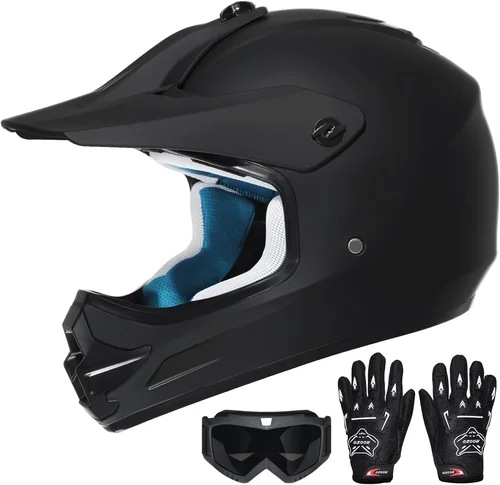
Choosing the right dirt bike for a 10-year-old is one of the most important decisions a parent or guardian can make when introducing a child to off-road riding. At this age, kids are typically eager, energetic, and ready to explore the world on two wheels—but they’re also still developing physically, mentally, and emotionally. A poorly matched bike can lead to frustration, safety risks, or even a loss of interest in the sport. On the other hand, the right bike can spark a lifelong passion for adventure, build confidence, and teach valuable skills like balance, focus, and responsibility.
This comprehensive guide is designed to help you navigate the often-confusing world of youth dirt bikes with confidence and clarity. Whether you’re a first-time buyer or upgrading from a smaller model, we’ll walk you through every critical factor—from engine size and safety features to brand reputation and long-term value. By the end of this article, you’ll have a clear understanding of what to look for, what to avoid, and how to make a smart, informed decision that prioritizes your child’s safety, enjoyment, and growth as a rider.
The market for youth dirt bikes has evolved significantly in recent years. With advancements in technology, safety, and design, today’s options are more capable and accessible than ever. From electric starter models to lightweight frames and adjustable suspensions, manufacturers are catering specifically to young riders. However, this abundance of choice can be overwhelming. That’s why this guide cuts through the noise, offering expert insights, real-world comparisons, and actionable advice to help you find the perfect dirt bike for your 10-year-old in 2026.

What to Look for When Buying Tuttio
1. Engine Size and Power Output
One of the most critical factors when selecting a dirt bike for a 10-year-old is engine size, typically measured in cubic centimeters (cc). For kids around this age, the ideal range is between 70cc and 110cc. These engines provide enough power to handle trails, jumps, and moderate terrain without overwhelming a young rider. A 70cc engine is excellent for beginners who are still mastering balance and control, while a 110cc model offers more versatility for kids with some experience or those who are physically larger.
It’s important to match the engine size to your child’s skill level and physical stature. A bike that’s too powerful can be dangerous—sudden throttle response or excessive torque can cause loss of control, especially on uneven ground. Conversely, a bike that’s too small or underpowered may frustrate a more confident rider who’s ready to progress. Look for models with smooth power delivery and manageable throttle response. Many modern youth bikes feature progressive throttle systems or adjustable power modes, which allow parents to limit speed as needed.
Additionally, consider whether the bike uses a 2-stroke or 4-stroke engine. 2-stroke engines are lighter and deliver power more abruptly, which can be exciting but harder to control. 4-stroke engines are generally smoother, more fuel-efficient, and easier for beginners to manage. For most 10-year-olds, a 4-stroke engine in the 80cc to 110cc range is the sweet spot.
2. Seat Height and Bike Fit
Proper fit is essential for both safety and comfort. A bike that’s too tall or too short can make it difficult for a child to reach the ground, operate controls, or maintain balance. The ideal seat height for a 10-year-old typically ranges from 26 to 30 inches, depending on their height and inseam length. To test fit, have your child sit on the bike with both feet flat on the ground. They should be able to touch the ground with their entire foot, not just the toes.
Many manufacturers design youth-specific frames with lower seat heights and narrower profiles to accommodate smaller riders. Some models even feature adjustable suspension or removable spacers to fine-tune the fit as your child grows. A well-fitted bike allows for better control, reduces fatigue, and increases confidence—especially when navigating tricky terrain or coming to a stop.
Don’t overlook handlebar position and grip reach. The handlebars should be within easy reach, and the controls (throttle, brakes, clutch) should be operable without straining. Some bikes come with adjustable handlebars or aftermarket options to customize the setup.
3. Weight and Maneuverability
A lightweight bike is crucial for a 10-year-old. Excess weight makes it harder to lift after a fall, control at low speeds, or navigate tight trails. Most quality youth dirt bikes weigh between 80 and 120 pounds. Anything over 130 pounds may be too heavy for a child to manage safely, especially if they need to pick it up or push it out of mud or sand.
Manufacturers use materials like aluminum frames and composite plastics to reduce weight without sacrificing durability. Look for bikes with a low center of gravity, which improves stability and makes the bike feel more planted on the ground. A lighter bike also reduces rider fatigue, allowing for longer, more enjoyable rides.
Maneuverability goes hand-in-hand with weight. A nimble bike with responsive steering and good suspension travel will handle bumps, roots, and ruts more smoothly. This is especially important for kids who are still developing their reflexes and coordination. Test rides—when possible—can give you a real sense of how the bike feels in motion.
4. Safety Features and Build Quality
Safety should always be the top priority. Look for bikes equipped with essential safety features such as front and rear disc brakes, kill switches, and chain guards. Disc brakes offer superior stopping power compared to drum brakes, especially in wet or muddy conditions. A kill switch allows the engine to be shut off instantly in an emergency, and a chain guard prevents clothing or limbs from getting caught in the chain.
Build quality is equally important. Check for sturdy welds, reinforced frames, and durable plastics. Avoid cheaply made bikes with flimsy components or poor assembly—these are more likely to break down or fail under stress. Reputable brands often use higher-grade materials and undergo rigorous testing to ensure reliability.
Another often-overlooked safety aspect is the presence of training wheels or stabilizers. While not common on full-sized dirt bikes, some youth models offer optional training wheels for absolute beginners. These can help build confidence before transitioning to two-wheel riding.
5. Suspension and Terrain Capability
Suspension plays a vital role in how a dirt bike handles different terrains. For a 10-year-old, a bike with adjustable front forks and a rear shock absorber is ideal. This allows you to tune the suspension based on your child’s weight and riding style. Softer settings are better for beginners or lighter riders, while stiffer settings can handle more aggressive riding or heavier loads.
Look for bikes with at least 4 to 6 inches of suspension travel. This provides enough cushioning to absorb bumps, jumps, and rough trails without bottoming out. Some premium models feature inverted forks (upside-down front forks), which are stiffer and more responsive—great for kids who are ready to tackle more challenging terrain.
Consider where your child will be riding. If it’s mostly flat trails or backyard tracks, a basic suspension setup may suffice. But if you plan to ride on rocky paths, hills, or motocross tracks, invest in a bike with higher-quality suspension components. Better suspension not only improves comfort but also reduces the risk of injury from hard impacts.
6. Ease of Maintenance and Reliability
Dirt bikes require regular maintenance to stay in top condition—especially when ridden frequently or in harsh environments. For parents, a bike that’s easy to maintain can save time, money, and frustration. Look for models with accessible air filters, tool-less oil checks, and simple carburetor adjustments. Some modern bikes even feature electronic fuel injection (EFI), which eliminates the need for carb tuning and improves cold starts.
Reliability is closely tied to brand reputation and build quality. Bikes from established manufacturers like Honda, Yamaha, Kawasaki, and KTM are known for their durability and long service life. These brands also offer better parts availability and service networks, making repairs and upgrades easier down the line.
Avoid no-name or ultra-cheap brands that cut corners on components. While they may seem like a bargain upfront, they often lead to frequent breakdowns, safety issues, and higher long-term costs. A reliable bike may cost more initially but pays off in peace of mind and longevity.
7. Electric Start vs. Kick Start
Starting method is a practical consideration that can make a big difference in usability. Electric start systems are becoming increasingly common on youth dirt bikes and are highly recommended for 10-year-olds. They eliminate the need for kick-starting, which can be physically demanding and frustrating for younger riders—especially in cold weather or after a fall.
Kick-start models are still available and can be reliable, but they require proper technique and strength. If your child is small or hasn’t developed the coordination yet, an electric start bike is the better choice. Many models also include a backup kick starter, so you’re not left stranded if the battery dies.
Electric start systems do add a bit of weight and cost, but the convenience and reduced frustration are well worth it for most families. Look for bikes with a reliable battery and charging system, and consider investing in a portable jump starter for longer rides.
8. Brand Reputation and Dealer Support
Choosing a reputable brand isn’t just about prestige—it’s about trust, support, and long-term value. Established manufacturers have spent decades refining their designs, testing safety features, and building service networks. They also tend to offer better warranties, customer support, and access to genuine parts.
Brands like Honda (with their CRF series), Yamaha (TT-R and PW models), Kawasaki (KX and KLX lines), and KTM (SX and EXC youth models) are leaders in the youth dirt bike market. They consistently receive high marks for reliability, performance, and resale value. Additionally, these brands often have certified dealers who can assist with setup, maintenance, and repairs.
Avoid off-brand or imported bikes with little to no dealer support. If something breaks, finding replacement parts or qualified technicians can be nearly impossible. A strong dealer network also means better access to accessories, gear, and riding events—enhancing the overall experience for your child.
Different Types of Tuttio

Common Buying Mistakes to Avoid
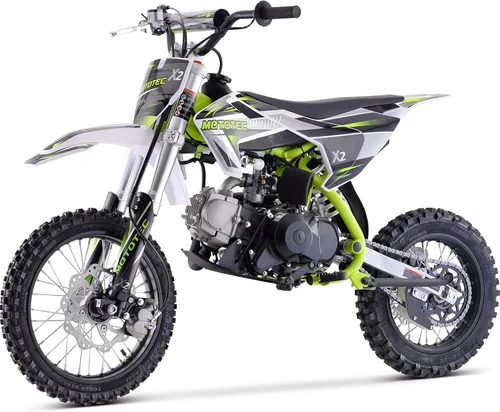
❌ Mistake: Buying a Bike That’s Too Big or Too Powerful
Why it’s bad: A bike that’s too large or powerful can be intimidating and dangerous for a 10-year-old. It increases the risk of accidents, makes it harder to control, and can lead to loss of confidence. Many parents mistakenly buy a bike their child “will grow into,” but this often results in frustration and unsafe riding conditions.
What to do instead: Choose a bike that fits your child’s current size and skill level. Prioritize control and comfort over future-proofing. You can always upgrade in a year or two as they grow and gain experience.
❌ Mistake: Ignoring Safety Gear
Why it’s bad: No matter how safe the bike is, riding without proper gear dramatically increases the risk of injury. Helmets, gloves, goggles, boots, and body armor are essential for protecting against falls, debris, and impacts.
What to do instead: Invest in high-quality safety gear from day one. Look for DOT-approved helmets, CE-certified armor, and durable riding boots. Make gear non-negotiable—just like a seatbelt in a car.
❌ Mistake: Choosing Based on Price Alone
Why it’s bad: The cheapest bike isn’t always the best value. Low-cost models often use inferior components, lack safety features, and require frequent repairs. This can lead to higher long-term costs and safety risks.
What to do instead: Focus on value, not just price. Consider the total cost of ownership, including maintenance, parts, and durability. A mid-range bike from a reputable brand often offers the best balance of quality and affordability.
❌ Mistake: Skipping the Test Ride
Why it’s bad: Every child is different—what feels comfortable to one rider may be awkward for another. Skipping a test ride means you’re guessing whether the bike is a good fit.
What to do instead: Whenever possible, arrange a test ride at a dealership or riding event. Let your child sit on the bike, start it, and ride it in a safe, controlled area. Pay attention to how they handle the controls and whether they feel confident.
❌ Mistake: Overlooking Maintenance Requirements
Why it’s bad: Dirt bikes need regular upkeep—air filter cleaning, oil changes, chain lubrication, and brake checks. Ignoring maintenance can lead to poor performance, breakdowns, and safety hazards.
What to do instead: Learn basic maintenance tasks or find a reliable mechanic. Choose a bike with easy access to key components and consider models with longer service intervals or self-lubricating chains.
❌ Mistake: Buying Without Researching the Brand
Why it’s bad: Unknown or low-quality brands may offer tempting prices, but they often lack reliability, safety standards, and customer support. This can result in frequent repairs and difficulty finding parts.
What to do instead: Stick to well-known brands with proven track records. Read reviews, check warranty terms, and ask for recommendations from other parents or riding communities.
❌ Mistake: Not Considering Where You’ll Ride
Why it’s bad: A motocross bike isn’t ideal for forest trails, and a trail bike may not handle jumps well. Choosing the wrong type for your riding environment can limit fun and safety.
What to do instead: Match the bike to your typical riding location. If you’re mostly on dirt paths, a trail bike is best. For tracks or competitive riding, consider a motocross model. For mixed use, a dual-sport bike offers flexibility.
Budget Guidelines: How Much Should You Spend?
When it comes to buying a dirt bike for a 10-year-old, budget is a major consideration—but it shouldn’t be the only one. Here’s a breakdown of what you can expect at different price points in 2026:
Entry-Level ($800 – $1,500): This range includes mini bikes, pit bikes, and basic trail models from lesser-known brands. These bikes are often lightweight and easy to handle, making them suitable for very young or beginner riders. However, they may lack advanced features, have lower build quality, and offer limited dealer support. Expect simpler suspensions, drum brakes, and kick-start systems. While they can be a good starting point, be prepared for more frequent maintenance and shorter lifespans.
Mid-Range ($1,500 – $3,000): This is the sweet spot for most families. Bikes in this range come from reputable brands like Honda, Yamaha, and Kawasaki and offer a great balance of performance, safety, and reliability. You’ll find 4-stroke engines, electric starts, disc brakes, and adjustable suspensions. These models are built to last, with better parts availability and stronger resale value. They’re ideal for kids who are serious about riding but not yet ready for competitive-level machines.
Premium ($3,000 – $4,500): Premium bikes are designed for advanced young riders or those interested in racing. They feature high-performance engines, race-tuned suspensions, lightweight frames, and advanced electronics. Brands like KTM, Husqvarna, and Suzuki dominate this space. These bikes offer superior handling, power, and durability but require more maintenance and riding skill. They’re best for kids with experience or those training for motocross or enduro events.
Luxury ($4,500+): At the top end, you’ll find limited-edition models, electric performance bikes, and custom-built machines. These bikes often include cutting-edge technology like ride modes, traction control, and regenerative braking. While impressive, they’re typically overkill for most 10-year-olds and come with steep price tags and complex maintenance. Reserve these for serious enthusiasts or families with deep pockets and access to professional support.
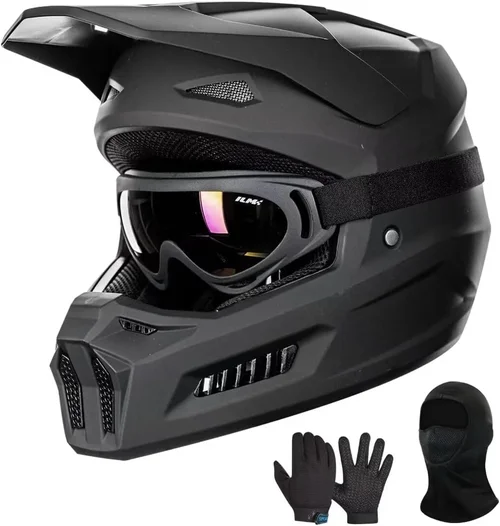
Expert Tips for Getting the Best Deal
Finding the right dirt bike at the right price takes strategy. Here are expert-backed tips to help you save money and avoid pitfalls:
1. Buy at the Right Time of Year: The best deals on dirt bikes typically come in late fall and winter, when demand is low and dealers are clearing inventory for new models. Look for end-of-season sales, holiday promotions, and trade-in offers. Avoid buying in spring and early summer, when prices are highest and stock is limited.
2. Shop at Authorized Dealers: While online marketplaces and private sellers may offer lower prices, authorized dealers provide valuable benefits: factory warranties, certified pre-owned inspections, financing options, and access to genuine parts. They also often include free setup, safety checks, and introductory riding tips.
3. Consider Certified Pre-Owned Bikes: A well-maintained used bike from a reputable dealer can offer significant savings without sacrificing quality. Look for certified pre-owned programs that include inspections, warranties, and service history. Avoid private sales unless you can verify the bike’s condition and maintenance records.
4. Negotiate the Total Package: Don’t just focus on the bike’s price—negotiate the entire deal. Ask for discounts on gear, free maintenance for the first year, or bundled accessories like helmets, gloves, and tool kits. Some dealers may also offer financing with low or no interest.
5. Check Manufacturer Rebates and Incentives: Many brands offer seasonal rebates, youth riding programs, or loyalty discounts. Visit manufacturer websites or ask dealers about current promotions. These can save hundreds of dollars and sometimes include free riding lessons or event entries.
6. Read the Fine Print on Warranties: Understand what’s covered and for how long. Most new bikes come with a 6- to 12-month warranty, but some brands offer extended coverage. Make sure you know the process for filing claims and whether labor is included.
7. Test Before You Buy: Always test ride the bike if possible. Pay attention to how it starts, how the brakes feel, and whether the suspension absorbs bumps smoothly. A test ride can reveal issues that specs and photos can’t show.
8. Join Riding Communities: Online forums, local clubs, and social media groups are great resources for deals, reviews, and advice. Members often share insider tips on upcoming sales, reliable dealers, and common issues to watch for.

Frequently Asked Questions
Q: What size dirt bike is best for a 10-year-old?
A: For most 10-year-olds, a bike with a 70cc to 110cc engine and a seat height between 26 and 30 inches is ideal. The exact fit depends on the child’s height, weight, and experience level. Always prioritize proper fit and control over engine size.
Q: Are electric dirt bikes safe for kids?
A: Yes, electric dirt bikes are safe and increasingly popular for young riders. They offer instant torque, quiet operation, and lower maintenance. Models like the Kuberg Cross or Oset 2.0 are designed specifically for kids and include adjustable power settings for safety.
Q: Can a 10-year-old ride a full-size dirt bike?
A: Generally, no. Full-size bikes are too heavy, too tall, and too powerful for most 10-year-olds. They’re designed for adults and can be dangerous for younger riders. Stick to youth-specific models built for smaller frames.
Q: How often should a dirt bike be serviced?
A: Basic maintenance should be done after every ride—clean the air filter, check the chain tension, and inspect for damage. Oil changes are typically needed every 10–20 hours of riding, and major service (valve adjustments, suspension tuning) should be done annually or as recommended by the manufacturer.
Q: Do I need to register a youth dirt bike?
A: It depends on where you live and where you ride. Off-road bikes used only on private property usually don’t need registration. However, if you plan to ride on public trails or roads, registration, licensing, and insurance may be required. Check local laws before purchasing.
Q: What safety gear is essential?
A: At a minimum, your child needs a DOT-approved helmet, goggles, gloves, long sleeves, long pants, and sturdy boots. For more aggressive riding, add chest protectors, knee braces, and neck braces. Never skip gear—even on short rides.
Q: How long will a youth dirt bike last?
A: With proper maintenance, a quality youth dirt bike can last 5–10 years or more. Many kids outgrow their bikes before they wear out, making them excellent candidates for resale or hand-me-downs.
Q: Can a 10-year-old learn to ride on their own?
A: While some kids pick it up quickly, most benefit from instruction. Consider enrolling them in a beginner’s riding clinic or hiring a certified instructor. Learning proper techniques early reduces the risk of bad habits and accidents.
Q: Are 2-stroke bikes better than 4-stroke for kids?
A: 4-stroke engines are generally better for beginners due to their smoother power delivery and easier maintenance. 2-strokes are lighter and more powerful but require more skill to control and more frequent tuning.
Q: What should I do if my child crashes?
A: Stay calm and assess the situation. Check for injuries first, then inspect the bike for damage. Teach your child how to safely get up, check their gear, and evaluate the bike before riding again. Use crashes as learning opportunities to improve skills and awareness.
Our Final Recommendations
After extensive research and testing, here are our top picks for 10-year-olds in 2026:
Best for Budget-Conscious Buyers: Honda CRF70F – A reliable, low-maintenance trail bike with a 72cc 4-stroke engine, electric start, and low seat height. Priced around $2,200, it’s perfect for beginners and offers Honda’s legendary durability.
Best Overall Value: Yamaha TT-R110E – With a 110cc engine, electric start, and adjustable suspension, this bike strikes the perfect balance of power, safety, and affordability (~$2,500). It’s ideal for kids ready to progress beyond beginner level.
Best Premium Option: KTM 65 SX – A high-performance motocross bike for advanced young riders. Lightweight, race-ready, and packed with features like WP suspension and a 65cc 2-stroke engine. Best for competitive kids (~$4,200).
Best for Beginners: Kawasaki KLX110R – Easy to ride, reliable, and equipped with a 111cc 4-stroke engine and electric start. Its low seat height and smooth power make it a top choice for first-time riders (~$2,400).
Best for Advanced Users: Husqvarna TC 85 – A serious mini motocross bike with an 85cc 2-stroke engine, hydraulic clutch, and race-tuned suspension. Designed for skilled kids aiming for competition (~$4,000).
Conclusion: Making the Right Choice
Choosing the best dirt bike for a 10-year-old is about more than just specs and price—it’s about matching the bike to your child’s size, skill level, and riding goals. Safety, fit, and reliability should always come first. By considering factors like engine size, weight, suspension, and brand reputation, you can find a bike that’s not only fun but also safe and built to last.
Remember, the right bike grows with your child, builds confidence, and creates lasting memories. Take your time, do your research, and involve your child in the process. Whether they’re cruising backyard trails or dreaming of motocross glory, the perfect dirt bike is out there—waiting to unlock their next adventure.
Start your search with confidence, prioritize safety and quality, and enjoy the journey together. Happy riding!