
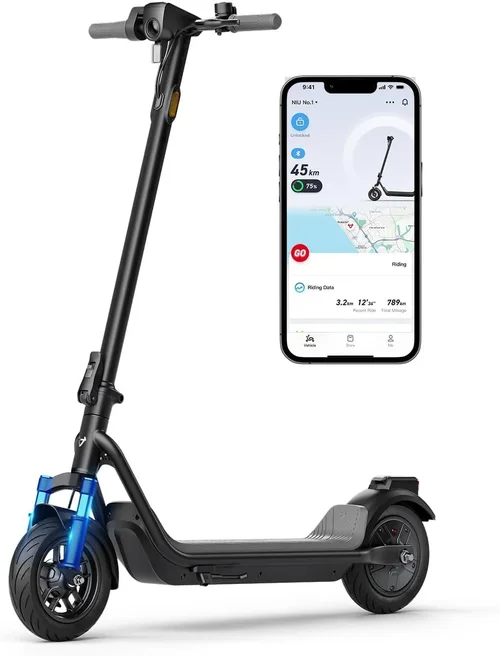
The 49cc scooter market has evolved dramatically over the past decade, transforming from a niche category of basic commuter vehicles into a sophisticated segment offering impressive performance, modern technology, and surprisingly refined riding experiences—all within a compact, fuel-efficient package. Whether you’re a college student navigating campus, a city dweller looking to dodge traffic congestion, or someone seeking an eco-friendly alternative for short-distance travel, a 49cc scooter can be an ideal solution. But with dozens of models flooding the market—from budget imports to name-brand machines backed by solid warranties—choosing the right one can feel overwhelming. That’s exactly why this comprehensive buying guide exists: to cut through the noise, clarify your options, and help you make a confident, informed decision that matches your lifestyle, budget, and expectations.
In this expert-level guide, you’ll learn everything you need to know before handing over your hard-earned cash. We’ll break down the critical factors that separate a reliable daily rider from a disposable lemon, compare different types of 49cc scooters based on real-world use cases, highlight common pitfalls that trip up first-time buyers, and offer actionable tips to get the best value. You’ll also find detailed budget breakdowns, honest brand assessments, and our top recommendations across multiple categories—so whether you’re spending $800 or $2,500, you’ll know exactly what to prioritize. By the end, you won’t just have a list of scooters—you’ll have a personalized strategy for choosing the perfect 49cc companion for your needs.

What to Look for When Buying a 49cc Scooter
1. Budget & Price Range
Your budget is the single most important starting point when shopping for a 49cc scooter. Prices can vary wildly—from under $700 for no-name Chinese imports to over $2,500 for premium models from established brands like Honda, Yamaha, or Vespa. While it’s tempting to go for the cheapest option, remember that scooters are mechanical devices subject to wear and tear. A poorly built unit may save you $300 upfront but could cost you twice as much in repairs, part replacements, or even safety risks down the road.
Set a realistic budget that includes not just the purchase price but also essential add-ons like a high-quality lock, helmet, insurance (if required in your state), and potential maintenance costs. For most riders, spending between $1,200 and $1,800 strikes a sweet spot: you get decent build quality, reliable engines, and access to service networks without overpaying for features you may never use. Always ask yourself: “What am I getting for my money?” If the answer is vague specs and blurry photos, walk away.
2. Performance Specifications
At first glance, all 49cc scooters seem similar—they’re limited by law to 30 mph (sometimes slightly less) and use small-displacement engines. But performance isn’t just about top speed; it’s also about acceleration, hill-climbing ability, engine smoothness, and fuel efficiency. Look for models with four-stroke engines (more efficient and cleaner than two-strokes) and electronic fuel injection (EFI), which offers better throttle response and cold starts compared to carbureted engines.
Check the horsepower rating—most 49cc scooters produce between 2.5 and 4 HP—and torque output, which affects how well the scooter handles inclines. A scooter that struggles on a 5% grade might be fine on flat city streets but become a liability in hilly areas. Also consider fuel economy: top-tier models can achieve 100+ mpg, saving you hundreds in gas over a year. Don’t overlook transmission type—automatic CVT (continuously variable transmission) is standard and user-friendly, ideal for beginners.
3. Build Quality & Durability
A scooter’s longevity hinges on its construction. Cheap scooters often use thin-gauge steel frames, flimsy plastic body panels, and subpar suspension components that crack or bend under stress. In contrast, reputable brands invest in robust chassis designs, corrosion-resistant finishes, and weatherproof electrical systems. Inspect welds, panel gaps, and fastener quality if possible—even online, look for high-resolution images showing these details.
Pay attention to suspension setup: front telescopic forks and rear swingarm shocks should feel firm yet compliant. Weak suspension leads to poor handling and premature tire wear. Similarly, brake quality matters—disc brakes (front or rear) offer superior stopping power compared to drum-only setups, especially in wet conditions. Finally, check the wheel size: 10-inch wheels are common and provide a smoother ride than smaller 8-inch ones, which can feel jittery on rough pavement.
4. Features & Functionality
Modern 49cc scooters pack surprising tech. Beyond basic instrumentation, look for features like LED lighting (brighter and more energy-efficient), USB charging ports, under-seat storage (aim for at least 15–20 liters), digital dash displays, and even smartphone connectivity on higher-end models. While these aren’t deal-breakers, they significantly enhance daily usability.
Storage is particularly important—if you plan to carry groceries, a backpack, or a laptop, ensure the under-seat compartment is spacious and accessible. Some scooters include a rear rack or front glove box, adding versatility. Lighting matters too: daytime running lights and brake-activated tail lights improve visibility and safety. Avoid models with overly complex electronics if you’re not tech-savvy—they can be costly to repair if they fail.
5. Brand Reputation & Dealer Network
Not all scooter brands are created equal. Established manufacturers like Honda (Metropolitan, Ruckus), Yamaha (Vino, Zuma 50F), Kymco (Super 8, People S 50), and Piaggio (Typhoon) have decades of engineering experience, rigorous quality control, and widespread dealer support. Buying from such brands means easier access to parts, certified technicians, and reliable customer service.
In contrast, many budget scooters come from lesser-known Chinese manufacturers with inconsistent quality and little to no U.S.-based support. If something breaks, you might wait weeks for a replacement part—or worse, find none at all. Research online forums (like Scooter.net or Reddit’s r/scooters) to see real owner experiences. A brand with a loyal following and positive long-term reviews is usually a safer bet than one with flashy ads but no track record.
6. Warranty & Support
A solid warranty is your safety net against manufacturing defects and premature failures. Most reputable brands offer at least a 12-month limited warranty covering engine, transmission, and frame. Some, like Honda and Yamaha, extend coverage to 24 months. Read the fine print: does it cover labor? Are consumables like belts and tires excluded? Is there a mileage limit?
Equally important is post-purchase support. Can you easily schedule service? Are manuals and parts diagrams available online? If you buy online, confirm whether the seller provides warranty registration and claims processing—or if you’ll need to ship the scooter back to China at your own expense. A good warranty isn’t just about coverage—it’s about peace of mind.
7. Size, Weight & Portability
Though all 49cc scooters are relatively compact, dimensions vary. Consider your parking situation: will it fit in your apartment hallway, bike locker, or car trunk? Dry weight typically ranges from 130 to 180 pounds—lighter models are easier to maneuver and lift, especially for smaller riders or those with mobility concerns.
Seat height is another factor: most 49cc scooters sit between 28 and 32 inches high. Taller riders may find lower seats cramped, while shorter riders might struggle to flat-foot at stops. Test rides (if available) are invaluable here. Also, check foldable handlebars or center stands—these can make storage and transport more convenient in tight spaces.
8. User Reviews & Real-World Feedback
Spec sheets tell part of the story; real owners tell the rest. Scour review sites, YouTube walkthroughs, and owner forums for consistent themes. Are multiple users reporting the same electrical gremlins? Does the battery die in cold weather? Is the seat uncomfortable after 30 minutes? These nuances rarely appear in marketing materials but can make or break your experience.
Pay special attention to long-term reviews (6+ months of ownership). A scooter that runs perfectly for the first month might develop issues later due to poor materials or design flaws. Look for patterns—not isolated complaints. And be wary of fake reviews: overly glowing, generic praise with no specifics is often a red flag.
Different Types of 49cc Scooters

Common Buying Mistakes to Avoid
❌ Mistake: Prioritizing Price Over Quality
Why it’s bad: The cheapest scooters often use inferior components that fail quickly—think brittle plastics, weak suspensions, and engines that overheat or seize. You’ll spend more on repairs than you saved initially, and you risk being stranded.
What to do instead: Allocate at least $1,200 for a reliable model. Treat the purchase as a long-term investment. A $1,500 scooter that lasts 5 years costs less per mile than a $800 one that dies in 18 months.
❌ Mistake: Ignoring Local Laws & Registration Requirements
Why it’s bad: In many states, 49cc scooters are classified as “motor-driven cycles” and require registration, insurance, and a driver’s license. Riding an unregistered scooter can result in fines or impoundment.
What to do instead: Check your state’s DMV website before buying. Some states exempt 49cc scooters from registration if they don’t exceed 30 mph—but verify this. Also, ensure the scooter meets EPA and DOT standards for legal road use.
❌ Mistake: Skipping the Test Ride
Why it’s bad: A scooter might look great online but feel unstable, too tall, or poorly balanced in person. Comfort and ergonomics are subjective and can’t be judged from specs alone.
What to do instead: Visit local dealers whenever possible. If buying online, choose retailers with generous return policies (30-day window ideal). Some brands offer demo programs—take advantage!
❌ Mistake: Overlooking Maintenance Needs
Why it’s bad: All scooters need regular upkeep: oil changes, belt replacements, tire rotations, and brake adjustments. Neglect leads to breakdowns and safety hazards.
What to do instead: Review the owner’s manual before purchasing. Choose a model with easy-access service points and widely available parts. Avoid obscure brands with proprietary components.
❌ Mistake: Buying Based Solely on Aesthetics
Why it’s bad: A scooter that looks like a mini Vespa might have the internals of a toy. Style doesn’t equal reliability.
What to do instead: Balance looks with substance. Prioritize brands known for durability, even if they’re less flashy. Function should always trump form.
❌ Mistake: Assuming All 49cc Scooters Are Equal
Why it’s bad: Engine tuning, frame rigidity, and component quality vary drastically. Two scooters with “49cc” engines can perform and last very differently.
What to do instead: Compare real-world performance data, not just displacement. Look at owner reports on acceleration, hill climbing, and longevity.
❌ Mistake: Ignoring Resale Value
Why it’s bad: Cheap scooters depreciate instantly and are hard to sell. You could lose 50% of value in the first year.
What to do instead: Stick with reputable brands. Honda and Yamaha scooters hold value far better than unknown imports, making them smarter financial choices.
Budget Guidelines: How Much Should You Spend?
Entry-Level ($700–$1,100): This tier is dominated by Chinese imports and rebranded generic models. Expect basic four-stroke engines, minimal features, and questionable build quality. While some units run fine for light use, they’re best suited for occasional riders in flat areas with low mileage needs. Storage and comfort are usually limited. Proceed with caution—read reviews meticulously.
Mid-Range ($1,200–$1,800): The sweet spot for most buyers. Here, you’ll find models from Kymco, Genuine Scooters (Buddy, Lance), and entry-level offerings from Honda and Yamaha. These scooters feature EFI engines, decent suspension, reliable brakes, and usable storage. They’re built to last 3–5 years with proper maintenance and offer the best balance of price, performance, and durability.
Premium ($1,800–$2,500): Designed for enthusiasts and daily commuters who demand refinement. Expect premium finishes, advanced electronics (digital dash, USB ports), superior suspension, and brand-name reliability. Models like the Honda Metropolitan, Yamaha Zuma 50F, and Vespa Primavera 50 fall here. These scooters often include longer warranties and better dealer support.
Luxury ($2,500+): Reserved for iconic designs and maximum comfort. Think Vespa LX 50 or Piaggio Typhoon. These aren’t just transportation—they’re lifestyle statements. You’re paying for heritage, craftsmanship, and resale value. Ideal if budget isn’t a constraint and you want a scooter that turns heads while delivering a silky-smooth ride.
Expert Tips for Getting the Best Deal
- Buy in Late Fall or Winter: Dealers often discount scooters to clear inventory before spring. You can save $200–$400 during off-season sales.
- Shop Authorized Dealers, Not Just Online Marketplaces: While Amazon or eBay may offer lower prices, authorized dealers provide warranty registration, professional assembly, and local service. They’re also more likely to honor claims.
- Negotiate Accessories: Ask for free helmets, locks, or maintenance kits. Many dealers include these to close a sale—especially on mid-tier models.
- Check for Rebates or Promotions: Brands like Honda and Yamaha occasionally offer cash rebates or low-interest financing. Sign up for dealer newsletters to stay informed.
- Inspect Before You Ride Away: Even new scooters can have shipping damage. Check for scratches, loose bolts, fluid leaks, and proper tire pressure.
- Register Immediately: Don’t delay registration—some states require it within 10 days of purchase. Delaying can lead to penalties.
- Join Owner Communities: Forums and Facebook groups often share exclusive discount codes, part sources, and maintenance hacks.
- Consider Certified Pre-Owned: Many dealers sell lightly used scooters with remaining warranty coverage at 20–30% off MSRP. These can be excellent value if inspected properly.

Frequently Asked Questions
Q: Do I need a motorcycle license to ride a 49cc scooter?
A: It depends on your state. Most states allow operation with a standard driver’s license if the scooter is under 50cc and doesn’t exceed 30 mph. However, some (like California) require a motorcycle endorsement or moped permit. Always verify local laws.
Q: How fast does a 49cc scooter go?
A: Typically 28–32 mph, though some tuned models may reach 35 mph. Speed is electronically limited to comply with regulations. Real-world speed depends on rider weight, terrain, and engine condition.
Q: Are 49cc scooters fuel-efficient?
A: Yes—most achieve 80–120 mpg. A full tank (usually 1.5–2 gallons) can last 150+ miles, making them incredibly economical for daily commutes.
Q: Can I carry a passenger on a 49cc scooter?
A: Generally no. Most 49cc scooters are designed for single riders only. The frame, suspension, and engine aren’t rated for dual occupancy. Check the owner’s manual—riding with a passenger may void your warranty or be illegal.
Q: How often do I need to service my scooter?
A: Basic maintenance every 1,000–2,000 miles: oil change, air filter check, spark plug replacement, and belt inspection. Follow the manufacturer’s schedule—neglect accelerates wear.
Q: Are 49cc scooters safe?
A: When ridden responsibly with proper gear (helmet, gloves, reflective clothing), they’re as safe as any small vehicle. However, their lightweight makes them vulnerable in collisions. Defensive riding is essential.
Q: Can I modify my 49cc scooter for more speed?
A: Technically yes—but it’s illegal in most states to exceed 30 mph on a 49cc scooter. Modifications also void warranties and may make the scooter unsafe or uninsurable.
Q: What’s the difference between EFI and carbureted engines?
A: EFI (electronic fuel injection) delivers precise fuel metering, resulting in better fuel economy, easier cold starts, and fewer tuning issues. Carbureted engines are simpler but require more frequent adjustments and perform poorly in extreme temperatures.
Q: How long do 49cc scooters last?
A: With proper care, 5,000–10,000+ miles is common. Some well-maintained models exceed 15,000 miles. Engine life depends heavily on oil changes and riding habits.
Q: Where should I store my scooter in winter?
A: Ideally in a garage or covered area. If outdoors, use a breathable cover, remove the battery, and add fuel stabilizer to prevent gumming.
Our Final Recommendations
Best for Budget-Conscious Buyers: Kymco Super 8 50X – At around $1,400, it offers EFI, a sturdy frame, and reliable performance. Great for students and casual riders who want quality without breaking the bank.
Best Overall Value: Honda Metropolitan – Priced near $1,900, it’s a legend for a reason: bulletproof engine, excellent fuel economy, and timeless styling. Backed by Honda’s legendary reliability and dealer network.
Best Premium Option: Vespa Primavera 50 – If you want Italian flair and premium materials, this is it. Around $2,500, it’s more than transportation—it’s a statement piece with surprising practicality.
Best for Beginners: Yamaha Vino 50 – Low seat height, easy handling, and forgiving power delivery make it ideal for new riders. Reliable and widely supported.
Best for Advanced Users: Genuine Scooters Buddy 50 – Combines retro charm with modern EFI and a peppy engine. Perfect for riders who want style, performance, and a bit of personality.
Conclusion: Making the Right Choice
Choosing the best 49cc scooter isn’t just about picking the shiniest model or the lowest price tag—it’s about aligning your purchase with your real-life needs, environment, and long-term goals. Whether you’re dodging traffic in downtown Chicago, cruising campus in Austin, or exploring coastal roads in Oregon, the right scooter becomes an extension of your daily life. By focusing on build quality, brand reputation, warranty coverage, and honest user feedback, you’ll avoid the pitfalls that plague so many first-time buyers.
Remember: a scooter is more than a vehicle—it’s freedom, efficiency, and often, a little bit of joy. Don’t rush the decision. Take your time, compare options, and prioritize reliability over trends. And when you finally hit the road on your new ride, you’ll do so with confidence, knowing you made a smart, informed choice. Happy scooting!