
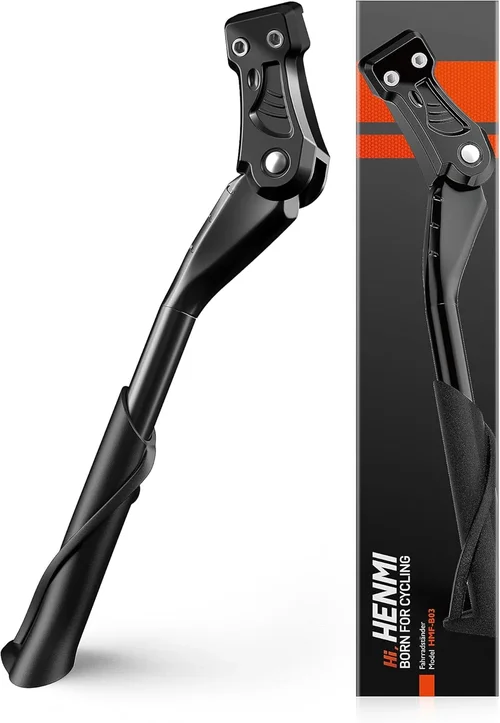
When it comes to cycling, most riders focus on the big-ticket items—frame material, gear systems, tires, and brakes. But one often-overlooked component can make or break your daily riding experience: the bike kickstand. Whether you’re commuting to work, running errands, or taking a leisurely weekend ride, a reliable kickstand ensures your bike stays upright and secure when parked. Without one, you’re left leaning your prized two-wheeler against a wall, fence, or tree—risking scratches, falls, or even theft.
This comprehensive buying guide is designed to help you navigate the often-confusing world of bike kickstands in 2026. We’ll walk you through everything you need to know—from understanding different types and materials to evaluating build quality, compatibility, and price. Whether you’re a casual rider, a daily commuter, or a serious cyclist, choosing the right kickstand can enhance convenience, protect your investment, and improve your overall biking experience. By the end of this guide, you’ll have the knowledge and confidence to select the best kickstand for your specific needs.
The market for bike kickstands has evolved significantly in recent years. Once considered a basic afterthought, modern kickstands now come in a variety of designs, materials, and functionalities. From lightweight aluminum models ideal for road bikes to heavy-duty steel stands built for cargo bikes and e-bikes, there’s a kickstand for nearly every type of bicycle and rider. With advancements in engineering and design, today’s kickstands are more durable, adjustable, and user-friendly than ever before. This guide will help you cut through the noise and find the perfect match for your bike.
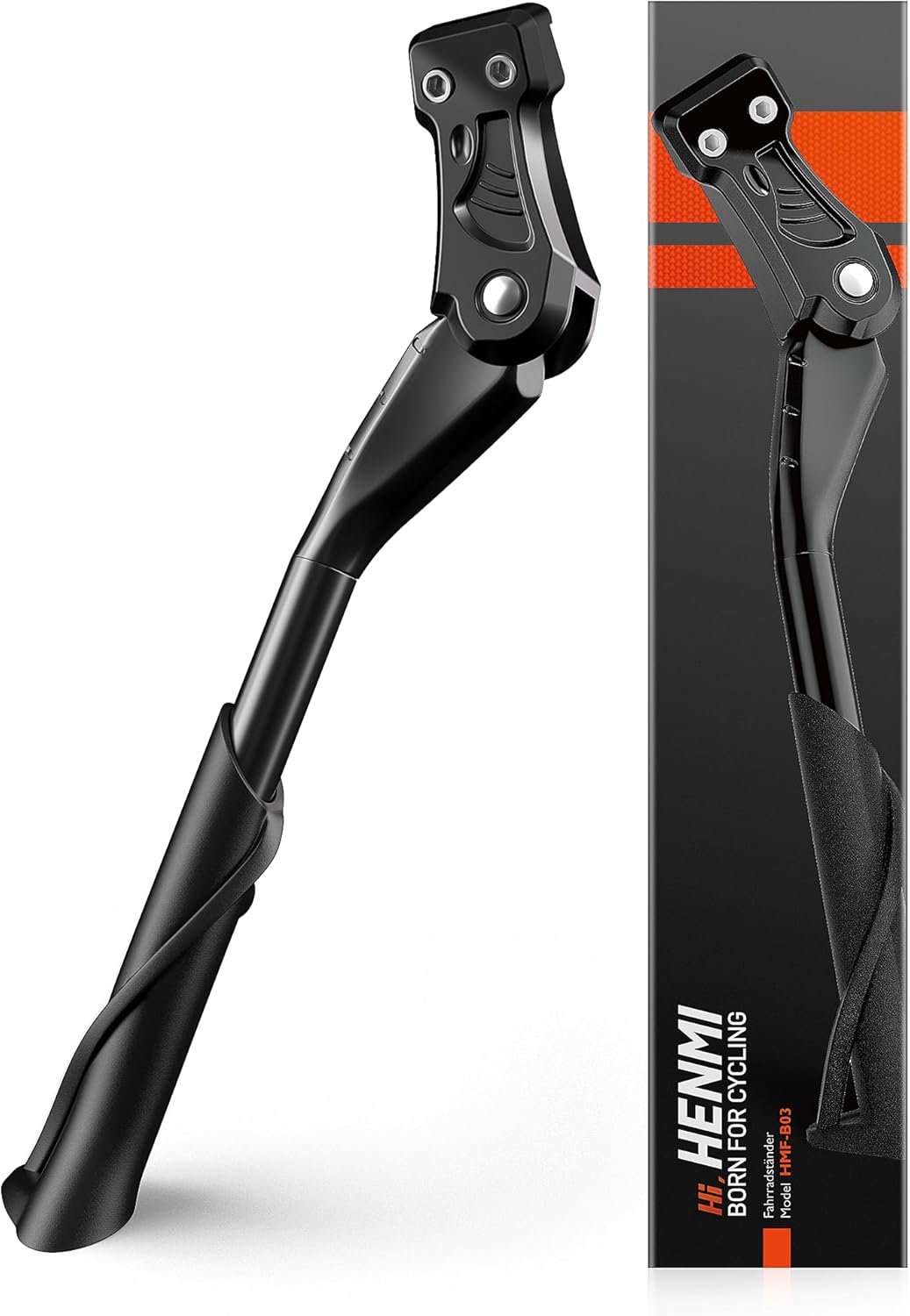
What to Look for When Buying a Bike Kickstand
1. Compatibility with Your Bike Type
Not all kickstands fit all bikes. One of the most critical factors to consider is whether the kickstand you’re eyeing is compatible with your bicycle’s frame, wheel size, and mounting points. Road bikes, mountain bikes, hybrid bikes, city bikes, and e-bikes each have unique geometries and weight distributions that affect kickstand suitability.
For example, road bikes often have minimal frame clearance and may not accommodate traditional center-mounted kickstands without interfering with pedals or derailleurs. In contrast, city and commuter bikes are typically designed with kickstand mounts near the rear dropout or chainstay, making installation easier. E-bikes and cargo bikes, which are heavier, require robust, reinforced kickstands capable of supporting 50+ pounds.
Always check your bike’s frame for pre-drilled mounting holes. If none exist, you may need a clamp-on or axle-mounted kickstand. Additionally, consider wheel size—most kickstands are designed for standard 26”, 27.5”, or 700c wheels, but some models offer adjustable leg lengths to fit smaller or larger tires.
2. Weight Capacity & Load-Bearing Ability
The weight your kickstand needs to support is directly tied to your bike’s total load—including the bike itself, rider gear, panniers, child seats, or cargo racks. Standard kickstands typically support up to 40–50 pounds, which is sufficient for most traditional bicycles. However, if you ride an e-bike, cargo bike, or frequently carry heavy loads, you’ll need a heavy-duty model rated for 60–100+ pounds.
Look for kickstands made from high-strength steel or reinforced aluminum with wide, stable feet. These materials resist bending and provide better stability on uneven surfaces. Some premium models feature dual-leg or center-stand designs that distribute weight more evenly, reducing the risk of tipping.
For example, a rider using a Trek Allant+ e-bike with a rear rack and panniers carrying groceries may need a kickstand rated for at least 80 pounds. In contrast, a lightweight road bike with minimal accessories can safely use a standard 30-pound capacity stand.
3. Material & Build Quality
The material of your kickstand directly impacts its durability, weight, and resistance to corrosion. The three most common materials are steel, aluminum, and composite alloys—each with distinct advantages and trade-offs.
Steel kickstands are the strongest and most durable, ideal for heavy bikes and rough use. They’re often powder-coated to prevent rust, making them suitable for wet or salty conditions. However, steel is heavier, which can be a drawback for performance-oriented riders.
Aluminum kickstands are lighter and resist corrosion naturally, making them popular for road and hybrid bikes. While not as strong as steel, high-grade aluminum (like 6061-T6) offers excellent strength-to-weight ratios. Some aluminum models feature reinforced joints and spring mechanisms for smoother deployment.
Composite or hybrid materials are less common but gaining traction. These often combine a metal core with polymer components to reduce weight while maintaining strength. They’re typically found in premium or specialized models.
Regardless of material, inspect the welds, hinges, and mounting hardware. Poorly welded joints or flimsy springs are red flags. A high-quality kickstand should feel solid when deployed and retract smoothly without wobbling.
4. Mounting Style & Installation Ease
Kickstands come in several mounting styles, each suited to different bike frames and user preferences. The most common types are:
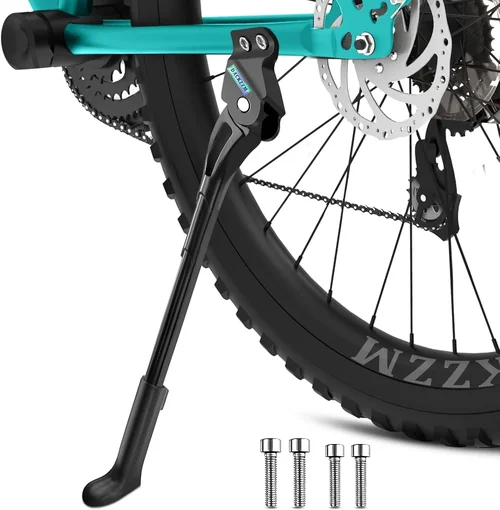
- Rear Axle Mount: Attaches directly to the rear dropout or axle. Common on city and commuter bikes. Offers strong support but may interfere with quick-release wheels.
- Chainstay or Seatstay Mount: Clamps onto the frame tubes. Ideal for bikes without dedicated kickstand mounts. Requires careful installation to avoid scratching the frame.
- Center Mount (Pivot Mount): Installs between the chainstays near the bottom bracket. Provides excellent balance but requires specific frame compatibility.
- Clamp-On or Universal Mount: Uses adjustable clamps to attach to various frame points. Versatile but may not be as secure as bolt-on models.
Installation difficulty varies. Some kickstands come with detailed instructions and all necessary hardware, while others require tools and mechanical know-how. If you’re not comfortable with bike maintenance, consider models with tool-free installation or consult a local bike shop.
Also, consider whether the kickstand interferes with other components. For instance, a rear-mounted stand might clash with a rear derailleur or disc brake caliper. Always test fit before finalizing installation.
5. Adjustability & Leg Length
Not all ground surfaces are level. A kickstand with adjustable leg length ensures your bike remains stable on slopes, curbs, or uneven pavement. Adjustable models typically feature a telescoping leg or multiple mounting holes, allowing you to fine-tune the height.
This feature is especially valuable for riders in hilly areas or those who frequently park on grass, gravel, or cobblestones. A fixed-length kickstand may cause your bike to lean excessively or tip over on inclines.
Some premium kickstands include a built-in leveling foot or rubberized tip to improve grip and prevent sinking into soft ground. These small details can make a big difference in real-world use.
When evaluating adjustability, check the range of motion. A stand that adjusts from 10” to 14” offers more versatility than one with only 11” to 12”. Also, ensure the locking mechanism is secure—slipping legs can lead to accidents.
6. Stability & Foot Design
A kickstand’s foot design plays a crucial role in preventing your bike from tipping or sliding. Look for models with wide, flat feet made from rubber or textured metal. Rubber feet provide better grip on smooth surfaces like pavement or tile, while metal feet with ridges work well on dirt or gravel.
Some kickstands feature a pivoting or swiveling foot that conforms to uneven ground. This enhances stability and reduces stress on the mounting point. Others include a small platform or plate to distribute weight more evenly.
Avoid kickstands with narrow, pointed, or poorly designed feet—they’re prone to sinking into soft ground or slipping on wet surfaces. A stable kickstand should keep your bike upright at a slight angle (usually 5–10 degrees) without wobbling.
For added peace of mind, consider models with a dual-leg or center-stand design. These provide a tripod-like base and are nearly impossible to tip over. While heavier and more expensive, they’re ideal for heavy bikes or frequent use.
7. Ease of Use & Deployment
A kickstand should be quick and easy to deploy and retract—especially when you’re in a hurry. Most modern kickstands use a spring-loaded mechanism that allows you to flip the leg down with your foot. Look for smooth, consistent action without excessive force or sticking.
Some models include a foot pedal or lever for hands-free operation, which is helpful when carrying groceries or a backpack. Others feature a quick-release button or twist-lock system for fast retraction.
Test the deployment motion if possible. A good kickstand should snap into place with a satisfying click and retract just as easily. Avoid models that require two hands or excessive bending—these can be inconvenient, especially for older riders or those with mobility issues.
Also, consider the position of the kickstand when retracted. It should sit flush against the frame or swing clear of the pedals and chain. A protruding leg can snag on clothing or interfere with riding.
8. Aesthetics & Integration with Bike Design
While functionality is paramount, aesthetics matter too—especially for riders who take pride in their bike’s appearance. A bulky, mismatched kickstand can detract from a sleek road bike or vintage-style cruiser.
Many manufacturers now offer kickstands in colors and finishes that match popular bike frames—black, silver, matte gray, or even custom powder coats. Some models are designed to blend seamlessly with the frame, with low-profile legs and minimal visual impact.
Consider the overall style of your bike. A minimalist road bike may benefit from a slim, lightweight aluminum stand, while a rugged mountain bike can handle a more industrial-looking steel model. Some premium brands even offer integrated designs that double as frame protectors or cable guides.
Ultimately, the best kickstand is one that balances form and function—keeping your bike upright without compromising its look or performance.
Different Types of Bike Kickstands

Common Buying Mistakes to Avoid
❌ Mistake: Ignoring Weight Capacity
Why it’s bad: Choosing a kickstand rated for 30 pounds to support a 70-pound e-bike is a recipe for disaster. The stand may bend, break, or fail to hold the bike upright, leading to damage or injury.
What to do instead: Always check the manufacturer’s weight rating and compare it to your bike’s total loaded weight. When in doubt, go for a higher capacity model—especially for e-bikes or cargo setups.
❌ Mistake: Overlooking Frame Compatibility
Why it’s bad: Installing a kickstand on a frame without proper mounting points can damage paint, weaken structural integrity, or interfere with drivetrain components.
What to do instead: Inspect your bike for existing mounts or consult the manufacturer. If none exist, choose a clamp-on or universal model designed for your frame type. Avoid drilling unless you’re experienced.
❌ Mistake: Prioritizing Price Over Quality
Why it’s bad: Cheap kickstands often use thin metal, weak springs, and poor welds. They may rust, bend, or fail within months—costing you more in replacements and potential bike damage.
What to do instead: Invest in a mid-range or premium model from a reputable brand. The extra $20–$30 is worth it for durability, reliability, and peace of mind.
❌ Mistake: Neglecting Adjustability
Why it’s bad: A fixed-length kickstand may not work on slopes or uneven terrain, causing your bike to tip or lean excessively.
What to do instead: Opt for an adjustable model with a telescoping leg or multiple mounting holes. This ensures stability across various surfaces and conditions.
❌ Mistake: Forgetting About Clearance
Why it’s bad: A kickstand that’s too long can drag on the ground, interfere with pedaling, or catch on obstacles. One that’s too short won’t support the bike properly.
What to do instead: Measure your bike’s rear dropout-to-ground distance and compare it to the kickstand’s specs. Test fit before final installation.
❌ Mistake: Ignoring User Reviews
Why it’s bad: Specs don’t tell the whole story. A kickstand may look good on paper but have real-world issues like poor spring tension, rust, or difficult installation.
What to do instead: Read verified customer reviews on retailers like Amazon, REI, or BikeExchange. Look for patterns in feedback—especially regarding durability and ease of use.
❌ Mistake: Not Testing Before Committing
Why it’s bad: You might not realize a kickstand is incompatible or uncomfortable until after purchase—especially if bought online.
What to do instead: If possible, test the kickstand in-store or buy from a retailer with a good return policy. Some shops offer installation services, which can help ensure a proper fit.
Budget Guidelines: How Much Should You Spend?
Kickstands vary widely in price, but you generally get what you pay for. Here’s a breakdown of what to expect at different budget levels:
Entry-Level ($10–$25): These are basic single-leg stands made from lightweight steel or aluminum. They’re suitable for lightweight bikes and occasional use but may lack adjustability, durability, or corrosion resistance. Ideal for casual riders or as a temporary solution.
Mid-Range ($25–$50): This is the sweet spot for most riders. Mid-range kickstands offer better materials, improved build quality, and features like adjustable legs, rubber feet, and spring mechanisms. Brands like Pletscher, Ursus, and BV often fall into this category. Great for commuters, hybrids, and city bikes.
Premium ($50–$100): Designed for serious riders and heavy-duty applications. These models use high-strength steel or reinforced aluminum, feature dual-leg or center-stand designs, and include advanced adjustability and stability features. Perfect for e-bikes, cargo bikes, and touring setups.
Luxury ($100+): Top-tier kickstands from brands like Feedback Sports or custom fabricators. These often include precision engineering, integrated accessories (like tool holders or lights), and premium finishes. Best for enthusiasts, professional cyclists, or those who demand the absolute best.
Expert Tips for Getting the Best Deal
- Shop During Off-Season: Retailers often discount bike accessories in late fall and winter. Look for sales around Black Friday, Cyber Monday, or end-of-season clearances.
- Buy from Specialty Retailers: Stores like REI, Performance Bike, or local bike shops often carry higher-quality kickstands and offer expert advice. Some provide free installation with purchase.
- Check Online Marketplaces: Amazon, eBay, and Walmart offer competitive pricing and customer reviews. Filter for “Amazon’s Choice” or “Top Rated” to find reliable options.
- Look for Bundles: Some brands sell kickstands with mounting hardware, tools, or even bike locks. These can offer better value than buying components separately.
- Read the Warranty: A good kickstand should come with at least a 1-year warranty. Premium brands often offer 2–5 years, covering defects and premature wear.
- Understand Return Policies: Ensure the retailer accepts returns if the kickstand doesn’t fit or perform as expected. Some online stores offer free return shipping.
- Test Before Finalizing: If buying in-store, ask to see the kickstand deployed and retracted. Check for smooth operation and solid construction.
- Consider Used or Refurbished: High-quality kickstands like Pletscher or Ursus can often be found used in excellent condition. Just inspect for rust, bends, or worn springs.

Frequently Asked Questions
Q: Can I install a kickstand on any bike?
A: Not all bikes are designed for kickstands. Check for pre-drilled mounting holes near the rear dropout or chainstay. If none exist, you may need a clamp-on or universal model. Always ensure the stand doesn’t interfere with pedals, derailleurs, or brakes.
Q: Will a kickstand damage my bike’s frame?
A: A properly installed kickstand should not damage your frame. However, clamp-on models can scratch paint if not padded correctly. Use frame protectors or rubber tape to prevent contact damage.
Q: Are kickstands allowed on road bikes?
A: Yes, but they’re less common due to weight and aerodynamics. Many road cyclists prefer to lean their bikes or use wall mounts. If you need a kickstand, choose a lightweight, low-profile model.
Q: How do I know if my kickstand is the right length?
A: When deployed, your bike should rest at a slight angle (5–10 degrees) without tipping. Measure from the rear axle to the ground and compare it to the kickstand’s extended length. Adjust if possible.
Q: Can I use a kickstand with disc brakes?
A: Yes, but ensure the stand doesn’t interfere with the brake caliper or rotor. Rear axle-mounted stands are often compatible, but check clearance before installation.
Q: Do e-bikes need special kickstands?
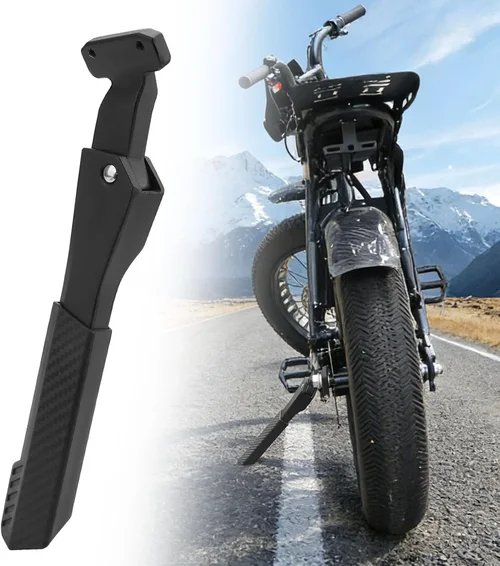
A: Absolutely. E-bikes are heavier and require kickstands rated for 60–100+ pounds. Look for heavy-duty, reinforced models with wide feet and stable mounting.
Q: How do I maintain my kickstand?
A: Clean it regularly to remove dirt and grime. Lubricate the pivot point and spring mechanism with bike-specific grease. Check for rust, bends, or loose bolts, especially after winter riding.
Q: Can I remove a kickstand if I don’t like it?
A: Yes, most kickstands can be uninstalled. Bolt-on models leave small holes, which can be filled with plugs or left as-is. Clamp-on models leave no permanent marks.
Q: Are there kickstands for folding bikes?
A: Yes, many folding bikes come with built-in stands or accept compact, folding models. These are designed to fold with the bike and save space.
Q: What’s the difference between a side stand and a center stand?
A: A side stand supports the bike at an angle with one leg, while a center stand lifts both wheels slightly off the ground using two legs. Center stands offer better stability and are ideal for heavy bikes.
Our Final Recommendations
Best for Budget-Conscious Buyers: BV Bike Kickstand – Affordable, lightweight, and easy to install. Great for city bikes and hybrids under 40 pounds.
Best Overall Value: Pletscher ES 15 – Durable steel construction, adjustable leg, and excellent stability. Ideal for commuters and mid-weight bikes.
Best Premium Option: Ursus Jumbo Leg – Heavy-duty center stand for e-bikes and cargo bikes. Supports up to 100 pounds and offers unbeatable stability.
Best for Beginners: Topeak Dual Touch Stand – Simple clamp-on design with tool-free installation. Perfect for riders new to bike maintenance.
Best for Advanced Users: Feedback Sports Velo Column – Precision-engineered center stand with integrated tool storage. Designed for serious cyclists and mechanics.
Conclusion: Making the Right Choice
Choosing the best bike kickstand isn’t just about convenience—it’s about protecting your investment, ensuring safety, and enhancing your overall riding experience. From compatibility and weight capacity to material quality and ease of use, every factor plays a role in finding the perfect fit for your bike and lifestyle.
Remember, the ideal kickstand is one that matches your bike’s weight, frame design, and your typical riding conditions. Don’t rush the decision. Take time to research, read reviews, and consider your long-term needs. Whether you’re a daily commuter, weekend warrior, or e-bike enthusiast, the right kickstand can make all the difference.
We encourage you to prioritize quality over price, test before you commit, and choose a model that offers the features you’ll actually use. With the insights from this guide, you’re now equipped to make an informed, confident decision. Happy riding—and may your bike always stand tall.