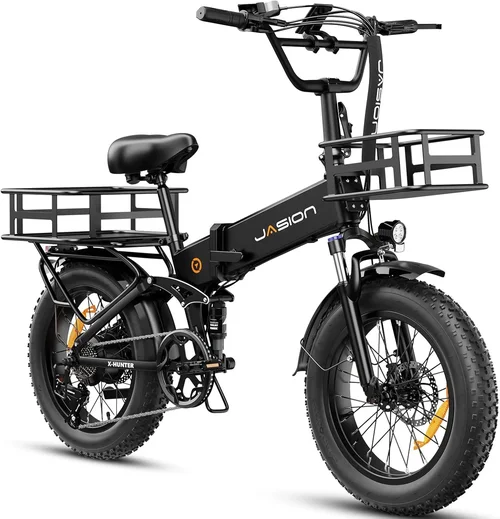
Hunting has evolved dramatically over the past decade, and one of the most transformative innovations in the field is the electric hunting bike—commonly known as a hunting ebike. These rugged, off-road capable machines are redefining how hunters access remote terrain, carry heavy gear, and remain stealthy during long treks through dense woods or mountainous backcountry. Whether you’re pursuing deer, elk, turkey, or even wild hogs, a well-chosen hunting ebike can give you a serious edge over traditional methods like hiking or ATVs.
But with so many models flooding the market—from budget-friendly options to high-end trail dominators—it’s easy to feel overwhelmed. That’s where this comprehensive buying guide comes in. We’ve tested, researched, and analyzed dozens of hunting ebikes to bring you expert-level insights that cut through the marketing noise. By the end of this guide, you’ll know exactly what to look for, which features matter most, how to avoid common pitfalls, and how to get the best value for your investment—whether you’re a seasoned outdoorsman or just starting your hunting journey.
The hunting ebike market has matured rapidly, with brands now offering purpose-built models designed specifically for hunters. These aren’t just regular commuter ebikes with a camo wrap—they feature reinforced frames, fat tires for traction on mud and snow, powerful motors for steep climbs, long-range batteries for extended trips, and integrated cargo systems for hauling game or gear. In this guide, we’ll walk you through every critical factor to consider, compare different types of hunting ebikes, highlight frequent buyer mistakes, provide realistic budget expectations, and share insider tips to help you make a confident, informed decision. Let’s dive in.

What to Look for When Buying a Hunting Ebike
1. Motor Power & Performance
The motor is the heart of any hunting ebike, and for off-grid adventures, you need serious muscle. Most hunting ebikes use mid-drive or hub motors ranging from 500W to 1,000W (and sometimes more). Mid-drive motors—like those from Bosch or Bafang—are generally preferred for hunting because they leverage the bike’s gears, offering better torque on steep inclines and more efficient power delivery. Hub motors, while simpler and often cheaper, can struggle on technical terrain unless they’re high-wattage rear hubs.
Look for a motor rated at least 750W if you plan to ride in hilly or mountainous regions. For flatwoods or light trails, 500W may suffice, but remember: you’ll likely be carrying 50–100+ pounds of gear or game, so extra power isn’t just nice—it’s essential. Also check the torque rating (measured in Newton-meters or Nm); 80+ Nm is ideal for heavy loads and steep climbs. Avoid underpowered motors that will leave you stranded or force you to pedal excessively, defeating the purpose of an ebike.
2. Battery Range & Capacity
Battery life determines how far you can go before needing a recharge—and in remote hunting areas, that’s not something you want to gamble on. Battery capacity is measured in watt-hours (Wh), and for hunting ebikes, we recommend a minimum of 672Wh (e.g., a 48V 14Ah battery). Higher capacities like 921Wh or even 1,200Wh are ideal for multi-day trips or long-distance scouting.
Real-world range varies based on terrain, rider weight, cargo load, assist level, and tire pressure. A 750Wh battery might give you 30–50 miles on flat ground with light assist, but drop to 15–25 miles when climbing hills with a full pack. Always plan for the worst-case scenario. Look for removable batteries—they allow you to swap in a fresh one mid-hunt or charge separately at camp. Also consider dual-battery setups if your model supports them; some premium hunting ebikes offer this for extended range.
3. Frame Strength & Build Quality
Hunting ebikes endure brutal conditions: mud, rocks, brush, cold, rain, and heavy loads. A flimsy frame won’t cut it. Look for frames made from high-tensile steel or reinforced aluminum alloys (like 6061 or 7005). Steel offers superior durability and shock absorption but adds weight; aluminum is lighter but must be thick-gauge to handle stress.
Pay attention to weld quality, gusset reinforcements at stress points (head tube, bottom bracket, rear dropouts), and whether the frame includes mounting points for racks, fenders, and accessories. Some brands even offer lifetime frame warranties—a strong indicator of confidence in build quality. Avoid no-name brands with thin tubing or poor welds; they’re prone to cracking under load or after repeated impacts.
4. Tire Type & Traction
Fat tires (typically 4–5 inches wide) are standard on hunting ebikes for good reason: they provide unmatched grip on loose soil, snow, mud, and uneven terrain. Look for puncture-resistant, all-terrain treads with deep lugs. Brands like Maxxis, Vee Tire, and Chaoyang offer reliable options.
Consider tubeless setups if available—they reduce the risk of flats and allow lower tire pressures for better traction. However, ensure your rims support tubeless conversion if you plan to go that route. Also, check tire clearance: you’ll want room for mud buildup without rubbing against the frame or fork. For snow hunting, studded fat tires are worth the investment.
5. Cargo Capacity & Accessory Integration
One of the biggest advantages of a hunting ebike is its ability to haul gear—and potentially game. Look for integrated rear racks rated for at least 100 lbs, with multiple attachment points for panniers, dry bags, or game carts. Some models include front racks or frame-mounted cargo cages.
Check compatibility with aftermarket accessories like gun scabbards, bow holders, camera mounts, or GPS brackets. Brands like QuietKat and Rambo Bikes design their bikes with hunter-specific add-ons in mind. If you plan to transport harvested animals, consider a model with a trailer hitch or compatibility with a game cart—some ebikes can pull 300+ lbs behind them.
6. Stealth & Noise Levels
Hunting success often hinges on silence. While all ebikes make some noise, hunting-specific models prioritize quiet operation. Look for motors with smooth, low-decibel output—Bafang mid-drives are notably quieter than many hub motors. Avoid models with loud gear whine or chain slap.
Also consider electronic components: some controllers emit audible beeps or clicks when engaging assist. Test ride if possible, or read user reviews about noise levels. Additionally, matte camo finishes help blend into natural environments, though functionality trumps aesthetics—don’t sacrifice performance for looks.
7. Suspension & Ride Comfort
Long hours in the saddle demand comfort, especially when navigating rocky trails or logging roads. Full-suspension hunting ebikes (front and rear suspension) offer the smoothest ride and best control on technical terrain. Hardtail models (front suspension only) are lighter and cheaper but transmit more vibration to the rider.
Look for suspension forks with at least 100mm of travel and adjustable preload or damping. Rear suspension should be tuned for heavy loads—some models feature coil-over shocks with lockout features for efficient pedaling on flats. If you’re riding primarily on mild trails, a quality front fork may suffice, but for rugged backcountry, full suspension is worth the investment.
8. Brand Reputation & Customer Support
Not all ebike brands are created equal—especially in the niche hunting segment. Stick with manufacturers known for durability, innovation, and responsive customer service. Established names like QuietKat, Rambo Bikes, BAKcou, and Juiced Bikes (for hybrid models) have proven track records in outdoor and hunting communities.
Research warranty terms: a good hunting ebike should come with at least a 2-year comprehensive warranty covering motor, battery, and frame. Check if the company offers local dealer support or direct shipping/repair services. Read real user reviews on forums like Reddit’s r/hunting or r/ebikes—look for patterns in complaints about reliability or support.
Different Types of Hunting Ebikes

Common Buying Mistakes to Avoid
❌ Mistake: Prioritizing Price Over Performance
Why it’s bad: A cheap hunting ebike often means compromised components—weak motors, low-capacity batteries, flimsy frames—that will fail when you need them most. You’ll end up spending more on repairs or replacements than if you’d bought a quality model upfront.
What to do instead: Set a realistic budget based on your hunting needs, not just the lowest price tag. Invest in core components like motor, battery, and frame first. Remember: this isn’t a weekend toy—it’s a tool for survival and success in the field.
❌ Mistake: Ignoring Real-World Range Claims
Why it’s bad: Manufacturers often quote “up to” range figures based on ideal conditions (flat terrain, light load, eco mode). In reality, hunting conditions drastically reduce range.
What to do instead: Divide the advertised range by two as a safety buffer. If a bike claims 60 miles, assume 30 miles under hunting loads. Carry a spare battery or plan routes with charging options if possible.
❌ Mistake: Overlooking Weight and Portage Needs
Why it’s bad: Most hunting ebikes weigh 70–100+ lbs. If you need to carry it over a fence, up a ridge, or through thick brush, that weight becomes a major liability.
What to do instead: Consider the bike’s weight and whether you can realistically maneuver it in tight spots. Some models feature foldable frames or removable batteries to ease transport. Test lift it before buying if possible.
❌ Mistake: Skipping the Test Ride
Why it’s bad: Ebike feel varies widely—ergonomics, pedal assist responsiveness, brake quality, and suspension tuning all impact usability. What looks good on paper may feel awkward or unsafe in practice.
What to do instead: Always test ride if available. Many dealers offer demo days or rental programs. Pay attention to how the bike handles with weight (ask to load a backpack), climbs hills, and stops on descents.
❌ Mistake: Neglecting Maintenance Requirements
Why it’s bad: Hunting ebikes endure harsh environments that accelerate wear. Neglecting maintenance leads to premature failure—especially with chains, brakes, and electrical connections.
What to do instead: Learn basic upkeep: clean the drivetrain after muddy rides, check torque on bolts regularly, store the battery properly, and service suspension annually. Factor maintenance time and cost into your decision.
❌ Mistake: Assuming All Camo Bikes Are Hunting-Ready
Why it’s bad: Some retailers sell standard ebikes with camo paint jobs but lack essential hunting features like reinforced frames, cargo racks, or off-road tires.
What to do instead: Verify that the bike is purpose-built for hunting—not just cosmetically modified. Look for hunter-specific design elements and read reviews from actual hunters.
Budget Guidelines: How Much Should You Spend?
Hunting ebikes represent a significant investment, but pricing tiers reflect real differences in capability and durability. Here’s what to expect at each level:
Entry-Level ($1,800–$2,800): These bikes offer basic hunting functionality—typically hardtail designs with 500–750W hub motors, 500–672Wh batteries, and minimal cargo integration. Best for flat terrain, short-range scouting, or casual use. Expect shorter lifespans and limited dealer support. Examples include the Ancheer Adventure or Ecotric Fat Tire models (with upgrades).
Mid-Range ($2,800–$4,500): This is the sweet spot for most hunters. You’ll find quality mid-drive motors (750–1,000W), 750–921Wh batteries, fat tires, decent suspension, and integrated racks. Brands like Rambo Bikes (Ranger series) and BAKcou (Stalker) dominate here. These bikes handle moderate terrain, carry heavy loads, and offer reliable performance for weekend warriors and serious amateurs.
Premium ($4,500–$6,500): Designed for professionals and hardcore enthusiasts, these models feature top-tier components: full suspension, dual-battery compatibility, ultra-quiet motors, advanced gearing, and military-grade frames. Expect excellent build quality, extensive accessory ecosystems, and strong warranties. QuietKat’s Kodiak and BAKcou’s Mule are standout examples.
Luxury ($6,500+): At this tier, you’re paying for cutting-edge innovation, custom builds, and极限 performance. Think carbon-reinforced frames, 1,200Wh+ batteries, GPS integration, heated grips, and trailer towing systems. These are for expedition hunters, outfitters, or those who demand the absolute best—no compromises.

Expert Tips for Getting the Best Deal
- Buy during off-season: Late winter and early spring (February–April) are ideal times to shop. Many dealers clear inventory before new models arrive, offering discounts of 10–20%.
- Shop direct from manufacturers: Brands like QuietKat and Rambo often run exclusive promotions, bundle deals (free battery, rack, or helmet), or offer financing—better than third-party retailers.
- Watch for demo or refurbished units: These are typically 15–30% cheaper and come with full warranties. Perfect for budget hunters who don’t mind minor cosmetic wear.
- Negotiate add-ons: If a bike is at the top of your budget, ask for free accessories—racks, lights, or fenders—instead of a price reduction.
- Check return policies: Ensure you have at least 14–30 days to return the bike if it doesn’t meet expectations. Some brands offer trial periods specifically for hunting use.
- Join hunting forums: Communities like HunterSafety.org or Backcountry Hunters & Anglers often share exclusive discount codes or group-buy opportunities.
- Consider used markets carefully: Facebook Marketplace or eBay can yield great deals, but verify battery health (cycle count), frame integrity, and warranty transferability.
- Factor in long-term costs: A slightly more expensive bike with a better warranty and service network may save you hundreds in repairs down the line.

Frequently Asked Questions
Q: Can I use a regular ebike for hunting?
A: Technically yes, but it’s not recommended. Regular ebikes lack the durability, cargo capacity, off-road tires, and stealth features needed for serious hunting. You’ll risk breakdowns, limited range, and poor traction—potentially ruining your hunt.
Q: How far can a hunting ebike really go on one charge?
A: Realistically, 20–40 miles under typical hunting conditions (hilly terrain, 100+ lb load, mixed assist levels). Always carry a spare battery or plan conservative routes.
Q: Are hunting ebikes legal on public land?
A: It depends on local regulations. Many U.S. national forests allow Class 1 and Class 2 ebikes on designated trails, but some wilderness areas ban motorized vehicles entirely. Check with your state’s DNR or forest service before heading out.
Q: Do I need a license or registration?
A: In most states, no—hunting ebikes are treated like traditional bicycles if they meet Class 1/2 criteria (pedal-assist only, under 20 mph). However, rules vary, so verify locally.
Q: Can I ride a hunting ebike in the rain or snow?
A: Yes, most are designed for all-weather use. Look for IP65 or higher water resistance ratings on the motor and battery. Fat tires excel in snow, and full suspension helps in wet, muddy conditions.
Q: How do I transport a hunting ebike to my hunting spot?
A: Use a heavy-duty hitch rack (rated for 100+ lbs) or a truck bed ramp. Some hunters tow them behind ATVs or pack them in on foot for short distances.
Q: What’s the difference between a mid-drive and hub motor for hunting?
A: Mid-drives offer better hill-climbing torque, efficiency, and weight distribution—ideal for loaded, technical terrain. Hub motors are simpler and cheaper but less efficient under heavy load.
Q: How often should I service my hunting ebike?
A: After every major hunt, clean and inspect the drivetrain, brakes, and suspension. Full professional service every 6–12 months or 500–1,000 miles.
Q: Can I haul a deer on a hunting ebike?
A: Yes—with the right setup. Use a rear rack rated for 150+ lbs, secure the deer with straps, or attach a lightweight game cart. Full-suspension models handle this best.
Q: Are hunting ebikes worth the cost compared to ATVs?
A: Absolutely, for many hunters. They’re quieter, cheaper to operate, require no fuel, cause less environmental impact, and allow access to tighter trails. ATVs win for pure hauling power, but ebikes offer stealth and efficiency.
Our Final Recommendations
Best for Budget-Conscious Buyers: Rambo Bikes Ranger 750 – At around $2,999, it delivers a robust 750W mid-drive motor, 750Wh battery, fat tires, and solid build quality. Ideal for beginners or those hunting in moderate terrain.
Best Overall Value: BAKcou Stalker 1000 – Priced at $4,299, this full-suspension beast boasts a 1,000W Bafang motor, 921Wh battery, and exceptional cargo integration. Perfect balance of power, comfort, and reliability.
Best Premium Option: QuietKat Kodiak – At $5,999, it’s built like a tank with a 1,000W mid-drive, dual-battery capability, and ultra-quiet operation. The go-to choice for backcountry pros.
Best for Beginners: Juiced Ripcurrent S – Though not hunter-specific, its 750W motor, 960Wh battery, and aggressive fat tires make it a versatile entry point at $2,799. Easy to ride and highly capable.
Best for Advanced Users: BAKcou Mule Elite – With a 1,200W motor, 1,200Wh battery, full suspension, and trailer towing, this $6,499 machine is built for extreme expeditions and heavy hauling.
Conclusion: Making the Right Choice
Choosing the best hunting ebike isn’t just about picking the flashiest model or the cheapest price—it’s about matching the right tool to your specific hunting style, terrain, and budget. We’ve covered everything from motor power and battery range to stealth features and long-term maintenance, giving you the knowledge to cut through the hype and focus on what truly matters in the field.
Remember, a hunting ebike is an investment in your success, safety, and enjoyment outdoors. Prioritize durability, real-world performance, and hunter-centric design over gimmicks or aesthetics. Take your time, test ride when possible, and don’t hesitate to reach out to experienced users or dealers for advice.
Whether you’re sneaking into a remote ridge at dawn or hauling a trophy buck back to camp, the right ebike can transform your hunting experience. Use this guide as your roadmap, stay informed, and gear up with confidence. Your next great hunt starts with the right ride.