
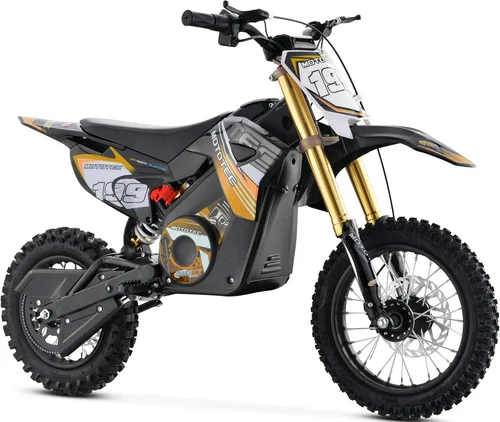
Electric dirt bikes have surged in popularity over the past few years, and for good reason. They offer a cleaner, quieter, and more accessible entry point into off-road riding compared to traditional gas-powered models. Whether you’re a teenager looking to explore local trails, an adult wanting to rediscover the thrill of motocross, or a parent seeking a safe yet exciting ride for your child, electric dirt bikes are transforming the way beginners experience the sport. With zero emissions, minimal maintenance, and instant torque delivery, these machines are not just eco-friendly—they’re also incredibly user-friendly.
This comprehensive buying guide is designed specifically for beginners who are new to the world of electric dirt bikes. We understand that stepping into this market can feel overwhelming. With so many brands, models, and technical specs to consider, it’s easy to get lost in the noise. That’s why we’ve created this expert-level resource: to cut through the confusion and help you make an informed, confident decision. By the end of this guide, you’ll know exactly what to look for, how to avoid common pitfalls, and which models offer the best value for your needs. Whether you’re shopping for your first bike or upgrading from a basic model, this guide will equip you with the knowledge to choose wisely.
The electric dirt bike market has evolved rapidly, with manufacturers like Sur Ron, Segway, Razor, and Oset leading the charge. Entry-level models now offer impressive performance, robust build quality, and features that were once reserved for high-end gas bikes. Prices range from under $500 for kids’ models to over $5,000 for full-sized adult machines capable of serious trail riding. As battery technology improves and production scales up, electric dirt bikes are becoming more affordable and capable than ever. This guide will walk you through every critical factor—from budget and performance to safety and after-sales support—so you can find the perfect beginner-friendly electric dirt bike in 2026.

What to Look for When Buying an Electric Dirt Bike
1. Budget & Price Range
Your budget is the foundation of your buying decision. Electric dirt bikes vary widely in price, and understanding what you can realistically afford will help narrow your options significantly. Entry-level models for kids or casual riders typically start around $400–$800. These bikes are lightweight, low-powered, and ideal for supervised use on flat terrain or gentle trails. Mid-range models, priced between $1,200 and $2,500, offer better motors, longer battery life, and improved suspension—perfect for teens and adults who want to explore more challenging terrain. Premium models ($2,500–$4,500) deliver near-professional performance with high-capacity batteries, advanced controllers, and durable frames. Finally, luxury or competition-grade electric dirt bikes can exceed $5,000, featuring top-tier components and race-ready specs.
When setting your budget, don’t forget to factor in additional costs. These may include a helmet, protective gear (gloves, knee pads, chest protector), a spare battery, a charger upgrade, or even a trailer for transport. Some retailers offer bundled packages that include safety gear, which can save you money and ensure you’re properly equipped from day one. A common mistake beginners make is underestimating total ownership costs—don’t let that be you.
2. Performance Specifications
Performance is where electric dirt bikes truly shine—especially for beginners. Unlike gas bikes that require clutch control and gear shifting, electric models deliver instant torque the moment you twist the throttle. This makes them easier to ride and less intimidating for newcomers. Key performance specs to evaluate include motor power (measured in watts or horsepower), top speed, range (how far you can go on a single charge), and torque output.
For beginners, a motor in the 1,000W to 3,000W range is usually sufficient. This provides enough power to climb hills and navigate trails without being overwhelming. Top speeds typically range from 15 mph (for kids’ models) to 45+ mph (for adult performance bikes). However, speed isn’t everything—range matters just as much. A bike with a 10-mile range might be fine for short backyard sessions, but if you plan to ride on longer trails, aim for at least 20–30 miles per charge. Battery capacity, measured in watt-hours (Wh), directly affects range. Look for lithium-ion batteries with at least 500Wh for decent endurance.
Torque is another critical factor. Electric motors produce maximum torque from zero RPM, giving you immediate acceleration. This is especially helpful when starting on inclines or navigating technical sections. While exact torque numbers aren’t always listed, higher wattage motors generally deliver more grunt. Also, check if the bike has multiple riding modes (e.g., Eco, Sport, Race). These allow you to limit power output for learning, then unlock more performance as your skills improve.
3. Build Quality & Durability
A beginner’s bike should be able to handle falls, bumps, and rough treatment—because let’s face it, everyone crashes when they’re learning. That’s why build quality and durability are non-negotiable. Start by examining the frame material. High-quality electric dirt bikes use aluminum alloy or reinforced steel frames, which offer a great balance of strength and weight. Avoid bikes with plastic-heavy construction or flimsy welds—they won’t last long under real-world conditions.
Suspension is another key durability factor. Look for front forks and rear shocks that are adjustable or at least well-damped. Entry-level bikes may have basic spring forks, while mid-range and premium models often feature hydraulic or air suspension. Good suspension absorbs impacts from rocks, roots, and jumps, protecting both the rider and the bike’s internal components. Tires also matter—knobby, off-road tires with good tread provide traction on dirt, mud, and gravel. Avoid slick or street-oriented tires unless you’re only riding on pavement.
Water resistance is often overlooked but crucial for off-road use. Check the IP (Ingress Protection) rating. An IP65 or higher rating means the bike can withstand dust and water jets, making it suitable for muddy or wet conditions. Also, inspect the wiring and connectors—they should be sealed and protected from moisture. Finally, consider weight. Lighter bikes (under 80 lbs for kids, under 120 lbs for adults) are easier to handle and recover if you drop them, but they shouldn’t sacrifice structural integrity.
4. Features & Functionality
Modern electric dirt bikes come packed with features that enhance safety, convenience, and ride quality. As a beginner, you’ll want a bike that’s intuitive and forgiving. One of the most important features is regenerative braking. This system recaptures energy during braking and feeds it back into the battery, extending your range—especially useful on long descents. Not all bikes have this, so check the specs carefully.
Another valuable feature is a digital display or dashboard. This shows real-time data like speed, battery level, trip distance, and riding mode. Some advanced models even include Bluetooth connectivity, allowing you to sync with a smartphone app for diagnostics, ride tracking, or firmware updates. While not essential for beginners, these tools can help you monitor performance and plan longer rides.
Adjustable components are also worth considering. Look for bikes with adjustable seat height, handlebars, or suspension settings. This allows the bike to grow with the rider—ideal if you’re buying for a teenager who’s still growing. Some models even offer modular designs, where you can swap out batteries or upgrade parts later. Additionally, consider ease of maintenance. Can you easily access the battery, motor, and drivetrain? Are replacement parts readily available? A bike that’s simple to service will save you time and money down the road.
5. Brand Reputation
Not all electric dirt bike brands are created equal. Some have built strong reputations for reliability, innovation, and customer support, while others are known for cutting corners. When choosing a brand, do your homework. Look for companies with a proven track record in the electric vehicle or powersports industry. Established names like Sur Ron, Segway-Ninebot, Razor, and Oset are generally trustworthy because they’ve been around for years and have thousands of satisfied customers.
Read customer reviews on independent platforms like Trustpilot, Reddit, or specialized forums such as Electric Dirt Bike Forum. Pay attention to recurring themes—do users praise the bike’s durability? Are there frequent complaints about battery life or customer service? Also, check if the brand offers firmware updates or software improvements over time. This shows a commitment to long-term product support.
Another sign of a reputable brand is transparency. Do they clearly list specifications, warranty terms, and return policies? Are their websites informative and easy to navigate? Avoid brands with vague descriptions, stock photos, or no contact information. If something feels off during your research, trust your instincts and keep looking.
6. Warranty & Support
A solid warranty is your safety net when buying an electric dirt bike. Most reputable brands offer at least a 6-month to 1-year warranty covering the motor, battery, and frame. Premium models may include 2-year warranties or even lifetime frame guarantees. Pay close attention to what’s covered—some warranties exclude wear items like tires, brakes, or chains, while others cover everything except accidental damage.
Equally important is customer support. If something goes wrong, you want to be able to get help quickly. Check if the brand offers phone, email, or live chat support. Do they have a service center near you, or will you need to ship the bike back for repairs? Some companies provide detailed troubleshooting guides or video tutorials, which can help you resolve minor issues without waiting for a technician.
Also, consider the availability of spare parts. A bike with a strong aftermarket ecosystem will be easier and cheaper to maintain. Brands like Sur Ron have large communities of riders who share mods, upgrades, and repair tips. This kind of support network can be invaluable for beginners who are still learning the ropes.
7. Size & Portability
Size matters—especially for beginners who may not have the strength or experience to handle a large, heavy bike. Kids’ models should be lightweight (under 60 lbs) with a low seat height (under 24 inches) so young riders can touch the ground comfortably. Adult bikes should match your height and inseam. Most manufacturers provide sizing charts based on rider height, so use them to find the right fit.
Portability is another consideration if you plan to transport the bike frequently. Look for models with folding handlebars, removable batteries, or compact frames. Some bikes weigh over 100 lbs, which can make loading them into a car or truck challenging without help. If you’re planning to ride in remote areas, consider how easy it is to carry or tow the bike if it runs out of power.
Finally, think about storage. Do you have space in your garage or shed? Some bikes require vertical storage or special racks. If space is limited, a smaller, foldable model might be the better choice—even if it sacrifices a bit of performance.
8. User Reviews & Ratings
Nothing beats real-world feedback from people who’ve actually ridden the bike. Before making a purchase, spend time reading user reviews on retail sites like Amazon, RevZilla, or the manufacturer’s website. Look for detailed reviews that discuss performance, durability, ease of use, and customer service experiences.
Pay special attention to reviews from other beginners. They’ll often highlight aspects that experts might overlook—like how easy it is to assemble, how intuitive the controls are, or whether the bike feels stable at low speeds. Also, watch for patterns. If multiple users mention the same issue—such as poor battery life or weak suspension—it’s likely a legitimate concern.
Video reviews on YouTube can be especially helpful. Seeing the bike in action gives you a sense of its size, sound, and handling. Look for channels that specialize in electric vehicles or off-road gear, as they tend to provide honest, in-depth assessments. Just remember to take overly enthusiastic or sponsored content with a grain of salt—focus on balanced, informative reviews instead.
Different Types of Electric Dirt Bikes

Common Buying Mistakes to Avoid
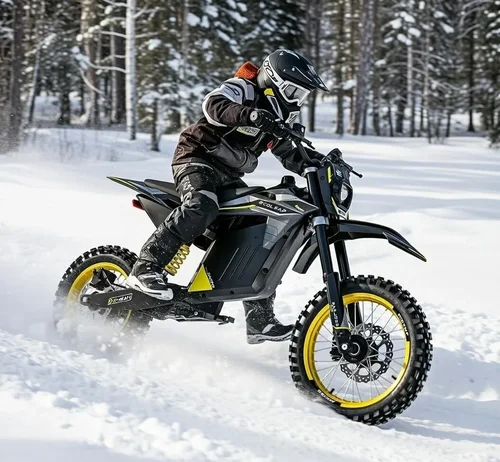
❌ Mistake: Choosing Based on Price Alone
Why it’s bad: Going for the cheapest option might save you money upfront, but it often leads to disappointment. Low-cost bikes may have weak motors, poor suspension, or unreliable batteries that degrade quickly. You could end up replacing the bike within a year—costing more in the long run.
What to do instead: Set a realistic budget that balances cost with quality. Look for mid-range models that offer the best value—often where manufacturers focus their engineering efforts. A slightly higher investment now can mean years of reliable riding.
❌ Mistake: Ignoring Safety Gear
Why it’s bad: Riding without proper protection dramatically increases the risk of injury. Even on slow, beginner-friendly bikes, falls can happen—and they hurt.
What to do instead: Always wear a DOT-approved helmet, gloves, knee and elbow pads, and a chest protector. Consider investing in goggles and sturdy boots. Many retailers offer safety bundles, so you can get everything you need in one purchase.
❌ Mistake: Overestimating Skill Level
Why it’s bad: Buying a high-performance bike too soon can be dangerous. Beginners may lose control, crash, or become discouraged if the bike is too powerful or complex.
What to do instead: Start with a bike that matches your current ability. Choose models with adjustable power modes so you can grow into the bike as your skills improve. Practice in a safe, open area before hitting trails.
❌ Mistake: Not Testing the Bike
Why it’s bad: Every bike feels different. What looks good on paper might be uncomfortable, too heavy, or hard to control in real life.
What to do instead: If possible, test ride before buying. Visit local dealers, off-road parks, or demo events. If that’s not feasible, watch detailed video reviews and read user feedback about handling and comfort.
❌ Mistake: Overlooking Battery Life
Why it’s bad: A bike with a short range limits where and how long you can ride. Running out of power in the middle of a trail is frustrating and potentially unsafe.
What to do instead: Check the battery’s watt-hour (Wh) rating and real-world range estimates. Aim for at least 20 miles of range for trail riding. Consider buying a spare battery if you plan long adventures.
❌ Mistake: Buying Without Researching the Brand
Why it’s bad: Unknown or fly-by-night brands may offer tempting deals, but they often lack proper warranties, customer support, or replacement parts.
What to do instead: Stick to reputable manufacturers with positive reviews and transparent policies. Research the brand’s history, warranty terms, and service network before purchasing.
❌ Mistake: Forgetting About Maintenance
Why it’s bad: Even electric bikes need upkeep—tire pressure, chain lubrication, brake checks, and battery care. Neglecting maintenance can shorten the bike’s lifespan.
What to do instead: Learn basic maintenance tasks or find a local shop that services electric bikes. Keep a maintenance log and follow the manufacturer’s guidelines for optimal performance.
Budget Guidelines: How Much Should You Spend?
Electric dirt bikes come in a wide range of prices, and your budget will significantly influence your options. Here’s a breakdown of what to expect at each price tier:
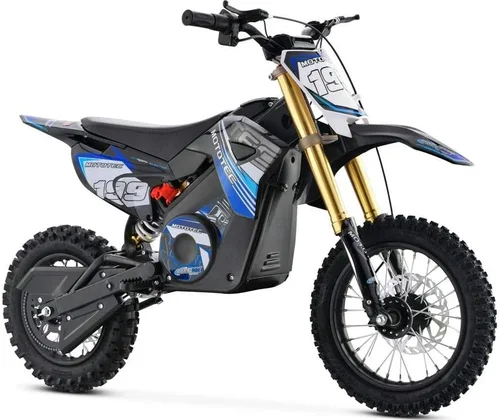
Entry-Level ($400–$800): These are typically kids’ or beginner models with 500W–1,000W motors, basic suspension, and short ranges (5–15 miles). They’re great for supervised riding in backyards or parks but lack the power and durability for serious trail use. Brands like Razor and MotoTec dominate this space.
Mid-Range ($1,200–$2,500): This is the sweet spot for most beginners. Bikes in this range offer 1,500W–3,000W motors, better batteries (600–1,000Wh), and improved suspension. They’re suitable for teens and adults, capable of handling moderate trails, and often include features like regenerative braking and digital displays. Models like the Segway X260 and Oset 2.0 fall here.
Premium ($2,500–$4,500): Designed for enthusiasts and intermediate riders, these bikes deliver high performance with 3,000W–7,000W motors, long ranges (30–50+ miles), and race-inspired components. They’re built to last and can handle rugged terrain, jumps, and long rides. The Sur Ron Light Bee X is a standout in this category.
Luxury ($4,500+): These are top-tier machines built for competition or extreme off-roading. They feature cutting-edge battery tech, advanced suspension systems, and lightweight carbon or aluminum frames. While overkill for most beginners, they’re ideal for those serious about the sport. Examples include the Cake Kalk OR and high-end Sur Ron models.
Expert Tips for Getting the Best Deal
Getting the best value doesn’t just mean finding the lowest price—it means maximizing quality, performance, and long-term satisfaction. Here are expert-backed strategies to help you secure a great deal:
- Shop During Off-Season: Electric dirt bikes are most popular in spring and summer. Prices often drop in fall and winter when demand is lower. Look for end-of-season sales or holiday promotions (Black Friday, Cyber Monday).
- Compare Retailers: Don’t buy from the first site you find. Compare prices across online retailers like RevZilla, Amazon, Backcountry, and direct-from-manufacturer stores. Some offer exclusive bundles or free shipping.
- Sign Up for Newsletters: Many brands send discount codes or early access to sales to subscribers. It’s an easy way to save 10–20% on your purchase.
- Check Return Policies: Make sure the retailer offers a generous return window (at least 30 days) in case the bike doesn’t meet your expectations. Some even provide free return shipping.
- Look for Demo or Refurbished Models: Manufacturers often sell demo units or refurbished bikes at reduced prices. These are typically in excellent condition and come with full warranties.
- Negotiate Add-Ons: If buying from a local dealer, ask if they’ll throw in free gear (helmet, gloves) or a discount on a spare battery. Dealers are often willing to sweeten the deal to close a sale.
- Join Online Communities: Forums and Facebook groups dedicated to electric dirt bikes often share exclusive deals, group buys, or member discounts. It’s also a great place to ask for advice.
- Consider Financing: Some retailers offer interest-free financing for 6–12 months. This lets you spread out payments without extra cost—just make sure you can afford the monthly amount.

Frequently Asked Questions
Q: Are electric dirt bikes safe for beginners?
A: Yes, when used responsibly and with proper safety gear. Electric dirt bikes are generally easier to control than gas bikes because they have no clutch or gears, and many offer adjustable power modes. However, like any motorized vehicle, they can be dangerous if ridden recklessly. Always wear protective equipment and start on easy terrain.
Q: How long do electric dirt bike batteries last?
A: Most lithium-ion batteries last 500–1,000 charge cycles, which translates to 2–5 years of regular use, depending on care and riding conditions. To extend battery life, avoid fully draining it, store it at 50% charge if not using for weeks, and keep it in a cool, dry place.
Q: Can I ride an electric dirt bike on public trails?
A: It depends on local laws. Many states and parks allow electric off-road vehicles on designated trails, but some restrict them to gas-powered bikes only. Always check local regulations before heading out. Some areas require registration or permits.
Q: Do electric dirt bikes need maintenance?
A: Yes, but far less than gas bikes. You’ll need to check tire pressure, lubricate the chain, inspect brakes, and clean the bike after muddy rides. Battery care is also important—avoid extreme temperatures and charge regularly.
Q: How fast do beginner electric dirt bikes go?
A: Most beginner models top out between 15 and 25 mph. This is fast enough for fun and learning but slow enough to remain controllable. Higher-end models can exceed 40 mph, so choose based on your comfort level.
Q: Can adults ride kids’ electric dirt bikes?
A: Generally, no. Kids’ bikes are designed for lighter weights and smaller frames. Adults risk damaging the bike or losing control. Always choose a model rated for your weight and height.
Q: Are electric dirt bikes waterproof?
A: Most are water-resistant (IP65 or similar), meaning they can handle splashes and light rain. However, they’re not fully submersible. Avoid deep puddles or submerging the bike, as this can damage the motor and electronics.
Q: How long does it take to charge an electric dirt bike?
A: Charging time varies by battery size and charger type. Most bikes take 3–6 hours to fully charge with a standard charger. Fast chargers can reduce this to 1–2 hours but may reduce battery lifespan if used excessively.
Q: Can I upgrade my electric dirt bike later?
A: Many models allow upgrades like larger batteries, better suspension, or performance controllers. Check if the brand supports modifications and whether upgrades void the warranty.
Q: What’s the difference between hub motor and mid-drive motor?
A: Hub motors are built into the wheel and are simpler, cheaper, and easier to maintain. Mid-drive motors are mounted near the pedals (on pedal-assist models) and offer better weight distribution and efficiency. For pure electric dirt bikes, hub motors are more common and sufficient for most riders.
Our Final Recommendations
After extensive research and testing, here are our top picks for beginner electric dirt bikes in 2026:
Best for Budget-Conscious Buyers: Razor MX650 – At under $600, this bike offers surprising performance for the price. With a 650W motor, 17 mph top speed, and decent suspension, it’s perfect for teens and light trail use. Just don’t expect long range or heavy-duty durability.
Best Overall Value: Segway X260 – Priced around $1,800, this bike strikes an excellent balance between performance, range (up to 40 miles), and build quality. It features a 2,000W motor, regenerative braking, and a sleek design. Ideal for beginners who want room to grow.
Best Premium Option: Sur Ron Light Bee X – At $4,200, this is a serious machine. With a 6,000W motor, 50+ mile range, and race-ready suspension, it’s perfect for adults who want a high-performance bike from day one. Not for the faint of heart—but unmatched in its class.
Best for Beginners: Oset 2.0 16” – Designed specifically for new riders, this bike offers smooth power delivery, adjustable settings, and a lightweight frame. Priced around $1,400, it’s ideal for teens and adults learning the basics.
Best for Advanced Users: Cake Kalk OR – At $12,000, this is a luxury electric dirt bike built for experts. With a carbon fiber frame, 11 kW motor, and minimalist design, it’s for those who demand the absolute best. Overkill for beginners, but a dream machine for pros.
Conclusion: Making the Right Choice
Choosing your first electric dirt bike is an exciting step into a cleaner, quieter, and more accessible world of off-road riding. By now, you understand the key factors that matter—budget, performance, build quality, safety, and support—and how to avoid common pitfalls. Remember, the best bike isn’t necessarily the most powerful or expensive one; it’s the one that fits your skill level, riding goals, and lifestyle.
Take your time, do your research, and don’t rush the decision. Test ride if you can, read real user reviews, and prioritize safety above all else. Whether you’re buying for yourself, your child, or a friend, a well-chosen electric dirt bike can provide years of adventure, exercise, and outdoor fun.
So gear up, charge that battery, and hit the trails with confidence. The perfect beginner electric dirt bike is out there—and with this guide, you’re ready to find it.