
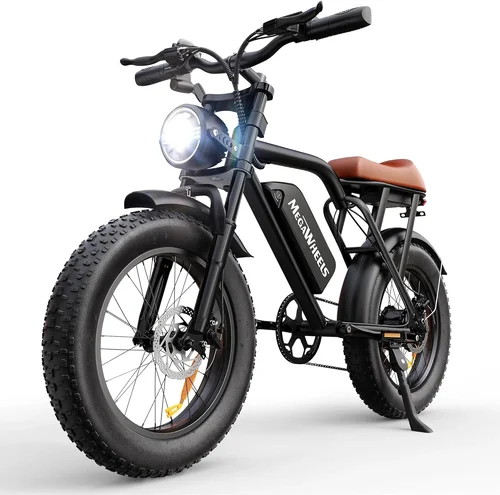
Electric bikes have revolutionized personal transportation, offering a sustainable, efficient, and fun way to commute, explore, or simply get around town. Whether you’re looking to reduce your carbon footprint, avoid traffic jams, or enjoy the outdoors with a little extra power, an e-bike can be a game-changer. But with so many models flooding the market—especially under the $1,500 mark—it’s easy to feel overwhelmed. That’s where this guide comes in. We’ve spent countless hours researching, testing, and comparing the latest e-bikes to bring you a comprehensive, expert-level buying guide tailored specifically for budget-conscious riders who refuse to compromise on quality.
In this guide, you’ll learn exactly what to look for when shopping for an e-bike under $1,500. We’ll break down the most important factors—from motor power and battery life to build quality and warranty coverage—so you can make a confident, informed decision. You’ll also discover the different types of e-bikes available in this price range, common pitfalls to avoid, and insider tips to help you get the best deal. Whether you’re a first-time buyer or upgrading from an older model, this guide will equip you with everything you need to find the perfect e-bike that fits your lifestyle, budget, and riding goals.
The e-bike market has exploded in recent years, with more brands entering the space and technology advancing rapidly. While premium models can cost $3,000 or more, there are now several high-performing, reliable e-bikes available under $1,500 that deliver impressive value. These budget-friendly options are ideal for urban commuters, weekend adventurers, students, and anyone looking to dip their toes into electric mobility without breaking the bank. However, not all e-bikes under $1,500 are created equal. Some cut corners on components, while others offer surprising features typically found in higher-end models. Our goal is to help you separate the wheat from the chaff and find a bike that offers the best balance of performance, durability, and affordability.

What to Look for When Buying an E-Bike Under $1,500
1. Motor Type and Power
The motor is the heart of any e-bike, and its type and power output directly impact performance. Most e-bikes under $1,500 use either hub motors (located in the front or rear wheel) or mid-drive motors (mounted near the pedals). Hub motors are more common in this price range because they’re simpler and cheaper to produce. They provide good torque for city riding and hills, though rear hub motors generally offer better balance and traction than front hub motors. Mid-drive motors, while more efficient and better for off-road use, are rare under $1,500 and typically reserved for higher-end models.
Motor power is measured in watts (W), and in the U.S., e-bikes are legally limited to 750W for Class 1 and Class 3 models. Most budget e-bikes fall between 250W and 750W. A 250W motor is sufficient for flat terrain and light assistance, while a 500W or 750W motor delivers stronger acceleration and better hill-climbing ability. For city commuting with moderate hills, a 500W rear hub motor is often the sweet spot. Look for motors from reputable brands like Bafang, Shengyi, or MXUS, as they tend to be more reliable and efficient.
2. Battery Capacity and Range
Battery capacity is arguably the most critical factor after the motor. It determines how far you can ride on a single charge. Battery capacity is measured in watt-hours (Wh), which is calculated by multiplying voltage (V) by amp-hours (Ah). For example, a 36V 10.4Ah battery equals 374.4Wh. Most e-bikes under $1,500 come with batteries ranging from 300Wh to 600Wh.
Range depends on several factors: battery capacity, motor efficiency, rider weight, terrain, assist level, and weather. A 400Wh battery might give you 25–40 miles on eco mode on flat ground, but only 15–20 miles on high assist in hilly areas. Look for removable batteries, as they allow you to charge indoors and swap in a spare for longer rides. Lithium-ion (Li-ion) batteries are standard and offer good energy density and lifespan. Avoid lead-acid or older NiMH batteries—they’re heavier, less efficient, and degrade faster.
Charging time is another consideration. Most batteries take 4–6 hours to fully charge. Some models offer fast-charging options or dual-battery setups, but these are rare under $1,500. Always check the battery’s cycle life—how many charge cycles it can handle before capacity drops below 80%. A good battery should last 500–1,000 cycles, equating to 3–5 years of regular use.
3. Frame Material and Build Quality
The frame is the foundation of your e-bike, and its material affects weight, durability, and ride quality. Most budget e-bikes use aluminum alloy frames, which offer a great balance of strength, lightness, and corrosion resistance. High-quality aluminum frames are welded smoothly and designed to absorb road vibrations, providing a comfortable ride. Avoid steel frames unless you prioritize durability over weight—steel is heavier and can rust, though it’s very tough.
Pay attention to frame geometry and design. Step-through frames are easier to mount and dismount, making them ideal for casual riders, seniors, or those with mobility issues. Traditional diamond frames offer better rigidity and are preferred by more aggressive riders. Look for reinforced joints, internal cable routing (for a cleaner look and reduced wear), and integrated mounts for racks, fenders, and water bottles.
Build quality also extends to components like the drivetrain, brakes, and suspension. Even in budget models, you should expect reliable parts from known manufacturers. For example, Shimano drivetrains (even entry-level ones like Tourney or Altus) are far more durable than no-name alternatives. Similarly, mechanical disc brakes are common under $1,500, but hydraulic disc brakes offer superior stopping power and require less maintenance—look for them if safety is a top priority.
4. Braking System
Brakes are non-negotiable when it comes to safety, especially on an e-bike that can reach speeds of 20 mph or more. Most e-bikes under $1,500 come with either rim brakes (V-brakes) or disc brakes. Rim brakes are cheaper and lighter but wear down faster and lose effectiveness in wet conditions. Disc brakes, whether mechanical (cable-actuated) or hydraulic (fluid-actuated), provide consistent, powerful stopping power in all weather.
Hydraulic disc brakes are the gold standard—they require less hand force, self-adjust as pads wear, and perform better under heavy use. However, they’re less common in this price range and may require professional servicing. Mechanical disc brakes are more affordable and easier to maintain but need occasional cable tension adjustments. For city commuting and mixed terrain, mechanical disc brakes are usually sufficient. If you plan to ride in rain, snow, or on steep hills, hydraulic brakes are worth the extra cost if available.
Always test the brakes before buying. Squeeze the levers—they should engage smoothly without excessive travel. Check that the brake pads make full contact with the rotor and that there’s no wobble or noise. Some budget models skimp on brake quality, so don’t assume all disc brakes are equal.
5. Tires and Suspension
Tires play a huge role in comfort, grip, and rolling resistance. Most e-bikes under $1,500 come with 26-inch or 27.5-inch wheels and tires ranging from 1.95” to 2.4” in width. Wider tires (2.2” and up) provide better cushioning and traction, especially on rough roads or light trails. Look for puncture-resistant tires with reflective sidewalls for added safety.
Suspension systems vary widely. Hardtail bikes have front suspension forks, which absorb bumps and improve control on uneven surfaces. Full-suspension bikes have both front and rear suspension but are rare under $1,500 due to cost. For city riding, a front suspension fork with 80–100mm of travel is usually enough. Lockout features allow you to stiffen the fork on smooth roads to improve efficiency.
Some budget e-bikes omit suspension entirely, relying on wider tires and frame flex for comfort. This can work well on paved roads but may feel harsh on gravel or potholes. If you ride frequently on rough terrain, prioritize a bike with a quality suspension fork. Avoid ultra-cheap forks with poor damping—they can bottom out or leak oil over time.
6. Display and Controls
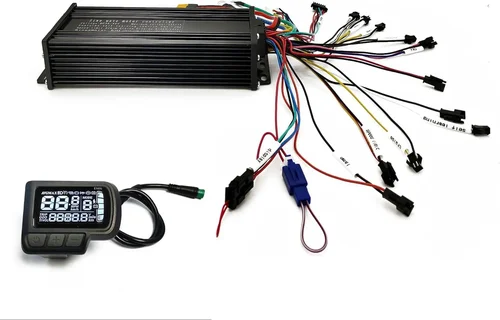
The display is your interface with the e-bike’s electronics. It shows speed, battery level, assist mode, distance, and sometimes navigation or ride stats. Most budget e-bikes come with basic LED or LCD displays mounted on the handlebar. These are functional but lack advanced features like Bluetooth connectivity or app integration.
Look for a display that’s easy to read in sunlight, with intuitive controls. Some models have thumb shifters or buttons on the handlebar to change assist levels—this is safer than reaching for a screen. Higher-end budget models may include color displays, backlighting, or USB charging ports. While not essential, these features enhance usability, especially on long rides.
Pedal assist levels (usually 3–5) determine how much motor support you get. Level 1 might add 25% power, while Level 5 could boost you by 100% or more. Some bikes also offer a throttle mode, allowing you to ride without pedaling—great for starting from a stop or climbing steep hills. Note that throttle use drains the battery faster, so use it sparingly for maximum range.
7. Weight and Portability
E-bikes are inherently heavier than traditional bikes due to the motor and battery. Most models under $1,500 weigh between 45 and 65 pounds. Heavier bikes are harder to carry upstairs, load onto racks, or maneuver in tight spaces. If you need to transport your e-bike frequently, consider a folding model or one with a lighter frame.
Folding e-bikes are a niche but growing category under $1,500. They’re ideal for commuters who take public transit or have limited storage space. However, they often sacrifice battery capacity, motor power, or ride quality to achieve portability. If you don’t need to fold your bike, a standard frame with a step-through design may be more practical.
Check the bike’s weight distribution. A well-balanced e-bike feels stable and responsive, even at low speeds. Test ride if possible—lift the bike, turn it, and see how it handles. Some models have rear racks or front baskets for carrying groceries or bags, which can offset the added weight of cargo.
8. Warranty and Customer Support
A good warranty can save you hundreds in repair costs and give you peace of mind. Most reputable e-bike brands offer at least a 1-year warranty on the frame and motor, with 6–12 months on the battery and electronics. Some go further—Rad Power Bikes, for example, offers a 2-year comprehensive warranty on many models.
Read the fine print. Does the warranty cover labor? Is it transferable? What voids it (e.g., modifications, water damage)? Avoid brands with vague or overly restrictive policies. Also, consider customer support. Can you reach someone by phone or email? Are replacement parts readily available? Brands with U.S.-based support teams tend to resolve issues faster than those relying on overseas distributors.
Online reviews can reveal a lot about a brand’s reliability. Look for patterns—do customers report frequent motor failures, battery degradation, or poor service? A few negative reviews are normal, but consistent complaints are red flags. Stick with established brands like Aventon, Lectric, Himiway, or Juiced Bikes, which have proven track records in the budget e-bike space.
Different Types of E-Bikes Under $1,500

Common Buying Mistakes to Avoid
❌ Mistake: Focusing Only on Price
Why it’s bad: The cheapest e-bike isn’t always the best value. Models under $800 often use low-quality motors, weak batteries, and flimsy frames that fail within months. You may end up spending more on repairs or replacements than if you’d bought a slightly more expensive, reliable model.
What to do instead: Set a realistic budget between $1,000 and $1,500. This range offers the best balance of quality and affordability. Prioritize brands with good reviews and solid warranties.
❌ Mistake: Ignoring Battery Specifications
Why it’s bad: A bike with a 250Wh battery might advertise “up to 50 miles,” but real-world range is often half that. Without knowing the battery’s actual capacity and chemistry, you risk buying a bike that can’t meet your daily needs.
What to do instead: Always check the battery’s watt-hour (Wh) rating and chemistry (look for Li-ion). Calculate your expected range based on your commute distance and terrain.
❌ Mistake: Overlooking Test Rides
Why it’s bad: E-bikes feel different from regular bikes. A model that looks great online might have poor ergonomics, weak brakes, or an uncomfortable ride.
What to do instead: Visit local dealers or attend e-bike demo events. If buying online, choose retailers with generous return policies (30 days or more).
❌ Mistake: Choosing the Wrong Bike Type
Why it’s bad: A fat tire bike is overkill for city streets, while a lightweight commuter won’t handle trails. Mismatched bikes lead to frustration and underuse.
What to do instead: Match the bike type to your primary use case. Use the comparison table above to guide your decision.
❌ Mistake: Skipping the Warranty Check
Why it’s bad: E-bike repairs can be expensive. Without warranty coverage, a failed motor or battery could cost $300–$600 to replace.
What to do instead: Always review the warranty terms before purchasing. Prefer brands that cover at least 1 year on all major components.
❌ Mistake: Buying Based on Hype or Marketing
Why it’s bad: Flashy ads and influencer endorsements don’t guarantee quality. Some brands inflate specs or use misleading terms like “high-speed” without clarifying legal limits.
What to do instead: Rely on independent reviews, user feedback, and spec comparisons. Look for transparency in technical details.
Budget Guidelines: How Much Should You Spend?
– Entry-Level ($800–$1,000): These bikes are best for casual riders or short commutes. Expect basic components, smaller batteries (300–400Wh), and limited features. Ideal for flat cities and light use. Examples: Swagtron EB7 Plus, Ancheer AN-EB003.
– Mid-Range ($1,000–$1,300): The sweet spot for most buyers. You’ll find better motors (500W+), larger batteries (400–500Wh), disc brakes, and improved build quality. Great for daily commuting and weekend rides. Examples: Aventon Pace 350, Lectric XP 3.0.
– Premium ($1,300–$1,500): For enthusiasts and frequent riders. These bikes offer hydraulic brakes, higher-capacity batteries (500–600Wh), advanced displays, and durable frames. Some include extras like integrated lights, racks, and app connectivity. Examples: Himiway Cruiser, Juiced CrossCurrent X.
– Luxury ($1,500+): While this guide focuses on under $1,500, it’s worth noting that stepping just above this threshold unlocks mid-drive motors, full suspension, and premium components. Consider stretching your budget if performance is critical.
Expert Tips for Getting the Best Deal
– Buy during off-seasons: E-bike sales peak in spring and summer. Shop in late fall or winter for discounts of 10–20%.
– Check manufacturer websites: Brands like Rad Power Bikes and Lectric often run exclusive promotions not available on third-party sites.
– Look for bundle deals: Some retailers include free accessories (helmets, locks, lights) with purchase.
– Consider refurbished models: Certified pre-owned e-bikes from reputable sellers can save you $200–$400 with full warranty coverage.
– Read return policies: Ensure you can return the bike within 30 days if it doesn’t meet expectations.
– Join online communities: Forums like Reddit’s r/ebikes or Facebook groups often share deals and user experiences.
– Negotiate with local dealers: Some shops offer price matching or free assembly and tune-ups.

Frequently Asked Questions
Q: Are e-bikes under $1,500 reliable?
A: Yes, many are. Brands like Aventon, Lectric, and Himiway build durable, well-engineered bikes in this range. Reliability depends more on brand reputation and component quality than price alone.
Q: How far can I ride on a single charge?
A: Most e-bikes under $1,500 offer 20–50 miles per charge, depending on battery size, assist level, terrain, and rider weight. Use the bike’s eco mode to maximize range.
Q: Do I need a license or insurance?
A: In most U.S. states, Class 1 and Class 3 e-bikes (pedal-assist up to 20 mph) do not require a license or insurance. Check local laws, as regulations vary.
Q: Can I ride in the rain?
A: Yes, most e-bikes are water-resistant, not waterproof. Avoid submerging the battery or motor. Dry the bike after wet rides and store it indoors.
Q: How often should I charge the battery?
A: Charge when the battery drops to 20–30%. Avoid letting it fully drain regularly, as this shortens lifespan. Store at 50–60% charge if not using for weeks.
Q: Are e-bikes worth it for short commutes?
A: Absolutely. Even a 2-mile commute can be tiring in traffic or heat. An e-bike makes it effortless and fun, with minimal sweat.
Q: Can I upgrade components later?
A: Some parts like tires, seats, and lights are easy to upgrade. Motors and batteries are harder and may void warranties. Plan your build carefully.
Q: What’s the difference between Class 1, 2, and 3 e-bikes?
A: Class 1: pedal-assist only, up to 20 mph. Class 2: includes throttle, up to 20 mph. Class 3: pedal-assist up to 28 mph. Most budget e-bikes are Class 1 or 2.
Our Final Recommendations
– Best for Budget-Conscious Buyers: Lectric XP 3.0 – At around $1,000, it offers a 500W motor, 48V 10.4Ah battery (500Wh), and folding design. Great for city commuting and storage.
– Best Overall Value: Aventon Pace 350 – Priced at $1,299, it features a 350W motor, 48V 10.4Ah battery, hydraulic disc brakes, and a sleek, lightweight frame. Ideal for urban riders.
– Best Premium Option: Himiway Cruiser – At $1,499, it boasts a 750W motor, 48V 17.5Ah battery (840Wh), fat tires, and a robust frame. Perfect for off-road adventures and long-range rides.
– Best for Beginners: Swagtron EB7 Plus – A simple, affordable folding e-bike with a 350W motor and 36V 7.5Ah battery. Easy to use and store.
– Best for Advanced Users: Juiced CrossCurrent X – With a 750W motor, 48V 15.6Ah battery, and hydraulic brakes, it delivers performance rivaling bikes twice its price.
Conclusion: Making the Right Choice
Choosing the best e-bike under $1,500 doesn’t have to be overwhelming. By focusing on key factors like motor power, battery capacity, build quality, and warranty, you can find a reliable, high-performing bike that fits your needs and budget. Avoid common pitfalls like chasing the lowest price or ignoring real-world range, and always prioritize test rides and reputable brands.
Remember, the right e-bike isn’t just about specs—it’s about how it fits into your life. Whether you’re commuting to work, exploring trails, or running errands, the perfect e-bike will make every ride easier, greener, and more enjoyable. Use this guide as your roadmap, and don’t hesitate to reach out to communities or dealers for advice. Your ideal e-bike is out there—ride smart, ride safe, and enjoy the journey.