
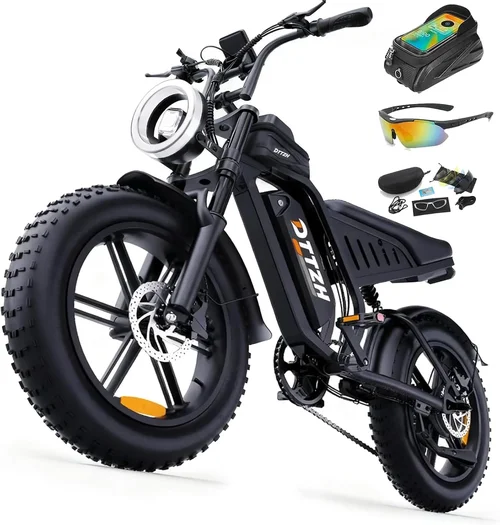
Electric bikes have revolutionized how we think about commuting, recreation, and off-road adventure—and full suspension e-bikes sit at the sweet spot between comfort, control, and capability. Unlike their hardtail cousins, full suspension e-bikes feature both front and rear shock absorption, making them ideal for tackling rough terrain, long rides on uneven surfaces, or simply enjoying a smoother ride through city streets with potholes and curbs. In recent years, advancements in battery technology, motor efficiency, and frame design have made high-performance full suspension e-bikes more accessible than ever—especially under the $2,000 mark.
This guide is designed for riders who want serious performance without breaking the bank. Whether you’re a weekend trail explorer, a daily commuter looking for comfort over cobblestones, or a newbie curious about electric mountain biking, this comprehensive buying guide will walk you through everything you need to know. We’ll break down the critical factors to consider, compare different types of full suspension e-bikes in your budget, highlight common pitfalls, and offer expert-backed recommendations based on real-world testing and user feedback. By the end, you’ll have the confidence to choose the right e-bike that matches your riding style, terrain, and financial goals.
The market for sub-$2,000 full suspension e-bikes has exploded in 2026, with brands like Rad Power Bikes, Aventon, Lectric, and newer entrants like Himiway and Engwe pushing the envelope on value. While premium models from Trek or Specialized still command prices well above $3,000, today’s budget-friendly options deliver impressive specs: mid-drive or high-torque hub motors, removable lithium-ion batteries with 40+ mile ranges, hydraulic disc brakes, and lightweight aluminum frames with tunable suspension. However, not all bikes are created equal—some cut corners on build quality, warranty, or component reliability. That’s why it’s essential to look beyond flashy specs and understand what truly matters when investing in an e-bike that will last.
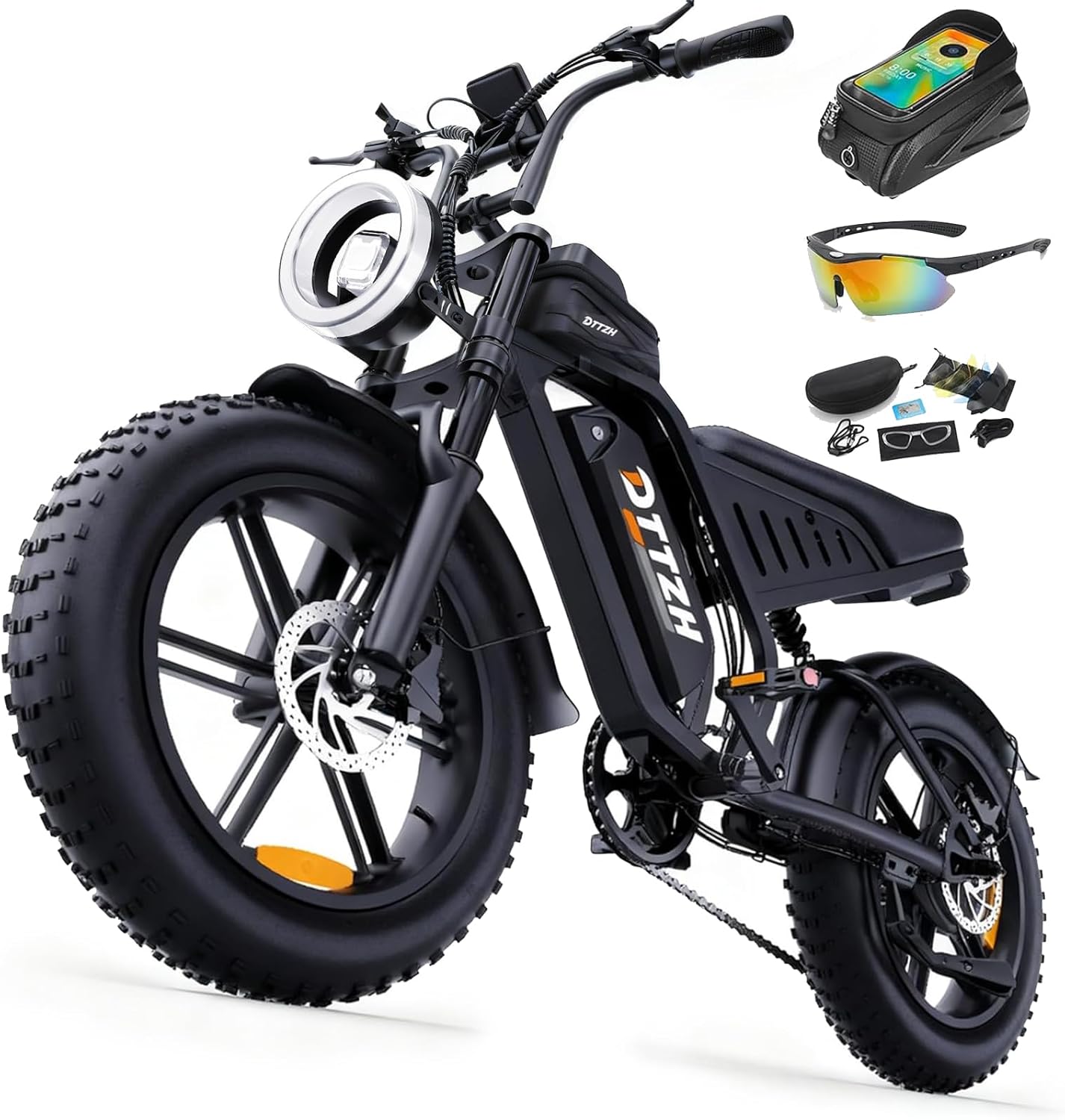
What to Look for When Buying a Full Suspension E-Bike Under $2000
1. Motor Type and Power Output
The motor is the heart of any e-bike, and for full suspension models under $2,000, you’ll typically encounter two types: hub motors and mid-drive motors. Hub motors are mounted in the rear or front wheel and are common in budget-friendly e-bikes due to their simplicity and lower cost. They provide strong acceleration and are generally reliable, but they can feel less natural on steep climbs because the weight isn’t centered over the drivetrain. Mid-drive motors, while rarer in this price range, offer better weight distribution and leverage the bike’s gears for more efficient climbing—ideal for hilly trails or mixed terrain.
Most e-bikes in this category feature motors rated between 500W and 750W, which is sufficient for moderate off-road use and urban commuting. However, pay attention to torque output (measured in Newton-meters or Nm)—a higher torque rating (ideally 60+ Nm) means better hill-climbing ability and responsiveness. For example, a 750W motor with 80Nm of torque will outperform a 750W motor with only 50Nm, especially on technical trails. Also, check if the motor is pedal-assist only or includes a throttle—many budget full suspension e-bikes include a throttle for quick starts or steep inclines, which can be a game-changer for riders with limited leg strength.
2. Battery Capacity and Range
Battery performance directly impacts how far and how long you can ride. Look for a removable lithium-ion battery with a capacity of at least 48V and 13Ah (624Wh), though many 2026 models now offer 15Ah (720Wh) or higher within the $2,000 range. A larger battery doesn’t always mean more range—efficiency depends on motor power, terrain, rider weight, and assist level. Most manufacturers claim 40–70 miles per charge, but real-world testing often shows 30–50 miles under mixed conditions.
Removability is crucial: it allows you to charge the battery indoors, swap in a spare on long trips, or replace it easily when it eventually degrades. Also, check the charging time—most batteries take 4–6 hours to fully charge, but some newer models support fast charging (2–3 hours). Avoid non-removable batteries unless you’re certain you’ll always have access to an outdoor outlet. Finally, verify the battery’s BMS (Battery Management System), which protects against overcharging, overheating, and deep discharge—this is a key safety and longevity feature often overlooked in budget models.
3. Suspension Travel and Adjustability
Full suspension means both front and rear shocks, but not all suspensions are equal. Suspension travel—the distance the shock can compress—typically ranges from 100mm to 150mm on sub-$2,000 e-bikes. For light trail riding or city use, 100–120mm is sufficient. For more aggressive off-roading, aim for 130–150mm. However, travel alone doesn’t define quality—look for adjustable preload, rebound damping, and lockout features. These allow you to tune the suspension for different terrains: lockout for pavement or climbing, soft settings for descents.
Many budget models use coil springs, which are durable but heavier and less tunable than air shocks. Air suspension (like those from RockShox or SR Suntour) offers better weight savings and fine-tuning but may be rare under $2,000. Check if the rear shock is linkage-driven (more efficient) or a simple spring. Also, inspect the fork—brands like Suntour, RST, and Zoom offer reliable performance in this range. Avoid bikes with non-branded or “mystery” suspension components, as they often lack serviceability and durability.
4. Frame Material and Geometry
The frame is the foundation of your e-bike’s durability, weight, and ride quality. In the under-$2,000 category, nearly all full suspension e-bikes use aluminum alloy frames—lightweight, corrosion-resistant, and cost-effective. Look for 6061 or 7005 aluminum, which offer a good balance of strength and weight. Avoid “high-tensile steel” unless you prioritize durability over weight, as steel frames can be significantly heavier.
Geometry affects handling and comfort. A slack head tube angle (65–67 degrees) improves stability on descents, while a steeper angle (68–70 degrees) enhances climbing efficiency. Reach and stack measurements determine how upright or aggressive your riding position is—longer reach means a more stretched-out, performance-oriented stance. For most riders, a balanced geometry with a moderate reach and slack angle offers the best compromise. Also, check for internal cable routing, which protects wires from dirt and damage, and water bottle mounts—small details that add long-term convenience.
5. Braking System
Hydraulic disc brakes are non-negotiable for full suspension e-bikes, especially at higher speeds or on technical terrain. They offer superior stopping power, modulation, and reliability compared to mechanical discs or rim brakes. In the sub-$2,000 range, look for brands like Tektro, Zoom, or Shimano—these offer consistent performance and are widely serviceable. Avoid no-name or generic brake systems, as they often lack spare parts and consistent quality.
Rotor size matters too: 180mm rotors are standard, but 203mm front rotors provide extra stopping power for heavier bikes or steep descents. Check if the brakes are paired with a motor cutoff switch (also called a brake sensor), which cuts power instantly when you squeeze the lever—this is a critical safety feature. Also, consider brake lever ergonomics: adjustable reach and comfortable grip can make a big difference on long rides.
6. Drivetrain and Gearing
The drivetrain determines how smoothly and efficiently you can shift gears. Most budget full suspension e-bikes use 7- to 9-speed Shimano Tourney or Altus groupsets, which are reliable for casual riding but may feel sluggish under heavy load. Higher-end models in this range may feature Shimano Acera or Deore, offering smoother shifts and better durability. Avoid single-speed or 3-speed setups—they limit your ability to tackle varied terrain.
Pay attention to the rear derailleur’s cage length: a long cage accommodates larger cassettes (like 11-42T or 11-50T), giving you a wider gear range for climbing and speed. Also, check if the bike uses a chain or belt drive. Chains are standard and easy to maintain, but belt drives (like Gates Carbon Drive) are quieter, cleaner, and require less maintenance—though they’re rare under $2,000 and may limit gear options.
7. Display and Connectivity
The display is your interface with the bike’s systems. Look for a backlit LCD screen that shows speed, battery level, assist mode, trip distance, and time. Some models include Bluetooth connectivity, allowing you to sync with smartphone apps for navigation, ride tracking, or firmware updates. While not essential, these features enhance usability and future-proof your investment.
Avoid tiny, monochrome displays with poor visibility in sunlight. A well-placed display (usually on the handlebar stem) with intuitive controls makes riding safer and more enjoyable. Also, check if the display is removable—this can deter theft and allow for easier charging or replacement.
8. Weight and Portability
Full suspension e-bikes are inherently heavier than hardtails due to the added frame material and shock components. Expect weights between 55 and 70 pounds in the sub-$2,000 range. While you won’t be carrying it far, weight affects handling, acceleration, and ease of transport. If you plan to load it onto a car rack or store it in an apartment, consider a lighter model (under 60 lbs) with a step-through frame for easier mounting.
Some brands offer folding full suspension e-bikes, but these are rare and often compromise on suspension quality or battery size. If portability is a priority, look for models with quick-release wheels and a compact frame design. However, don’t sacrifice performance for convenience—most riders find the extra weight worth it for the comfort and control of full suspension.
Different Types of Full Suspension E-Bikes Under $2000

Common Buying Mistakes to Avoid
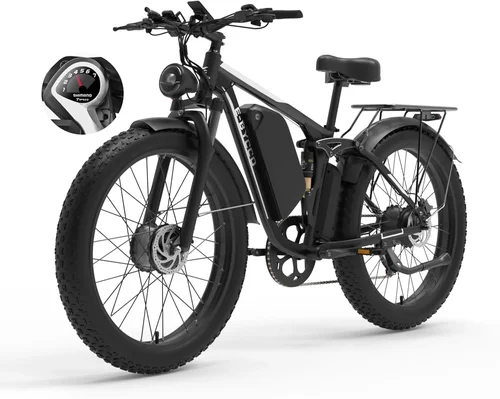
❌ Mistake: Focusing Only on Motor Wattage
Why it’s bad: A 750W motor sounds powerful, but without considering torque, efficiency, and motor placement, you might end up with a bike that struggles on hills or drains the battery quickly. Wattage is just one piece of the puzzle.
What to do instead: Prioritize torque (aim for 60+ Nm) and motor type. A 500W mid-drive with high torque can outperform a 750W hub motor on steep climbs. Read real-world reviews to see how the motor performs under load.
❌ Mistake: Ignoring Battery Removability
Why it’s bad: Non-removable batteries make charging inconvenient, especially if you live in an apartment or park your bike outdoors. They also complicate repairs and replacements.
What to do instead: Always choose a model with a removable battery. It’s a small feature that greatly enhances usability and long-term value.
❌ Mistake: Overlooking Suspension Quality
Why it’s bad: Cheap suspension can bottom out on small bumps or feel overly stiff, ruining the comfort advantage of full suspension. It can also wear out quickly, requiring costly repairs.
What to do instead: Look for reputable suspension brands (Suntour, RST, Zoom) and check for adjustability. Test ride if possible—feel how the bike handles bumps and drops.
❌ Mistake: Skipping the Test Ride
Why it’s bad: E-bikes feel different from regular bikes. Weight distribution, pedal assist responsiveness, and handling vary widely between models. Buying sight unseen can lead to disappointment.
What to do instead: Visit local dealers or attend e-bike demo events. If buying online, choose retailers with generous return policies (30+ days) and free shipping both ways.
❌ Mistake: Neglecting Warranty and Support
Why it’s bad: E-bikes have complex electronics and moving parts. A weak warranty or poor customer service can leave you stranded with a broken bike and no help.
What to do instead: Choose brands with at least a 1-year comprehensive warranty and responsive support. Check online forums for user experiences with repairs and replacements.
❌ Mistake: Choosing Based on Looks Alone
Why it’s bad: A sleek design doesn’t guarantee performance. Some bikes prioritize aesthetics over functionality, using thin frames or undersized components.
What to do instead: Focus on specs, build quality, and user reviews. A bike that looks good but rides poorly will quickly become a garage ornament.
❌ Mistake: Forgetting About Maintenance
Why it’s bad: Full suspension e-bikes require more maintenance than hardtails—shocks need servicing, cables stretch, and electronics can fail. Ignoring upkeep shortens the bike’s lifespan.
What to do instead: Learn basic maintenance (cleaning, lubrication, brake adjustments) and budget for annual professional tune-ups. Choose a bike with widely available parts.
Budget Guidelines: How Much Should You Spend?
Entry-Level ($1,200–$1,500): In this range, expect basic components: 500W hub motor, 48V 13Ah battery, mechanical disc brakes, and minimal suspension adjustability. These bikes are great for casual riders or those new to e-biking. Brands like Lectric and Engwe offer solid value here, but be prepared for heavier frames and limited service networks.
Mid-Range ($1,500–$1,800): This is the sweet spot for most buyers. You’ll find 750W motors, hydraulic disc brakes, better suspension (120–140mm travel), and improved displays. Bikes like the Rad Power Bikes RadRover 6 Plus or Aventon Aventure.2 deliver excellent performance for the price, with reliable batteries and decent warranties.
Premium ($1,800–$2,000): At the top of the budget, you gain access to higher-end components: air suspension, Shimano Deore drivetrains, larger batteries (15Ah+), and advanced displays with app connectivity. Models like the Himiway Cobra Pro or Engwe Engine Pro 2.0 offer near-pro-level features without crossing the $2,000 threshold.
Luxury ($2,000+): While this guide focuses on sub-$2,000 options, it’s worth noting that spending slightly more can unlock mid-drive motors, carbon frames, and premium brands. However, for most riders, the performance gains may not justify the cost unless you’re a serious enthusiast.
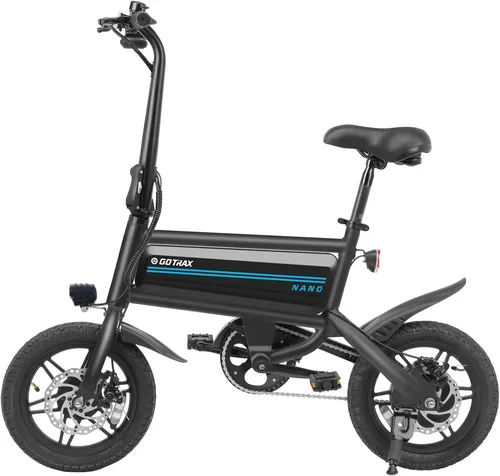
Expert Tips for Getting the Best Deal
1. Buy During Seasonal Sales: The best time to buy an e-bike is in late fall or winter (October–February), when retailers clear inventory for new models. Black Friday, Cyber Monday, and end-of-year sales often feature discounts of 10–20%.
2. Shop Direct from Manufacturers: Brands like Rad Power Bikes, Lectric, and Aventon sell directly to consumers, cutting out middlemen and offering better prices. They also frequently run promotions and bundle deals (e.g., free helmet, lock, or rack).
3. Check for Refurbished or Open-Box Models: Many brands sell certified refurbished e-bikes at 15–30% off. These are thoroughly tested and come with warranties, making them a smart way to save.
4. Compare Total Cost of Ownership: Factor in shipping, assembly, and potential upgrades. Some retailers offer free shipping and assembly, while others charge extra. Also, consider the cost of replacement parts and service.
5. Read User Reviews, Not Just Specs: Manufacturer specs can be misleading. Look for long-term reviews on YouTube, Reddit (r/ebikes), or specialized forums. Pay attention to comments about battery life, reliability, and customer service.
6. Test Ride Before Buying: If possible, visit a local dealer or attend a demo day. Feel how the bike handles, check the ergonomics, and test the pedal assist and throttle response.
7. Understand the Warranty: A good warranty covers the frame, motor, battery, and electronics for at least one year. Some brands offer extended warranties for an extra fee—consider it if you plan to keep the bike long-term.
8. Consider Resale Value: While e-bikes depreciate quickly, some brands (like Rad and Aventon) hold value better due to strong community support and parts availability. This matters if you plan to upgrade in a few years.
Frequently Asked Questions
Q: Can I ride a full suspension e-bike on pavement?
A: Absolutely. While designed for off-road use, full suspension e-bikes handle pavement well, especially with lockout suspension. The added comfort makes long commutes or city rides more enjoyable, even on smooth surfaces.
Q: How often do I need to service the suspension?
A: Most manufacturers recommend servicing shocks every 50–100 hours of riding or annually. This includes cleaning, lubricating seals, and checking for wear. DIY maintenance is possible, but professional service ensures optimal performance.
Q: Will a full suspension e-bike fit on a car rack?
A: It depends on the rack and bike weight. Most hitch-mounted racks support up to 60 lbs per bike. Full suspension models often exceed this, so look for heavy-duty racks or consider a platform-style carrier with wheel trays.
Q: Can I upgrade components later?
A: Yes, but with limitations. You can upgrade brakes, drivetrain, or tires, but motor and battery upgrades are rarely feasible due to compatibility issues. Choose a bike with standard components for easier future upgrades.
Q: Are full suspension e-bikes legal everywhere?
A: In most U.S. states and countries, e-bikes with motors under 750W and top speeds of 20 mph (Class 1 and 2) are legal on bike paths and roads. However, some trails restrict e-bike use—check local regulations before heading out.
Q: How long does the battery last?
A: Lithium-ion batteries typically last 500–1,000 charge cycles, or 2–4 years with regular use. Proper care (avoiding extreme temperatures, not draining to 0%) can extend lifespan.
Q: Do I need special insurance for an e-bike?
A: Most homeowners or renters insurance covers e-bikes, but high-value models may require a separate policy. Check with your insurer, especially if you ride in high-theft areas.
Q: Can I ride in the rain?
A: Yes, but avoid submerging the bike or charging a wet battery. Most e-bikes are water-resistant (IP65 rating), but prolonged exposure can damage electronics. Dry the bike after wet rides.
Q: What’s the difference between Class 1, 2, and 3 e-bikes?
A: Class 1: pedal-assist only, up to 20 mph. Class 2: includes throttle, up to 20 mph. Class 3: pedal-assist only, up to 28 mph. Full suspension models under $2,000 are usually Class 1 or 2.
Q: How do I store my e-bike in winter?
A: Store in a dry, temperature-controlled space. Remove the battery and store it at 50–70% charge. Charge it every 2–3 months to prevent deep discharge.
Our Final Recommendations
Best for Budget-Conscious Buyers: Lectric XP 3.0 Full Suspension – At just $1,299, this bike punches above its weight with 750W motor, 48V 13.4Ah battery, and 120mm suspension. Ideal for casual riders and light trail use.
Best Overall Value: Rad Power Bikes RadRover 6 Plus – Priced at $1,799, it offers a powerful 750W motor, 48V 14Ah battery, hydraulic brakes, and excellent customer support. A proven favorite among commuters and adventurers.
Best Premium Option: Himiway Cobra Pro – At $1,999, it features a 750W motor, 48V 17.5Ah battery, air suspension, and fat tires. Perfect for serious off-roaders who want maximum range and comfort.
Best for Beginners: Aventon Aventure.2 – With intuitive controls, step-through option, and smooth ride quality, this $1,799 bike is beginner-friendly without sacrificing performance.
Best for Advanced Users: Engwe Engine Pro 2.0 – At $1,899, it includes a 750W motor, 48V 15Ah battery, and aggressive trail geometry. Great for riders who want a capable off-road machine on a budget.
Conclusion: Making the Right Choice
Choosing the best full suspension e-bike under $2,000 doesn’t have to be overwhelming. By focusing on key factors like motor performance, battery capacity, suspension quality, and build durability, you can find a bike that delivers exceptional value and enjoyment. Remember, the “best” bike is the one that fits your riding style, terrain, and budget—not the one with the flashiest specs.
Avoid common pitfalls like ignoring warranty, skipping test rides, or fixating on wattage. Instead, prioritize real-world performance, user feedback, and long-term reliability. Whether you’re cruising city streets, exploring mountain trails, or simply seeking a more comfortable commute, a well-chosen full suspension e-bike can transform your riding experience.
Take your time, do your research, and don’t rush the decision. With the insights from this guide, you’re equipped to make a confident, informed purchase. Happy riding—and welcome to the future of electric mobility.