
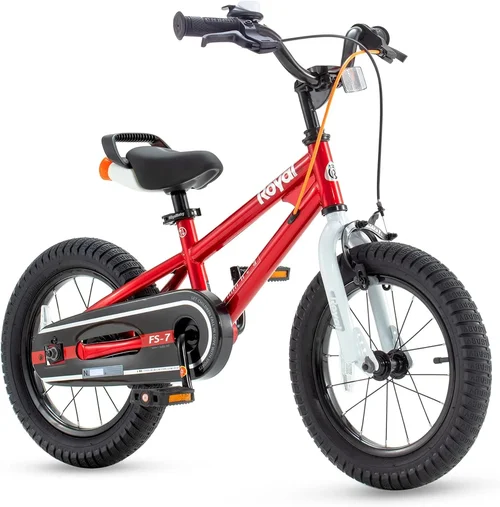
Electric bikes for kids are no longer just a futuristic fantasy—they’re here, and they’re transforming how children explore the outdoors, commute to school, or simply enjoy weekend adventures. As parents and guardians seek safer, more sustainable, and fun alternatives to traditional bikes or scooters, electric bikes (e-bikes) designed specifically for younger riders have surged in popularity. These pedal-assist or throttle-powered machines offer a perfect blend of independence, exercise, and excitement, all while keeping safety and age-appropriate performance at the forefront.
But with so many models flooding the market—ranging from budget-friendly starter e-bikes to high-performance machines built for off-road trails—choosing the right one can feel overwhelming. That’s exactly why this comprehensive buying guide exists. Whether you’re a first-time buyer or upgrading your child’s current ride, this guide will walk you through every critical factor to consider, from motor power and battery life to frame size and safety features. You’ll learn how to balance cost with quality, avoid common pitfalls, and ultimately select an electric bike that matches your child’s age, skill level, and riding environment.
The kids’ e-bike market has evolved rapidly over the past few years. What started as niche products from a handful of brands has blossomed into a competitive landscape featuring established names like Rad Power Bikes, Specialized, Trek, and emerging innovators such as Woom, Prevelo, and Lectric. These companies now offer purpose-built electric bikes tailored for children aged 4 to 14, with features like adjustable seats, lightweight aluminum frames, regenerative braking, and even smartphone connectivity. With advancements in battery technology, motor efficiency, and safety standards, today’s kids’ e-bikes are safer, more reliable, and more fun than ever before. This guide will help you navigate that landscape with confidence.

What to Look for When Buying a Kids Electric Bike
1. Age, Weight, and Height Compatibility
One of the most crucial—and often overlooked—factors when buying a kids’ electric bike is ensuring it fits your child properly. A bike that’s too big or too small can compromise control, comfort, and safety. Most manufacturers specify recommended age ranges (e.g., 4–7 years, 8–12 years), but these should be treated as guidelines rather than strict rules. Instead, focus on your child’s actual height and inseam measurement.
For younger riders (ages 4–6), look for bikes with 16- or 20-inch wheels and low standover heights—typically under 20 inches. These allow kids to easily put both feet flat on the ground when stopped, boosting confidence and stability. For older children (ages 8–12), 24-inch wheels are common, with standover heights between 22 and 26 inches. Always check the manufacturer’s sizing chart and, if possible, have your child test ride the bike before purchasing.
Weight also matters. Kids’ e-bikes typically range from 30 to 50 pounds. While heavier bikes may offer more durability, they can be difficult for smaller children to maneuver, especially when the battery dies or they need to carry the bike upstairs. Aim for a balance: a sturdy build that doesn’t overwhelm your child’s strength.
2. Motor Type and Power Output
The motor is the heart of any electric bike, and for kids, it needs to deliver smooth, controllable assistance without overwhelming their natural pedaling. Most kids’ e-bikes use hub motors—either front or rear—because they’re simple, reliable, and cost-effective. Mid-drive motors are rare in this segment due to their complexity and higher price point.
Motor power is measured in watts (W). For children, motors typically range from 250W to 500W. In the U.S., federal law limits e-bikes to 750W maximum, but most kids’ models stay well below that for safety reasons. A 250W motor is sufficient for flat terrain and light hills, ideal for beginners or casual riders. A 350W–500W motor offers more torque and speed, better suited for older kids or hilly areas.
More important than raw power is how the motor delivers assistance. Look for bikes with pedal-assist systems (PAS) that activate gradually as your child pedals. Throttle-only models (where the motor runs without pedaling) can be fun but may encourage laziness or unsafe speeds. Many modern kids’ e-bikes combine both: PAS for exercise and learning, and a limited throttle for emergencies or tired legs.
Also consider torque sensitivity. High-torque motors can jerk forward unexpectedly, which is risky for inexperienced riders. Opt for models with smooth, responsive motor tuning—brands like Woom and Prevelo are known for their refined motor integration.
3. Battery Life and Charging Time
Battery performance directly impacts how far and how long your child can ride. Kids’ e-bike batteries are usually lithium-ion, ranging from 250Wh to 500Wh. Battery life depends on several factors: motor power, terrain, rider weight, assist level, and tire pressure. Most manufacturers provide estimated range per charge—typically 15 to 40 miles—but real-world results often fall on the lower end.
For younger kids riding short distances (e.g., around the neighborhood or to school), a 250Wh–300Wh battery is usually sufficient. Older kids who venture farther or ride on trails may benefit from 400Wh+ batteries. Always check if the battery is removable—this makes charging easier and allows you to carry a spare on long trips.
Charging time varies from 2 to 6 hours. Faster chargers (e.g., 4A vs. 2A) reduce downtime but may shorten battery lifespan if used excessively. Look for batteries with built-in protection circuits to prevent overcharging, overheating, or deep discharge. Water resistance (IPX4 or higher) is also important if your child rides in light rain.
Finally, consider battery placement. Some bikes mount the battery low on the downtube for better center of gravity; others place it on the rear rack. Low-mounted batteries improve handling, especially on uneven terrain.
4. Safety Features and Braking System
Safety should be your top priority when selecting a kids’ electric bike. Unlike adult e-bikes, children’s models must prioritize control, predictability, and fail-safes. Start with the braking system. Disc brakes—either mechanical or hydraulic—are far superior to rim brakes for e-bikes because they provide consistent stopping power regardless of speed or weather.
Hydraulic disc brakes offer the best performance but are more expensive and require professional maintenance. Mechanical disc brakes are easier to adjust and repair, making them a solid choice for families. Avoid coaster brakes (pedal-backward brakes) on e-bikes—they don’t work well with motor assistance and can lead to skidding.
Other essential safety features include:
- Speed limiters: Many kids’ e-bikes allow parents to set maximum speeds (e.g., 10 mph, 15 mph) via a hidden menu or app. This is invaluable for younger or less experienced riders.
- LED lights: Front and rear lights improve visibility during dawn, dusk, or overcast conditions. Look for models with automatic light activation or USB-rechargeable units.
- Reflectors and reflective tape: These enhance side visibility and are often required by local laws.
- Bell or horn: A simple but effective tool for alerting pedestrians or other cyclists.
- Stability aids: Some bikes include training wheels or balance-assist modes for beginners.
Additionally, check if the bike complies with safety standards like CPSC (Consumer Product Safety Commission) or EN 15194 (European e-bike standard). These certifications ensure the bike has undergone rigorous testing for structural integrity, electrical safety, and braking performance.
5. Build Quality and Frame Material
A well-built frame ensures longevity, safety, and a smoother ride. Most kids’ e-bikes use aluminum alloy frames because they’re lightweight, rust-resistant, and strong enough to handle rough use. High-quality alloys like 6061 or 7005 offer excellent strength-to-weight ratios and are commonly found in mid-to-high-end models.
Avoid steel frames unless they’re specifically designed for durability (e.g., for off-road use). Steel is heavier and more prone to rust, which can be problematic for kids who may not store their bikes indoors. Carbon fiber is rare in kids’ e-bikes due to cost and fragility, though some premium brands offer it for reduced weight.
Pay attention to weld quality and finish. Smooth, clean welds indicate better manufacturing standards. Powder-coated finishes resist scratches and corrosion better than painted surfaces. Also, check for reinforced stress points—especially around the head tube, bottom bracket, and rear dropout—where cracks are most likely to form.
Suspension is another consideration. Full suspension (front and rear) is overkill for most kids and adds weight and cost. A front suspension fork (with 60–80mm travel) is sufficient for light trails or bumpy sidewalks. Rigid forks (no suspension) are lighter and more efficient for paved paths and are ideal for younger riders.
6. Tires and Terrain Suitability
Tires play a huge role in traction, comfort, and rolling resistance. Kids’ e-bikes typically come with either slick, semi-slick, or knobby tires, depending on intended use.
- Slick tires: Best for pavement and smooth surfaces. They offer low rolling resistance and good efficiency but poor grip on dirt or wet roads.
- Semi-slick tires: A hybrid option with a smooth center tread and light knobs on the edges. Great for mixed terrain—city streets with occasional gravel paths.
- Knobby tires: Designed for off-road use. They provide excellent grip on dirt, mud, and grass but increase rolling resistance and noise on pavement.
Tire width also matters. Narrower tires (1.75”–2.0”) are faster and lighter; wider tires (2.2”–2.5”) offer more stability and cushioning. For younger kids, wider tires can boost confidence by reducing the chance of tipping.
Always check tire pressure recommendations. Underinflated tires wear out faster and make pedaling harder. Many modern e-bikes include puncture-resistant liners or tubeless-ready rims to prevent flats—a major plus for parents tired of patching tubes.
7. Ease of Use and Control Layout
Kids’ e-bikes should be intuitive and easy to operate. Look for simple control interfaces: a small LCD or LED display showing speed, battery level, and assist mode. Avoid overly complex dashboards with unnecessary features.
The throttle (if included) should be a twist-grip or thumb lever—not a button—for better ergonomics and control. Pedal-assist levels (usually 3–5 modes) should be easy to switch while riding. Some bikes use color-coded buttons (green = eco, blue = normal, red = sport), which kids find engaging.
Gear shifting is another consideration. Single-speed bikes are simplest and require minimal maintenance—ideal for flat areas. Multi-speed bikes (5–7 gears) offer versatility for hills and varied terrain but add complexity. Internal gear hubs (like Shimano Nexus) are sealed and low-maintenance, making them a smart choice for kids.
Finally, ensure all cables are neatly routed and protected. Exposed wires can snag or get damaged, leading to electrical issues. Internal cable routing is a premium feature but greatly improves durability and aesthetics.
8. Brand Reputation and Customer Support
Not all e-bike brands are created equal. Established companies like Rad Power Bikes, Trek, and Specialized have proven track records, extensive dealer networks, and reliable customer service. Emerging brands like Woom, Prevelo, and Lectric focus specifically on kids and often innovate faster in this niche.
Research online reviews, especially from parents who’ve owned the bike for 6+ months. Look for patterns: Are batteries failing prematurely? Do motors overheat? Is assembly difficult? YouTube reviews and forums like Reddit’s r/ebikes or r/kidse bikes offer real-world insights.
Customer support is critical. Can you get replacement parts easily? Is there a local service center? Do they offer phone, email, or chat support? Brands with U.S.-based support teams (like Rad Power Bikes) tend to resolve issues faster than overseas manufacturers.
Also consider community and resources. Some brands offer online tutorials, maintenance guides, or even virtual fitting tools. These extras add value beyond the initial purchase.
9. Warranty and Return Policy
A good warranty protects your investment and reflects the manufacturer’s confidence in their product. Most reputable brands offer at least a 1-year warranty on the frame and motor, and 6–12 months on the battery and electronics. Premium brands may extend coverage to 2–3 years.
Read the fine print: Does the warranty cover normal wear and tear? What about accidental damage? Is it transferable if you sell the bike? Some companies require registration within 30 days to activate coverage.
Return policies are equally important, especially for online purchases. Look for at least a 14-day return window (30 days is ideal). Some retailers, like REI or Backcountry, offer generous return windows even for assembled bikes. Avoid sellers with “final sale” policies unless you’re certain of the fit and quality.
If buying online, check if the bike comes partially assembled and whether you’ll need tools or professional help to complete setup. Many brands include detailed instructions and video guides, but complex builds may require a local bike shop’s assistance.
Different Types of Kids Electric Bikes

Common Buying Mistakes to Avoid
❌ Mistake: Prioritizing Price Over Safety
Why it’s bad: Cheap e-bikes often cut corners on brakes, battery quality, and frame integrity. A $400 bike might save money upfront but could pose serious risks—like brake failure or battery fires—especially under the stress of motorized riding.
What to do instead: Set a minimum safety threshold. Even budget bikes should have disc brakes, a reputable battery brand (e.g., Samsung, LG cells), and CPSC certification. Spend a little more for peace of mind.
❌ Mistake: Ignoring Fit and Sizing
Why it’s bad: A bike that doesn’t fit can lead to poor posture, reduced control, and accidents. Kids may avoid riding altogether if the bike feels unwieldy or uncomfortable.
What to do instead: Use sizing charts, measure your child’s inseam, and prioritize standover height. If possible, visit a local dealer for a test ride or order from a retailer with a flexible return policy.
❌ Mistake: Overestimating Your Child’s Skill Level
Why it’s bad: Giving a beginner a high-speed, high-torque e-bike can be dangerous. Kids may panic when the motor kicks in or lose control on hills.
What to do instead: Start with a lower-power model (250W–350W) and use speed limiters. Gradually increase capability as your child gains confidence and skill.
❌ Mistake: Neglecting Maintenance Requirements
Why it’s bad: E-bikes have more components than regular bikes—batteries, motors, electronics—all requiring care. Ignoring maintenance leads to premature failure and safety hazards.
What to do instead: Learn basic upkeep: check tire pressure weekly, clean the chain monthly, and store the battery properly. Keep a maintenance log and schedule professional tune-ups annually.
❌ Mistake: Buying Based on Looks Alone
Why it’s bad: Flashy colors or cool designs don’t guarantee quality. Some brands prioritize aesthetics over engineering, resulting in fragile frames or weak motors.
What to do instead: Focus on specs and reviews first. Let your child choose color or decals after narrowing down safe, reliable options.
❌ Mistake: Assuming All E-Bikes Are Street-Legal
Why it’s bad: Laws vary by state and country. Some areas restrict e-bike use on sidewalks, trails, or for riders under a certain age. Riding illegally can result in fines or confiscation.
What to do instead: Research local regulations. In the U.S., Class 1 and Class 2 e-bikes (pedal-assist only or throttle up to 20 mph) are widely permitted. Avoid Class 3 (28 mph) for younger kids unless explicitly allowed.
❌ Mistake: Skipping the Test Ride
Why it’s bad: Online photos and specs don’t reveal how a bike handles. Weight distribution, brake feel, and motor responsiveness are best assessed in person.
What to do instead: Attend demo days, visit local shops, or choose retailers that offer trial periods. If buying online, ensure returns are hassle-free.
Budget Guidelines: How Much Should You Spend?
Kids’ electric bikes span a wide price range, and understanding what you get at each tier helps set realistic expectations.
Entry-Level ($600–$1,200): These bikes are ideal for beginners and casual riders. Expect aluminum frames, 250W–350W hub motors, basic LCD displays, and mechanical disc brakes. Battery life is modest (15–25 miles), and features like lights or fenders may be optional. Brands like Ancheer, ECOTRIC, and Swagtron dominate this space. While functional, they may lack refinement in motor tuning or build quality.
Mid-Range ($1,200–$2,000): This is the sweet spot for most families. Bikes in this range offer better components: hydraulic disc brakes, higher-capacity batteries (350Wh–450Wh), improved suspension, and smoother motor integration. Brands like Rad Power Bikes (RadKid), Woom, and Prevelo excel here. You’ll also find more safety features, better warranties, and thoughtful design details like internal cable routing.
Premium ($2,000–$3,000): Designed for serious young riders, these e-bikes boast top-tier specs: 500W motors, 500Wh+ batteries, full suspension (on trail models), and advanced electronics. Expect app connectivity, GPS tracking, customizable ride modes, and premium materials. Specialized, Trek, and high-end Lectric models fall into this category. These bikes are built to last through multiple growth stages and demanding use.
Luxury ($3,000+): At this level, you’re paying for cutting-edge innovation, ultra-lightweight construction, and brand prestige. Features may include carbon fiber frames, regenerative braking, AI-assisted coaching, or integration with smart helmets. These are rare and typically targeted at competitive youth riders or tech enthusiasts.
Expert Tips for Getting the Best Deal
- Shop during off-seasons: Late fall and winter are ideal times to buy. Retailers often discount last year’s models to clear inventory. Look for Black Friday, Cyber Monday, or end-of-year sales.
- Buy directly from manufacturers: Brands like Rad Power Bikes and Lectric often offer exclusive discounts, free shipping, or bundled accessories (helmets, locks) when you purchase directly.
- Check for trade-in or upgrade programs: Some companies let you trade in an old bike for credit toward a new one. This is great as your child grows.
- Use cashback and rewards: Credit cards with cashback or sites like Rakuten can save 2–5% on large purchases. Combine with sales for maximum savings.
- Read the warranty carefully: Don’t assume everything is covered. Know what’s included and how to file a claim. Register your bike promptly.
- Inspect upon delivery: Check for shipping damage, missing parts, or assembly errors. Take photos before unboxing and contact support immediately if issues arise.
- Join online communities: Forums and Facebook groups often share exclusive promo codes, flash sales, or user reviews you won’t find elsewhere.
- Consider certified pre-owned: Some retailers sell refurbished e-bikes with warranties at 20–40% off retail. These are thoroughly inspected and can be a smart budget option.

Frequently Asked Questions
Q: Are electric bikes safe for kids?
A: Yes, when chosen and used appropriately. Look for bikes with speed limiters, quality brakes, and age-appropriate sizing. Always supervise younger riders and ensure they wear helmets.
Q: What age is appropriate for a kids’ e-bike?
A: Most start at age 4–5 with 16-inch models. However, maturity and coordination matter more than age. Some 6-year-olds are ready; others may need to wait until 7 or 8.
Q: Do kids need a license to ride an e-bike?
A: In most U.S. states, no license is required for Class 1 or Class 2 e-bikes. However, some cities or parks may have restrictions. Always check local laws.
Q: How fast do kids’ e-bikes go?
A: Most are limited to 10–15 mph for safety. Higher-end models may reach 20 mph, but parental controls can cap speed.
Q: Can kids ride e-bikes on sidewalks?
A: It depends on local regulations. Many cities prohibit e-bikes on sidewalks, especially for older kids. Stick to bike lanes or quiet streets when possible.
Q: How long do e-bike batteries last?
A: Lithium-ion batteries typically last 500–1,000 charge cycles, or 2–4 years with regular use. Proper care (avoiding extreme temps, not draining to 0%) extends lifespan.
Q: Can I convert a regular kids’ bike to electric?
A: Yes, with conversion kits, but it’s rarely recommended. DIY conversions often compromise safety, balance, and warranty. Purpose-built e-bikes are safer and more reliable.
Q: What should my child wear while riding?
A: Always a helmet. Add knee and elbow pads for off-road use. Bright clothing and reflective gear improve visibility.
Q: How do I maintain a kids’ e-bike?
A: Clean regularly, check tire pressure, lubricate the chain, and inspect brakes monthly. Store indoors and charge the battery every few months if not in use.
Q: Can adults ride kids’ e-bikes?
A: Generally no. Kids’ e-bikes have lower weight limits (usually 120–180 lbs) and smaller frames. Adult use can damage the bike and void warranties.
Our Final Recommendations
Best for Budget-Conscious Buyers: Rad Power Bikes RadKid 16 – At around $999, it offers excellent value with a 250W motor, removable battery, and Rad’s reliable support. Perfect for ages 4–7.
Best Overall Value: Woom XPRESS 20 – Priced at $1,599, this Austrian-designed e-bike combines lightweight construction, smooth Bosch motor integration, and child-centric ergonomics. Ideal for ages 6–9.
Best Premium Option: Specialized Turbo Levo SL Kids – At $3,200, it’s a high-performance machine with a 24-inch wheel, 32Nm motor, and app connectivity. Built for serious young trail riders aged 8–12.
Best for Beginners: Prevelo Alpha Three – With a low standover, intuitive controls, and parental speed limits, this $1,399 bike is perfect for first-time e-bike riders aged 5–8.
Best for Advanced Users: Lectric XP 2.0 Kids – A versatile 20-inch folding e-bike with 500W motor, 45-mile range, and rugged build. Great for older kids (ages 8–12) who want adventure and portability.
Conclusion: Making the Right Choice
Choosing the best electric bike for your child is about more than just speed or style—it’s about safety, fit, and fostering a lifelong love of riding. By focusing on key factors like motor power, battery life, braking performance, and age-appropriate design, you can find a bike that grows with your child and withstands the rigors of daily use. Avoid common pitfalls like overspending on unnecessary features or underestimating maintenance needs.
Remember, the perfect e-bike balances fun with responsibility. It should empower your child to explore, exercise, and build confidence—all while keeping them safe. Whether you’re shopping for a first-time rider or upgrading to a trail-ready machine, use this guide as your roadmap. Prioritize quality over gimmicks, involve your child in the decision, and don’t hesitate to seek expert advice from local bike shops or online communities.
With the right electric bike, your child won’t just get from point A to point B—they’ll discover a world of adventure, independence, and joy on two wheels. So gear up, charge that battery, and let the journey begin.