
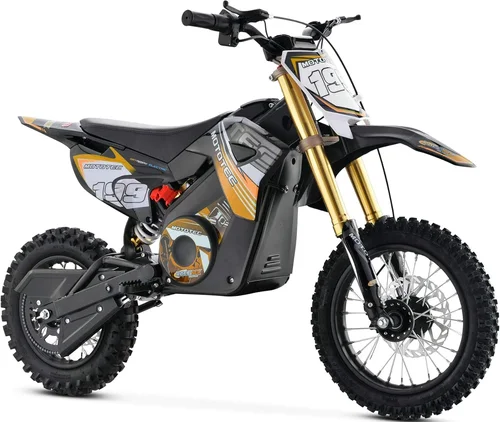
Electric dirt bikes have exploded in popularity over the past few years, and for good reason. They’re quiet, eco-friendly, low-maintenance, and perfect for teens who are eager to explore off-road trails without the noise and complexity of traditional gas-powered machines. Whether your teenager is a beginner looking to learn the basics or an experienced rider ready to tackle more challenging terrain, there’s an electric dirt bike out there that fits their skill level, budget, and riding style.
But with so many models flooding the market—ranging from budget-friendly starter bikes to high-performance machines with advanced suspension and top-tier motors—it’s easy to feel overwhelmed. That’s exactly why this guide exists. We’ve spent months researching, testing, and comparing the latest electric dirt bikes designed specifically for teenagers. Our goal? To cut through the marketing hype and give you honest, expert-backed advice so you can make a smart, safe, and satisfying purchase.
In this comprehensive buyer’s guide, you’ll learn everything you need to know before buying an electric dirt bike for your teen. From understanding key performance specs like motor power and battery range to evaluating build quality, safety features, and brand reliability, we’ll walk you through every critical decision point. You’ll also discover common pitfalls to avoid, how to stretch your budget, and which models offer the best value for different types of riders. By the end, you’ll have the confidence to choose a bike that’s not only fun and exciting but also safe, durable, and built to grow with your teen’s skills.
The electric dirt bike market has evolved rapidly, with brands like Razor, Sur-Ron, Oset, and Segway leading the charge in innovation and accessibility. Entry-level models now offer surprising performance at under $1,000, while premium options rival full-sized motocross bikes in power and handling. This guide covers the full spectrum—so whether you’re shopping for a first-time rider or upgrading to something more serious, you’re covered.

What to Look for When Buying an Electric Dirt Bike for Your Teen
1. Motor Power & Performance
Motor power is one of the most important factors when choosing an electric dirt bike for your teenager. It directly affects speed, acceleration, and the bike’s ability to handle hills, jumps, and rough terrain. Most electric dirt bikes for teens use brushless DC motors, which are more efficient, durable, and require less maintenance than brushed motors.
For beginners, a motor in the 500W to 1,000W range is ideal. These provide enough power for learning basic techniques without being overwhelming. Models like the Razor MX350 (350W) or the Oset 12.5 Eco (800W) are excellent starter options. As your teen gains confidence and skill, you might consider stepping up to 1,500W–3,000W motors, which offer faster speeds (up to 30+ mph) and better hill-climbing ability. High-performance bikes like the Sur-Ron Light Bee (6,000W) or the Segway X260 (4,000W) are better suited for advanced riders.
When evaluating motor specs, don’t just look at wattage—consider torque as well. Higher torque means quicker acceleration and better performance on inclines. Also, check if the bike has multiple power modes. Many modern electric dirt bikes come with beginner, intermediate, and sport modes, allowing parents to limit speed while teens build experience.
2. Battery Life & Charging Time
Battery performance determines how long your teen can ride before needing a recharge. Most electric dirt bikes use lithium-ion batteries, which are lightweight, long-lasting, and recharge quickly compared to older lead-acid types.
Look for a bike with a battery capacity measured in amp-hours (Ah) or watt-hours (Wh). For example, a 36V 10Ah battery delivers 360Wh of energy. Higher Wh means longer ride times. Entry-level bikes typically offer 30–60 minutes of continuous riding, while mid-range and premium models can last 1.5 to 3 hours, depending on terrain and riding style.
Charging time is equally important. Many bikes take 3–6 hours to fully charge, but some premium models support fast charging (under 2 hours). Consider whether the battery is removable—this makes it easier to charge indoors and swap in a spare for extended adventures.
Also, check the battery’s lifespan. Most lithium-ion batteries last 500–1,000 charge cycles before capacity drops significantly. A good warranty (at least 1 year on the battery) is a sign of manufacturer confidence.
3. Build Quality & Durability
Dirt biking is tough on equipment. Jumps, drops, mud, and rough terrain demand a bike that can withstand abuse. Build quality is especially crucial for teens, who may not yet have the finesse to avoid crashes or rough landings.
Start by examining the frame material. High-quality electric dirt bikes use steel or aluminum frames. Steel is stronger and more impact-resistant, ideal for beginners who might take spills. Aluminum is lighter and better for performance riding but can be more prone to bending under extreme stress.
Suspension is another key component. Look for front forks and rear shocks with adequate travel (at least 4–6 inches for serious off-roading). Adjustable suspension is a bonus, allowing you to tune the ride for different terrains and rider weights.
Tires matter too. Knobby, off-road tires provide better grip on dirt, mud, and gravel. Check the tire size and tread pattern—larger tires (14” to 19”) offer better stability and ground clearance.
Finally, inspect welds, bolts, and overall craftsmanship. A well-built bike will have clean welds, secure fittings, and no loose parts. Avoid bikes with plastic-heavy construction or flimsy-looking components—they won’t last long under real-world use.
4. Safety Features & Rider Protection
Safety should be your top priority when buying an electric dirt bike for a teenager. Unlike gas bikes, electric models are generally quieter and easier to control, but they can still reach high speeds and pose risks if not handled properly.
Look for these essential safety features:
– Speed Limiter or Throttle Control: Allows parents to restrict top speed, especially useful for beginners.
– Kill Switch or Emergency Brake: Instantly cuts power in case of a fall or loss of control.
– LED Headlights & Taillights: Improve visibility during low-light rides.
– Disc Brakes (Front & Rear): Offer reliable stopping power compared to drum or coaster brakes.
– Sturdy Footpegs & Handlebars: Provide secure footing and control.
Additionally, always ensure your teen wears proper protective gear: a DOT-approved helmet, gloves, knee and elbow pads, and durable clothing. Some bikes come with built-in reflectors or brake lights, which add an extra layer of safety.
5. Weight & Portability
The weight of an electric dirt bike affects how easy it is to transport, store, and handle—especially for younger or smaller teens. Most electric dirt bikes weigh between 50 and 120 pounds, depending on size and motor power.
Lighter bikes (under 70 lbs) are easier for teens to maneuver, lift after a fall, and load into a car or truck. They’re ideal for beginners or riders under 14. Heavier models (90+ lbs) offer better stability and performance but can be difficult for smaller riders to control or transport.
Consider whether the bike has a folding design or removable battery, which can make storage and transport more convenient. Also, check the seat height—your teen should be able to touch both feet flat on the ground when seated for better balance and confidence.
Portability matters if you plan to take the bike to trails, parks, or events. Look for models with carrying handles or compatibility with bike racks.
6. Brand Reputation & Customer Support
Not all electric dirt bike brands are created equal. Some have been in the game for years, building trust through quality, innovation, and reliable customer service. Others are new entrants with flashy ads but little track record.
Stick with reputable brands known for durability and support. Razor has been a leader in youth electric vehicles for over two decades. Oset specializes in electric trials bikes and is highly respected in the off-road community. Sur-Ron and Segway are known for high-performance models used by serious riders.
Research customer reviews on platforms like Amazon, Reddit, and specialized forums. Look for patterns—do users complain about battery failures, poor assembly, or unresponsive support? A brand with responsive customer service, clear warranty terms, and accessible replacement parts is worth the investment.
Also, check if the brand offers local service centers or authorized repair shops. This can save you time and money if something goes wrong.
7. Warranty & Return Policy
A solid warranty is a sign that a manufacturer stands behind its product. For electric dirt bikes, look for at least a 6-month to 1-year warranty covering the motor, battery, and frame. Premium brands often offer 2-year warranties or longer.
Pay attention to what’s covered. Some warranties exclude “normal wear and tear” or damage from crashes, which can be a problem for active teens. Others offer comprehensive coverage including labor and parts.
Return policies are equally important. Most reputable retailers allow returns within 30 days if the bike is unused and in original packaging. Some even offer trial periods—test the bike for a week and return it if it’s not a good fit.
Always read the fine print. Avoid brands with “as-is” sales or no-return policies unless you’re confident in the product.
8. User Reviews & Real-World Feedback
Specs and marketing claims can only tell you so much. Real user reviews provide insight into how a bike performs in everyday use—especially with teenage riders.
Look for detailed reviews that mention:
– How the bike handles on different terrains
– Battery life in real riding conditions
– Ease of assembly and maintenance
– Durability after months of use
– Customer service experiences
Pay special attention to reviews from parents of teens. They often highlight safety concerns, ease of use, and whether the bike grows with the rider.
Avoid relying solely on 5-star ratings. Read 3- and 4-star reviews too—they often reveal important limitations or quirks that aren’t obvious from the product description.
Different Types of Electric Dirt Bikes for Teens

Common Buying Mistakes to Avoid
❌ Mistake: Choosing a Bike Based Solely on Price
Why it’s bad: Going for the cheapest option often means sacrificing safety, durability, and performance. A $300 bike might look fun, but it could have weak suspension, poor brakes, or a short battery life—leading to frustration or even accidents.
What to do instead: Set a realistic budget based on your teen’s needs and stick to reputable brands. A mid-range bike ($800–$1,500) often offers the best balance of quality, safety, and value.
❌ Mistake: Ignoring Weight and Size
Why it’s bad: A bike that’s too heavy or tall can be difficult for a teen to control, increasing the risk of falls. Conversely, a bike that’s too small may not grow with your teen, requiring an early upgrade.
What to do instead: Match the bike’s weight and seat height to your teen’s size and strength. Let them sit on it before buying—feet should touch the ground, and they should be able to lift it easily.
❌ Mistake: Overlooking Safety Features
Why it’s bad: Speed without control is dangerous. Bikes without speed limiters, disc brakes, or emergency shutoffs can lead to serious injuries, especially for inexperienced riders.
What to do instead: Prioritize bikes with adjustable power modes, reliable brakes, and parental controls. Always pair the bike with proper safety gear.
❌ Mistake: Buying Without Testing
Why it’s bad: Online specs don’t always reflect real-world performance. A bike might look powerful on paper but feel sluggish or unstable in practice.
What to do instead: If possible, visit a local dealer or attend a demo event. Let your teen test ride a few models to see which feels most comfortable and responsive.
❌ Mistake: Neglecting Maintenance Needs
Why it’s bad: Even electric bikes require upkeep—tire pressure, brake adjustments, chain lubrication, and battery care. Ignoring maintenance shortens the bike’s lifespan and can cause failures.
What to do instead: Choose a bike with accessible parts and clear maintenance instructions. Teach your teen basic care routines to keep the bike in top shape.
❌ Mistake: Skipping the Warranty Check
Why it’s bad: A broken motor or dead battery can cost hundreds to replace. Without a warranty, you’re on the hook for repairs.
What to do instead: Always verify warranty terms before buying. Register the product promptly and keep receipts.
Budget Guidelines: How Much Should You Spend?
– Entry-Level ($300 – $800): Ideal for beginners and younger teens. Expect basic motors (350W–800W), shorter ride times (30–60 minutes), and simpler builds. Great for learning, but may lack durability for frequent use. Examples: Razor MX350, Oset 12.5 Eco.
– Mid-Range ($800 – $2,000): The sweet spot for most families. These bikes offer better motors (1,000W–3,000W), longer battery life (1–2 hours), improved suspension, and stronger frames. Perfect for teens who ride regularly and want room to grow. Examples: Segway X160, Sur-Ron LBX Youth.
– Premium ($2,000 – $4,000): For serious riders and advanced teens. High-performance motors (4,000W+), long-range batteries (2–3 hours), and race-grade components. Built for trails, jumps, and competitive riding. Examples: Sur-Ron Light Bee, Cake Kalk OR.
– Luxury ($4,000+): Top-tier models with cutting-edge tech, carbon fiber parts, and professional-level performance. Best for enthusiasts or those planning to compete. Overkill for casual riders.
Expert Tips for Getting the Best Deal
– Buy during off-season sales: Late fall and winter often bring discounts as retailers clear inventory. Look for Black Friday, Cyber Monday, and end-of-year deals.
– Shop from authorized dealers: Avoid third-party sellers on marketplaces. Authorized dealers offer better warranties, support, and return policies.
– Compare total cost of ownership: Factor in battery replacements, gear, and maintenance. A cheaper bike may cost more long-term.
– Check for bundle deals: Some retailers include helmets, gloves, or spare batteries at a discount.
– Read return policies carefully: Ensure you can return the bike if it doesn’t fit or perform as expected.
– Consider used bikes: Certified pre-owned models from reputable sellers can save you hundreds. Inspect thoroughly before buying.
– Join online communities: Forums like Reddit’s r/electricbikes or Facebook groups often share deals, reviews, and maintenance tips.

Frequently Asked Questions
Q: Are electric dirt bikes safe for teenagers?
A: Yes, when used responsibly and with proper safety gear. Electric bikes are generally quieter and easier to control than gas models, reducing the risk of accidents. Always supervise beginners and enforce helmet use.
Q: How fast do electric dirt bikes go?
A: Speeds vary by model. Entry-level bikes reach 15–20 mph, while high-performance models can hit 40+ mph. Most have adjustable speed settings for safety.
Q: How long does the battery last?
A: Ride time depends on terrain, rider weight, and power mode. Most last 30 minutes to 3 hours. Charging takes 3–6 hours, though fast-charging models are available.
Q: Can teens ride electric dirt bikes on public trails?
A: It depends on local laws. Some areas allow electric bikes on dirt trails, while others restrict them to paved paths. Always check local regulations before riding.
Q: Do electric dirt bikes require registration or insurance?
A: In most states, no—electric bikes under 750W and 20 mph are classified as e-bikes and don’t require registration. However, rules vary, so verify with your DMV.
Q: How do I maintain an electric dirt bike?
A: Regularly check tire pressure, clean the chain, inspect brakes, and store the battery properly. Avoid water exposure and charge after each use.
Q: Can I upgrade parts on an electric dirt bike?
A: Yes, many models allow upgrades like better tires, suspension, or batteries. Check compatibility with the manufacturer before modifying.
Q: What’s the best age to start riding?
A: Most experts recommend starting at age 8–10 with a small, low-power bike. Focus on balance and control before advancing to faster models.
Our Final Recommendations
– Best for Budget-Conscious Buyers: Razor MX350 – Affordable, reliable, and perfect for beginners. Great for learning basics without breaking the bank.
– Best Overall Value: Segway X160 – Excellent balance of power, range, and build quality. Ideal for teens ready to explore trails.
– Best Premium Option: Sur-Ron Light Bee – High-performance motor, long battery life, and race-ready design. For serious riders.
– Best for Beginners: Oset 12.5 Eco – Lightweight, low center of gravity, and designed for skill development. Perfect for young riders.
– Best for Advanced Users: Cake Kalk OR – Cutting-edge tech, premium materials, and unmatched performance. For teens aiming for competition.
Conclusion: Making the Right Choice
Choosing the best electric dirt bike for your teenager is about more than just picking the fastest or flashiest model. It’s about finding a bike that matches their skill level, fits your budget, and prioritizes safety and durability. With so many great options available in 2026, there’s never been a better time to go electric.
Remember to focus on key factors like motor power, battery life, build quality, and safety features. Avoid common pitfalls like overspending on unnecessary specs or choosing a bike that’s too heavy or powerful. And always involve your teen in the decision—after all, they’re the ones who’ll be riding it.
Whether your teen is just starting out or ready to tackle advanced trails, the right electric dirt bike can provide years of adventure, skill-building, and outdoor fun. Use this guide as your roadmap, and you’ll be well on your way to making a smart, satisfying purchase.
Now it’s time to gear up, charge up, and hit the dirt—safely and confidently.