
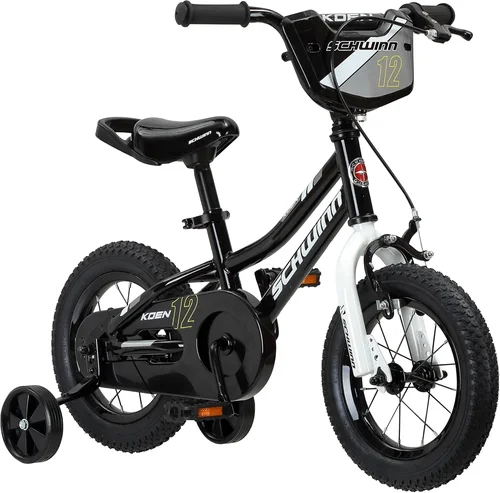
When it comes to mastering the art of the wheelie—lifting your front wheel off the ground and balancing on the rear tire—the right bicycle can make all the difference. Whether you’re a beginner learning your first pop or an experienced rider pushing the limits with extended wheelies and tricks, your bike’s design, geometry, and components directly influence your ability to perform and control this iconic maneuver. A poorly suited bike can make wheelies frustrating, unstable, or even dangerous, while the right one can turn practice sessions into progress and progress into mastery.
This comprehensive buying guide is designed to help you navigate the often-overlooked nuances of choosing a bicycle specifically optimized for wheelies. We’ll break down the key factors that matter most—from frame geometry and weight distribution to drivetrain setup and tire choice—and explain how each element contributes to better balance, control, and performance. Whether you’re into BMX, mountain biking, or street riding, understanding these fundamentals will empower you to make a smart, informed decision. By the end of this guide, you’ll know exactly what to look for, what to avoid, and how to get the best value for your investment.
The market for wheelie-friendly bikes spans a wide range of styles and price points, from affordable entry-level BMX bikes to high-end freeride mountain bikes and custom-built stunt rigs. While many riders assume that any bike can handle a wheelie with enough skill, the reality is that certain designs are inherently better suited for sustained rear-wheel balance and control. This guide cuts through the noise and focuses on the bikes and features that truly matter for wheelie performance. We’ll also address common pitfalls, budget considerations, and expert tips to help you avoid overspending or ending up with a bike that fights you instead of supporting your goals.

What to Look for When Buying a Bicycle for Wheelies
1. Frame Geometry and Wheelbase
The foundation of any great wheelie bike starts with its frame geometry. A longer wheelbase—the distance between the front and rear axles—provides greater stability when you’re riding on one wheel. Bikes with a longer chainstay (the part of the frame from the bottom bracket to the rear axle) naturally shift more weight toward the rear, making it easier to lift the front wheel and maintain balance. Look for frames with chainstays measuring 16.5 inches or longer, especially in BMX or dirt jump bikes.
Additionally, a slacker head tube angle (typically between 73° and 75°) helps stabilize the front end during wheelies by reducing the tendency of the bike to “tuck” or dive forward. This is especially important for longer wheelies or when riding at higher speeds. Mountain bikes designed for dirt jumping or freeride often feature these relaxed angles, making them excellent candidates for wheelie enthusiasts.
2. Weight Distribution and Center of Gravity
Successful wheelies depend heavily on where the bike’s weight is concentrated. A rear-biased weight distribution makes it significantly easier to lift the front wheel and hold the balance point. This is why many wheelie specialists prefer bikes with heavier rear ends—either through frame design or component placement.
For example, BMX bikes often have shorter rear ends but compensate with rider positioning and component choices like rear-heavy saddles or weighted pegs. On mountain bikes, the placement of the drivetrain (which is naturally rear-heavy due to the cassette and derailleur) helps, but you can enhance this by choosing a rear rack, heavier rear tire, or even adding small weights to the rear triangle.
It’s also worth noting that a lower center of gravity improves control. Bikes with lower bottom brackets (the part that houses the crankset) tend to feel more planted and responsive during wheelies. This is why many stunt and trial bikes feature low-slung frames.
3. Drivetrain and Gear Ratio
The drivetrain plays a crucial role in wheelie performance, particularly the gear ratio. A lower gear (easier to pedal) allows for quicker acceleration and better control when initiating a wheelie, while a higher gear (harder to pedal) can help maintain momentum once you’re balanced. Most wheelie riders prefer a mid-to-low gear ratio, especially for learning and technical tricks.
Single-speed or fixed-gear setups are popular among BMX and urban riders because they eliminate the complexity of shifting and provide direct power transfer. For mountain bikes, a 1x (one-by) drivetrain with a wide-range cassette (e.g., 11-46T) offers versatility—low gears for popping wheelies and high gears for cruising once balanced.
Avoid bikes with overly high gear ratios unless you’re an advanced rider with strong leg power. A ratio like 32:16 (2:1) is a good starting point for most riders. Also, consider the crank length: shorter cranks (165–170mm) offer quicker pedal response and reduce the chance of pedal strike during wheelies.
4. Tire Choice and Traction
Tires are your only point of contact with the ground, making them critical for wheelie control. A rear tire with good grip and a rounded profile helps maintain traction during the balance phase, while a slightly wider tire (2.2” to 2.5”) increases the contact patch and stability.
Look for tires with a medium to soft compound rubber, which provides better grip on pavement or dirt. Knobby tires can work well on loose surfaces, but smooth or semi-slick treads are better for street riding and smooth transitions into wheelies. Tubeless setups are also beneficial, as they allow lower tire pressures without pinch flats, improving comfort and grip.
Front tire choice matters less for wheelies, but a lighter, narrower front tire (e.g., 1.95”) reduces rotational weight and makes it easier to lift. Some riders even run a smaller front wheel (20” on a 26” bike) for a more aggressive wheelie stance, though this requires custom setup.
5. Handlebar and Stem Setup
Your handlebars and stem affect both comfort and control during wheelies. Wider handlebars (720mm to 800mm) give you more leverage to lift the front end and make micro-adjustments while balancing. A shorter stem (35mm to 50mm) improves steering responsiveness, which is essential for quick corrections.
Riser bars with a moderate rise (1” to 2”) help position your hands higher, allowing a more upright posture that shifts weight rearward—perfect for initiating and holding wheelies. Some riders prefer a slight back sweep on the grips for better wrist alignment during extended balance.
Avoid overly long stems or flat bars, as they can make the front end feel twitchy or hard to control. If you’re building a custom setup, consider a stem with adjustable angle to fine-tune your reach and handling.
6. Brake System and Modulation
Brakes are your lifeline during wheelies, especially for controlling speed and recovering from over-rotation. A rear brake with excellent modulation—meaning you can apply just the right amount of pressure—is essential for fine-tuning your balance point.
Hydraulic disc brakes are ideal for wheelie bikes because they offer consistent power and feel, even under heavy use. Mechanical disc brakes can work, but they require more hand effort and may fade during long sessions. Rim brakes (like V-brakes) are common on BMX bikes and can be effective, but they lack the stopping power and consistency of modern disc systems.
Make sure your rear brake lever is easy to reach and has a comfortable pull. Some riders install a brake booster or use a longer lever for better control. Front brakes should be functional but not overly aggressive—many wheelie specialists even disable or remove the front brake to prevent accidental front-wheel lockups during tricks.
7. Build Quality and Durability
Wheelies put significant stress on a bike’s frame, fork, and components. Repeated lifting, balancing, and landing can lead to fatigue, cracks, or failure if the bike isn’t built to handle it. Look for frames made from chromoly steel or high-quality aluminum, which offer a good balance of strength, weight, and flexibility.
Chromoly (cromo) steel is a favorite among BMX and stunt riders because it’s durable, absorbs vibrations well, and can withstand hard landings. Aluminum is lighter but can be more brittle under extreme stress. Carbon fiber frames are generally not recommended for wheelie-focused riding due to their susceptibility to impact damage.
Check for reinforced dropouts, gussets at stress points, and double- or triple-butted tubing, which indicate a robust build. Also, ensure that the fork is strong enough—rigid forks are preferred over suspension forks for wheelies, as they provide better feedback and don’t compress under load.
8. Intended Use and Riding Style
Your riding environment and goals should heavily influence your bike choice. If you’re practicing wheelies in a park or on smooth pavement, a BMX or urban fixie might be ideal. For dirt jumps, trails, or rougher terrain, a hardtail mountain bike with a rigid fork is better suited.
Consider how often you’ll be riding and whether you plan to combine wheelies with other tricks like manuals, bunny hops, or bar spins. A versatile bike that handles multiple skills will give you more value and progression opportunities.
Also, think about portability and storage. BMX bikes are compact and easy to transport, while full-suspension mountain bikes can be bulky and heavy. If you’re commuting or traveling to spots, a lighter, more portable option may be preferable.
Different Types of Bicycles for Wheelies

Common Buying Mistakes to Avoid
❌ Mistake: Choosing a Bike Based Solely on Looks
Why it’s bad: A bike that looks cool might have geometry or components that make wheelies difficult or unsafe. For example, a sleek road bike with a short wheelbase and high bottom bracket will be nearly impossible to wheelie consistently.
What to do instead: Prioritize function over form. Look at the specs—chainstay length, head angle, weight distribution—and read reviews from riders who use the bike for tricks or stunts.
❌ Mistake: Ignoring Frame Material
Why it’s bad: Cheap hi-ten steel frames may seem durable, but they’re often heavy and prone to cracking under repeated stress. Aluminum frames can be light but may not handle hard landings well.
What to do instead: Invest in a chromoly steel or high-grade aluminum frame. These materials offer the best balance of strength, weight, and ride quality for wheelie-focused riding.
❌ Mistake: Overlooking Brake Quality
Why it’s bad: Poor brakes make it hard to control speed and recover from mistakes. Rim brakes on a mountain bike, for example, may not provide enough stopping power for safe wheelie practice.
What to do instead: Choose a bike with reliable hydraulic or mechanical disc brakes. Test the rear brake feel—it should be smooth and responsive, not spongy or weak.
❌ Mistake: Buying a Full-Suspension Bike for Wheelies
Why it’s bad: Suspension forks absorb energy and compress when you lift the front wheel, making it harder to initiate and control wheelies. They also add weight and complexity.
What to do instead: Opt for a rigid fork or a hardtail (front suspension only, but locked out). If you must have suspension, ensure it’s lockable and set to a firm setting during wheelie practice.
❌ Mistake: Skipping the Test Ride
Why it’s bad: You won’t know how the bike feels until you ride it. A bike that looks good on paper might have poor balance, uncomfortable geometry, or stiff steering.
What to do instead: Always test ride before buying, especially if purchasing in-store. If buying online, choose retailers with good return policies and read detailed user reviews.
❌ Mistake: Neglecting Tire Pressure and Setup
Why it’s bad: Incorrect tire pressure can ruin traction and control. Overinflated tires reduce grip; underinflated ones increase rolling resistance and risk pinch flats.
What to do instead: Start with recommended pressures (usually 30–50 PSI for rear, slightly higher for front) and adjust based on feel. Lower pressure improves grip but monitor for rim strikes.
❌ Mistake: Forgetting About Maintenance
Why it’s bad: Wheelies stress components like chains, cogs, and hubs. A worn drivetrain can slip or fail at the worst moment, causing crashes.
What to do instead: Regularly inspect and maintain your bike—clean the chain, check bolt tightness, and replace worn parts. A well-maintained bike is safer and performs better.
Budget Guidelines: How Much Should You Spend?
When it comes to buying a bicycle for wheelies, your budget will determine the quality, durability, and performance you can expect. Here’s a breakdown of what you’ll get at different price tiers:
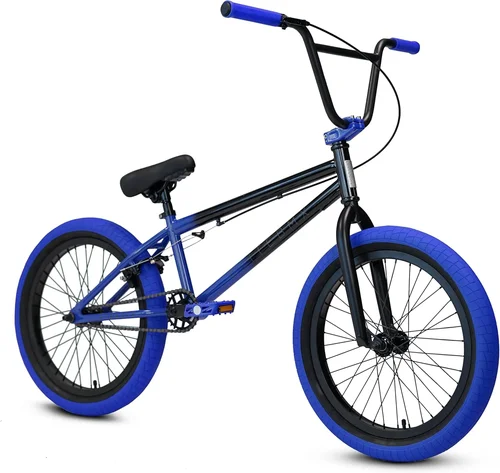
Entry-Level ($200 – $400): At this price, you’ll find basic BMX bikes or used mountain bikes. These are great for beginners learning the basics of wheelies. Expect hi-ten steel frames, entry-level components, and limited adjustability. While they can handle casual practice, they may not withstand heavy use or advanced tricks. Look for reputable brands like Mongoose, Schwinn, or GT in this range.
Mid-Range ($400 – $800): This is the sweet spot for most wheelie riders. You’ll get chromoly frames, better drivetrains, and improved brakes. Bikes like the Mongoose Legion L100 or GT Performer offer solid performance for the price. Many hardtail mountain bikes in this range (e.g., Trek Marlin or Giant Talon) are excellent for trail wheelies and learning balance.
Premium ($800 – $1,500): For enthusiasts and serious riders, this tier offers high-quality aluminum or chromoly frames, hydraulic disc brakes, and reliable 1x drivetrains. Bikes like the Specialized P.Street (a dirt jump bike) or Canyon Stoic are built for performance and durability. You’ll also find better suspension (if desired), lighter wheels, and more precise geometry.
Luxury ($1,500+): At this level, you’re investing in top-tier components, custom builds, or pro-level frames. These bikes are designed for advanced tricks, long wheelies, and high-impact riding. Expect carbon forks, premium hubs, and finely tuned geometry. Custom builders like Sunday Bikes or WeThePeople offer bespoke options for riders who want the ultimate wheelie machine.
Expert Tips for Getting the Best Deal
Finding the right bike at the right price takes strategy. Here are proven tips to help you save money and avoid buyer’s remorse:
- Buy at the Right Time: Late summer and early fall are ideal for discounts, as retailers clear out inventory for new models. Black Friday and end-of-season sales can offer 20–30% off.
- Shop Online and In-Store: Compare prices across platforms like REI, Jenson USA, Chain Reaction Cycles, and local bike shops. Online retailers often have better deals, but in-store purchases let you test ride and get professional fitting.
- Consider Used Bikes: Check Craigslist, Facebook Marketplace, or Pinkbike’s classifieds for well-maintained used bikes. Many riders upgrade frequently, so you can find high-end models at half price.
- Look for Package Deals: Some shops offer “stunt bundles” with helmets, gloves, and maintenance kits. These can save you $50–$100 compared to buying separately.
- Check Return and Warranty Policies: Ensure the bike comes with at least a 1-year frame warranty and a 30-day return window. This protects you if the bike doesn’t meet expectations.
- Test Before You Buy: If possible, rent or borrow a similar bike to test wheelie performance. Pay attention to balance, brake feel, and comfort.
- Upgrade Gradually: Instead of buying a fully loaded bike, start with a solid base model and upgrade components over time (e.g., better tires, shorter stem, or lighter wheels).
- Join Riding Communities: Online forums and local groups often share deals, trade tips, and sell used gear. You might find a hidden gem or get advice from experienced wheelie riders.
Frequently Asked Questions
Q: Can any bike do wheelies?
A: Technically, yes—any bike can lift its front wheel with enough speed and skill. However, not all bikes are designed for sustained or controlled wheelies. Bikes with short wheelbases, high bottom brackets, or front-heavy weight distribution will be much harder to balance and more prone to looping out.
Q: Do I need a BMX bike to do wheelies?
A: Not necessarily. While BMX bikes are popular for wheelies due to their compact size and agility, mountain bikes, fixies, and even some hybrid bikes can perform well with the right setup. It depends on your riding style and environment.
Q: Is a single-speed bike better for wheelies?
A: Single-speed bikes eliminate shifting distractions and provide direct power transfer, which many riders prefer for tricks. However, multi-speed bikes offer more versatility, especially for longer wheelies or varied terrain. Choose based on your needs.
Q: Should I remove the front brake?
A: Some advanced riders remove the front brake to prevent accidental lockups during tricks, but this is not recommended for beginners. Always keep at least the rear brake functional for safety. If you remove the front brake, ensure you can stop reliably with the rear.
Q: How do I prevent my bike from looping out?
A: Looping out (going over backward) happens when the rear wheel loses traction or the rider leans too far back. To prevent it, practice in a safe area, use your rear brake to control speed, and keep your core engaged. Start with short wheelies and gradually increase duration.
Q: Can I convert my current bike for better wheelies?
A: Yes! Upgrading components like the stem, handlebars, tires, or adding a rear rack can improve balance and control. However, frame geometry is harder to change—if your bike has a short wheelbase or steep head angle, it may never be ideal for wheelies.
Q: Are carbon fiber frames safe for wheelies?
A: Carbon fiber is strong but brittle under impact. Repeated hard landings or crashes can cause invisible cracks. For wheelie and stunt riding, chromoly steel or aluminum are safer, more durable choices.
Q: How long does it take to learn wheelies?
A: It varies by rider, but most people can learn basic wheelies in a few weeks with consistent practice. Focus on balance, timing, and brake control. Use a grassy area or soft surface to reduce fear of falling.
Q: Do I need special gear for wheelie practice?
A: While not required, a helmet, gloves, and knee pads are highly recommended. Wheelies involve falling backward, so protecting your head and joints is essential, especially when learning.
Q: Can I do wheelies on a road bike?
A: It’s possible but not ideal. Road bikes have short wheelbases, high bottom brackets, and lightweight frames that make balancing difficult. They’re also more fragile under stress. Use caution and avoid hard landings.
Our Final Recommendations
After evaluating dozens of models and consulting with riders of all levels, here are our top picks for the best bicycles for wheelies in 2026:
Best for Budget-Conscious Buyers: Mongoose Legion L100 – A solid entry-level BMX bike with a chromoly frame, 20” wheels, and reliable components. Priced under $300, it’s perfect for learning wheelies without breaking the bank.
Best Overall Value: GT Performer – This classic BMX bike offers a full chromoly frame, responsive handling, and a timeless design. At around $500, it’s a favorite among street riders and wheelie enthusiasts alike.
Best Premium Option: Specialized P.Street – A high-performance dirt jump bike with a slack geometry, hydraulic disc brakes, and a rigid fork. Ideal for advanced wheelies, jumps, and technical tricks. Priced around $1,200.
Best for Beginners: Trek Marlin 5 – A versatile hardtail mountain bike with a comfortable geometry and durable build. Great for learning wheelies on trails or pavement. Available for under $600.
Best for Advanced Users: WeThePeople Crysis – A pro-level BMX bike with a full chromoly frame, sealed bearings, and precision geometry. Built for serious riders who demand performance and durability. Priced around $900.
Conclusion: Making the Right Choice
Choosing the best bicycle for wheelies isn’t just about picking the coolest or most expensive model—it’s about finding a bike that matches your skill level, riding style, and goals. From frame geometry and weight distribution to drivetrain setup and brake quality, every detail matters when you’re balancing on one wheel. By focusing on the key factors outlined in this guide, avoiding common pitfalls, and shopping smart, you’ll set yourself up for success and enjoyment.
Remember, the best wheelie bike is one that feels right in your hands, responds to your movements, and grows with you as you improve. Whether you’re popping your first wheelie in the driveway or holding a 20-second balance on a trail, the right bike makes all the difference. Take your time, do your research, and don’t be afraid to ask for advice from experienced riders. With the right setup and consistent practice, you’ll be mastering wheelies in no time.
Now that you’re equipped with expert knowledge and practical tips, it’s time to take action. Visit a local bike shop, browse trusted online retailers, or check out used listings to find your perfect wheelie machine. And when you do, ride with confidence—you’ve got the guide, the gear, and the know-how to make every ride count.