
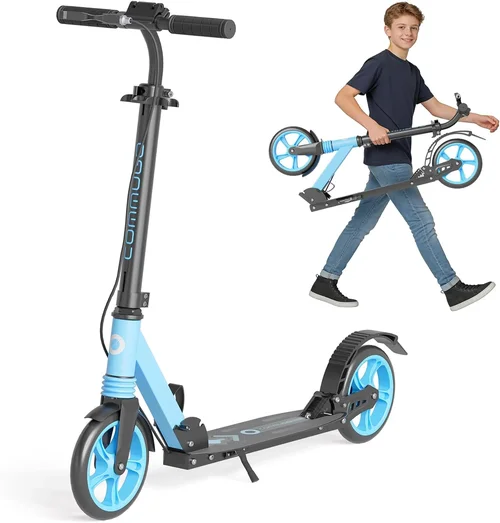
Electric scooters have become more than just a trend—they’re now a practical, eco-friendly, and fun mode of transportation for teens. Whether it’s zipping to school, meeting friends at the park, or simply exploring the neighborhood, e-scooters offer independence and convenience that resonate strongly with younger riders. But with so many models flooding the market in 2026, choosing the right one can feel overwhelming. Parents want safety and reliability; teens crave speed and style. This guide cuts through the noise to help you find the perfect balance.
In this comprehensive buying guide, we’ll walk you through every critical factor to consider when selecting an electric scooter for a teen. From performance specs and build quality to budget considerations and safety features, we’ve tested, analyzed, and compared dozens of models to deliver expert-backed advice. You’ll learn how to avoid common pitfalls, understand what different price tiers really offer, and make a confident purchase that satisfies both safety-conscious parents and excited riders. Whether you’re shopping for a first-time rider or upgrading an experienced teen, this guide has you covered.
The e-scooter market in 2026 is more diverse than ever. Brands like Segway-Ninebot, Xiaomi, Razor, and emerging players like Inokim and Unagi have expanded their lineups with teen-focused designs that prioritize safety without sacrificing fun. Advances in battery tech, motor efficiency, and smart features mean today’s scooters are smarter, safer, and more durable than previous generations. Yet, not all scooters are created equal—especially when it comes to younger riders who may lack the experience or judgment of adult users. That’s why understanding the nuances of each model is essential.

What to Look for When Buying Tuttio
1. Safety Features
Safety should be your top priority when buying an e-scooter for a teen. Unlike adult riders who may have years of experience navigating traffic and obstacles, teens are still developing situational awareness and risk assessment skills. Look for scooters equipped with multiple braking systems—ideally a combination of electronic front brakes and mechanical rear disc or drum brakes. This redundancy ensures stopping power even if one system fails.
Lighting is another crucial safety element. Front headlights should be bright enough to illuminate dark paths (at least 200 lumens), while rear brake lights activate when slowing down—a feature often overlooked but vital for visibility. Reflective strips on the deck and wheels add extra protection during low-light rides. Additionally, some 2026 models now include turn signals and automatic brake lights, which significantly improve communication with drivers and pedestrians.
Stability matters too. A wider deck (at least 6 inches) provides better foot placement and balance, especially for younger or less confident riders. Wider tires—particularly pneumatic (air-filled) ones—offer superior grip on wet or uneven surfaces compared to solid rubber tires. Avoid ultra-narrow decks or tiny wheels, as they increase the risk of tipping or losing control on bumps.
2. Performance Specifications
Performance isn’t just about speed—it’s about how well the scooter handles real-world conditions. For teens, a motor between 250W and 500W is ideal. Anything below 250W may struggle with hills or heavier riders, while motors over 500W can be too powerful and difficult to control safely.
Top speed is another key metric. Most teen-friendly scooters cap out between 15–20 mph (24–32 km/h). While faster sounds exciting, speeds above 20 mph significantly increase stopping distances and accident severity. Many 2026 models include speed limiters or beginner modes that restrict top speed—perfect for new riders learning the ropes.
Range is equally important. A scooter with a 10–15 mile (16–24 km) range is sufficient for most daily commutes or recreational rides. However, battery capacity (measured in watt-hours or Wh) directly impacts range. Look for lithium-ion batteries with at least 200Wh for reliable performance. Avoid scooters that advertise “up to” ranges under ideal conditions—real-world usage typically cuts that number by 20–30%.
Acceleration and hill-climbing ability also matter. Test how quickly the scooter reaches cruising speed and whether it can handle moderate inclines (5–10% grade) without stalling. Smooth, responsive throttle control helps prevent jerky starts that could throw a rider off balance.
3. Build Quality & Durability
Teens aren’t always gentle with their gear. Dropped scooters, rough landings, and exposure to rain or dirt are inevitable. That’s why build quality is non-negotiable. Start with the frame material: aluminum alloy is the gold standard—lightweight yet strong enough to handle daily abuse. Avoid scooters with plastic frames or flimsy folding mechanisms, as these are prone to cracking or loosening over time.
Check the folding mechanism closely. A secure latch or locking pin prevents accidental collapses while riding. Some premium models use double-lock systems for added security. The handlebars should adjust smoothly and stay firmly in place—wobbly bars are a major safety hazard.
Water resistance is another durability factor. Look for an IP rating of at least IPX4, which means the scooter can withstand splashes from any direction. While no e-scooter is fully waterproof, IPX4 protects against light rain and puddles. Avoid riding in heavy downpours regardless of rating.
Tire construction also affects longevity. Pneumatic tires offer better shock absorption and traction but require occasional inflation and are vulnerable to punctures. Solid tires are maintenance-free but transmit more vibration and reduce comfort on rough pavement. Hybrid options (like airless honeycomb tires) are gaining popularity for balancing durability and ride quality.
4. Size, Weight & Portability
Portability matters, especially if your teen needs to carry the scooter upstairs, onto public transit, or store it in a locker. Most teen scooters weigh between 20–30 pounds (9–14 kg). Anything over 30 pounds becomes cumbersome for younger riders.
Folding design is standard, but not all folds are equal. Look for compact folding that reduces the scooter’s footprint by at least 60%. Some models include integrated carrying handles or shoulder straps—small details that make a big difference during transport.
Deck height and handlebar adjustability are also important. The deck should be low enough for easy mounting (under 12 inches from the ground), while handlebars should adjust to match the rider’s height. Most teens fall between 4’10” and 5’8″, so a range of 30–40 inches in handlebar height is ideal.
Consider storage space too. If your teen plans to carry a backpack or school supplies, ensure there’s room on the deck or a rear rack option. Some scooters feature under-deck storage compartments or accessory mounts for baskets.
5. Features & Functionality
Modern e-scooters come packed with smart features that enhance usability and safety. A clear, backlit LCD display showing speed, battery level, and riding mode is essential—avoid scooters with vague LED indicators that leave you guessing.
Regenerative braking is a standout feature in 2026 models. It recaptures energy during deceleration, slightly extending range and reducing wear on mechanical brakes. While not a game-changer, it’s a nice efficiency boost.
App connectivity via Bluetooth is increasingly common. Apps allow parents to set speed limits, track location, monitor battery health, and even lock the scooter remotely. This is especially useful for managing teen usage and ensuring responsible riding.
Other helpful features include cruise control (for maintaining steady speeds on long stretches), LED underglow lighting (for style and visibility), and anti-theft alarms. However, don’t let flashy extras distract from core performance and safety—focus on what truly enhances the riding experience.
6. Brand Reputation & Reliability
Not all brands are created equal. Established names like Segway-Ninebot, Xiaomi, and Razor have proven track records for quality control, customer service, and consistent innovation. They invest heavily in R&D and adhere to international safety standards.
Emerging brands may offer lower prices, but they often cut corners on components or lack long-term support. Research brand history: How long have they been in business? Do they have a physical service network? Are replacement parts readily available?
User forums and third-party reviews (like those on Reddit or specialized e-scooter communities) provide honest insights into real-world reliability. Pay attention to recurring complaints—frequent motor failures, battery degradation after 6 months, or poor售后 support are red flags.
7. Warranty & Customer Support
A solid warranty reflects a manufacturer’s confidence in their product. For teen scooters, look for at least a 12-month warranty covering the motor, battery, and frame. Some premium brands offer 18–24 months, which is ideal given the wear and tear teens can inflict.
Check what’s included: Does the warranty cover accidental damage? Is battery degradation (e.g., losing 20% capacity within a year) covered? Many warranties exclude batteries, so clarify this upfront.
Customer support responsiveness is equally important. Can you reach a human quickly? Is there local repair service, or do you have to ship the scooter overseas? Brands with U.S.-based support centers (like Segway or Unagi) typically resolve issues faster than those relying on overseas distributors.
8. User Reviews & Real-World Feedback
Spec sheets tell part of the story—real user experiences complete it. Read verified purchase reviews on Amazon, Best Buy, or specialty retailers. Look for patterns: Do multiple users report the same issue (e.g., “brakes squeak after two weeks”)? Are positive reviews overly generic (a sign of potential fake reviews)?
Pay special attention to reviews from parents of teens. They often highlight practical concerns like ease of assembly, durability after drops, and how well the scooter handles school commutes. Videos on YouTube showing unboxings, speed tests, and long-term reviews add valuable visual context.
Avoid relying solely on manufacturer websites, which naturally showcase only the best feedback. Cross-reference multiple sources to get a balanced view.
Different Types of Tuttio

Common Buying Mistakes to Avoid
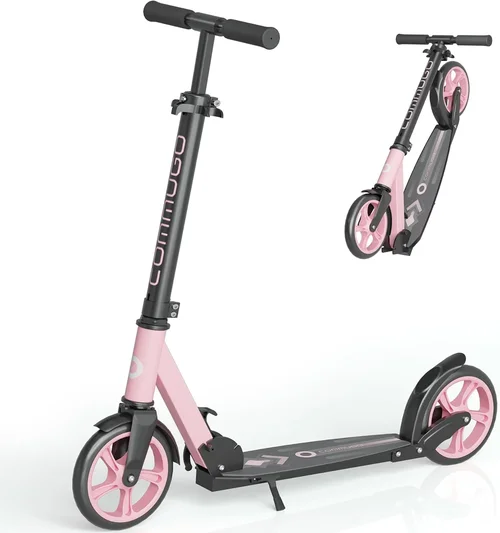
❌ Mistake: Prioritizing Speed Over Safety
Why it’s bad: High-speed scooters (25+ mph) are tempting but dangerous for inexperienced teens. Faster speeds reduce reaction time and increase injury risk in collisions. Many accidents occur because riders underestimate braking distance or lose control on curves.
What to do instead: Choose a scooter with a top speed of 18 mph or less for beginners. Use built-in speed limiters and gradually increase as skills improve. Always emphasize helmet use and defensive riding.
❌ Mistake: Ignoring Weight Limits
Why it’s bad: Exceeding the scooter’s weight capacity strains the motor, drains the battery faster, and compromises structural integrity. A scooter rated for 220 lbs may fail prematurely if consistently used by a 200-lb rider with a backpack.
What to do instead: Check the manufacturer’s max load rating and add 20–30 lbs for gear. If your teen is near the limit, opt for a model with a higher capacity (e.g., 260+ lbs).
❌ Mistake: Buying Based Solely on Price
Why it’s bad: The cheapest scooters often use inferior batteries, weak motors, and flimsy frames. They may lack essential safety features like proper brakes or lights, putting your teen at risk.
What to do instead: Treat the scooter as a long-term investment. Spend enough to get reliable components—usually $300 minimum for a safe, durable model. Remember: a $200 scooter that breaks in 3 months costs more than a $400 one that lasts 2 years.
❌ Mistake: Overlooking Local Laws
Why it’s bad: E-scooter regulations vary by city and state. Some areas restrict where scooters can be ridden (e.g., sidewalks vs. bike lanes), require helmets, or ban certain speeds. Riding illegally can result in fines or confiscation.
What to do instead: Research local ordinances before buying. Check if registration, licensing, or age restrictions apply. Choose a scooter that complies with your area’s rules to avoid legal trouble.
❌ Mistake: Skipping the Test Ride
Why it’s bad: Comfort and handling are subjective. A scooter that looks great online might feel unstable, too stiff, or poorly balanced in person.
What to do instead: Visit a local retailer that allows test rides. Have your teen try accelerating, braking, and turning. Pay attention to vibration, noise, and overall feel. If buying online, choose retailers with generous return policies (30 days or more).
❌ Mistake: Neglecting Maintenance Needs
Why it’s bad: Even the best scooters require upkeep—tire pressure checks, brake adjustments, and battery care. Ignoring maintenance leads to reduced performance, shorter lifespan, and safety hazards.
What to do instead: Teach your teen basic maintenance: cleaning the deck, checking bolts, and storing the scooter indoors. Invest in a simple toolkit and schedule monthly inspections.
❌ Mistake: Assuming All “Teen” Scooters Are Equal
Why it’s bad: Marketing labels can be misleading. Some “youth” models are just downsized adult scooters with weaker components, not designed for younger riders’ needs.
What to do instead: Look for scooters explicitly engineered for teens—lower deck height, intuitive controls, and safety-focused features. Read spec sheets carefully, not just product descriptions.
Budget Guidelines: How Much Should You Spend?
Entry-Level ($200–$350): This tier is ideal for casual riders or first-time users. Expect basic features: 250W motor, 10–12 mile range, solid or small pneumatic tires, and minimal smart functions. Build quality is adequate but may show wear after 6–12 months of heavy use. Best for light commuting under 3 miles. Examples include the Razor E300S and Xiaomi Mi Essential.
Mid-Range ($350–$600): The sweet spot for most families. These scooters offer reliable performance, better batteries (250–350Wh), dual braking systems, and improved suspension. Many include app connectivity, brighter lights, and more durable frames. Range typically hits 15–20 miles, and motors (350–500W) handle hills with ease. Models like the Segway Ninebot Max G30LP and Inokim Mini 2 fall here.
Premium ($600–$900): Designed for serious commuters and tech lovers. Expect high-capacity batteries (400Wh+), advanced safety (turn signals, automatic lights), premium materials (aircraft-grade aluminum), and robust warranties. Some feature swappable batteries, GPS tracking, and customizable riding modes. Perfect for daily 5–10 mile commutes in urban environments. The Unagi Model One and Apollo Air Pro are standout options.
Luxury ($900+): Reserved for enthusiasts or those wanting top-tier performance. These scooters boast 800W+ motors, 25+ mile ranges, full suspension, and cutting-edge tech like AI-assisted braking or solar charging panels. Often used for off-road adventures or long-distance travel. While impressive, they may be overkill for typical teen use unless riding frequently on challenging terrain.
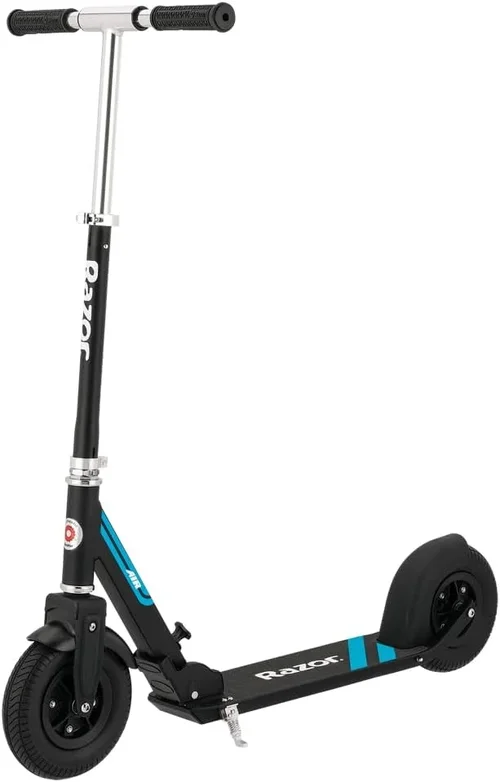
Expert Tips for Getting the Best Deal
1. Shop During Off-Peak Seasons: E-scooter sales peak in spring and summer. Buy in late fall or winter (November–February) when demand drops and retailers offer discounts to clear inventory. Black Friday and Cyber Monday often feature 20–30% off popular models.
2. Compare Retailers Strategically: Online stores like Amazon, Best Buy, and specialized e-scooter shops (e.g., Fluid FreeRide, RidePride) frequently run promotions. Sign up for newsletters to get early access to sales. In-store purchases allow test rides but may have fewer deals.
3. Look for Refurbished or Open-Box Units: Certified refurbished scooters from reputable sellers come with warranties and cost 20–40% less than new. Open-box items (returned but unused) are another budget-friendly option—just verify condition and return policy.
4. Leverage Student or Family Discounts: Some brands offer student pricing (e.g., Unagi’s 10% off with .edu email). Military, first responder, or senior discounts may also apply depending on the retailer.
5. Read the Fine Print on Returns: Ensure the seller allows returns within 30 days, especially if buying online. Some exclude electric vehicles or charge restocking fees. Avoid retailers with “final sale” policies on e-scooters.
6. Bundle Accessories for Savings: Many retailers offer package deals—scooter + helmet + lock at a reduced rate. These bundles save money and ensure compatibility.
7. Check for Trade-In Programs: A few brands (like Segway) accept old scooters for credit toward new purchases. Even if your current scooter is outdated, it might still have value.
8. Monitor Price Tracking Tools: Use browser extensions like Honey or CamelCamelCamel to track price history and get alerts when your desired model drops.

Frequently Asked Questions
Q: Are e-scooters safe for 13-year-olds?
A: Yes, with proper precautions. Choose a scooter with a lower top speed (15–18 mph), dual braking, and a stable deck. Always require a helmet and supervise initial rides. Many experts recommend starting at age 13 with parental guidance.
Q: How long do e-scooter batteries last?
A: Most lithium-ion batteries retain 80% capacity after 500–800 charge cycles, equating to 1.5–3 years of daily use. Proper care (avoiding full discharges, storing at 50% charge in winter) extends lifespan.
Q: Can teens ride e-scooters on sidewalks?
A: It depends on local laws. In many U.S. cities, sidewalk riding is prohibited for safety reasons. Check municipal codes—most require riding in bike lanes or roads with speed limits under 25 mph.
Q: Do I need to register an e-scooter?
A: Generally no, but some states (like California) require registration for scooters over 20 mph. Most teen models fall below this threshold and don’t need registration.
Q: What’s the difference between hub motors and belt drives?
A: Hub motors are built into the wheel—simple, quiet, and low-maintenance. Belt drives use a belt-and-pulley system, offering more torque but requiring occasional tension adjustments. For teens, hub motors are usually preferable due to reliability.
Q: How fast can a teen e-scooter go?
A: Most are capped at 15–20 mph. Some allow speed unlocking via apps, but we strongly advise against removing limiters for inexperienced riders.
Q: Can e-scooters get wet?
A: IPX4-rated scooters handle light rain, but avoid submerging or riding through deep puddles. Water can damage electronics and corrode connectors. Dry thoroughly after wet rides.
Q: What if the scooter breaks under warranty?
A: Contact the manufacturer first. Most will repair or replace defective parts. Keep receipts and photos of the issue. If unresolved, escalate to the retailer or consumer protection agency.
Q: Are there eco-friendly e-scooter options?
A: Yes! Some brands use recycled materials, offer battery recycling programs, or partner with carbon-offset initiatives. Look for certifications like Energy Star or B Corp status.
Q: Should I buy used?
A: Only from trusted sources with full service history. Used scooters may have hidden battery degradation or frame damage. Insist on a test ride and battery health report.
Our Final Recommendations
Best for Budget-Conscious Buyers: Xiaomi Mi Essential – At under $300, it delivers solid 15.5 mph speed, 18.6-mile range, and Xiaomi’s reliable build quality. Great for short commutes and first-time riders.
Best Overall Value: Segway Ninebot Max G30LP – Priced around $550, it offers exceptional durability, 20-mile range, IPX5 water resistance, and app-based parental controls. A proven favorite among teens and parents alike.
Best Premium Option: Unagi Model One – With dual motors, ultra-lightweight design, and premium materials, this $899 scooter is perfect for style-conscious teens who want top performance and smart features.
Best for Beginners: Razor E300S – Simple, affordable ($250), and forgiving with a low deck and smooth acceleration. Ideal for younger teens learning balance and control.
Best for Advanced Users: Apollo Air Pro – At $799, it packs a 500W motor, 25-mile range, and advanced safety tech like turn signals and regenerative braking. Suited for experienced riders tackling longer distances.
Conclusion: Making the Right Choice
Choosing the best e-scooter for your teen isn’t just about picking the fastest or flashiest model—it’s about finding a balance between safety, performance, durability, and value. By focusing on critical factors like braking systems, build quality, and real-world user feedback, you can avoid costly mistakes and select a scooter that grows with your teen’s skills and needs.
Remember, the perfect scooter matches your teen’s lifestyle: a compact commuter for school runs, a rugged adventure model for weekend trails, or a smart-connected ride for tech-savvy explorers. Always prioritize safety gear and responsible riding habits, regardless of the model you choose.
With the insights from this guide, you’re now equipped to navigate the 2026 e-scooter market with confidence. Take your time, compare options, and involve your teen in the decision—after all, they’ll be the one enjoying every mile. Happy riding!