
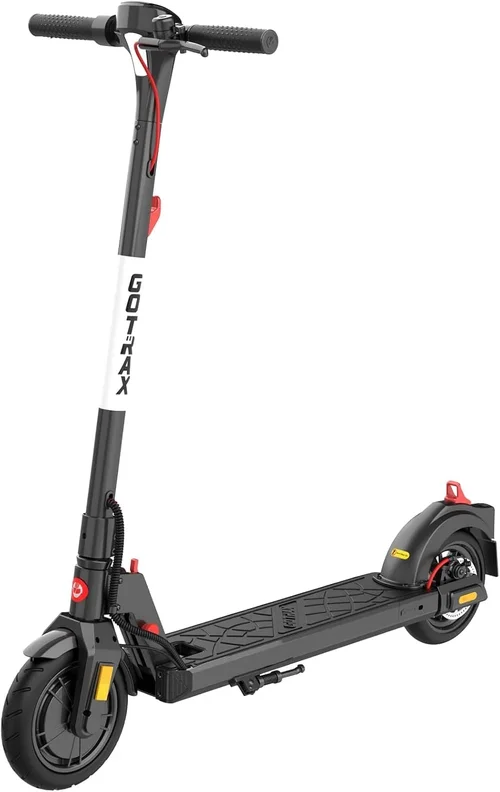
Electric scooters have become more than just a fun way for kids to get around—they’re now a practical, eco-friendly mode of transportation that encourages outdoor activity, builds confidence, and fosters independence. For a 9-year-old, an electric scooter can be a rite of passage, offering a sense of freedom while still being safe and manageable under parental supervision. But with so many models flooding the market in 2026, choosing the right one can feel overwhelming. Parents want something reliable, safe, and age-appropriate—not too powerful, not too flimsy, and definitely not a toy that breaks after a week of use.
This comprehensive buying guide is designed to cut through the noise and help you make an informed decision. Whether you’re shopping for your first-time rider or upgrading from a kick scooter, we’ll walk you through every critical factor—from safety features and performance specs to build quality and brand reputation. You’ll learn how to avoid common pitfalls, understand what different price ranges deliver, and discover which models truly stand out for kids around age nine. By the end, you’ll have the confidence to pick a scooter that’s not only fun but also durable, safe, and worth every penny.
The electric scooter market for children has evolved dramatically in recent years. What once consisted of basic, low-powered toys now includes sophisticated mini-commuters with regenerative braking, app connectivity, and even GPS tracking. In 2026, manufacturers are prioritizing safety without sacrificing excitement—offering adjustable speed modes, reinforced frames, and intuitive controls tailored specifically for younger riders. With options ranging from under $100 to over $400, there’s truly something for every budget and need. This guide will help you navigate that landscape with clarity and confidence.

What to Look for When Buying Tuttio
1. Safety Features
Safety should always be your top priority when selecting an electric scooter for a 9-year-old. At this age, children are still developing coordination and judgment, so built-in safeguards are essential. Look for scooters with multiple speed modes—especially a “beginner” or “training” mode that limits top speed to around 6–8 mph. This allows kids to build confidence before progressing to higher speeds. Additionally, reliable braking systems are non-negotiable. Disc brakes or electronic brakes with regenerative capabilities offer smoother, more controlled stops than basic foot brakes. Some advanced models even include anti-lock braking (ABS) for wet conditions.
Another critical safety feature is lighting. Front headlights and rear brake lights improve visibility during early morning or evening rides, while reflective decals or strips add extra protection. Stability is also key: wider decks (at least 5–6 inches) provide better foot placement, and pneumatic (air-filled) tires absorb shocks better than solid rubber ones, reducing the risk of falls on uneven pavement. Finally, consider scooters with low ground clearance—ideally under 4 inches—to minimize tipping risks during sharp turns or sudden stops.
2. Performance Specifications
Performance matters, but not in the way you might think. For a 9-year-old, raw power isn’t the goal—controlled, predictable performance is. Most age-appropriate scooters feature motors between 150W and 250W, which provide enough thrust for gentle hills and smooth acceleration without being overwhelming. Top speeds typically range from 10 to 15 mph—fast enough to be exciting but slow enough to remain manageable.
Battery life is another crucial spec. Look for lithium-ion batteries (lighter and longer-lasting than lead-acid) with a runtime of at least 45 minutes to an hour on a single charge. Real-world range usually falls between 6 and 12 miles, depending on terrain, rider weight, and speed settings. Charging time should ideally be under 4 hours; anything longer may frustrate impatient kids. Also, check if the scooter has a battery level indicator—this helps prevent unexpected shutdowns mid-ride.
Acceleration responsiveness is often overlooked but vital. A scooter that lurches forward when the throttle is tapped can scare or destabilize a young rider. Opt for models with gradual, linear acceleration curves. Similarly, regenerative braking (which recaptures energy during deceleration) tends to feel smoother than abrupt mechanical brakes, making stops less jarring.
3. Build Quality & Durability
Kids are tough on gear—and electric scooters are no exception. A well-built scooter should withstand daily commutes to school, weekend adventures, and the occasional drop or bump. The frame material is a good starting point: aluminum alloy is lightweight yet strong, while steel offers maximum durability but adds weight. For a 9-year-old, aluminum is usually the better choice due to its balance of strength and portability.
Check the weight capacity too. Most kids’ scooters support up to 120–160 lbs, which comfortably covers the average 9-year-old (who weighs between 50–90 lbs) and allows room for growth. The deck should be slip-resistant and wide enough for both feet side-by-side. Folding mechanisms must be sturdy—look for reinforced hinges and secure locking pins. Cheap plastic latches can snap under stress, leading to accidental collapses.
Water resistance is another durability factor. While no kid’s scooter is fully waterproof, an IPX4 rating means it can handle light splashes and rain—perfect for unexpected weather. Avoid models with exposed wiring or unsealed battery compartments, as moisture can cause electrical failures.
4. Size, Weight & Portability
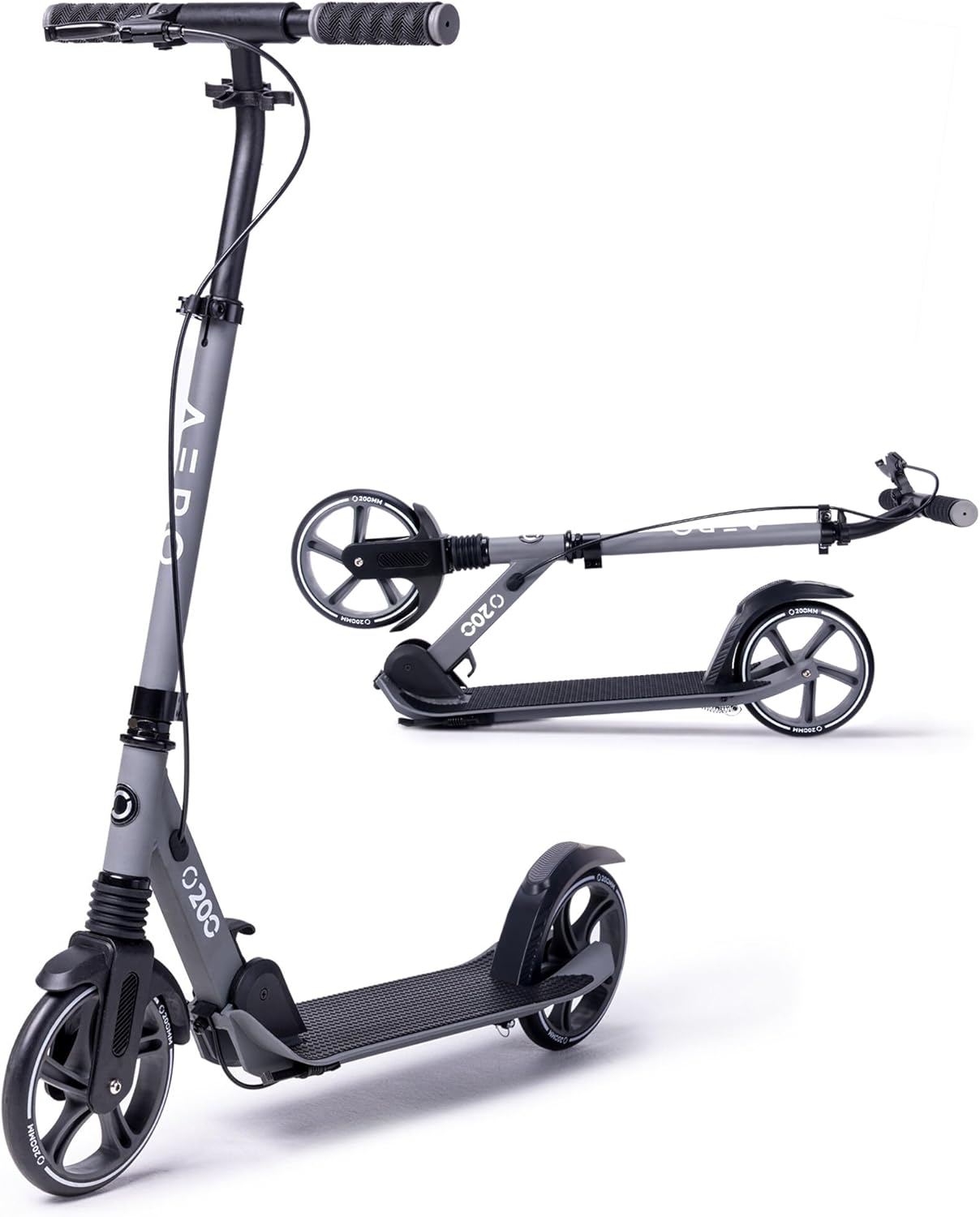
At age nine, your child will likely want to carry their scooter upstairs, onto buses, or into classrooms. That means weight and foldability are practical concerns. Ideal scooters for this age group weigh between 18 and 25 pounds—light enough for a child to lift but heavy enough to feel stable. Anything over 30 lbs becomes cumbersome for daily handling.
Folding design is almost standard now, but not all folds are created equal. Look for scooters that fold quickly with one hand and lock securely in place. Some models include a carrying handle or strap, which makes transport much easier. When folded, the scooter should be compact—ideally under 36 inches long and 12 inches wide—so it fits under a desk or in a car trunk without hassle.
Deck height also affects usability. Lower decks (around 3–4 inches off the ground) are easier for shorter legs to mount and dismount, reducing the chance of tripping. Handlebar height should be adjustable to accommodate growing kids—most quality models offer 2–3 inches of adjustment range.
5. Features & Functionality
Modern kids’ electric scooters come packed with features that enhance both fun and functionality. LED displays showing speed, battery level, and riding mode are common and helpful for teaching responsibility. Some models include Bluetooth connectivity, allowing parents to monitor speed limits or track location via a smartphone app—a great peace-of-minder for cautious caregivers.
Lights aren’t just for safety; they’re also a cool factor that kids love. RGB underglow lighting, customizable headlight colors, or animated brake lights can make riding feel like an adventure. However, don’t let flashy extras distract from core performance—prioritize function over form.
Other useful features include cruise control (for maintaining steady speed on long stretches), horn or bell (for alerting pedestrians), and suspension systems (especially front suspension) that smooth out bumpy sidewalks. Avoid overly complex interfaces—simple button controls are easier for kids to master than touchscreens or multi-step menus.
6. Brand Reputation & Reliability
Not all scooter brands are equal. Established names like Segway-Ninebot, Razor, Gotrax, and Hiboy have spent years refining their designs and customer support. These companies typically offer better quality control, more consistent performance, and easier access to replacement parts. Lesser-known brands may offer tempting prices, but they often cut corners on materials, safety testing, or after-sales service.
Research brand history: How long have they been making kids’ scooters? Do they comply with international safety standards like UL 2272 (for electrical systems) or ASTM F2264 (for youth scooters)? Check if they’ve had any recalls—reputable brands are transparent about issues and quick to resolve them. Customer service responsiveness is another telltale sign: can you easily reach a human for troubleshooting? Are warranties honored promptly?
User communities and forums (like Reddit’s r/scooters or Facebook parent groups) are excellent resources for real-world feedback. A brand might look great on paper, but if dozens of parents report battery failures within six months, that’s a red flag.
7. Warranty & Support
A solid warranty reflects a manufacturer’s confidence in their product—and protects your investment. For kids’ electric scooters, look for at least a 6-month to 1-year comprehensive warranty covering motor, battery, and frame defects. Some premium brands offer 18–24 months, which is ideal given how quickly kids outgrow gear.
Read the fine print: Does the warranty cover accidental damage? Is it voided if the scooter gets wet? Can you get local repair service, or must you ship it back? Brands with U.S.-based support centers (like Razor or Segway) tend to resolve issues faster than those relying on overseas distributors.
Customer support quality matters too. Can you download manuals easily? Are spare parts (tires, chargers, fenders) readily available? A scooter is only as good as its serviceability—especially when your child depends on it daily.
8. User Reviews & Real-World Feedback
Spec sheets tell one story; real users tell another. Always read verified purchase reviews on Amazon, Best Buy, or the brand’s own site. Pay attention to patterns: if multiple reviewers mention the same issue—like a wobbly handlebar or short battery life—it’s likely a design flaw, not an isolated defect.
Look for reviews from parents of 8–10 year olds specifically. They’ll comment on ease of use, durability after months of use, and how well the scooter handles real-world conditions (gravel, curbs, rain). Video reviews are especially helpful—you can see the scooter in action, hear the motor, and observe how a child interacts with the controls.
Be wary of overly glowing reviews that sound scripted or lack detail. Authentic feedback includes both pros and cons. If a scooter has hundreds of 5-star reviews but no critical comments, it might be filtered or fake.
Different Types of Tuttio
Common Buying Mistakes to Avoid
❌ Mistake: Prioritizing Price Over Safety
Why it’s bad: Ultra-cheap scooters (under $80) often lack essential safety certifications, use low-quality batteries prone to overheating, and have weak braking systems. These can pose serious risks, especially for inexperienced riders.
What to do instead: Set a minimum budget of $120–$150 and focus on models with UL 2272 certification and reputable brand backing. Safety isn’t optional—it’s foundational.
❌ Mistake: Ignoring Weight Limits and Rider Fit
Why it’s bad: A scooter rated for 100 lbs may struggle or become unstable with a 90-lb child, especially on hills. Similarly, handlebars that are too high or low can cause poor posture and control issues.
What to do instead: Choose a scooter with a weight capacity at least 20–30 lbs above your child’s current weight. Test handlebar height—it should align with your child’s waist when standing upright.
❌ Mistake: Overlooking Battery Realism
Why it’s bad: Manufacturers often advertise “up to 15 miles” range, but real-world performance is usually 30–50% less due to hills, wind, and frequent stops.
What to do instead: Divide the claimed range by 1.5 to estimate actual mileage. If your child needs to travel 5 miles round-trip, choose a scooter rated for at least 8–10 miles.
❌ Mistake: Buying Based on Looks Alone
Why it’s bad: Flashy colors, neon lights, or character-themed designs may appeal to kids, but they don’t guarantee quality. Some decorative models sacrifice structural integrity for aesthetics.
What to do instead: Involve your child in the decision, but prioritize specs and reviews. Let them pick from 2–3 vetted options that meet safety and performance criteria.
❌ Mistake: Skipping the Test Ride
Why it’s bad: Every child rides differently. What feels smooth to one kid might feel jerky or unstable to another. Without testing, you risk buying a scooter that’s uncomfortable or hard to control.
What to do instead: If possible, visit a local retailer that allows demo rides. Alternatively, choose retailers with generous return policies (30 days or more) so you can test at home.
❌ Mistake: Neglecting Maintenance Needs
Why it’s bad: Electric scooters require occasional upkeep—tire pressure checks, brake adjustments, and battery care. Ignoring this leads to premature failure.
What to do instead: Teach your child basic maintenance (like checking tire pressure weekly) and schedule monthly inspections. Keep spare parts (fuses, inner tubes) on hand.
Budget Guidelines: How Much Should You Spend?
Entry-Level ($80–$150): These scooters are ideal for occasional use, short rides, and first-time riders. Expect basic features: single speed mode, solid rubber tires, minimal suspension, and shorter battery life (4–6 miles). Brands like Gotrax GKS or Razor E100 fall here. While affordable, they may lack durability for daily use.
Mid-Range ($150–$250): This is the sweet spot for most families. Scooters in this range offer reliable motors (200–250W), pneumatic tires, dual braking, and 6–10 mile ranges. Models like the Segway Ninebot Zing E8 or Hiboy S2 Mini provide excellent value with robust builds and safety features. Perfect for school commutes and weekend fun.
Premium ($250–$350): Designed for serious young riders, these scooters include advanced features: app connectivity, regenerative braking, front suspension, and extended warranties. The Razor EcoSmart Metro or Segway Ninebot KickScooter ES80 excel here. They’re built to last through multiple growth spurts and handle varied terrain.
Luxury ($350+): Top-tier models like the Dualtron Thunder Junior or Nanrobot D6+ offer near-adult performance with youth-friendly controls. Features include dual motors, full suspension, GPS tracking, and 15+ mile ranges. Only recommended for highly active kids or families who view the scooter as a long-term investment.
Expert Tips for Getting the Best Deal
– Shop during seasonal sales: Major discounts occur during back-to-school (July–August), Black Friday (November), and post-holiday clearance (January). Sign up for brand newsletters to get early access.
– Compare retailers: Amazon often has competitive pricing and fast shipping, but local bike shops or sporting goods stores (like REI or Dick’s) may offer free assembly and in-person support.
– Check refurbished options: Certified refurbished scooters from manufacturers (e.g., Segway Renew) can save 20–30% and come with full warranties.
– Bundle accessories: Some retailers offer helmet + scooter bundles at a discount. Always buy a CPSC-certified helmet—never skip this.
– Read return policies carefully: Ensure you have at least 30 days to return if the scooter doesn’t fit or perform as expected. Avoid sellers with restocking fees.
– Test before committing: If buying online, choose a model with a generous trial period. Let your child ride it in a safe, open area for a few days.
– Consider resale value: Well-known brands hold value better. If you plan to sell when your child outgrows it, prioritize reputable names.
– Register for warranty immediately: Many brands require online registration within 14 days of purchase to activate coverage.
Frequently Asked Questions
Q: Is an electric scooter safe for a 9-year-old?
A: Yes—when chosen wisely and used with proper safety gear. Look for age-appropriate speed limits (under 15 mph), reliable brakes, and stability features. Always supervise new riders and enforce helmet use.
Q: How fast do kids’ electric scooters go?
A: Most models for 9-year-olds cap out between 10 and 15 mph. Beginner modes often limit speed to 6–8 mph, which is ideal for learning.
Q: Can a 9-year-old ride an electric scooter to school?
A: It depends on local laws and distance. Many cities allow electric scooters for kids over 8 with helmets. Check your school district’s policy—some prohibit scooters on campus.
Q: How long does the battery last?
A: On average, 45 minutes to 1 hour of continuous riding, covering 6–12 miles. Battery life decreases over time; most lithium-ion packs retain 80% capacity after 300–500 charges.
Q: Do I need to assemble the scooter?
A: Most require minimal assembly—usually just attaching the handlebars and charging the battery. Instructions should be clear; avoid models with complex wiring.
Q: What if my child outgrows the scooter quickly?
A: Choose adjustable handlebars and a weight capacity that allows for growth. Many mid-range scooters accommodate riders up to age 12 or 13.
Q: Are electric scooters waterproof?
A: No—but many have IPX4 ratings, meaning they resist splashes. Avoid riding in heavy rain or through puddles to protect the motor and battery.
Q: Can I upgrade parts later?
A: Some brands offer replacement tires, decks, or batteries. Check compatibility before buying third-party parts, as they may void warranties.
Q: How do I maintain the scooter?
A: Clean the deck weekly, check tire pressure monthly, lubricate folding mechanisms, and store indoors. Avoid extreme temperatures.
Q: What’s the difference between hub motors and belt drives?
A: Hub motors (most common in kids’ scooters) are quieter, require less maintenance, and are more efficient. Belt drives offer more torque but need periodic tension adjustments—better suited for older riders.
Our Final Recommendations
Best for Budget-Conscious Buyers: Gotrax GKS – At under $150, it delivers solid performance, a 7.5-mile range, and a lightweight frame. Great for beginners, though it uses solid tires (less shock absorption).
Best Overall Value: Segway Ninebot Zing E8 – Priced around $200, it offers pneumatic tires, dual braking, 9-mile range, and a durable aluminum frame. Perfect balance of safety, fun, and reliability.
Best Premium Option: Razor EcoSmart Metro – With a bamboo deck, 12-mile range, and retro styling, this $300 scooter blends style and substance. Ideal for eco-conscious families.
Best for Beginners: Razor E100 – Simple, sturdy, and slow (10 mph max), this classic model teaches fundamentals without overwhelming new riders.
Best for Advanced Young Riders: Hiboy S2 Mini – Features app control, front suspension, and 12-mile range. Best for kids ready to handle more responsibility and terrain variety.
Conclusion: Making the Right Choice
Choosing the best electric scooter for your 9-year-old isn’t just about picking the shiniest model or the cheapest deal—it’s about finding a trusted companion that grows with your child, keeps them safe, and sparks joy in everyday movement. Throughout this guide, we’ve emphasized that safety, build quality, and age-appropriate performance matter far more than flashy extras or brand names. A well-chosen scooter becomes more than a toy; it’s a tool for independence, exercise, and exploration.
Remember to involve your child in the process—let them test options, express preferences, and understand the responsibilities that come with riding. Prioritize models with adjustable features, strong warranties, and real-world durability. And never underestimate the value of community feedback: other parents’ experiences are invaluable.
Ultimately, the right scooter is one that matches your family’s lifestyle, budget, and safety standards. Whether you’re navigating city sidewalks, suburban trails, or just the driveway, the perfect ride awaits. So gear up, charge up, and let the adventures begin—one smooth, silent glide at a time.