
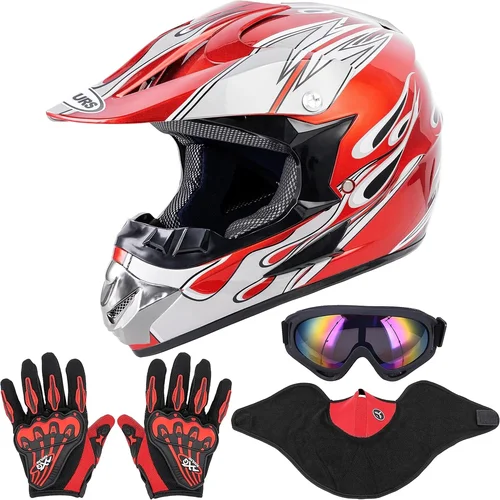
When it comes to choosing your first dirt bike as an adult beginner, the decision can feel overwhelming. With so many models, engine sizes, brands, and price points on the market, it’s easy to get lost in technical jargon or swayed by flashy marketing claims. But here’s the truth: the right dirt bike isn’t just about power or looks—it’s about safety, comfort, ease of use, and long-term enjoyment. Whether you’re dreaming of weekend trail rides, exploring off-road parks, or simply building confidence on two wheels, your first bike should be a gateway to adventure, not a source of frustration or injury.
This comprehensive buying guide is designed specifically for adult beginners who are serious about getting into dirt biking the right way. We’ll walk you through every critical factor—from engine displacement and suspension setup to brand reliability and budget planning—so you can make an informed, confident choice. You’ll learn how to avoid common pitfalls, understand what “beginner-friendly” really means in practice, and discover which bikes offer the best balance of performance, durability, and value. By the end, you’ll have a clear roadmap tailored to your needs, whether you’re shopping for your very first ride or upgrading from a smaller machine.
The dirt bike market in 2026 is more diverse and accessible than ever. Manufacturers like Honda, Yamaha, Kawasaki, KTM, and Husqvarna continue to refine their entry-level offerings, while electric options from brands like Sur Ron and Cake are gaining serious traction among new riders seeking quieter, low-maintenance alternatives. At the same time, used markets remain robust, offering excellent value for those willing to do a bit of research. This guide cuts through the noise to deliver expert-backed insights grounded in real-world riding experience, dealer feedback, and rider testimonials. Our goal isn’t to sell you on one brand—it’s to empower you with the knowledge to choose the bike that fits your lifestyle, skill level, and riding goals.

What to Look for When Buying a Dirt Bike
1. Engine Size & Power Delivery
For adult beginners, engine size is arguably the most important factor—but not in the way you might think. Bigger isn’t always better. A 250cc four-stroke engine is widely considered the sweet spot for new riders because it delivers smooth, controllable power without overwhelming torque. Two-stroke engines (like 125cc or 250cc) can be thrilling but are generally less forgiving due to their abrupt power bands, making them better suited for experienced riders.
Look for bikes with linear throttle response and manageable low-end torque. Four-strokes excel here, offering predictable acceleration that builds gradually. Avoid anything above 450cc unless you have prior motorcycle experience—even seasoned street riders often struggle with the weight and power of large-displacement dirt bikes when starting off-road. Electric dirt bikes are another compelling option: they provide instant torque with zero lag, yet many models (like the Sur Ron Light Bee X) allow you to dial back power via ride modes, making them surprisingly beginner-friendly.
2. Seat Height & Ergonomics
Comfort and control start with proper fit. If you can’t comfortably touch both feet flat on the ground when seated, you’ll struggle with balance, slow-speed maneuvers, and emergency stops—all critical skills for beginners. Most adult beginners should aim for a seat height between 34 and 36 inches. However, this varies by rider height and inseam length.
Many modern dirt bikes now offer adjustable suspension preload or even lowering kits to reduce seat height by 1–2 inches. Brands like Yamaha and Honda design their beginner models (e.g., Yamaha TT-R230, Honda CRF230F) with lower seat heights and narrower midsections to improve ground reach. Additionally, consider handlebar position, footpeg placement, and overall bike geometry. A neutral, upright riding position reduces fatigue and enhances control, especially during long learning sessions.
3. Weight & Maneuverability
Dirt bikes range from under 200 pounds (electric models) to over 270 pounds (full-size motocross bikes). For beginners, lighter is almost always better. A lighter bike is easier to pick up after a fall, simpler to navigate tight trails, and less intimidating at low speeds. However, don’t sacrifice stability for weight savings—some ultra-light bikes sacrifice suspension travel or frame rigidity, which can compromise handling on rough terrain.
Aim for a dry weight under 250 pounds if possible. Electric bikes often win here: the Sur Ron Light Bee X weighs just 121 pounds and feels incredibly nimble. Gas-powered options like the Kawasaki KLX230 (236 lbs) or Honda CRF250L (309 lbs, slightly heavier but very stable) strike a good balance. Remember, you’ll also be loading and unloading your bike—so consider how easy it is to lift onto a truck bed or trailer.
4. Suspension & Ground Clearance
Good suspension absorbs bumps, roots, and rocks, keeping your wheels planted and your body comfortable. Beginners often overlook suspension, but it’s vital for confidence and safety. Look for at least 8–10 inches of front and rear suspension travel. Entry-level trail bikes typically offer around 9 inches front and rear, which is sufficient for moderate off-road use.
Ground clearance matters too—especially if you plan to ride over logs, ruts, or uneven terrain. Most beginner-friendly bikes offer 10–12 inches of ground clearance. Avoid street-oriented dual-sports with minimal clearance (under 8 inches), as they’re prone to scraping and bottoming out. Adjustable suspension isn’t necessary for beginners, but progressive spring rates and quality damping (like Kayaba or Showa forks) make a noticeable difference in ride quality.
5. Reliability & Maintenance Requirements
As a beginner, you don’t want to spend more time wrenching than riding. Choose a bike known for reliability and ease of maintenance. Japanese brands (Honda, Yamaha, Kawasaki, Suzuki) dominate this category with bulletproof engines, simple carburetion or fuel injection systems, and widespread parts availability. European brands like KTM and Husqvarna offer excellent performance but often require more frequent servicing and higher-cost parts.
Fuel-injected engines (now standard on most new bikes) eliminate cold-start issues and tuning hassles associated with carburetors. Electric bikes take maintenance to another level—no oil changes, air filters, or spark plugs. Just charge and go. However, battery replacement costs and limited service networks can be drawbacks. Always check local dealer support before buying; having a certified mechanic nearby saves time and money.
6. Safety Features & Rider Aids
Modern dirt bikes come equipped with increasingly sophisticated safety features. While full motocross bikes may lack electronics, trail and dual-sport models often include helpful aids. Look for features like:
– Electric start (eliminates kick-start frustration)
– Engine kill switch (easy shutdown in emergencies)
– LED lighting (for visibility and legality on public trails)
– Traction control or ride modes (on select electric and high-end gas models)
Some electric bikes even include smartphone connectivity for ride tracking, geofencing, and remote diagnostics. While not essential, these features enhance safety and usability, especially for nervous new riders. Avoid bikes without basic safety essentials—like a functional headlight or brake light—if you plan to ride in low-light conditions or on shared trails.
7. Brand Reputation & Dealer Network
Not all brands are created equal when it comes to beginner support. Honda and Yamaha have decades of experience building user-friendly, durable machines backed by extensive dealer networks across North America and Europe. Their entry-level models are tested, refined, and supported with training resources, owner communities, and readily available parts.
KTM and Husqvarna excel in performance but cater more toward intermediate and advanced riders. Their beginner models (like the KTM 250 SX-F or Husqvarna TE 250) are capable but may feel too aggressive for true novices. Chinese brands (like SSR, Pitster Pro, or Apollo) offer budget options but vary widely in quality—research thoroughly and read owner reviews before committing. A strong dealer network means easier access to service, warranties, and expert advice—critical when you’re just starting out.
8. Resale Value & Long-Term Usability
Think beyond your first season. A good beginner bike should retain decent resale value and remain usable as your skills improve. Honda CRF230F and Yamaha TT-R230 owners often report selling their bikes for 60–70% of original price after several years of use. This is partly due to brand reputation and partly because these bikes are durable enough to handle progression.
Avoid overly specialized or niche models that lose value quickly. Similarly, don’t buy a bike so underpowered that you outgrow it in months. The ideal beginner bike grows with you—offering enough performance to stay engaging while remaining safe and manageable. Electric bikes are improving in resale value as battery tech advances, but the market is still emerging.
Different Types of Dirt Bikes
Common Buying Mistakes to Avoid
❌ Mistake: Choosing a Bike Based Solely on Engine Size
Why it’s bad: A 450cc motocross bike might look impressive, but its aggressive power delivery, high seat, and stiff suspension make it dangerously unstable for beginners. Many new riders crash within their first few hours due to throttle overreaction or inability to control speed.
What to do instead: Prioritize manageable power and rider-friendly ergonomics over raw cc numbers. A 230cc–250cc four-stroke trail bike offers plenty of capability for learning while remaining forgiving.
❌ Mistake: Ignoring Seat Height and Fit
Why it’s bad: If you can’t touch the ground confidently, you’ll hesitate during stops, slow turns, or unexpected obstacles—increasing crash risk. Poor fit also leads to fatigue and reduced control.
What to do instead: Sit on multiple bikes before buying. Measure your inseam and compare it to manufacturer specs. Test standover height and footpeg comfort. When in doubt, choose a lower seat height—you can always upgrade later.
❌ Mistake: Overlooking Maintenance Needs
Why it’s bad: Some bikes require frequent valve adjustments, carb cleaning, or specialized tools. As a beginner, complex maintenance can become a barrier to riding, leading to neglect or costly dealer visits.
What to do instead: Stick with reliable, low-maintenance platforms. Fuel-injected four-strokes or electric bikes simplify ownership. Check service intervals and parts costs online before purchasing.
❌ Mistake: Buying Used Without Inspection
Why it’s bad: A cheap used bike may have hidden damage, worn suspension, or engine issues that aren’t obvious during a quick test ride. Repair costs can quickly exceed the purchase price.
What to do instead: Always inspect used bikes thoroughly or bring a knowledgeable friend. Check for leaks, frame cracks, tire condition, and suspension function. Request maintenance records and verify VIN history.
❌ Mistake: Skipping Safety Gear
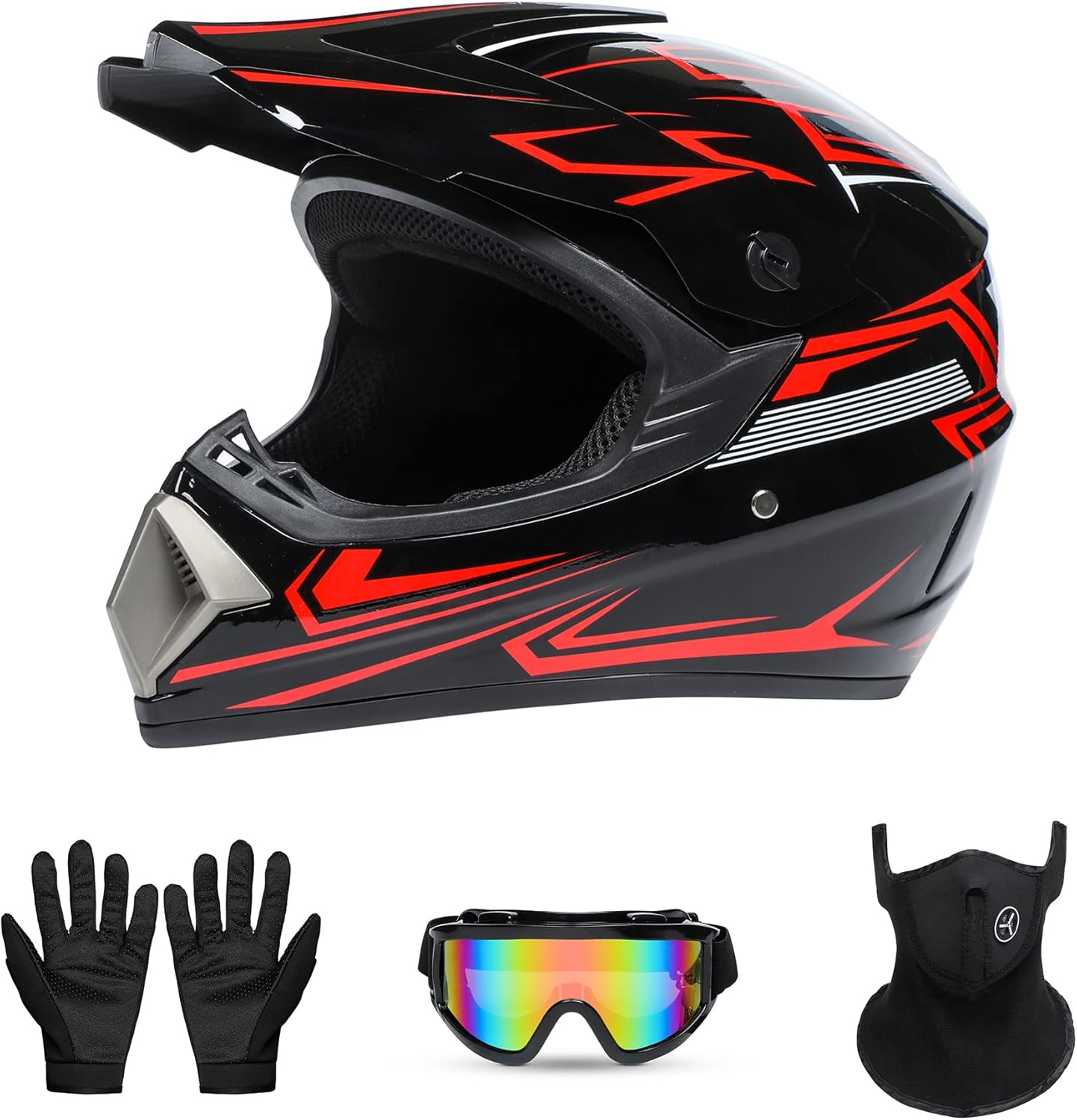
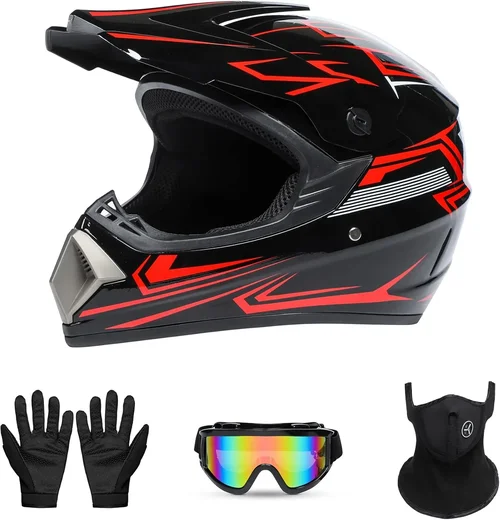
Why it’s bad: Dirt biking is inherently risky. Without proper gear—helmet, goggles, gloves, boots, chest protector—you’re exposing yourself to serious injury, even on easy trails.
What to do instead: Budget for quality safety equipment from day one. A good helmet ($200–$400), armored jacket, and motocross boots are non-negotiable. Your gear is as important as your bike.
❌ Mistake: Assuming All “Beginner” Bikes Are Equal
Why it’s bad: Marketing labels can be misleading. Some “beginner” models are just detuned race bikes with harsh suspensions and tall seats—still unsuitable for true novices.
What to do instead: Research real-world reviews from other beginners. Look for bikes specifically designed for learning, like the Honda CRF230F or Yamaha TT-R230, which prioritize comfort and control.
❌ Mistake: Neglecting Local Riding Conditions
Why it’s bad: A lightweight enduro bike perfect for rocky mountain trails may struggle in deep sand or muddy flatlands. Mismatched bikes lead to frustration and limited riding opportunities.
What to do instead: Consider your primary terrain. Soft terrain? Look for wider tires and lower gearing. Rocky trails? Prioritize suspension travel and durability. Choose a bike suited to where you’ll actually ride.
Budget Guidelines: How Much Should You Spend?
Entry-Level ($2,500–$4,500): This tier includes used trail bikes, Chinese imports, and base-model electrics. Expect basic features, minimal electronics, and variable build quality. Great for casual riders or those testing the waters. Examples: Used Honda CRF230F ($3,000), Sur Ron Light Bee ($3,999), SSR SR125 ($2,800). Proceed with caution on no-name brands—verify dealer support and parts availability.
Mid-Range ($4,500–$7,000): The sweet spot for most adult beginners. New models from reputable brands offer fuel injection, electric start, quality suspension, and strong resale value. These bikes balance performance, reliability, and affordability. Examples: Yamaha TT-R230 ($4,799), Kawasaki KLX230 ($5,299), Honda CRF250L ($5,899). Ideal for weekly trail riding and skill development.
Premium ($7,000–$10,000): For enthusiasts ready to invest in long-term performance. Includes advanced dual-sports, high-end electrics, and refined trail bikes with upgraded components. Better suspension, lighter frames, and enhanced electronics. Examples: KTM 250 EXC-F ($9,499), Husqvarna TE 250 ($9,299), Cake Kalk OR ($9,900). Best for riders planning frequent or challenging off-road use.
Luxury ($10,000+): Top-tier machines with race-level performance, cutting-edge tech, and premium materials. Often overkill for beginners but appealing to those who want the best from day one. Examples: Zero FXE ($12,995), KTM 300 XC-W TPI ($10,499). Only recommended if you have prior riding experience or plan to compete.
Expert Tips for Getting the Best Deal
1. Buy at the Right Time: End-of-season sales (August–October) offer the deepest discounts as dealers clear inventory for new models. Winter months also see lower demand, giving you negotiating leverage.
2. Consider Certified Pre-Owned: Many dealerships offer certified used bikes with warranties, inspections, and service history. These provide peace of mind at a fraction of new-bike cost.
3. Negotiate Extras: Ask for free gear (helmet, gloves), extended warranties, or maintenance packages. Dealers often include these to close a sale—especially on slower-moving models.
4. Compare Online and In-Store: Use sites like Cycle Trader, RevZilla, or manufacturer configurators to compare prices. Then visit local dealers to test ride and negotiate—they may match online deals.
5. Check Manufacturer Incentives: Brands like Honda and Yamaha frequently offer rebates, low APR financing, or loyalty discounts. These can save $500–$1,000 off MSRP.
6. Test Ride Multiple Bikes: Never buy without riding. Even short test rides reveal differences in clutch feel, throttle response, and comfort. Bring a friend for a second opinion.
7. Read the Fine Print on Warranties: Standard warranties cover 6–12 months. Ask about transferability, labor coverage, and exclusions. Some brands offer extended plans for peace of mind.
8. Join Rider Communities: Forums like ThumperTalk or Reddit’s r/dirtbikes provide insider deals, owner reviews, and local meetups. Experienced riders often sell well-maintained bikes privately.

Frequently Asked Questions
Q: Can I learn to ride a dirt bike as an adult?
A: Absolutely! Many riders start in their 30s, 40s, or even later. Adult beginners often have better judgment, patience, and physical coordination than younger riders. The key is choosing the right bike, wearing proper gear, and taking a beginner course if possible.
Q: Should I buy new or used?
A: Both have pros and cons. New bikes come with warranties, latest tech, and no hidden issues—but cost more. Used bikes offer great value but require careful inspection. For first-time buyers, a lightly used, well-maintained bike from a reputable brand is often the smartest choice.
Q: Do I need a license to ride a dirt bike?
A: It depends on where and how you ride. On private property, no license is needed. On public lands or roads, most states require a motorcycle endorsement or off-road vehicle permit. Check your local DMV regulations.
Q: Are electric dirt bikes good for beginners?
A: Yes—especially models with adjustable power modes. Electric bikes eliminate clutch and gear-shifting complexity, reduce noise, and require almost no maintenance. The Sur Ron Light Bee X and Cake Kalk are excellent entry points, though range and charging infrastructure may limit long rides.
Q: How often should I service my dirt bike?
A: Basic maintenance (oil change, air filter, chain lubrication) should be done every 5–10 hours of riding. Valve checks vary by model—typically every 20–30 hours for four-strokes. Follow your owner’s manual closely.
Q: What’s the best way to learn riding skills?
A: Start slow on flat, open terrain. Practice starting, stopping, turning, and balancing. Consider a beginner dirt bike course (offered by MSF or local clubs). Riding with experienced friends also accelerates learning—but avoid overly challenging trails early on.
Q: Can I ride my dirt bike on the street?
A: Only if it’s street-legal (dual-sport). Trail bikes lack lights, mirrors, and emissions compliance. Converting a trail bike for street use is expensive and often not worth it. Buy a dual-sport if you need road capability.
Q: How long will my first dirt bike last?
A: With proper maintenance, a quality trail bike can last 10+ years or 500+ hours of riding. Engine life depends on care—regular oil changes and avoiding over-revving are critical. Electric bikes have fewer moving parts but battery degradation occurs over 3–5 years.
Q: What if I outgrow my beginner bike quickly?
A: That’s normal! Many riders upgrade within 1–2 years. Choose a bike with strong resale value (Honda, Yamaha) to recoup costs. Some dealers even offer trade-in programs.
Q: Is dirt biking dangerous?
A: Like any motorsport, it carries risk—but proper gear, training, and responsible riding drastically reduce injury likelihood. Most crashes are minor at beginner speeds. Always ride within your limits and avoid alcohol or fatigue.
Our Final Recommendations
Best for Budget-Conscious Buyers: Yamaha TT-R230 – At $4,799, it’s one of the most affordable new bikes from a major brand. Reliable, low seat height (34.6″), electric start, and legendary durability make it perfect for tight budgets and casual riders.
Best Overall Value: Honda CRF250L – Priced around $5,899, this dual-sport offers street legality, excellent fuel economy, and Honda’s bulletproof engineering. Great for commuting, weekend trails, and everything in between.
Best Premium Option: KTM 250 EXC-F – For riders willing to invest ($9,499), this Austrian-built enduro delivers race-level performance with user-friendly electronics, WP suspension, and lightweight construction. Ideal for serious off-road enthusiasts.
Best for Beginners: Honda CRF230F – Though discontinued in some regions, it remains a benchmark for beginner bikes. Smooth 226cc engine, low maintenance, and ultra-comfortable ergonomics. Look for used models in excellent condition.
Best for Tech-Savvy Riders: Sur Ron Light Bee X – At $4,999, this electric bike combines instant torque, whisper-quiet operation, and smartphone integration. Perfect for eco-conscious beginners who want cutting-edge tech without the hassle of gas engines.
Conclusion: Making the Right Choice
Choosing your first dirt bike as an adult beginner is a significant decision—one that sets the tone for your entire riding journey. The right bike isn’t the most powerful or the flashiest; it’s the one that fits your body, matches your skill level, and inspires confidence every time you twist the throttle. By focusing on manageable power, proper ergonomics, reliability, and safety, you’ll avoid common pitfalls and set yourself up for years of enjoyment.
Remember, dirt biking is as much about progression as it is about adventure. Start smart, ride responsibly, and prioritize learning over speed. Whether you choose a humble trail bike, a versatile dual-sport, or a futuristic electric machine, your first ride is just the beginning. With the insights from this guide, you’re now equipped to navigate the market, ask the right questions, and make a purchase you’ll be proud of—not just today, but for seasons to come.
So gear up, find a safe place to practice, and embrace the thrill of two wheels off the pavement. The trail is waiting—and your perfect dirt bike is out there, ready to take you there.