
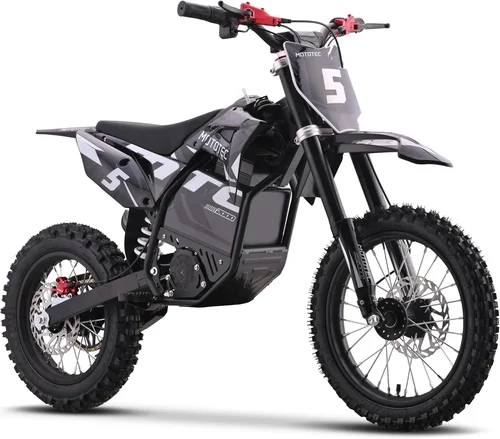
Electric bikes have revolutionized personal transportation, offering a powerful blend of efficiency, sustainability, and sheer riding enjoyment. Among the various voltage options available, 60V e-bikes stand out as the high-performance champions of the e-bike world. These machines aren’t just about getting from point A to point B; they’re about doing it with speed, power, and the capability to conquer challenging terrain that would leave lower-voltage models struggling. As we move through 2026, the market for these robust e-bikes has matured, offering an incredible range of options from practical commuters to off-road beasts. However, this abundance of choice can be overwhelming. A 60V system represents a significant investment in both money and performance expectations, making the selection process critically important. Choosing the wrong model can lead to disappointment, whether it’s due to unmet performance goals, poor build quality, or features that don’t align with your actual needs.
This comprehensive buying guide is designed to cut through the marketing noise and provide you with the expert-level knowledge needed to make a confident, informed decision. We’ll dive deep into the critical factors that differentiate a good 60V e-bike from a great one, from the nuances of motor performance and battery technology to the often-overlooked aspects of build quality and after-sales support. You’ll learn how to navigate different categories of 60V e-bikes, understand common pitfalls to avoid, and discover strategic tips for getting the best possible deal. By the end of this guide, you won’t just have a list of recommended models; you’ll possess a robust framework for evaluating any 60V e-bike on the market, ensuring your purchase perfectly matches your riding style, budget, and long-term expectations. Whether you’re a seasoned e-biker looking to upgrade or a newcomer ready to experience the pinnacle of electric assist, this guide will equip you with everything you need to find your ideal high-voltage ride.
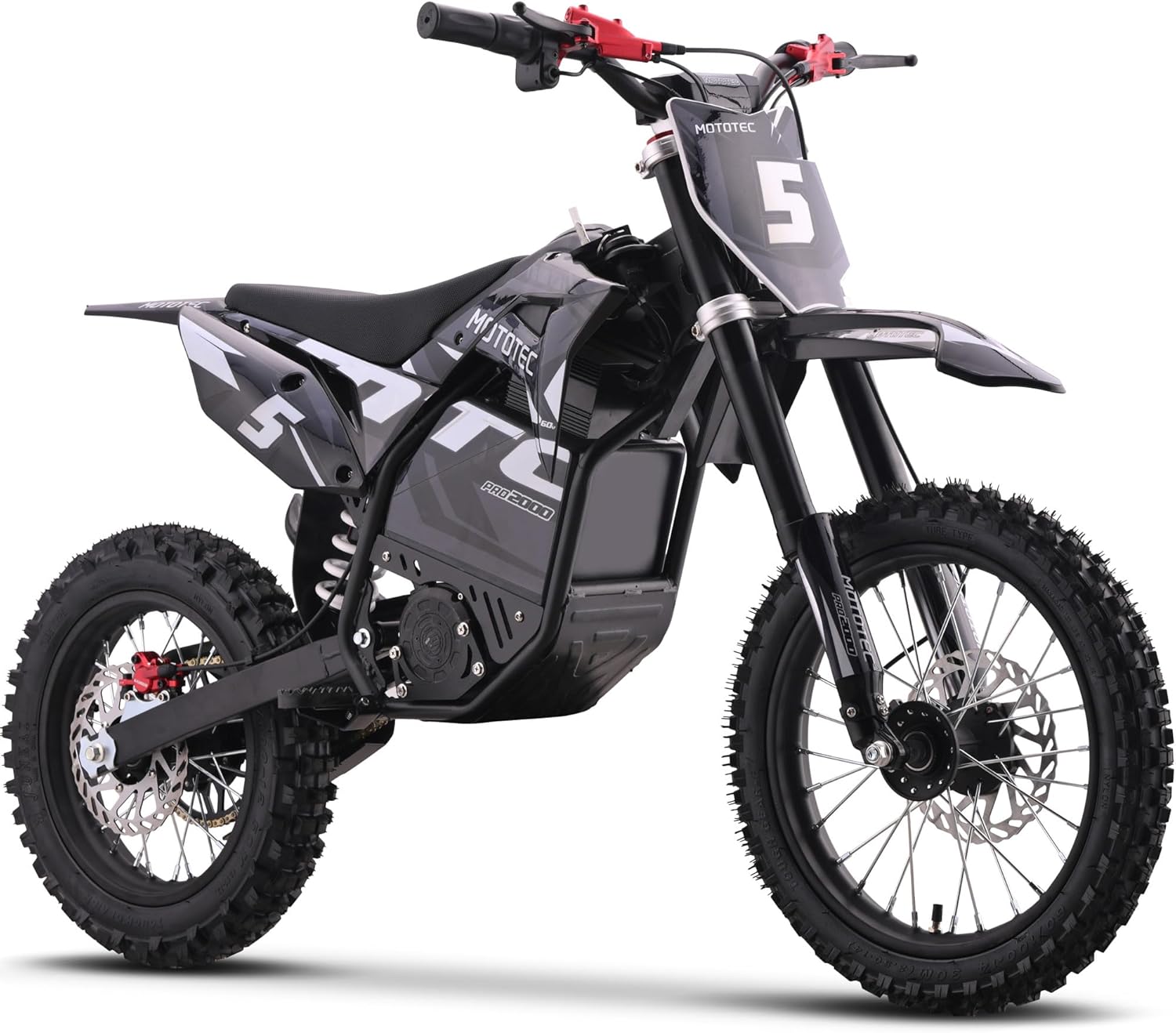
What to Look for When Buying a 60V Ebike
1. Motor Power and Performance Characteristics
The motor is the heart of any e-bike, and on a 60V system, it’s where you’ll find the most significant performance gains. While voltage (60V) determines the potential speed and power, the motor’s wattage rating tells you how that potential is realized. You’ll commonly see motors ranging from 750W to 2000W or even higher on premium 60V models. A 750W motor on a 60V system will feel significantly more potent than the same wattage on a 48V system, offering brisk acceleration and the ability to maintain higher speeds on inclines. For serious hill climbing, heavy cargo loads, or high-speed commuting, look for motors in the 1000W to 1500W range. These provide the torque necessary to tackle steep grades without bogging down and deliver exhilarating acceleration.
Beyond raw wattage, consider the motor’s type and placement. Mid-drive motors, situated at the bike’s crankset, offer superior weight distribution, better handling, and more efficient power transfer by leveraging the bike’s gears. They are generally preferred for off-road and hilly terrain. Hub motors, located in the front or rear wheel, are simpler, often cheaper, and can provide strong direct drive power, especially rear hub motors which offer better traction. Pay close attention to the motor’s torque rating (measured in Newton-meters or Nm); this is a more accurate indicator of climbing ability and acceleration feel than wattage alone. A high-torque motor will get you moving from a stop quickly and maintain momentum up hills, which is crucial for a 60V e-bike’s intended performance envelope.
2. Battery Capacity, Chemistry, and Range
The battery is arguably the most critical component on a 60V e-bike, dictating not only how far you can go but also the overall performance and longevity of your ride. Capacity, measured in Amp-hours (Ah), is the primary factor determining range. A 60V 20Ah battery, for instance, holds significantly more energy than a 60V 15Ah battery. However, range is not just about capacity; it’s a complex equation involving motor efficiency, rider weight, terrain, assist level, and even weather conditions. A good 60V e-bike should provide a realistic range of 40-80 miles on a single charge under mixed riding conditions, but always check manufacturer claims critically, as they are often based on ideal scenarios.
Battery chemistry is another vital consideration. Lithium-ion (Li-ion) batteries, particularly those using Lithium Nickel Manganese Cobalt Oxide (NMC) or Lithium Iron Phosphate (LiFePO4) cells, are the standard for high-performance e-bikes. NMC offers a good balance of energy density, power output, and cost, making it common in many 60V models. LiFePO4 batteries, while slightly heavier, boast exceptional cycle life (often 2000+ charge cycles), enhanced safety, and better performance in extreme temperatures, making them ideal for those prioritizing longevity and reliability. Always ensure the battery is from a reputable manufacturer (like Samsung, LG, or Panasonic cells) and features a robust Battery Management System (BMS) to protect against overcharging, over-discharging, and overheating.
3. Frame Material, Build Quality, and Component Reliability
A 60V e-bike delivers substantial power and speed, which places immense stress on its frame and components. Cutting corners here can lead to a dangerous and frustrating experience. The frame material is paramount: high-quality aluminum alloys (like 6061 or 7005) are the standard, offering an excellent strength-to-weight ratio and corrosion resistance. Avoid cheaper, heavier steel frames unless specifically designed for heavy-duty cargo applications. Look for robust welding, reinforced stress points (especially around the motor mount, dropouts, and head tube), and a design that accommodates the bike’s intended use, whether it’s a step-through for easy mounting or a full-suspension for off-road abuse.
Component quality extends beyond the frame. The drivetrain (chain, cassette, derailleur) must be capable of handling the increased torque; a cheap chain can snap under the strain of a powerful 60V motor. Brakes are non-negotiable: hydraulic disc brakes are essential for a 60V e-bike, providing the reliable, powerful stopping force needed at high speeds and under load. Mechanical disc brakes or rim brakes are inadequate and dangerous. Check the brake rotor size; larger rotors (180mm or 203mm) offer better heat dissipation and stopping power. Other components like the stem, handlebars, and seat post should also be sturdy and well-made. A bike that feels solid and well-assembled inspires confidence, especially when unleashing its full 60V potential.
4. Suspension System and Ride Comfort
Given the speeds and potential terrains a 60V e-bike can handle, a quality suspension system is not a luxury but a necessity for comfort, control, and safety. The type of suspension you need depends heavily on your riding style. For urban commuting on smooth roads, a basic front suspension fork might suffice, absorbing small bumps and potholes. However, for trail riding, rough roads, or carrying heavy loads, a full-suspension setup (front fork and rear shock) is highly recommended. It significantly improves traction, reduces rider fatigue, and enhances handling over uneven surfaces.
When evaluating suspension, look beyond just its presence. For front forks, consider the travel (the distance the fork can compress, measured in millimeters); 100-150mm is common for trail-oriented e-bikes. Air-sprung forks are lighter and more tunable than coil-sprung ones but can be more expensive. For rear shocks, look for adjustable rebound and compression damping to fine-tune the ride feel. The quality of the suspension components (brands like RockShox, Fox, or Suntour are reputable) directly impacts performance and durability. A poorly tuned or low-quality suspension can feel harsh or bottom out easily, negating its benefits. Remember, a comfortable ride allows you to ride longer and more confidently, especially when pushing the limits of your 60V machine.
5. Display, Controls, and Smart Features
The display and control system is your interface with the e-bike’s powerful heart. A clear, informative display is crucial for monitoring speed, battery level, assist mode, and other vital data, especially at the higher speeds a 60V bike can achieve. Look for a backlit LCD or color TFT display that’s easily readable in direct sunlight. Essential information includes real-time speed, remaining battery percentage (or voltage), odometer, trip distance, and current assist level. Some advanced displays offer additional features like cadence, power output, and even GPS navigation.
The control buttons or throttle should be ergonomic and responsive. Most 60V e-bikes offer multiple pedal assist levels (e.g., Eco, Tour, Sport, Turbo), allowing you to tailor power output to your needs and conserve battery. A twist-grip or thumb throttle provides instant electric boost without pedaling, useful for quick starts or steep hills. Beyond basics, consider “smart” features: Bluetooth connectivity to a smartphone app can offer ride tracking, firmware updates, anti-theft alerts, and detailed battery diagnostics. While not essential, these features can enhance the ownership experience and provide valuable insights into your bike’s performance and health. Ensure the wiring is neatly routed and protected, as exposed wires can be vulnerable to damage.
6. Legal Compliance and Safety Considerations
Operating a 60V e-bike often pushes the boundaries of local e-bike regulations, making legal compliance a critical factor. In many jurisdictions, e-bikes are classified by their maximum assisted speed and motor power. A 60V system, especially with a high-wattage motor, can easily exceed the limits for Class 1 or Class 2 e-bikes (typically 20 mph or 28 mph assisted speed). Riding an unregistered or non-compliant high-performance e-bike on public roads or bike paths could result in fines, confiscation, or liability issues in case of an accident. Always research your local laws regarding e-bike classification, licensing, insurance, and where they can be ridden.
Safety extends beyond legalities. The increased speed and power demand heightened safety awareness. Ensure your 60V e-bike is equipped with bright front and rear lights (preferably with a brake light function) for visibility. Reflective elements on the frame, wheels, and pedals are also important. Consider adding a loud horn or bell. Always wear a helmet, and consider additional protective gear like gloves and knee pads, especially for off-road use. Practice safe riding habits: be aware of your surroundings, signal your intentions, and never rely solely on the throttle in traffic. The power of a 60V e-bike is exhilarating, but it must be respected and managed responsibly to ensure your safety and the safety of others.
7. Brand Reputation, Warranty, and Customer Support
Investing in a 60V e-bike is a significant purchase, and the brand behind it plays a crucial role in long-term satisfaction. Established brands with a proven track record in the e-bike industry (like Rad Power Bikes, Aventon, or specialized high-performance brands) often offer better build quality, more reliable components, and superior customer support. Research the brand’s history, read independent reviews, and check forums for user experiences. A reputable brand is more likely to honor warranties, provide genuine spare parts, and have a responsive customer service team.
The warranty is your safety net. Pay close attention to what’s covered and for how long. A comprehensive warranty should cover the frame (often 1-5 years), motor (1-3 years), and battery (1-3 years, sometimes with a cycle life clause). Beware of very short warranties or those with excessive exclusions. Good customer support means easy access to help via phone, email, or chat, clear documentation, and readily available service manuals or troubleshooting guides. Consider the availability of local service centers or authorized dealers; being able to get your bike serviced locally can save significant time and hassle compared to shipping it back to the manufacturer. A strong warranty and support network provide peace of mind, knowing your investment is protected.
8. Intended Use and Rider Fit
Finally, the most important factor is aligning the e-bike with your specific needs and physical requirements. Ask yourself: What will I primarily use this 60V e-bike for? Commuting long distances? Tackling steep mountain trails? Carrying heavy cargo? Weekend adventures? Different uses demand different bike geometries, component specs, and features. A bike optimized for speed on pavement will differ vastly from one built for rugged off-road exploration.
Equally crucial is rider fit. A bike that doesn’t fit properly will be uncomfortable, inefficient, and potentially unsafe, regardless of its voltage. Consider your height and inseam length to choose the correct frame size. Test ride if possible, paying attention to standover height, reach to the handlebars, and overall comfort. Adjustable components like the seat post and handlebars can help fine-tune the fit. If you plan to carry cargo, ensure the bike has appropriate racks and a weight capacity that exceeds your needs. Matching the bike’s capabilities to your intended use and ensuring a proper fit will maximize your enjoyment, safety, and the return on your 60V investment.
Different Types of 60V Ebikes

Common Buying Mistakes to Avoid
❌ Mistake: Prioritizing Voltage Alone Over System Integration
Why it’s bad: Simply choosing a 60V bike because it’s the highest voltage can lead to disappointment. A 60V system is only as good as its weakest link. A bike with a 60V battery but a low-quality, underpowered motor, a cheap BMS, or inadequate cooling will not deliver the performance you expect and may even be unsafe or prone to premature failure. Voltage is a piece of the puzzle, not the whole picture.
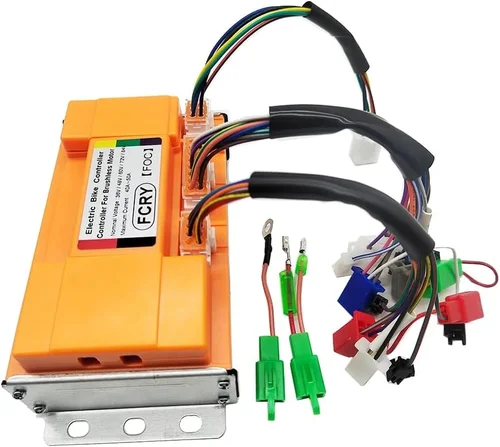
What to do instead: Evaluate the entire powertrain holistically. Look at the motor’s wattage and torque rating in conjunction with the voltage. Ensure the battery uses high-quality cells and has a robust BMS. Check if the controller is adequately sized to handle the current demands of the motor at 60V. A well-integrated 48V system with high-quality components can often outperform a poorly designed 60V system. Focus on the synergy between battery, motor, and controller.
❌ Mistake: Ignoring Real-World Range Claims
Why it’s bad: Manufacturers often quote range figures based on ideal conditions: lightweight rider, flat terrain, lowest assist level, and perfect weather. In reality, factors like headwinds, hills, higher assist levels, cargo load, and colder temperatures can drastically reduce range. Relying solely on these optimistic claims can leave you stranded far from home.
What to do instead: Treat manufacturer range claims as a theoretical maximum. Look for reviews from independent sources that test range under realistic conditions. Consider your typical riding scenario: if you live in a hilly area or always ride in Sport mode, expect significantly less range than advertised. It’s wise to assume you’ll achieve 50-70% of the claimed range under normal use. Always plan routes with potential charging stops or carry a backup battery if range is critical.
❌ Mistake: Overlooking the Importance of Quality Brakes
Why it’s bad: The increased speed and weight of a 60V e-bike demand superior stopping power. Mechanical disc brakes or, worse, rim brakes, are inadequate and can lead to brake fade, reduced modulation, and potentially dangerous situations, especially on descents or in wet conditions. Stopping distance becomes critically important at higher velocities.
What to do instead: Insist on hydraulic disc brakes. They provide consistent, powerful, and modulated braking force with minimal hand effort, essential for controlling a high-performance e-bike. Check the rotor size; larger rotors (180mm front/rear or 203mm front) offer better heat dissipation and stopping power. Test the brakes during a test ride to ensure they feel confident and responsive. Never compromise on braking performance.
❌ Mistake: Neglecting Local Laws and Regulations
Where it’s bad: Many regions have strict laws governing e-bike speed, power, and where they can be ridden. A 60V e-bike, especially one modified for higher speeds, can easily fall into a category requiring registration, licensing, or insurance, or be prohibited from bike paths and trails. Ignoring these laws can result in fines, legal trouble, or being unable to ride where you need to.
What to do instead: Thoroughly research your local, state, and national e-bike regulations before purchasing. Understand the definitions for Class 1, 2, and 3 e-bikes and any restrictions on motor power (e.g., 750W limit in the EU). Check if there are specific rules for high-voltage systems. If your ideal 60V bike exceeds legal limits for standard e-bike classification, consider if you’re prepared for the legal implications or if a compliant model better suits your needs.
❌ Mistake: Choosing Based Solely on Price (Too Cheap or Too Expensive)
Why it’s bad: Opting for the cheapest 60V e-bike often means compromising on critical components like the battery, motor, brakes, and frame, leading to poor performance, safety risks, and a short lifespan. Conversely, assuming the most expensive bike is automatically the best can lead to overpaying for features you don’t need or a brand premium that doesn’t translate to proportional value.
What to do instead: Set a realistic budget based on your needs and research thoroughly within that range. Focus on value – the best combination of quality, performance, and features for your money. Read detailed reviews, compare component specs, and consider the total cost of ownership (including potential repairs or upgrades). Sometimes a mid-range bike offers the best balance, while a premium bike might be justified for specific high-end features or build quality.
❌ Mistake: Failing to Test Ride or Consider Rider Fit
Why it’s bad: A bike that looks great on paper or online might feel uncomfortable, unwieldy, or simply not suit your riding style in person. An improper fit can cause discomfort, reduce control, and make riding inefficient or even painful, negating the benefits of a powerful 60V system. Online purchases without test rides carry this risk.
What to do instead: Whenever possible, test ride the specific model you’re considering. Pay attention to the bike’s handling, comfort, standover height, reach to the handlebars, and overall feel. If buying online, carefully check the size chart, read reviews mentioning fit, and choose retailers with good return policies. Consider your body dimensions and preferred riding posture (upright vs. aggressive). A bike that fits well will be safer, more enjoyable, and allow you to fully utilize its 60V capabilities.
❌ Mistake: Underestimating Maintenance and Service Needs
Why it’s bad: High-performance 60V e-bikes, especially those used aggressively or off-road, require more maintenance than basic e-bikes. Complex suspension, powerful motors, and high-capacity batteries need periodic servicing. Ignoring this can lead to premature wear, reduced performance, safety issues, and costly repairs down the line.
What to do instead: Factor in ongoing maintenance costs and time. Learn basic maintenance tasks like chain lubrication, brake adjustments, and tire checks. Find a local bike shop experienced with e-bikes for more complex servicing. Check the availability of spare parts and service manuals for the specific model. A well-maintained 60V e-bike will perform better, last longer, and be safer than a neglected one.
Budget Guidelines: How Much Should You Spend?
Investing in a 60V e-bike is a significant decision, and understanding the price tiers helps set realistic expectations for what you get at each level. The market offers options across a wide spectrum, from budget-conscious entries to premium, high-performance machines. Here’s a breakdown of what to anticipate in each category for 2026:
Entry-Level ($1,800 – $2,800): This tier offers a gateway into the world of 60V e-bikes, often featuring basic components and simpler designs. Expect aluminum frames, hub motors (typically 750W-1000W), and lithium-ion batteries (60V 15-20Ah) that provide decent range but may use lower-grade cells. Brakes might be mechanical disc or lower-tier hydraulic discs. Suspension is usually basic front forks, if any. Displays are functional but minimal. Build quality can be variable, and warranties might be shorter. These bikes are suitable for casual riders or those on a tight budget who primarily ride on paved paths or gentle terrain, but they may lack the durability and refinement for heavy use or demanding conditions. Example: A basic 60V fat tire cruiser for beach rides or light commuting.
Mid-Range ($2,800 – $4,500): This is often the “sweet spot” for most serious 60V e-bike buyers, offering an excellent balance of performance, quality, and features. Bikes in this range typically boast higher-quality aluminum frames, more powerful motors (1000W-1500W), and better battery technology (higher Ah, reputable cell brands like Samsung/LG). Hydraulic disc brakes are standard, often with larger rotors. Suspension improves, with better front forks and sometimes rear shocks on trail-oriented models. Displays become more informative, and features like integrated lights, fenders, and racks become common. Build quality is generally robust, and warranties are more comprehensive (2-3 years on key components). This tier covers versatile commuters, capable trail bikes, and reliable cargo haulers. Example: A well-equipped full-suspension trail e-bike or a high-speed commuter with premium components.
Premium ($4,500 – $7,000): Targeted at enthusiasts and professionals, premium 60V e-bikes deliver top-tier performance, cutting-edge technology, and exceptional build quality. Expect lightweight yet incredibly strong frame materials (advanced aluminum alloys or even carbon fiber), high-output mid-drive or powerful hub motors (1500W+), and large-capacity, high-discharge batteries (60V 20-30Ah) with advanced BMS. Top-shelf suspension from brands like RockShox or Fox, powerful hydraulic brakes with large rotors, and high-end drivetrains (e.g., Shimano Deore/SLX or SRAM NX) are standard. Displays are often full-color TFT with Bluetooth connectivity and app integration. Attention to detail, fit, and finish is meticulous. These bikes are built for demanding use, long-distance adventures, or competitive riding. Example: A lightweight, full-suspension e-MTB designed for technical trails or a high-speed, long-range road/gravel e-bike.
Luxury ($7,000+): The pinnacle of 60V e-bike engineering, luxury models represent the absolute best in materials, technology, and craftsmanship. These are often limited-production or custom-built machines featuring exotic materials (carbon fiber frames), proprietary motor systems, and the highest-capacity, longest-lasting batteries available. Components are the absolute top of the line from every major brand. Integration is seamless, with hidden wiring, custom displays, and often unique design elements. Features might include advanced rider aids, sophisticated suspension tuning, and bespoke options. The price reflects not just performance but also exclusivity, brand prestige, and the ultimate in refinement and reliability for the most discerning riders. Example: A custom-built, full-carbon e-enduro bike or a technologically advanced, ultra-long-range touring e-bike.
Expert Tips for Getting the Best Deal
Securing a great 60V e-bike doesn’t just mean finding the lowest price; it’s about maximizing value, ensuring long-term satisfaction, and protecting your investment. Here are expert strategies to help you navigate the market and get the best possible deal in 2026:
1. Timing Your Purchase Strategically: Like many consumer goods, e-bike prices fluctuate throughout the year. The best time to buy is typically during the off-season (late fall and winter, roughly October to February). Retailers often offer significant discounts to clear out current-year inventory before new models arrive in spring. End-of-year sales (Black Friday, Cyber Monday, post-Christmas) are prime opportunities. Avoid buying new models immediately upon release, as prices are usually highest then. Patience can save you hundreds.
2. Exploring Multiple Retail Channels: Don’t limit yourself to one source. Compare prices and offerings across direct-to-consumer brands (buying online from the manufacturer), local bike shops (LBS), and large online retailers. Direct-to-consumer often offers lower prices by cutting out the middleman, but you lose the benefit of local service and test rides. LBS provide expert advice, test rides, and local support but may have higher prices. Large online retailers might have competitive pricing and broad selection but varying levels of specialized e-bike expertise. Consider the total value proposition, including shipping costs, assembly, and potential return hassles.
3. Scrutinizing the Fine Print on Warranties and Returns: A low price is meaningless if the warranty is inadequate or the return policy is restrictive. Read the warranty terms carefully: what components are covered, for how long, and what constitutes normal wear vs. defect? Check if the battery warranty is based on time or cycle count. Understand the return policy: is there a restocking fee? Who pays for return shipping? How long is the trial period? A generous return policy (e.g., 14-30 days) allows you to test the bike thoroughly and return it if it doesn’t meet expectations, which is crucial for online purchases.
4. Considering Certified Pre-Owned or Refurbished Models: High-quality 60V e-bikes hold their value well, and the market for certified pre-owned or manufacturer-refurbished models is growing. These bikes are often significantly cheaper than new ones, have been inspected and repaired by professionals, and may even come with a warranty. This is an excellent way to get a premium bike at a mid-range price. Ensure the refurbishment is done by the manufacturer or a reputable dealer, and check the battery’s health and cycle count.
5. Negotiating and Bundling: Don’t be afraid to negotiate, especially at local bike shops or during slower sales periods. You might be able to get a discount, free accessories (helmet, lock, lights), or complimentary assembly. If you need multiple items (e.g., bike, helmet, rack), ask for a bundle discount. Some retailers offer price matching, so having a lower quote from a competitor can be a powerful negotiating tool.
6. Leveraging Reviews and Community Knowledge: Before finalizing any purchase, dive deep into independent reviews from trusted sources (YouTube, specialized e-bike review sites, forums like Electric Bike Report or Reddit’s r/ebikes). Look beyond star ratings; read detailed experiences about real-world performance, range, reliability, and customer service. Engage with online communities to ask specific questions about models you’re considering. Real user feedback is invaluable for uncovering potential issues or hidden gems that specs sheets don’t reveal.
7. Factoring in Total Cost of Ownership: The initial purchase price is just the beginning. Consider ongoing costs: maintenance (tune-ups, brake pads, chain replacements), potential upgrades (better tires, lights), insurance (for high-value bikes), and even charging costs (minimal but present). A slightly more expensive bike with higher-quality, longer-lasting components might save you money in the long run compared to a cheaper bike that requires frequent repairs. Budget for these expenses to avoid surprises.

Frequently Asked Questions
Q: Are 60V ebikes legal to ride on public roads and bike paths?
A: Legality varies significantly by location. In many regions, e-bike regulations are based on motor power (often capped at 750W or 500W) and maximum assisted speed (typically 20 mph for Class 1/2, 28 mph for Class 3). A 60V system, especially with a high-wattage motor, can easily exceed these limits. Some areas classify bikes over certain power/speed thresholds as mopeds or motorcycles, requiring registration, licensing, and insurance. Always check your local, state, and national laws before purchasing and riding. Riding an illegal e-bike can result in fines or other penalties.
Q: How far can I really ride on a single charge with a 60V battery?
A: Real-world range is highly variable and depends on numerous factors beyond just battery capacity (60V X Ah). Key influences include: rider weight, terrain (hills drastically reduce range), assist level used (higher levels consume more power), wind conditions, tire pressure, and temperature (cold weather reduces battery efficiency). Manufacturer claims are often optimistic. A realistic estimate for a 60V 20Ah battery might be 40-70 miles under mixed conditions, but it could be much less in hilly areas or with aggressive riding. Always plan for less range than advertised.
Q: What’s the difference between a hub motor and a mid-drive motor on a 60V ebike?
A: Hub Motor: Located in the front or rear wheel hub. Simpler, often quieter, and generally cheaper. Provides direct power to the wheel. Rear hub motors offer better traction. Less efficient on hills as they don’t leverage the bike’s gears. Mid-Drive Motor: Located at the bike’s crankset, between the pedals. Drives the chain and uses the bike’s gears, making it much more efficient, especially on hills and varying terrain. Offers better weight distribution and handling. Generally more expensive but preferred by serious riders for performance and efficiency.
Q: How long does a 60V ebike battery last before needing replacement?
A: Battery lifespan is primarily measured in charge cycles (a full charge and discharge). High-quality lithium-ion batteries (NMC or LiFePO4) typically last between 500 and 1500+ cycles. LiFePO4 often lasts longer. This translates to roughly 2-5 years of regular use, depending on how frequently you ride and charge. Factors affecting lifespan include: depth of discharge (avoiding full drains helps), charging habits (using the correct charger), storage conditions (cool, dry place), and overall battery quality. A good BMS is crucial for protecting the cells.
Q: Can I upgrade my existing ebike to 60V?
A: Generally, no, it’s not recommended and often dangerous. E-bike components (motor, controller, display, wiring, BMS) are designed to work together at a specific voltage. Simply swapping a 48V battery for a 60V one can instantly fry the controller, damage the motor, create a fire hazard, and void warranties. The entire electrical system needs to be compatible. If you want 60V performance, it’s much safer and more reliable to purchase a bike designed specifically for that voltage from the ground up.
Q: Are 60V ebikes significantly faster than 48V ebikes?
A: Yes, generally. Voltage directly impacts the potential speed and power output. A 60V system can deliver more power to the motor at lower current, allowing for higher top speeds and better acceleration compared to a 48V system of the same wattage. However, the actual speed also depends heavily on the motor’s design, controller limits, and any speed limiters imposed by the manufacturer or local laws. A well-tuned 60V bike will feel noticeably more potent and faster than a comparable 48V bike.
Q: What safety gear is essential for riding a 60V ebike?
A: Safety is paramount due to the increased speed and power. Essential gear includes: a certified bicycle helmet (non-negotiable), bright front and rear lights (with brake light function if possible), reflective clothing or accessories, and gloves for grip and protection. Consider additional gear like knee and elbow pads, especially for off-road riding. Always be aware of your surroundings, signal your intentions, and respect traffic laws. The higher speeds demand greater vigilance and control.
Q: How do I maintain my 60V ebike to ensure longevity?
A: Regular maintenance is key. Basic tasks: Keep the chain clean and lubricated, check and adjust tire pressure regularly, inspect brake pads for wear and adjust brakes, clean the bike frame (avoid high-pressure water on electrical components), and store the battery properly (partially charged, cool/dry place). Professional servicing: Have a qualified e-bike mechanic perform periodic checks on the motor, controller, wiring, suspension (if applicable), and drivetrain. Follow the manufacturer’s recommended service intervals.
Q: What should I do if my 60V ebike’s battery stops holding a charge?
A: First, ensure you’re using the correct charger and that the charging port is clean. Try a different outlet. If the issue persists, the battery may be degrading. Check the battery management system (BMS) – sometimes a BMS fault can prevent charging. Consult your warranty; if it’s still valid, contact the manufacturer or retailer for repair/replacement. If out of warranty, specialized e-bike battery repair services exist, or you may need a new battery pack, which is a significant cost.
Our Final Recommendations
After extensive research and analysis of the 2026 60V e-bike market, here are our top picks across different categories, balancing performance, value, and reliability:
Best for Budget-Conscious Buyers: Himiway Cobra Pro. This fat-tire beast offers a compelling entry point into serious 60V performance. With a robust 750W rear hub motor (peak 1000W+) and a massive 60V 20Ah Samsung battery, it delivers impressive range (up to 80 miles claimed, realistically 50-60) and the stability of 26″ x 4″ tires. Its full-suspension design (front fork and rear shock) provides surprising comfort for its price, making it excellent for light trails, beach rides, or rough city streets. While not the lightest or most refined, its sheer capability and value for under $2,800 make it a standout for those wanting 60V power without breaking the bank. Ideal for: Adventurers on a budget, casual trail riders, those needing stability on varied surfaces.
Best Overall Value: Rad Power Bikes RadRover 6 Plus (60V Conversion/High-Performance Model). While Rad typically uses 48V, their platform is renowned for robustness and serviceability, and many offer high-performance 60V compatible upgrades or models. Assuming a 60V variant or a well-executed conversion by a reputable dealer, the RadRover 6 Plus chassis excels. Its powerful geared hub motor (750W nominal, high torque), integrated 60V battery (likely 20-25Ah), hydraulic disc brakes, and reliable components offer a fantastic blend of power, range, and everyday usability. Rad’s extensive dealer network and strong warranty provide peace of mind. This bike represents the sweet spot where performance, practicality, and support converge. Ideal for: Daily commuters needing range and power, versatile riders, those valuing reliable service.
Best Premium Option: Specialized Turbo Levo SL Comp Carbon. For those seeking the pinnacle of 60V e-MTB technology, the Turbo Levo SL Comp Carbon is a masterpiece. It features Specialized’s lightweight SL 1.1 mid-drive motor (optimized for 60V-like performance within legal limits, but the platform is top-tier) paired with a large-capacity battery integrated seamlessly into the carbon fiber frame. The suspension is top-shelf RockShox, brakes are powerful SRAM Code R, and the build quality is impeccable. It’s designed for serious trail riding, offering exceptional handling, efficiency, and climbing prowess. This is for the enthusiast who demands the absolute best and is willing to pay for it ($7,000+). Ideal for: Serious off-road enthusiasts, technical trail riders, those prioritizing lightweight and cutting-edge tech.
Best for Beginners: Aventon Aventure.2 (60V Capable/High-Capacity Model). Aventon has built a reputation for user-friendly, well-designed e-bikes. The Aventure.2, especially with a high-capacity 60V battery option, is an excellent choice for newcomers to high-voltage riding. It offers a comfortable upright geometry, a reliable 750W rear hub motor, integrated lights, a clear display, and hydraulic disc brakes. The step-through frame option adds ease of use. It’s powerful enough for hills and long rides but doesn’t feel overwhelming, and Aventon provides good customer support. It strikes a great balance between performance and approachability. Ideal for: New e-bikers wanting power, commuters, casual riders seeking comfort and ease.
Best for Advanced Users: Yeti Cycles SB160 E5. This is a purebred, high-performance e-enduro machine built for aggressive riders who demand the utmost capability on the most challenging trails. The Yeti SB160 E5 features a powerful mid-drive motor (likely a Shimano EP8 or similar high-output unit running on a 60V-equivalent system for maximum performance), a long-travel (160mm+) suspension setup from Fox, and a slack, aggressive geometry. It’s built to handle big hits, steep descents, and technical climbs with ease. The component spec is top-tier throughout. This bike is not for casual riding; it’s for experienced riders who push limits and need a bike that can keep up. Ideal for: Expert trail riders, enduro enthusiasts, those seeking maximum off-road performance.
Conclusion: Making the Right Choice
Navigating the world of 60V e-bikes in 2026 offers unprecedented power and capability, but it demands a thoughtful and informed approach. This guide has equipped you with the essential knowledge to move beyond simple voltage comparisons and delve into the critical factors that truly define a high-quality, high-performance e-bike. Remember, the “best” 60V e-bike isn’t a single model; it’s the one that perfectly aligns with your unique needs, riding style, budget, and physical requirements. Prioritizing a holistic evaluation of motor performance, battery technology, build quality, safety features, and after-sales support will ensure your investment delivers lasting satisfaction and exhilarating rides for years to come.
We’ve explored the importance of system integration over raw voltage, the necessity of realistic range expectations, the non-negotiable need for quality brakes, and the critical role of legal compliance. We’ve broken down different bike types, highlighted common pitfalls, provided budget guidelines, and offered expert tips for securing the best deal. The FAQs addressed key concerns, and our final recommendations provided tangible examples across various categories. Now, armed with this comprehensive understanding, take the next step. Research specific models that fit your criteria, read independent reviews, and if possible, experience them firsthand through test rides. Your perfect 60V e-bike awaits – a powerful companion ready to transform your journeys, conquer new terrain, and redefine your sense of freedom on two wheels. Make your choice wisely, and enjoy the ride!