
Electric bikes have revolutionized personal transportation, offering a blend of efficiency, eco-friendliness, and raw performance. As the e-bike market matures, enthusiasts and daily commuters alike are pushing the boundaries of what these machines can do—especially when it comes to power and range. Enter the 72V e-bike battery: the high-voltage powerhouse that’s becoming the go-to choice for riders who demand serious speed, extended range, and uncompromising performance. Whether you’re tackling steep mountain trails, hauling heavy cargo, or simply craving a thrilling ride, a 72V battery can transform your e-bike into a true electric beast.
But with great power comes great responsibility—and complexity. Not all 72V batteries are created equal, and choosing the right one requires more than just picking the highest capacity or the lowest price. From cell chemistry and build quality to compatibility and safety features, there’s a lot to consider. That’s where this comprehensive buying guide comes in. We’ve spent months researching, testing, and analyzing the latest 72V e-bike batteries on the market to bring you the most up-to-date, expert-level insights for 2026. Whether you’re upgrading your current setup or building a custom high-performance e-bike from scratch, this guide will help you make a smart, informed decision.
In this guide, you’ll learn everything you need to know about selecting the best 72V e-bike battery for your needs. We’ll break down the key factors to consider—from voltage and capacity to build quality and brand reputation—and explain why each one matters. You’ll discover the different types of 72V batteries available, compare their strengths and weaknesses, and learn how to avoid common pitfalls that could cost you time, money, or even safety. We’ll also share expert tips on getting the best deal, answer frequently asked questions, and provide our top recommendations across various categories. By the end, you’ll have the knowledge and confidence to choose a battery that delivers maximum performance, reliability, and value.
The 72V e-bike battery market has evolved significantly in recent years. Once considered a niche upgrade for DIY builders and performance junkies, 72V systems are now being adopted by premium e-bike manufacturers and serious riders worldwide. Advances in lithium-ion technology, battery management systems (BMS), and thermal regulation have made high-voltage setups safer and more efficient than ever. At the same time, competition among brands has driven innovation and lowered prices, making 72V batteries more accessible to a broader audience. However, this growth has also led to a flood of low-quality or mislabeled products, making it harder for consumers to distinguish between genuine high-performance batteries and overhyped imitations.
That’s why it’s more important than ever to arm yourself with the right information. A 72V battery isn’t just a bigger version of a 48V or 52V pack—it operates at a fundamentally different level of electrical output, requiring compatible motors, controllers, and wiring. Using an incompatible battery can damage your e-bike, void warranties, or even pose a fire risk. Moreover, the performance benefits of a 72V system—such as faster acceleration, higher top speeds, and improved hill-climbing ability—are only realized when the battery is properly matched to your motor and riding style. This guide will help you navigate these complexities and find a battery that not only fits your bike but enhances your entire riding experience.

What to Look for When Buying a 72V E-Bike Battery
1. Voltage and Compatibility
Voltage is the most critical specification when selecting a 72V e-bike battery. While the name suggests a fixed 72 volts, the actual voltage can vary depending on the battery’s state of charge and the number of cells in series. A true 72V battery typically consists of 20 lithium-ion cells connected in series (20S), with a nominal voltage of around 72V and a peak voltage of up to 84V when fully charged. This high voltage allows the motor to draw more power efficiently, resulting in faster acceleration and higher speeds.
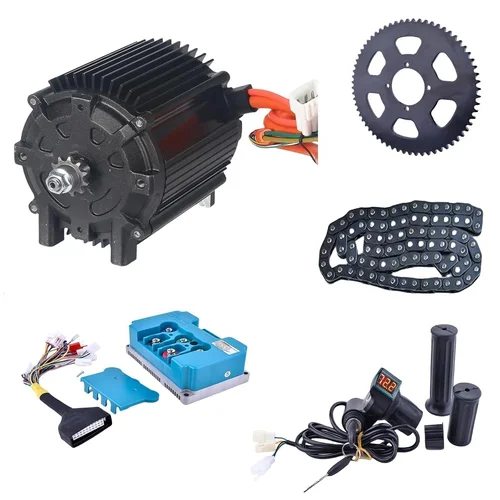
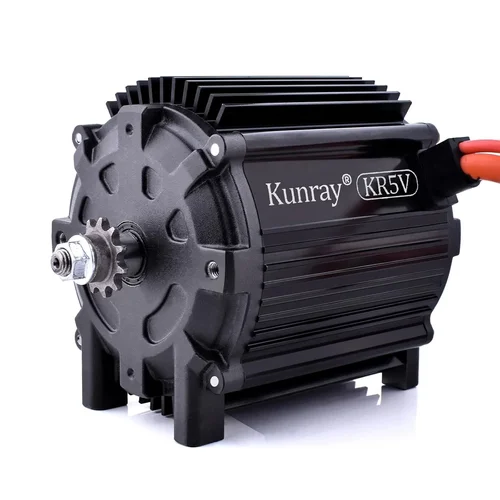
However, not all motors and controllers are designed to handle 72V input. Most standard e-bikes use 36V, 48V, or 52V systems, and attempting to run a 72V battery on an incompatible setup can lead to catastrophic failure. Before purchasing, verify that your motor, controller, throttle, and display are rated for 72V operation. Some high-performance motors, such as those from Bafang Ultra, QS Motor, or Grin Technologies, are specifically built for 72V systems and can take full advantage of the increased power. If you’re unsure, consult your e-bike manufacturer or a qualified technician.
2. Capacity and Range
Capacity, measured in ampere-hours (Ah), determines how much energy the battery can store and directly impacts your e-bike’s range. A higher Ah rating means longer rides between charges. For example, a 72V 20Ah battery stores 1,440 watt-hours (Wh) of energy (72V × 20Ah = 1,440Wh), while a 72V 30Ah pack offers 2,160Wh—50% more range.
When evaluating capacity, consider your typical riding conditions. If you commute 20 miles daily on flat terrain, a 72V 20Ah battery may suffice. But if you’re tackling steep hills, carrying heavy loads, or riding off-road, you’ll benefit from a higher-capacity pack like 25Ah or 30Ah. Keep in mind that larger batteries are heavier and more expensive, so balance your range needs with weight and budget constraints.
Real-world range also depends on factors like rider weight, terrain, assist level, wind resistance, and tire pressure. A 72V 20Ah battery might deliver 40–60 miles on flat roads with moderate pedal assist, but only 25–35 miles on hilly trails with full throttle. Use online range calculators or manufacturer estimates as a starting point, but expect variability based on usage.
3. Cell Chemistry and Quality
The type of lithium-ion cells used in a 72V battery significantly affects its performance, lifespan, and safety. The most common chemistries are:
– Lithium Nickel Manganese Cobalt Oxide (NMC): Offers high energy density, good cycle life, and stable performance. Ideal for e-bikes due to its balance of power and longevity.
– Lithium Iron Phosphate (LiFePO4 or LFP): Known for exceptional safety, long cycle life (2,000–5,000 cycles), and thermal stability. However, it has lower energy density and is heavier than NMC.
– Lithium Cobalt Oxide (LCO): High energy density but less stable and more prone to thermal runaway. Rarely used in e-bikes due to safety concerns.
For most riders, NMC cells from reputable manufacturers like Samsung, LG, Panasonic, or Molicel provide the best combination of performance and reliability. Avoid batteries that use generic or unbranded cells, as these may be lower quality, inconsistently graded, or even counterfeit.
Cell quality also impacts consistency. High-grade cells are matched for capacity, internal resistance, and voltage to ensure balanced performance across the pack. Poorly matched cells can lead to premature failure, reduced capacity, and safety risks.
4. Battery Management System (BMS)
The Battery Management System (BMS) is the brain of your battery pack. It monitors voltage, current, temperature, and state of charge to protect the cells from overcharging, over-discharging, short circuits, and overheating. A high-quality BMS is essential for safety and longevity, especially in high-voltage systems like 72V.
Look for a BMS with the following features:
– Overcharge protection (cuts off charging at ~4.2V per cell)
– Over-discharge protection (prevents voltage from dropping too low)
– Overcurrent protection (limits discharge current to safe levels)
– Temperature monitoring (shuts down the battery if it overheats)
– Cell balancing (ensures all cells charge and discharge evenly)
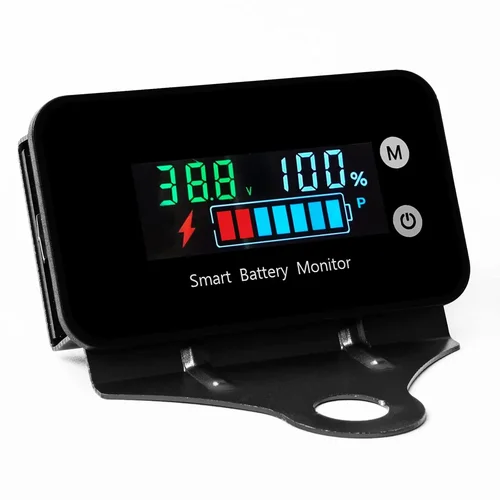
Some advanced BMS units also include Bluetooth connectivity, allowing you to monitor battery health via a smartphone app. While not essential, this feature can help you track performance, detect issues early, and optimize charging habits.
Avoid batteries with no BMS or a poorly designed one. A faulty BMS can lead to cell damage, reduced lifespan, or even fire hazards—especially under high load or in hot conditions.
5. Build Quality and Durability
A 72V e-bike battery is a significant investment, so durability matters. Look for a robust enclosure made from high-impact plastic or aluminum that protects the cells from physical damage, moisture, and dust. IP65 or IP67-rated batteries offer excellent water and dust resistance, making them suitable for all-weather riding.
Pay attention to the construction of the pack itself. High-quality batteries use spot-welded connections between cells, which are more reliable than soldered joints. The wiring should be thick gauge (10–12 AWG) to handle high current without overheating. Heat shrink tubing, silicone seals, and reinforced connectors add extra protection.
Also consider the mounting system. A secure, vibration-resistant mount prevents the battery from shifting or loosening during rough rides. Some batteries come with quick-release brackets, while others require custom fabrication. Ensure the battery fits your frame and doesn’t interfere with other components.
6. Weight and Size
Weight and size are crucial factors, especially if you plan to remove the battery frequently for charging or storage. A typical 72V 20Ah battery weighs between 10–14 lbs (4.5–6.4 kg), while a 30Ah pack can exceed 18 lbs (8 kg). Larger batteries offer more range but add significant weight, which can affect handling and portability.
Consider where the battery will be mounted. Frame-mounted batteries are common and keep the center of gravity low, improving stability. However, they may not fit all bike frames. Some riders prefer downtube or rear rack mounts for easier access or to accommodate larger packs.
If you need to carry the battery upstairs or transport it in a car, look for models with integrated handles or compact designs. Some premium batteries feature modular construction, allowing you to split the pack into smaller units for easier handling.
7. Charging Time and Charger Compatibility
Charging time depends on the battery’s capacity and the charger’s output. A 72V 20Ah battery charged with a 4A charger will take approximately 5 hours to reach full capacity (20Ah ÷ 4A = 5h). Higher-output chargers (6A or 8A) can reduce this to 2.5–3 hours, but they generate more heat and may stress the cells if not properly managed.
Always use a charger designed for your battery’s voltage and chemistry. A 72V NMC battery requires a charger with a maximum output of around 84V and a current rating that matches the BMS’s charge limit. Using an incompatible charger can damage the battery or pose a fire risk.
Some advanced chargers feature smart charging algorithms that adjust voltage and current based on temperature and state of charge. These can extend battery life and improve safety. Look for chargers with LED indicators, overcharge protection, and thermal cutoffs.
8. Brand Reputation and Warranty
With so many options on the market, choosing a reputable brand is one of the best ways to ensure quality and reliability. Established manufacturers like Luna Cycle, EM3EV, Grin Technologies, and Bafang have a proven track record of producing high-performance e-bike batteries with excellent customer support.
Check online reviews, forums, and YouTube testimonials to gauge real-world performance. Look for brands that provide detailed specifications, transparent sourcing, and responsive customer service. Avoid no-name brands or sellers with limited information—these often cut corners on materials and safety.
Warranty is another critical factor. A good 72V battery should come with at least a 12-month warranty, with some premium brands offering 18–24 months. The warranty should cover defects in materials and workmanship, not just premature failure. Read the fine print: some warranties are voided if the battery is opened, modified, or used with incompatible components.
Different Types of 72V E-Bike Batteries

Common Buying Mistakes to Avoid
❌ Mistake: Ignoring Compatibility
Why it’s bad: Installing a 72V battery on a 48V system can fry your controller, damage your motor, or cause a fire. Even if the battery fits physically, electrical incompatibility can lead to catastrophic failure.
What to do instead: Verify that your motor, controller, throttle, and display are rated for 72V. Consult your e-bike’s manual or contact the manufacturer. If upgrading, consider a full 72V conversion kit.
❌ Mistake: Prioritizing Price Over Quality
Why it’s bad: Cheap batteries often use low-grade cells, weak BMS, and poor construction. They may fail prematurely, deliver inconsistent performance, or pose safety risks.
What to do instead: Invest in a reputable brand with transparent specifications. A $1,200 battery that lasts 3 years is better value than a $600 one that fails in 6 months.
❌ Mistake: Overestimating Range Claims
Why it’s bad: Manufacturers often quote ideal range figures based on minimal load and flat terrain. Real-world range is usually 30–50% lower.
What to do instead: Use range calculators, read user reviews, and factor in your riding conditions. Add a 20–30% buffer to advertised range estimates.
❌ Mistake: Neglecting the BMS
Why it’s bad: A weak or missing BMS can lead to cell imbalance, overheating, or fire—especially under high load.
What to do instead: Choose a battery with a high-quality BMS that includes overcharge, over-discharge, overcurrent, and temperature protection.
❌ Mistake: Forgetting About Weight
Why it’s bad: A heavy battery can make your e-bike unwieldy, especially on climbs or when lifting it.
What to do instead: Consider your strength and usage. If you need to carry the battery frequently, opt for a lighter NMC pack or a modular design.
❌ Mistake: Skipping the Warranty Check
Why it’s bad: Without a solid warranty, you’re on the hook for repair or replacement costs if the battery fails.
What to do instead: Choose a brand with at least a 12-month warranty and clear terms. Avoid sellers with no return policy.
❌ Mistake: Using the Wrong Charger
Why it’s bad: An incompatible charger can overcharge the battery, damage cells, or cause a fire.
What to do instead: Always use a charger specified for your battery’s voltage and chemistry. Never mix chargers between different battery types.
Budget Guidelines: How Much Should You Spend?
– Entry-Level ($700–$1,000): These batteries often use generic cells and basic BMS. They may work for light use but lack durability and safety features. Best for budget-conscious riders willing to accept trade-offs.
– Mid-Range ($1,000–$1,500): The sweet spot for most buyers. These batteries feature quality NMC cells, robust BMS, and solid construction. Brands like Luna Cycle and EM3EV offer excellent value here.
– Premium ($1,500–$2,200): For enthusiasts and professionals. Expect top-tier cells (Samsung, LG), advanced BMS with Bluetooth, IP67 rating, and long warranties. Ideal for high-performance builds.
– Luxury ($2,200+): Custom or modular systems with scalable capacity, ultra-lightweight designs, and cutting-edge tech. Best for builders and extreme performance seekers.
Expert Tips for Getting the Best Deal
– Buy during off-season sales: Many retailers offer discounts in winter or early spring. Sign up for newsletters to catch deals.
– Shop from specialized e-bike retailers: Stores like Luna Cycle, EM3EV, and Grin Technologies offer expert support and genuine products—avoid generic marketplaces.
– Check for bundle deals: Some sellers offer discounts when you buy a battery with a motor or controller.
– Read return policies: Ensure you can return or exchange the battery if it doesn’t fit or perform as expected.
– Test before finalizing: If possible, test the battery on your bike before committing. Some shops offer demo units.
– Consider refurbished units: Reputable sellers sometimes offer certified refurbished batteries at 20–30% off.
– Join online communities: Forums like Endless-Sphere or Reddit’s r/ebikes often share deals and reviews.
– Negotiate with sellers: Especially for custom builds, you may be able to negotiate price or free shipping.

Frequently Asked Questions
Q: Can I use a 72V battery on a 48V e-bike?
A: No. A 72V battery will likely damage a 48V controller and motor. Always match voltage ratings.
Q: How long does a 72V battery last?
A: With proper care, a quality 72V battery can last 800–1,500 charge cycles, or 3–5 years of regular use.
Q: Is a 72V battery safe?
A: Yes, if it has a high-quality BMS, proper construction, and is used within specifications. Avoid cheap, unbranded packs.
Q: Can I charge a 72V battery at home?
A: Yes, using a compatible 72V charger. Ensure the outlet can handle the power draw and charge in a safe, ventilated area.
Q: What’s the difference between 72V and 52V?
A: 72V offers higher power output, faster acceleration, and better performance on hills. 52V is more common and slightly safer.
Q: Do I need a special motor for 72V?
A: Yes. Your motor must be rated for 72V input. Most standard motors are not compatible.
Q: Can I upgrade my existing e-bike to 72V?
A: Only if your frame, motor, and controller support it. A full conversion may be required.
Q: Are 72V batteries legal?
A: In most regions, e-bikes are limited to 750W or 20 mph. A 72V system can exceed these limits, so check local laws.
Q: How do I maintain my 72V battery?
A: Store at 50–70% charge, avoid extreme temperatures, charge regularly, and keep terminals clean.
Q: What happens if the battery overheats?
A: A good BMS will shut it down. If not, it could lead to thermal runaway and fire. Always monitor during high-load use.
Our Final Recommendations
– Best for Budget-Conscious Buyers: Luna Cycle 72V 20Ah NMC Battery – Reliable, well-built, and backed by excellent customer service.
– Best Overall Value: EM3EV 72V 25Ah Triangle Pack – High capacity, quality cells, and durable construction at a fair price.
– Best Premium Option: Grin Technologies LiGo 72V Modular System – Lightweight, scalable, and packed with smart features.
– Best for Beginners: Bafang 72V 20Ah Frame Battery – Easy to install, compatible with Bafang motors, and user-friendly.
– Best for Advanced Users: Custom 72V 30Ah NMC Pack with Bluetooth BMS – For builders who want maximum performance and monitoring.
Conclusion: Making the Right Choice
Choosing the best 72V e-bike battery is about more than just power—it’s about finding the right balance of performance, safety, durability, and value. As we’ve explored, key factors like voltage compatibility, cell quality, BMS protection, and brand reputation can make or break your experience. While the allure of high speed and long range is strong, it’s essential to prioritize safety and reliability, especially with high-voltage systems.
Remember, a 72V battery is a long-term investment. Spending a little more upfront on a quality pack can save you money, hassle, and potential danger down the road. Take the time to assess your needs, research your options, and consult experts if necessary. Whether you’re upgrading for performance, range, or both, the right battery will transform your ride and open up new possibilities on two wheels.
So, don’t rush. Compare your options, read the fine print, and choose wisely. With the insights from this guide, you’re now equipped to make a confident, informed decision. Your perfect 72V e-bike battery is out there—go find it, charge up, and ride farther, faster, and with confidence.